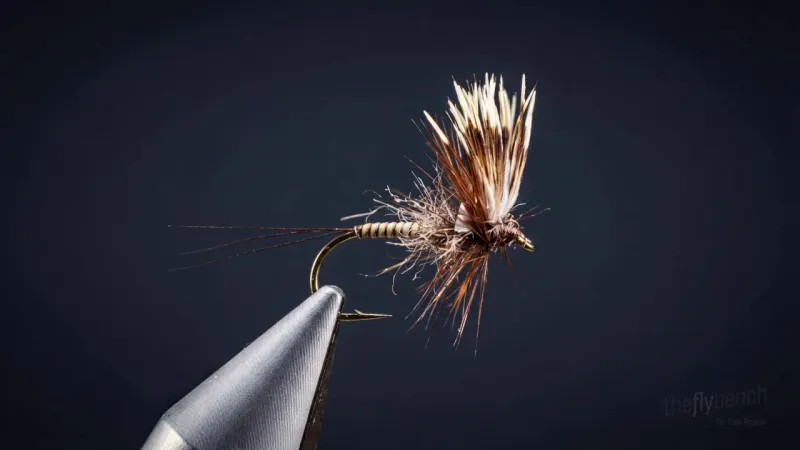
Dry FliesWired Olive
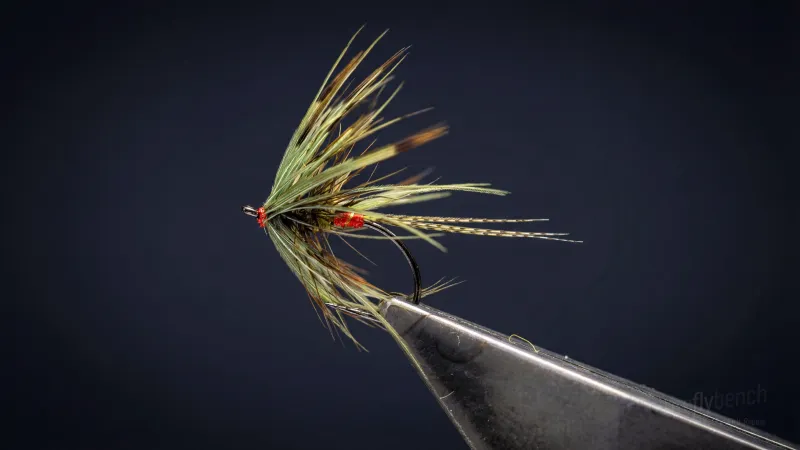
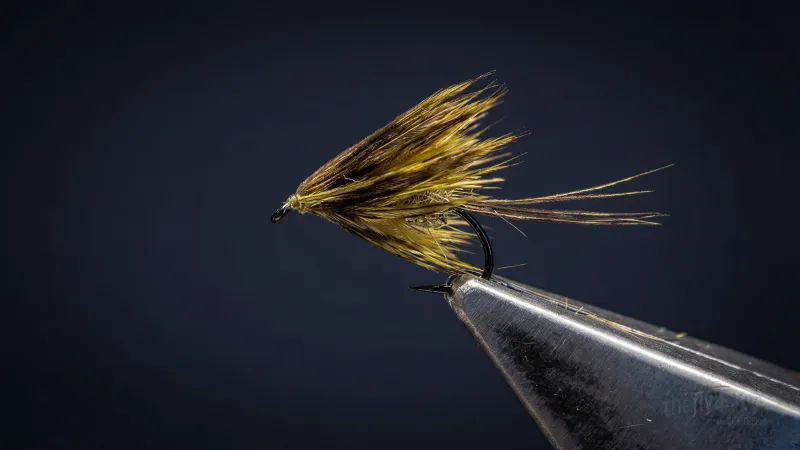
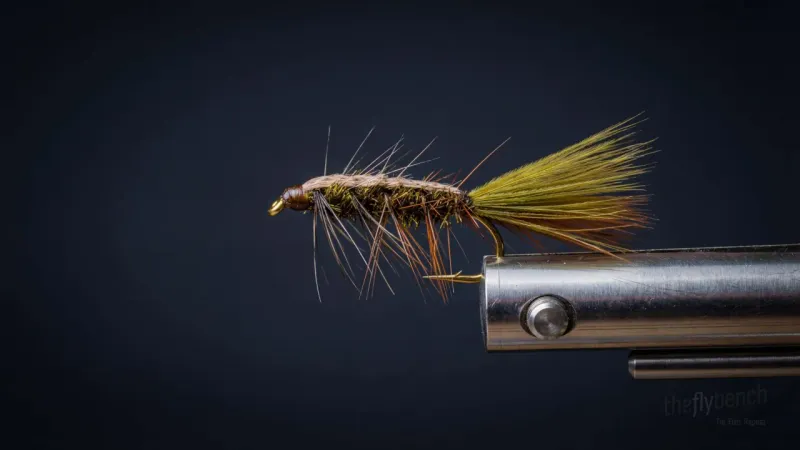
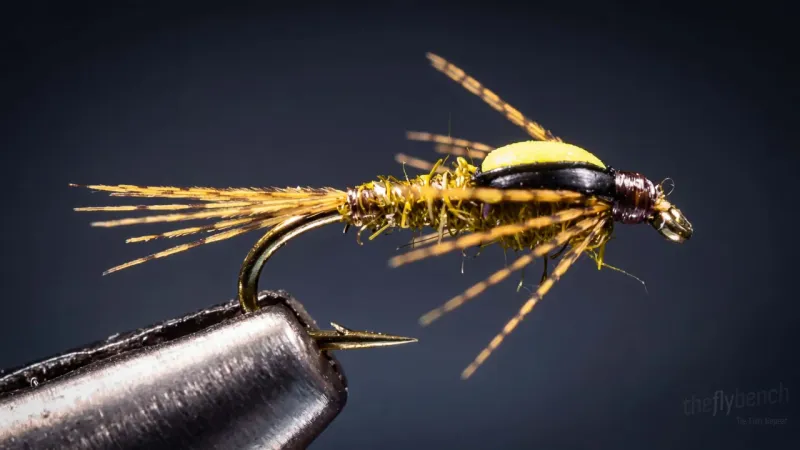
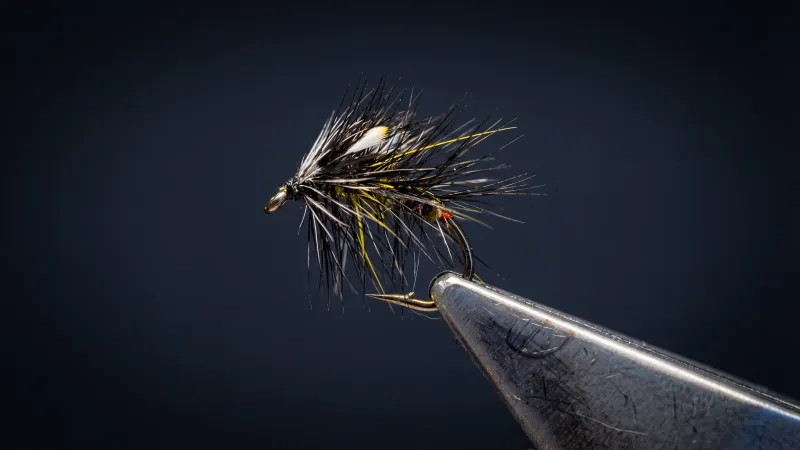
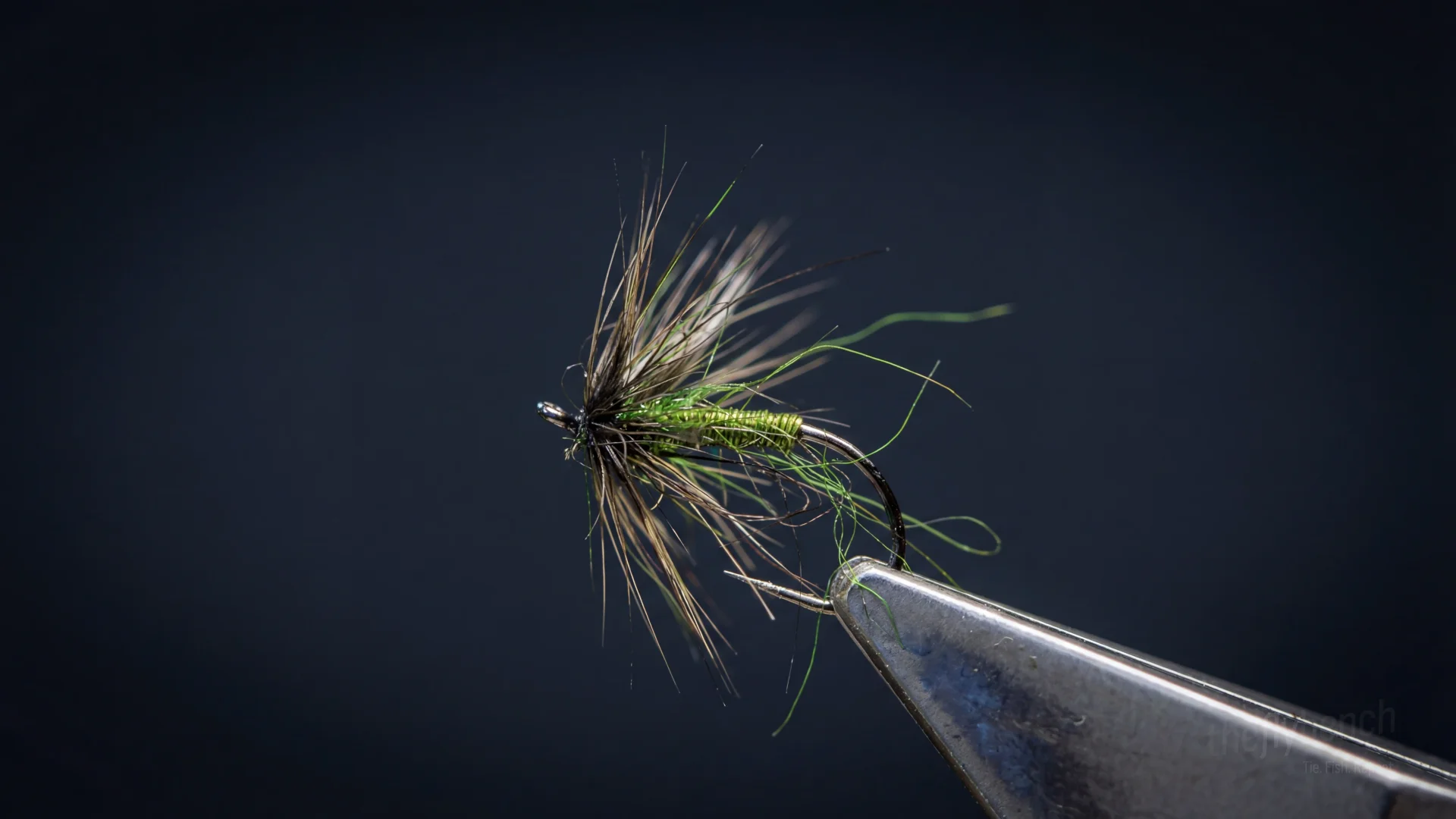
Hans Weilenmann's Wired Olive wraps a small olive Ultra-wire abdomen for a slim, segmented body, then builds the thorax from a black-and-green seal's fur blend spun in a split thread loop for extra spikiness. A black hen hackle collar finishes the fly with soft, mobile fibers that suggest legs on the water.
Spring, Summer, Fall
Intermediate
Trout
Feb 2026
Overview
Using wire instead of dubbing or floss for the abdomen gives a durable, glassy segmentation that holds up to repeated fish contact better than most soft-bodied dries. The split-thread seal's fur thorax flares the black-and-green blend out from the thread core, adding a buggy, mottled look right where a natural's legs and wing cases would be. Weilenmann designed it as a general mayfly or caddis searching pattern for rivers and stillwaters.
Where to Buy This Fly
We only link to fly shops we trust. Some links are referral links, which may earn us a commission at no extra cost to you.
Materials
- Hook:
- Grip 14723BL #14
- Thread:
- Benecchi 12/0, black
- Hackle:
- Hen, black
- Abdomen:
- UTC Ultra-wire, olive, small
- Thorax:
- Seal's fur, mix of black and green - in split thread
Behavior & Presentation
Natural Behavior: Adult caddisflies skitter erratically across riffles during evening egg-laying activity, their bouncing dipping movements creating visible surface disturbances. Simultaneously, olive mayfly duns drift more sedately through the same water, creating mixed feeding opportunities as trout switch between active caddis and drifting mayflies.
Where Trout Eat It: Surface layer in moderate riffles and runs, with trout positioned in current seams where both skittering caddis and drifting mayfly duns concentrate during overlapping emergence windows.
How to Fish It: Primary presentation uses drag-free drift to match mayfly duns, with optional subtle twitches added to suggest skittering caddis behavior during active egg-laying periods in broken water.
Best Water: Moderate riffles with olive mayfly and caddis activity, riffle edges where both insect types concentrate, and tail-outs collecting mixed surface offerings during overlapping hatch windows.
Strike Type: Variable rises ranging from splashy attacks on skittering presentations to confident sips during dead-drift approaches, depending on which insect behavior trout are targeting.
Fishing Strategy
Rigging Suggestions: Fish on a 9-12 foot leader tapered to 5X or 6X tippet. Apply floatant to maintain buoyancy in faster currents.
Seasonal Timing: Highly productive from April through October during olive mayfly and caddis hatches, with peak effectiveness May through June during Baetis and caddis overlaps.
Pro Tips: The wire body adds durability and subtle segmentation that mimics natural insects. Excellent choice when both mayflies and caddis are present.
Entomology
Adult caddisflies skitter and flutter erratically across the water surface during egg-laying runs, creating visible disturbances as they dip and bounce while depositing eggs. Trout key on this active surface commotion because the insects' frantic movements and inability to quickly escape make them highly vulnerable targets, especially during evening hatches when caddis activity peaks in riffles and runs.
- Order
- Trichoptera
- Common Name
- Caddisfly
- Organism Type
- insect
- Life Stage
- adult