NymphPartridge & Orange
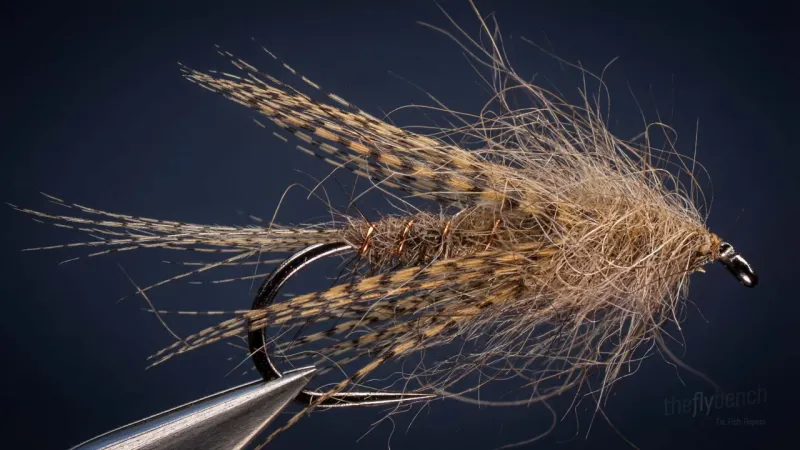
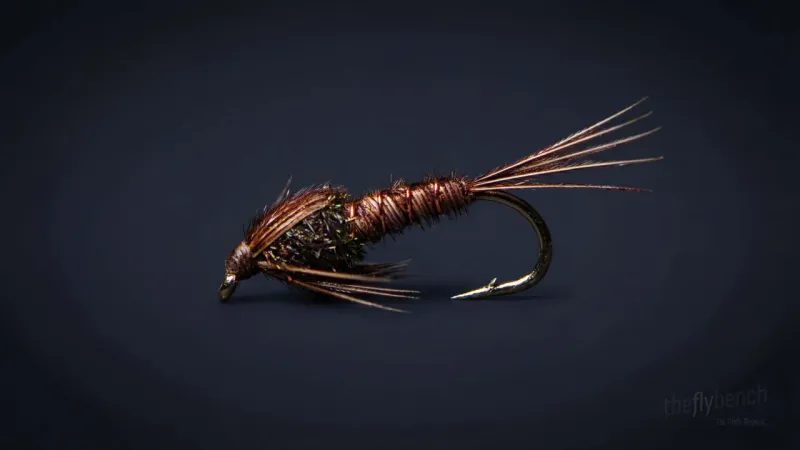
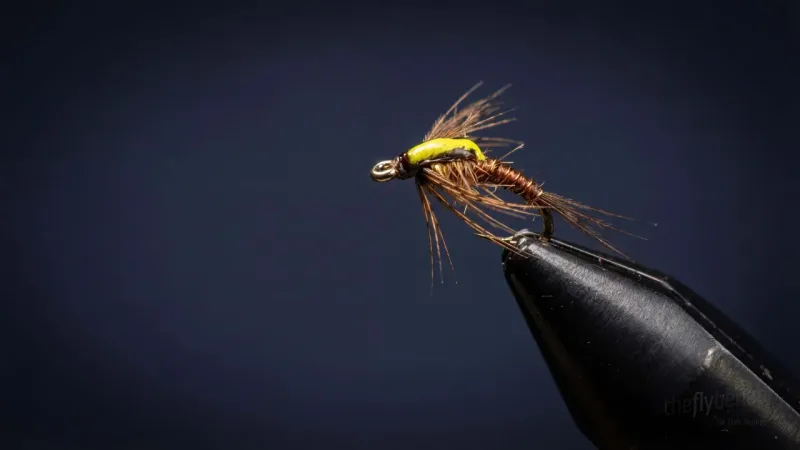
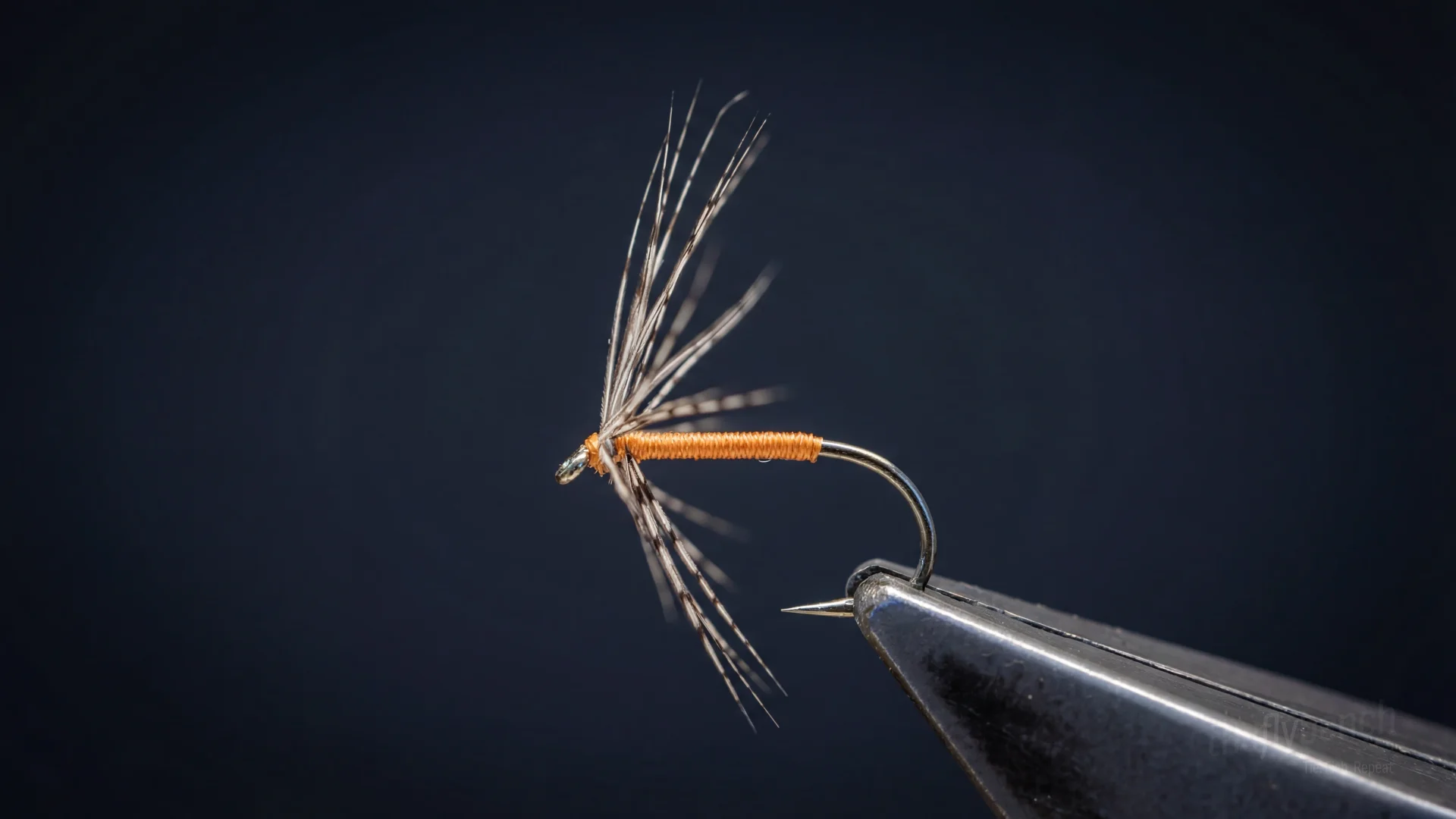
The Partridge and Orange is a traditional North Country spider built from nothing more than hot orange Pearsall's silk and a brown Hungarian partridge hackle. Its sparse, translucent dressing suggests a mayfly nymph drifting or rising through the water column on rivers and stillwaters alike.
Spring, Summer, Fall
Intermediate
Trout
Feb 2026
Overview
This is one of the oldest North Country spider patterns, tied with just two materials so the orange silk shows through the sparse partridge hackle rather than being covered by it. The mobile partridge barbs pulse in even the slightest current, giving the fly life on a dead drift without any further dressing. It's traditionally fished across and down on a team of wet flies, and remains a reliable searching pattern wherever mayfly nymphs are active from spring through fall.
Where to Buy This Fly
We only link to fly shops we trust. Some links are referral links, which may earn us a commission at no extra cost to you.
Materials
- Hook:
- Kamasan B405 #12-18
- Thread:
- Pearsall's Gossamer #19, hot orange
- Hackle:
- Hungarian Partridge, brown
- Body:
- Tying silk
Behavior & Presentation
Natural Behavior: Mayfly nymphs crawl actively across stream bottoms toward shore or surface, exposing themselves in open water between cover. Trout intercept these migrating nymphs because their predictable movement toward emergence makes them easier to track than stationary specimens.
Where Trout Eat It: Mid-column to surface in riffles, runs, pocket water of freestone streams, tailwater runs, spring creek edges, and current seams. Focus on water depths of 1-4 feet.
How to Fish It: Fish with a downstream swing, allowing the fly to drift and swing naturally in the current because this mimics ascending emergers. Use a high-stick nymphing technique in faster water, maintaining contact while allowing natural drift. Add subtle lifts and drops to imitate emerging insects because this matches their vulnerable ascent behavior. The soft hackle provides lifelike movement.
Best Water: Riffles, runs, pocket water in freestone streams with moderate to fast current, tailwater runs, spring creek edges during emergences, and current seams. Focus on water depths of 1-4 feet.
Strike Type: Subtle tightening or hesitation as trout intercept drifting or swinging nymphs. Watch for line draw or slight indicator movement.
Fishing Strategy
Rigging Suggestions: Use a 9-11ft 4X or 5X tippet. Fish with no added weight for shallow presentations, or add split shot 12-18 inches above in deeper water. Greased leader technique keeps the fly in the upper water column.
Seasonal Timing: Productive year-round with peak effectiveness from March through June during early season hatches because this aligns with spring emergence activity. Exceptional during high water periods in April and May. Continues producing through fall when water temperatures cool and caddis larvae are active. Fish throughout the day in spring, focus on mornings and evenings in summer. Deploy during caddis and mayfly emergences when nymphs are ascending toward the surface. Most effective in water temperatures from 45-62°F. Use during overcast days and in off-colored water when the orange body provides high visibility.
Pro Tips: This classic soft hackle pattern is most effective when fished with movement. The partridge hackle creates subtle pulsing action that imitates emerging insects and triggers aggressive strikes.
Entomology
Mayfly nymphs crawl actively across stream bottoms toward shore or surface, exposing themselves in open water between cover. Trout intercept these migrating nymphs because their predictable movement toward emergence makes them easier to track than stationary specimens.
- Order
- Ephemeroptera
- Common Name
- Mayfly
- Organism Type
- insect
- Life Stage
- nymph