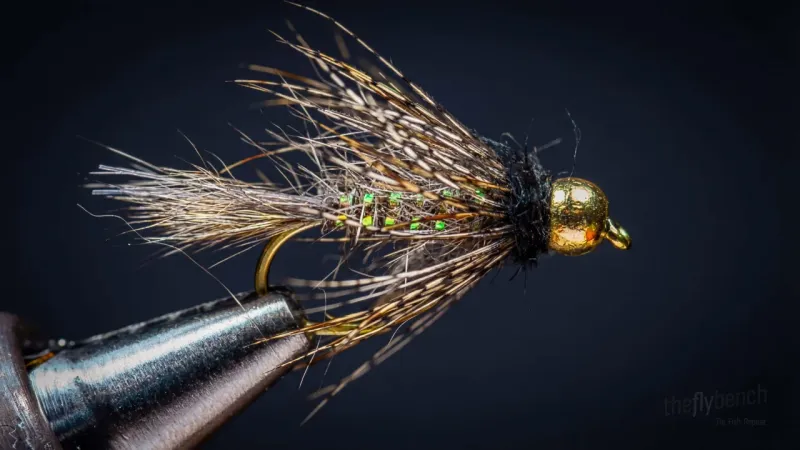
NymphStew's Glassy Spider
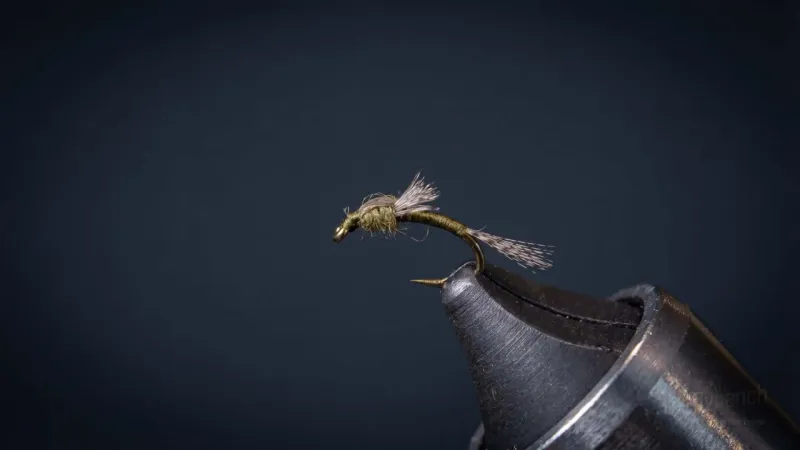
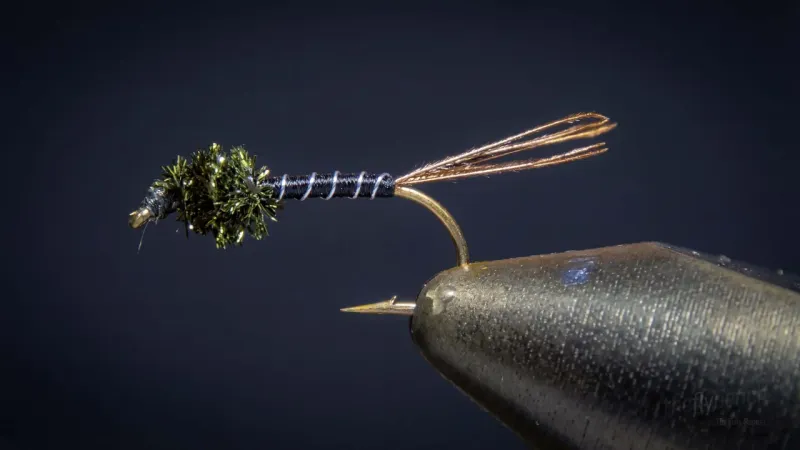
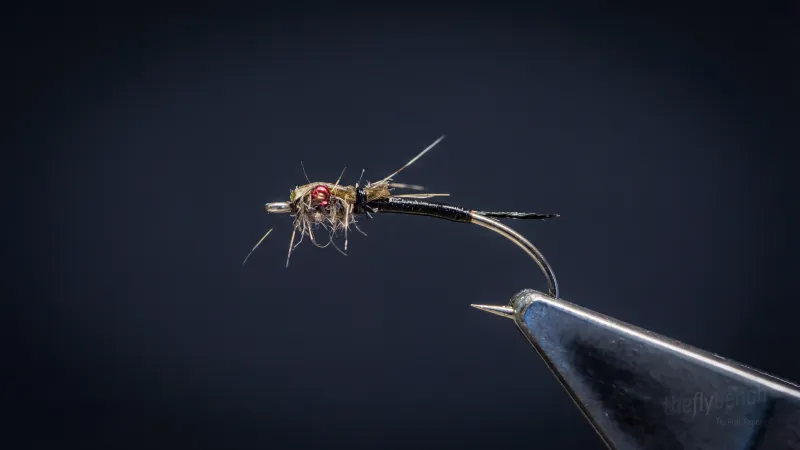
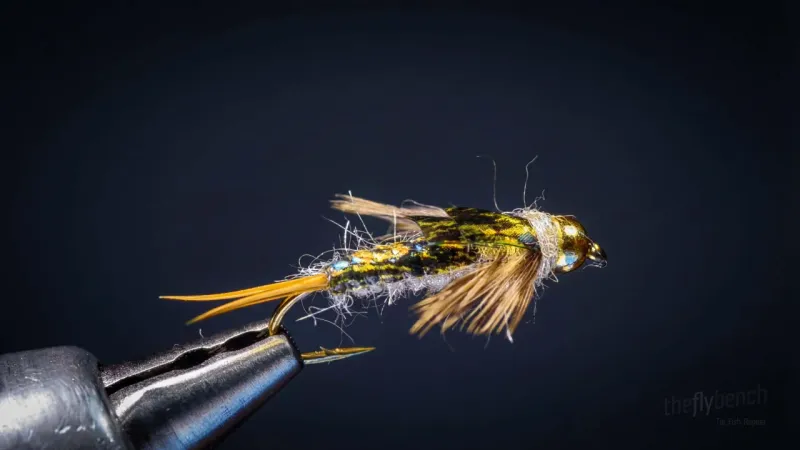
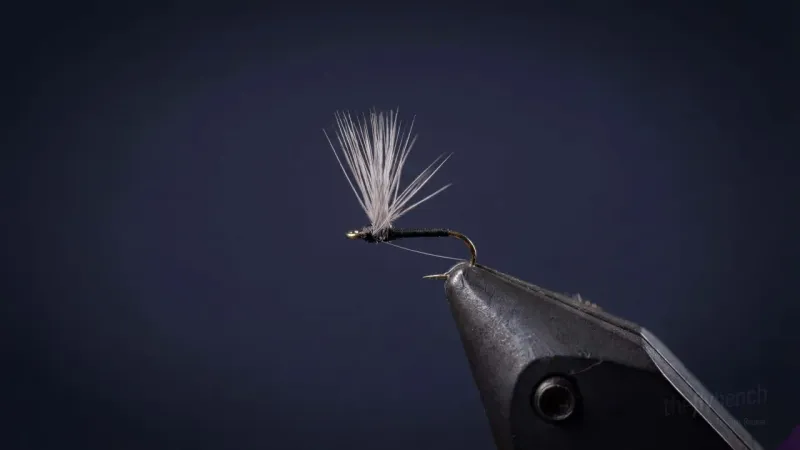
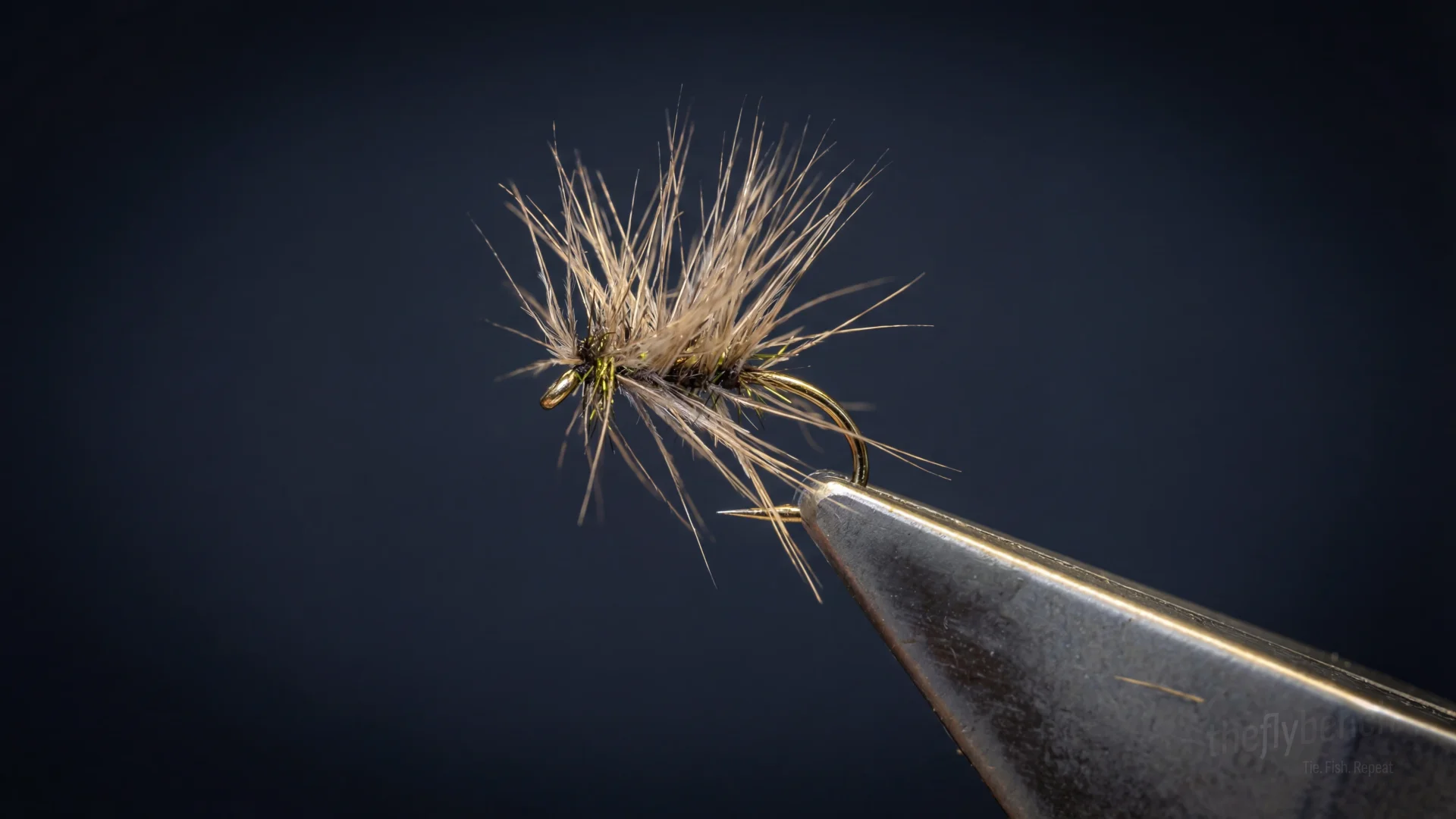
Hans Weilenmann's glassy spider twists glassy dun hen hackle, peacock herl, and the tag end of the tying thread together into a single strand, then wraps it forward to form both body and hackle in one motion. The technique gives a simple, buggy silhouette that works as a general mayfly nymph for beginners fishing moving water and stillwaters.
Spring, Summer, Fall
Beginner
Trout
Feb 2026
Overview
Twisting three different materials into one rope before winding is an efficient way to build body and hackle together, and it's a good technique for tiers learning twisted-strand methods. The peacock herl adds natural sheen while the glassy dun hackle fibers suggest legs and gills without extra tying steps. Fish it dead-drift beneath an indicator during spring through fall mayfly activity.
Where to Buy This Fly
We only link to fly shops we trust. Some links are referral links, which may earn us a commission at no extra cost to you.
Materials
- Hook:
- Kamasan B175 #14
- Thread:
- Benecchi 12/0, black
- Body/Hackle:
- Hen, glassy dun, peocock herl, and thread tag end - twisted together
Behavior & Presentation
Natural Behavior: Trout recognize the active swimming motion of nymphs relocating between holds as different from passive drift. Anglers fish glassy-bodied patterns with subtle lifts because this triggers strikes from fish targeting voluntary drift behavior.
Where Trout Eat It: Fish intercept swimming nymphs at mid-depth in moderate riffles, runs, pool heads, current seams, and depth transitions.
How to Fish It: Fish with tight-line nymphing or under indicator, maintaining direct contact with the fly. Short subtle lifts trigger strikes from opportunistic feeders during active drift.
Best Water: Target moderate riffles, runs, pool heads, current seams, and depth transitions where mayfly nymphs naturally drift and relocate before emergence.
Strike Type: Watch for indicator dips, subtle line tightening, or drift hesitation. Strikes often feel like brief resistance or weight.
Fishing Strategy
Rigging Suggestions: Use a 10-12 foot leader with 5X or 6X tippet. Fish under an indicator 1.5 times the water depth, or use a Euro-nymphing setup for direct contact.
Seasonal Timing: Produces year-round but peaks during mayfly emergences, particularly March through May and September through October when nymphs are most active.
Pro Tips: The glassy body creates subtle flash that mimics natural nymph coloration. Fish multiple depths until you find where trout are feeding.
Entomology
Mayfly nymphs exhibit behavioral drift patterns where they intentionally release from the bottom and swim actively through the water column to relocate. Fish recognize this voluntary drift behavior as a feeding opportunity distinct from passively dislodged nymphs, often targeting the swimming nymphs with aggressive strikes.
- Order
- Ephemeroptera
- Common Name
- Mayfly
- Organism Type
- insect
- Life Stage
- nymph