Overview
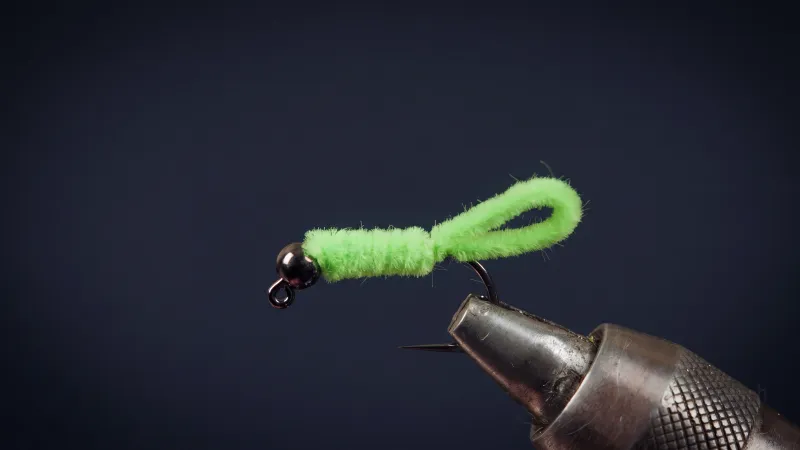
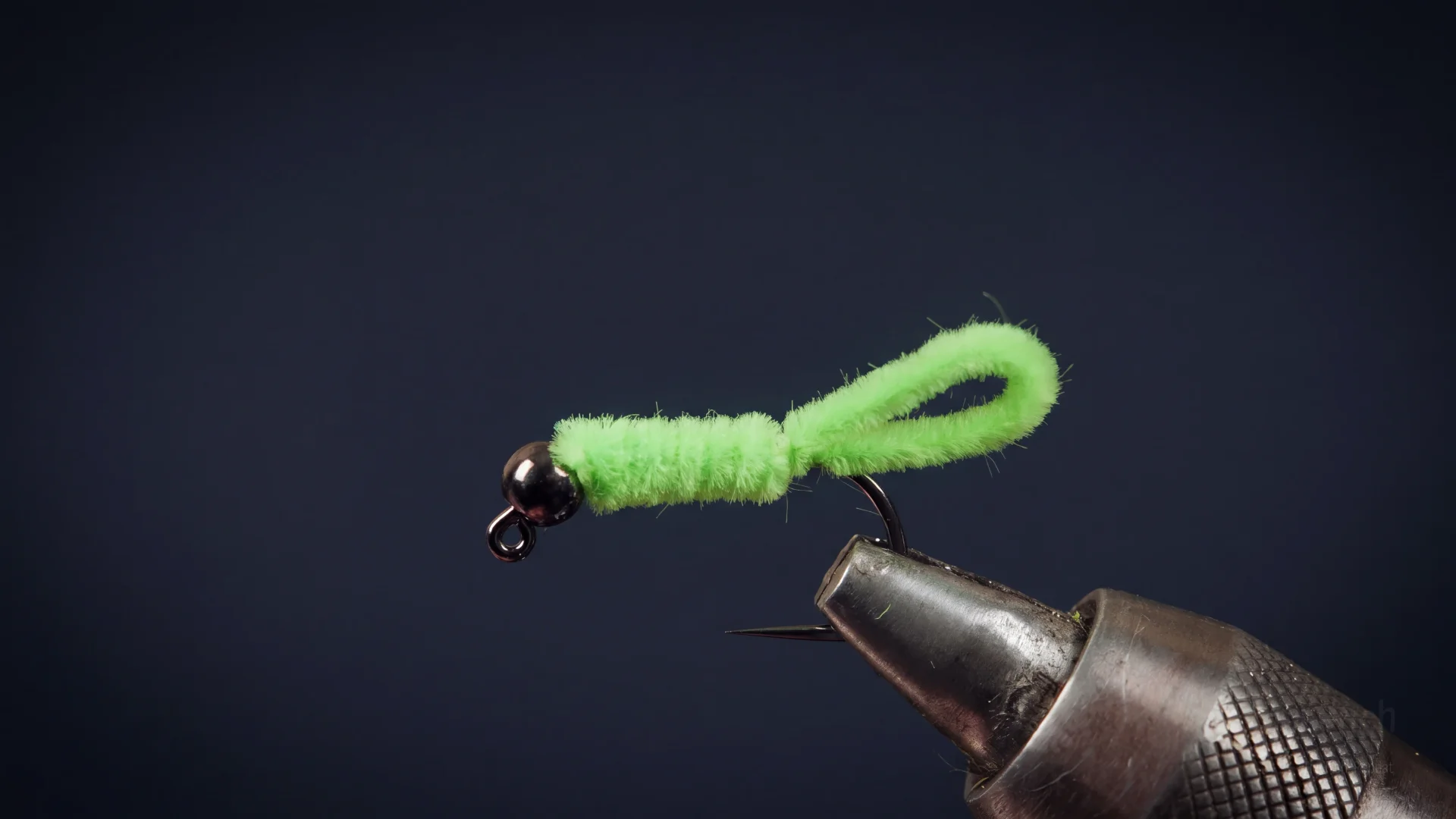
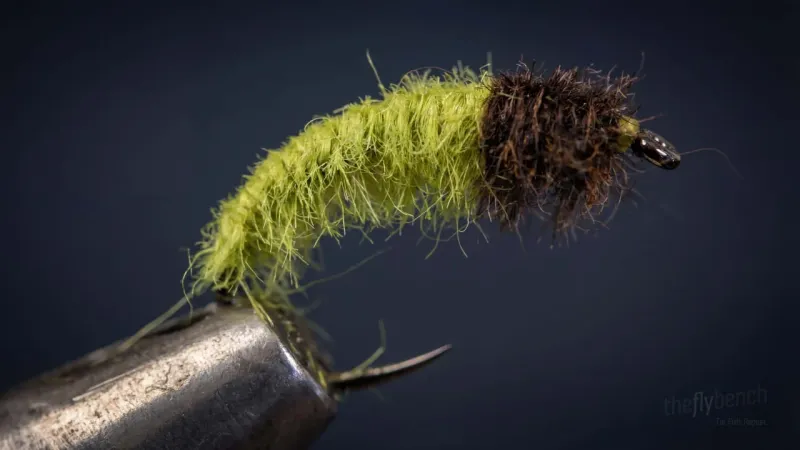
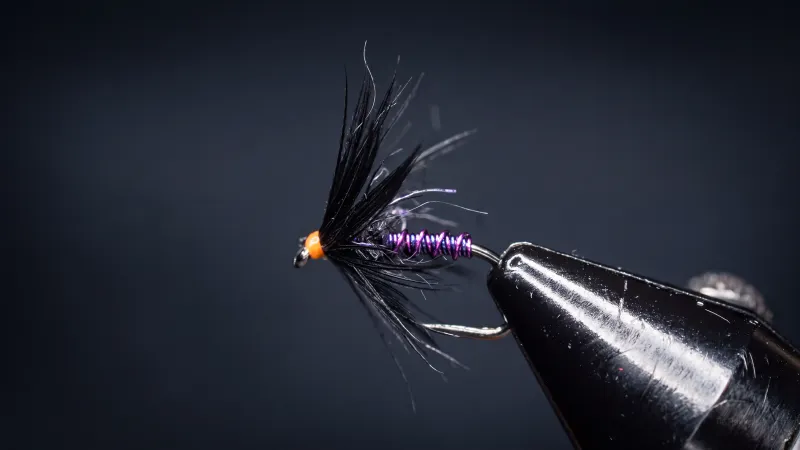
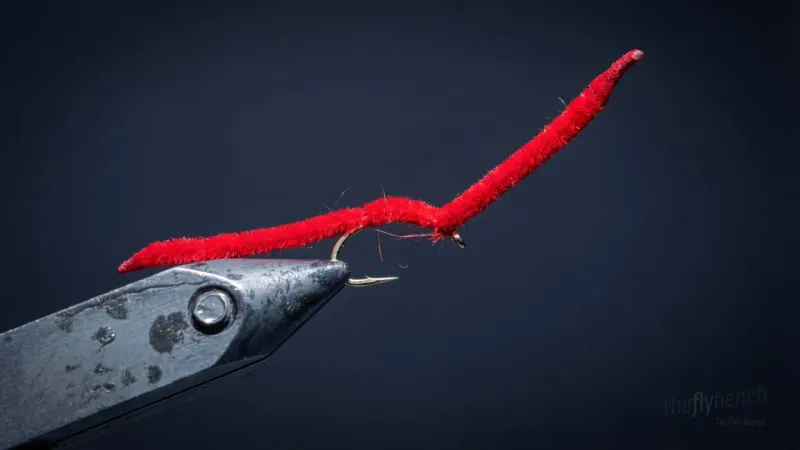
A western Pennsylvania pattern tied to Loyalhanna Creek, most often credited to Russ Mowry and Ken Igo, with Charlie Meck helping spread the name; some sources credit George Harvey instead. Trident's version adds a black tungsten bead and jig hook for faster sinking. Lock the chenille on top of the shank so the tail loop stays upright and does not spin.
Related patterns
Behavior & presentation
- Natural Behavior
- Bright green inchworms lose their grip on overhanging leaves in wind or rain and drop onto the surface, curling and slowly sinking as the current carries them along the bank.
- Where Trout Eat It
- Under tree canopies on small and mid-sized streams, where fish hold beneath leafy branches and watch for green larvae falling from above.
- How to Fish It
- Dead-drift close to the bank under a small indicator, or swap the indicator for a short tight line and let the bead tick bottom through deeper slots.
- Best Water
- Shaded banks under hardwoods, undercuts below overhanging limbs, pocket water behind boulders, and the soft seam where a riffle drops into a pool.
- Strike Type
- Trout often rush a bright chartreuse target, so expect a firm indicator dive or a sharp tap on the line rather than a gentle pause.
Fishing strategy
- Rigging Suggestions
- Run it on a 9-foot 4X leader under a small yarn indicator, or tie it as the point fly 18 inches below a larger nymph. In clear water it also works as the dropper beneath a foam terrestrial.
- Seasonal Timing
- Best from late May through August when inchworms hang from streamside trees, with a second window in fall. It also earns a spot in high, off-color spring water as a visible searching fly.
- Pro Tips
- Carry a few without beads for drifting just under the surface along shaded banks. When fish follow but refuse, drop down a size or try an olive version before giving up on the pattern.
Entomology
- Order
- Lepidoptera
- Family
- Geometridae
- Common name
- Inchworm
- Organism
- terrestrial
- Life stage
- larva
Pattern details
- Moving Water
- Northeast
- dead-drift
- indicator-nymph
- attractor
- searching-pattern
- beginner-friendly
- freestone