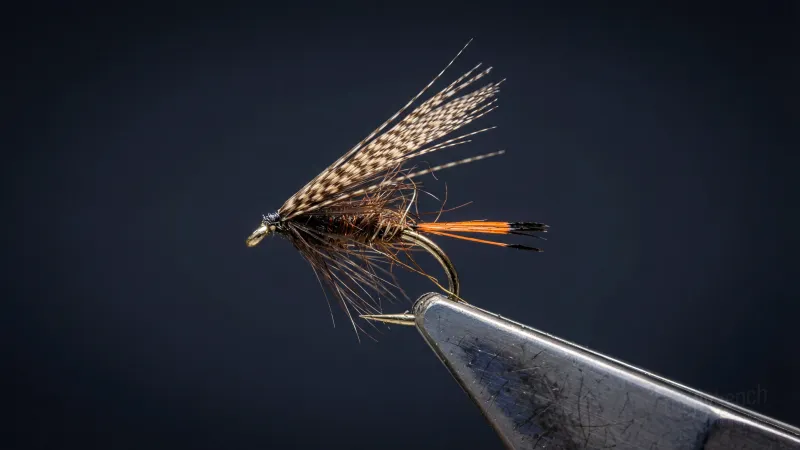
Dry FliesSunray Diawl Bach
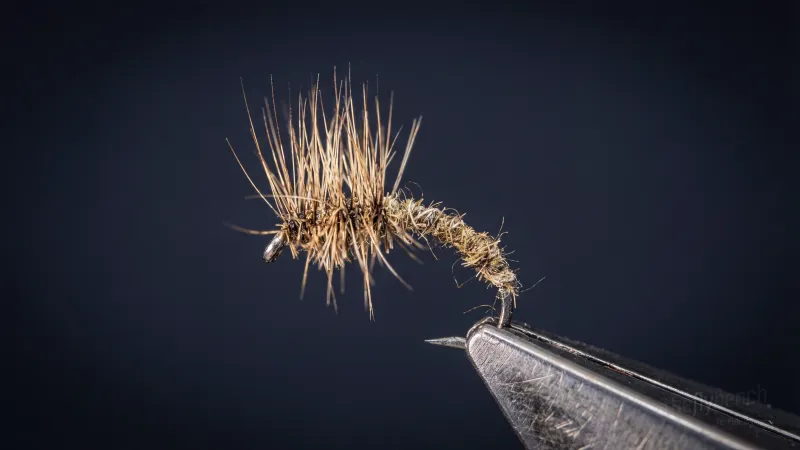
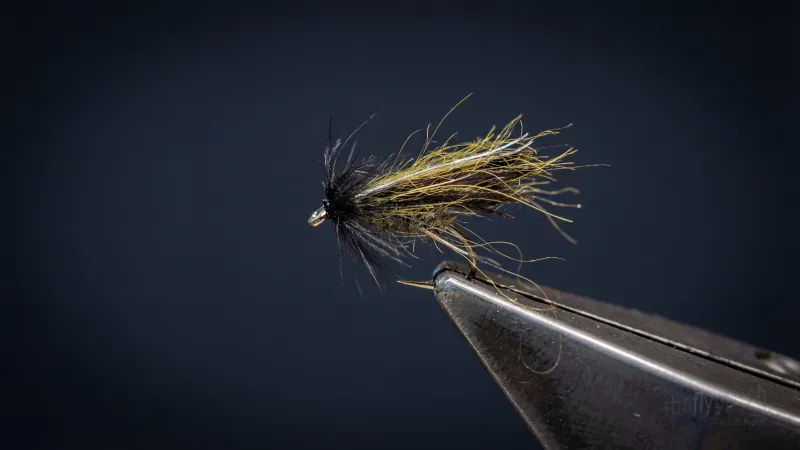
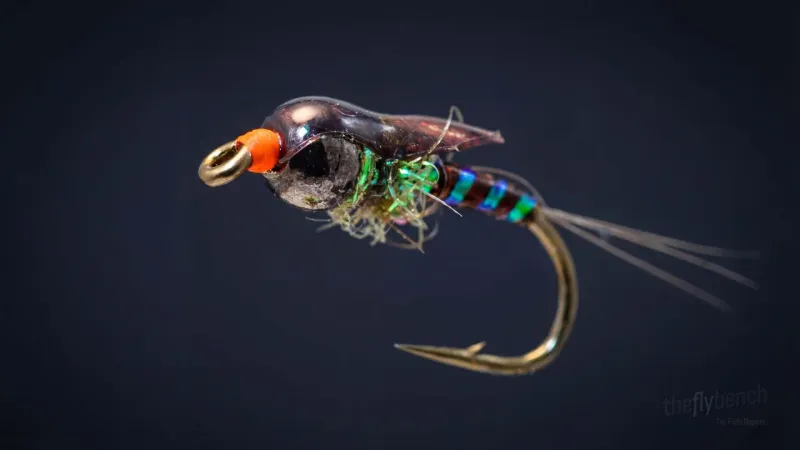
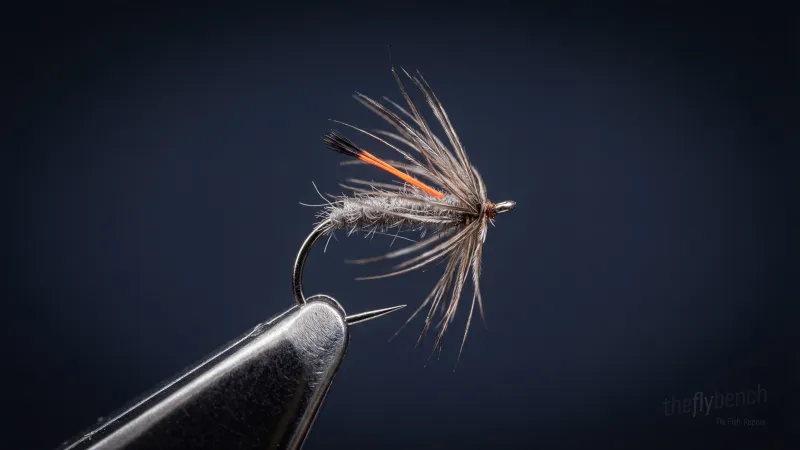
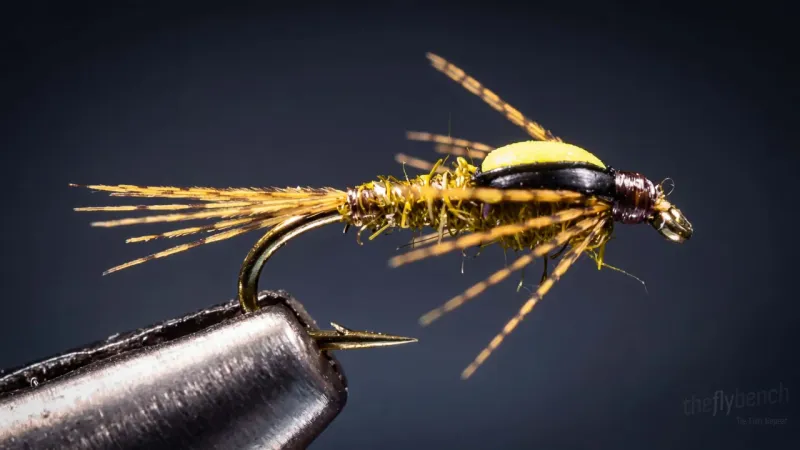
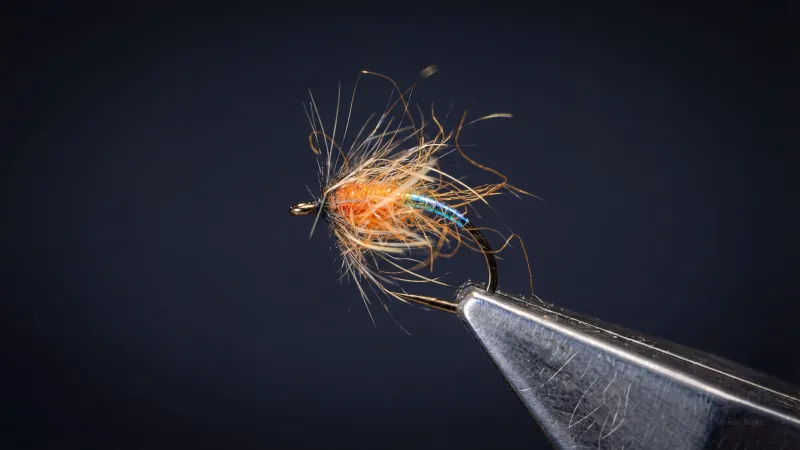
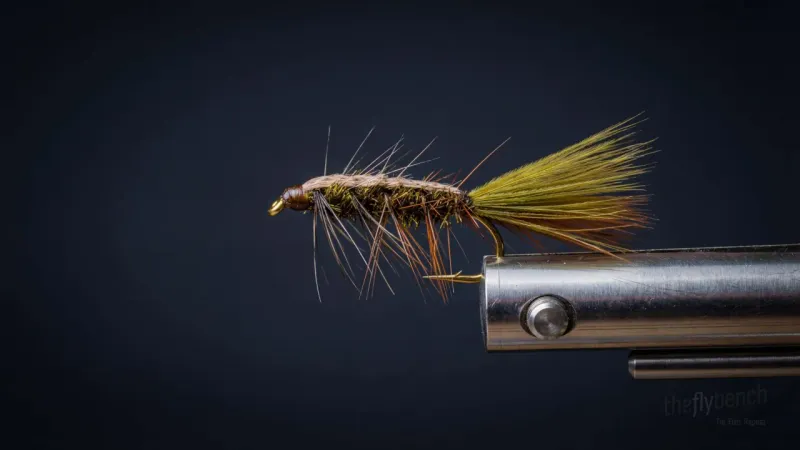
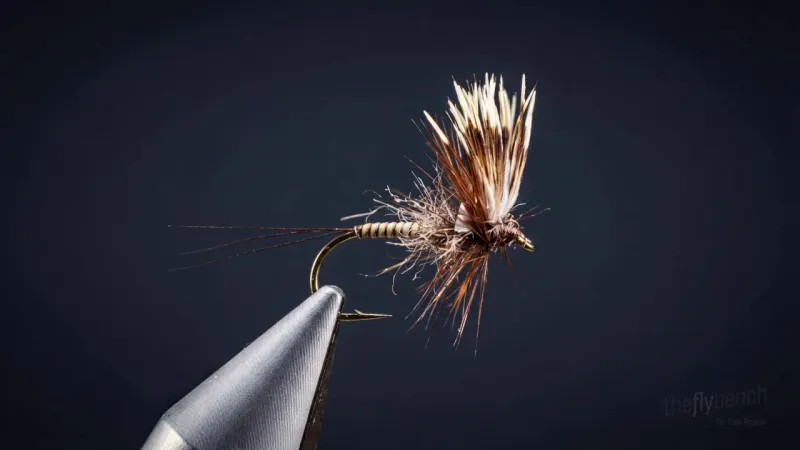
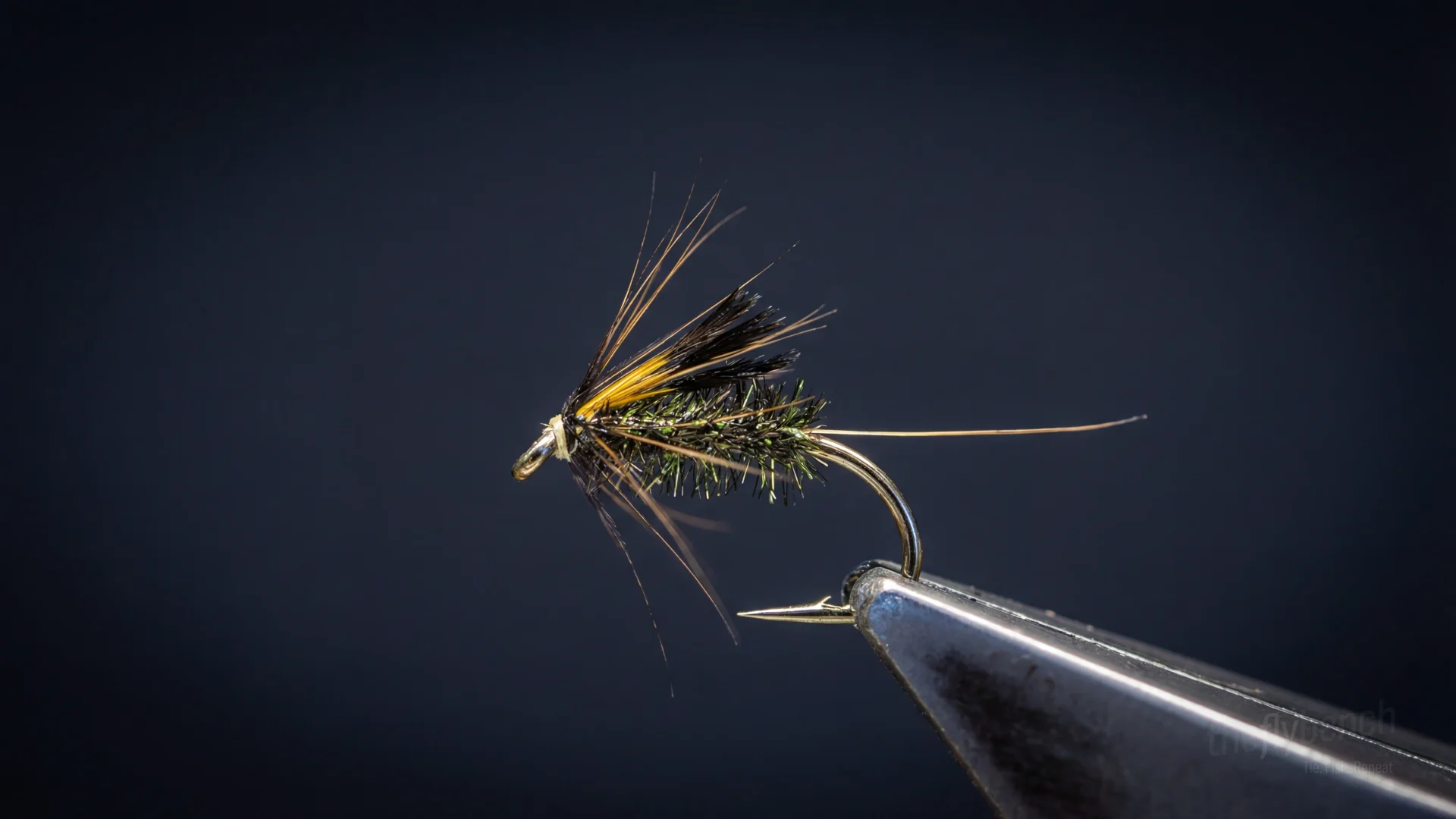
Hans Weilenmann's take on the diawl bach keeps the classic peacock herl body slim, ribbed with fine silver wire, and adds a short hot spot of golden yellow Lady Amherst tippets behind a skinny furnace hackle collar. The sparse build and bright trigger point work as a general mayfly or caddis pattern on moving water and stillwaters.
Spring, Summer, Fall
Intermediate
Trout
Feb 2026
Overview
The diawl bach is a Welsh stillwater staple, and Weilenmann's version stays true to its slim peacock body while adding a hot spot most traditional tyings skip, giving fish an extra visual cue in coloured or low light water. Keeping the hackle and herl skinny throughout is deliberate, producing a slender silhouette rather than the bushier profile some tyers favor. It covers a wide size range from 10 down to 16, making it adaptable across spring through fall hatches.
Where to Buy This Fly
We only link to fly shops we trust. Some links are referral links, which may earn us a commission at no extra cost to you.
Materials
- Hook:
- Kamasan B175 #10-16
- Thread:
- Benecchi 12/0, yellow
- Hackle:
- Hen or soft cock, furnace (or brown) - skinny
- Rib:
- Wire, fine silver
- Tail:
- Hackle barbs, furnace - skinny
- Body:
- Peacock herl, skinny
- Hot Spot:
- Lady Amherst tippets, dyed golden yellow - tied short
Behavior & Presentation
Natural Behavior: in lake environments, adult caddis become windblown onto the surface where they struggle against surface tension trying to regain flight. The extended struggles and helpless drifting make these insects prime targets for cruising trout in lakes and reservoirs.
Where Trout Eat It: Fish intercept emergers mid-column in lakes as they drift on-the-drop during slow retrieves. The bright golden yellow hot spot and peacock herl attract cruising trout patrolling various depths searching for ascending insects in British stillwaters.
How to Fish It: Use slow figure-of-eight retrieve with regular pauses to let the pattern sink and rise through the water column. Count 20-30 seconds after cast to reach depth, then twiddle slowly. Watch fly line for takes on-the-drop.
Best Water: Target drop-offs, shoals, and weed edges where buzzer hatches occur. Fish transition zones between shallow and deep water where trout cruise for emergers.
Strike Type: Takes on stillwater retrieves appear as sudden weight or a visible surface swirl when fish intercept the fly mid-column. Watch the fly line tip for subtle draws indicating takes on-the-drop during pauses.
Fishing Strategy
Rigging Suggestions: Fish on 9-12 foot leader with 4X-5X tippet. Can be used as the lead fly in a dry-dropper rig.
Seasonal Timing: Most effective during , , and hatches. Fish this pattern when conditions match the natural prey it imitates.
Pro Tips: Floats well with proper floatant application. The natural materials provide good visibility without spooking wary fish.
Entomology
In stillwater environments, adult caddis become windblown onto the surface where they struggle against surface tension trying to regain flight. The extended struggles and helpless drifting make these insects prime targets for cruising trout in lakes and reservoirs.
- Order
- Trichoptera
- Common Name
- Caddisfly
- Organism Type
- insect
- Life Stage
- adult