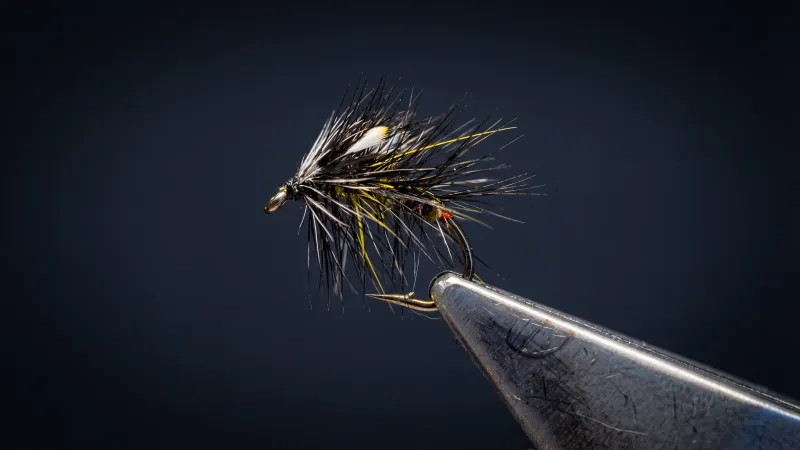
Dry FliesBrahma Ruffian
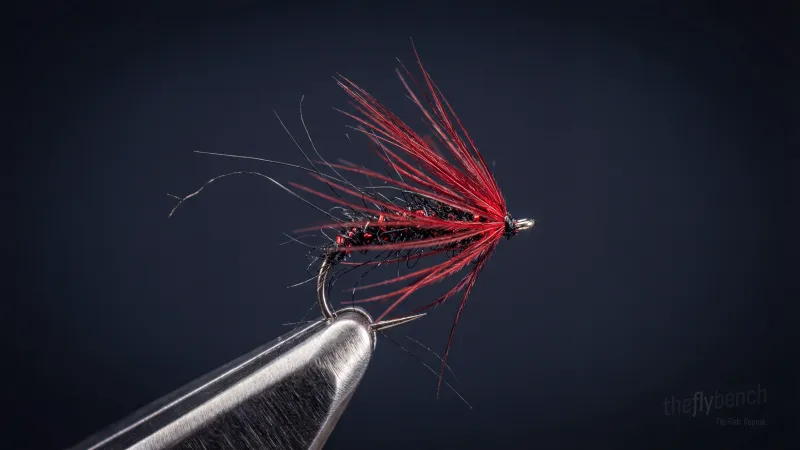
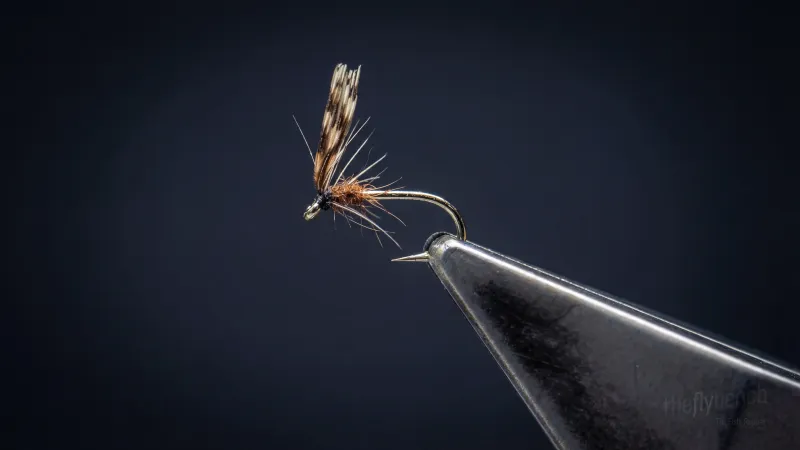
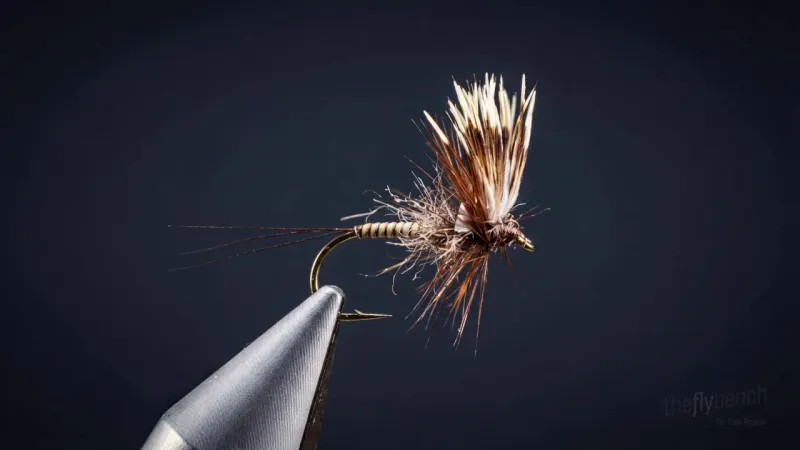
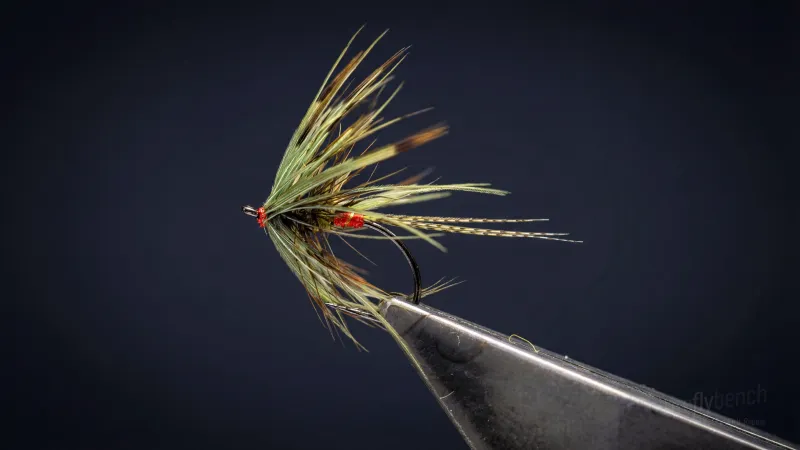
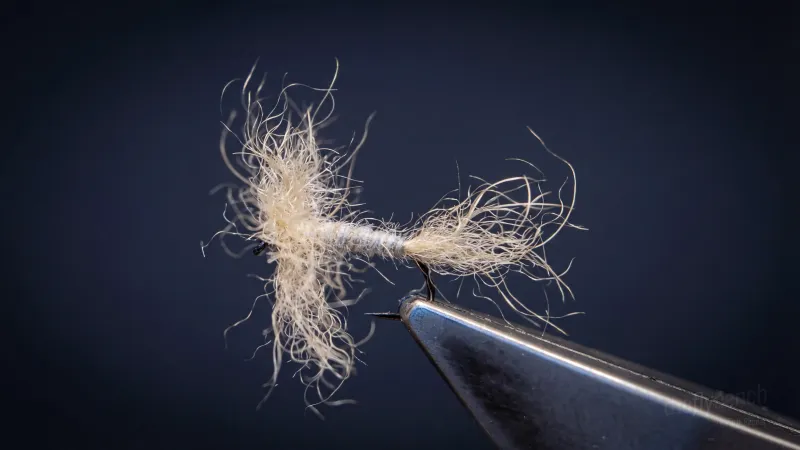
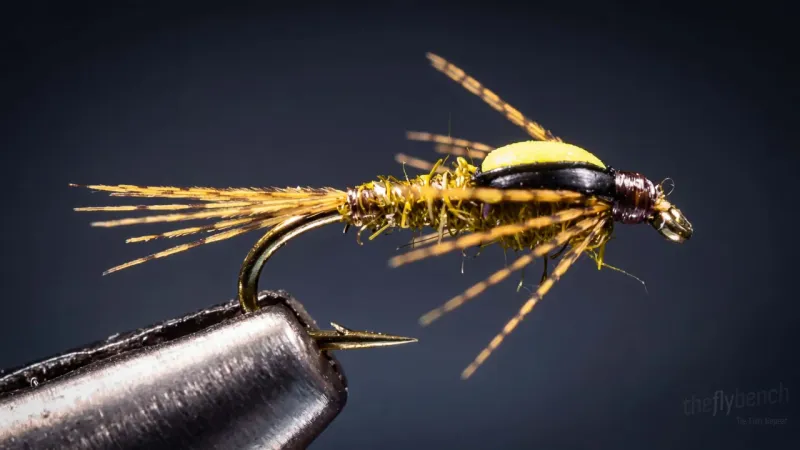
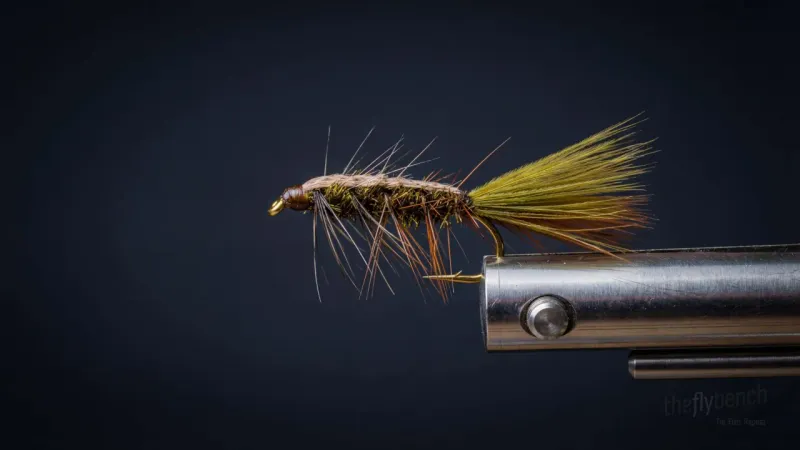
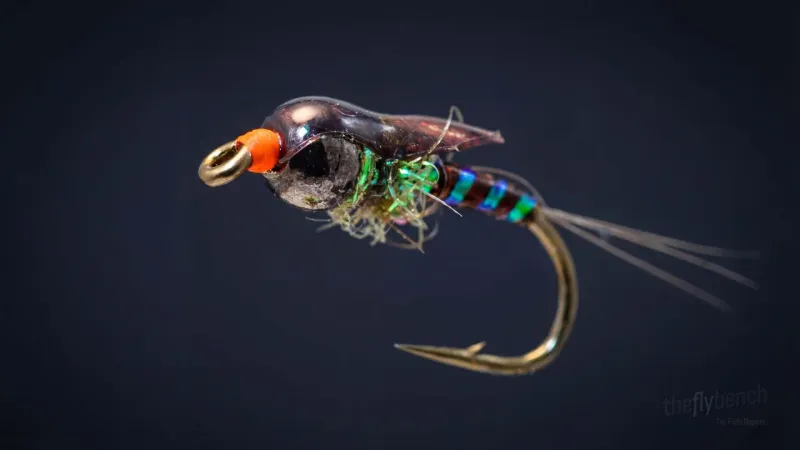
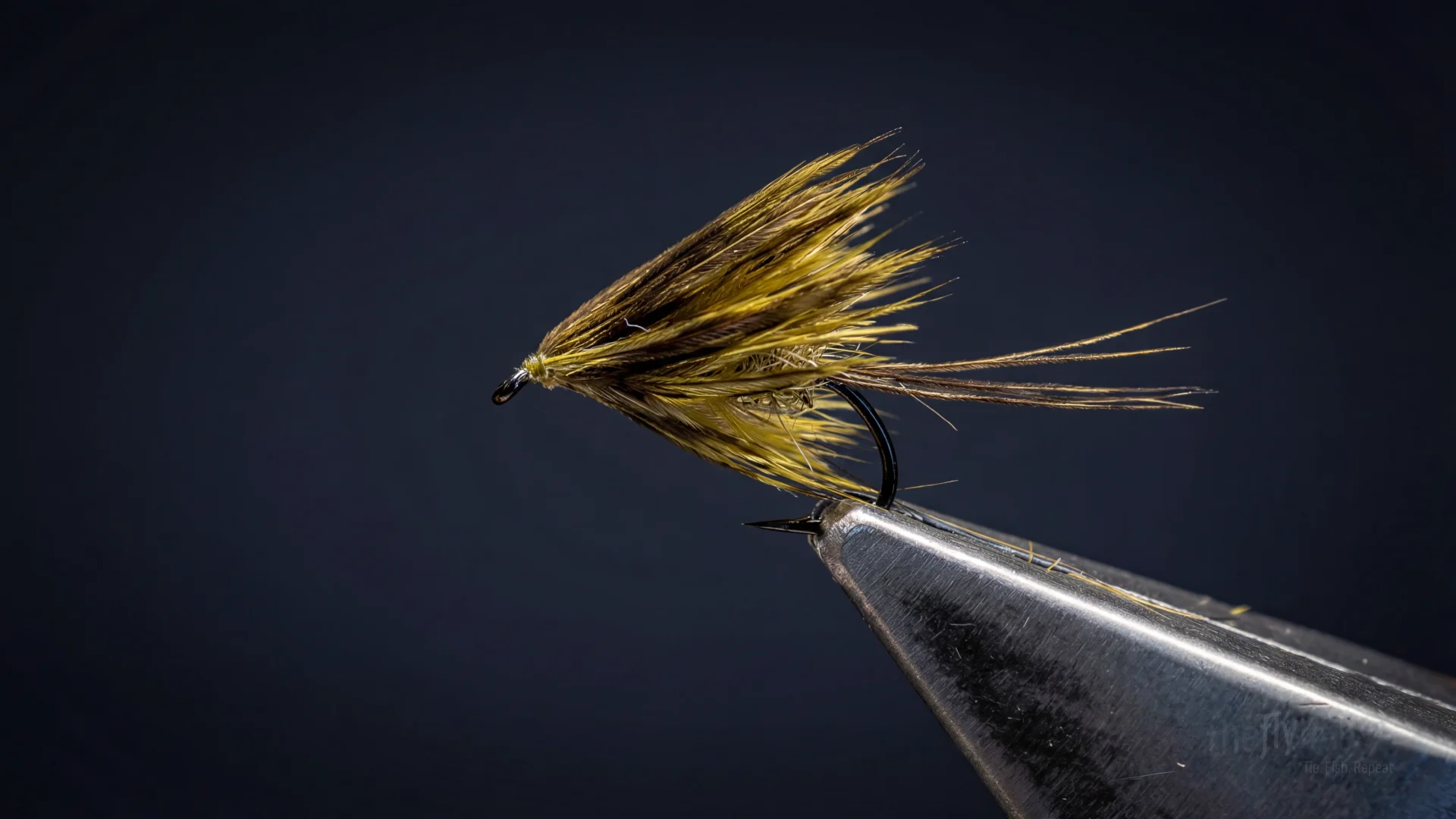
Hans Weilenmann's Brahma Ruffian builds an all-olive dressing from Whiting Brahma hen saddle hackle, tail, and after-shaft thorax feather over a dyed squirrel abdomen, giving the small size 15 fly a soft, mobile texture. The after-shaft feather adds movement at the thorax without extra bulk, suiting caddis or mayfly activity on moving water and stillwater.
Spring, Summer, Fall
Intermediate
Trout
Feb 2026
Overview
Weilenmann leaned on the Brahma hen saddle's unusual after-shaft feathers, the soft secondary plumes that grow beneath the main hackle, to build a mobile, fibrous thorax that behaves differently from standard dubbing. Dyed squirrel forms the abdomen for a slightly translucent olive base, while more Brahma hackle barbs form the tail and a sparse collar hackle up front. Tied small on a size 15 Tiemco 102Y, it gives trout a softer, buggier silhouette worth trying where fish have grown wary of stiffer, more conventional dressings.
Where to Buy This Fly
We only link to fly shops we trust. Some links are referral links, which may earn us a commission at no extra cost to you.
Materials
- Hook:
- Tiemco 102Y #15
- Thread:
- Benecchi 12/0, olive
- Hackle:
- Whiting Brahma hen saddle, dyed olive
- Tail:
- Whiting Brahma hen saddle barbs, dyed olive
- Abdomen:
- Squirrel, dyed olive
- Thorax:
- Whiting Brahma saddle after shaft feather, dyed olive
Behavior & Presentation
Natural Behavior: Caddis become trapped in eddies and foam lines after emergence, accumulating in visible concentrations that create efficient feeding stations.
Where Trout Eat It: Fish patrol foam lines, eddies, and current breaks where trapped caddis collect, offering concentrated feeding opportunities in broken water.
How to Fish It: Cast into pocket water and broken runs where the collar's movement attracts attention. Dead drift with natural current activation.
Best Water: Target foam lines in eddies, pocket water behind boulders, riffle edges with turbulence, and current breaks.
Strike Type: Expect aggressive strikes as fish react to movement and visible profile in broken water.
Fishing Strategy
Rigging Suggestions: Fish on 9-12 foot leader with 4X-5X tippet. Heavier tippet supports the robust pattern and handles aggressive strikes from large fish in fast water.
Seasonal Timing: Most effective during high-water periods April through June when aggressive feeding occurs, and again during terrestrial season July through September. Prime during water temperatures 50-65°F.
Pro Tips: The webby collar pulses naturally in current, creating lifelike movement. Apply floatant liberally to maintain surface position in choppy water and through multiple fish or extended drift periods.
Entomology
Caddisflies navigate through surface currents after emergence, often getting trapped in eddies and foam lines where they accumulate in visible concentrations. Fish patrol these collection zones because the concentrated insects provide efficient feeding stations where multiple prey items are available within a small area.
- Order
- Trichoptera
- Common Name
- Caddisfly
- Organism Type
- insect
- Life Stage
- adult