



Overview
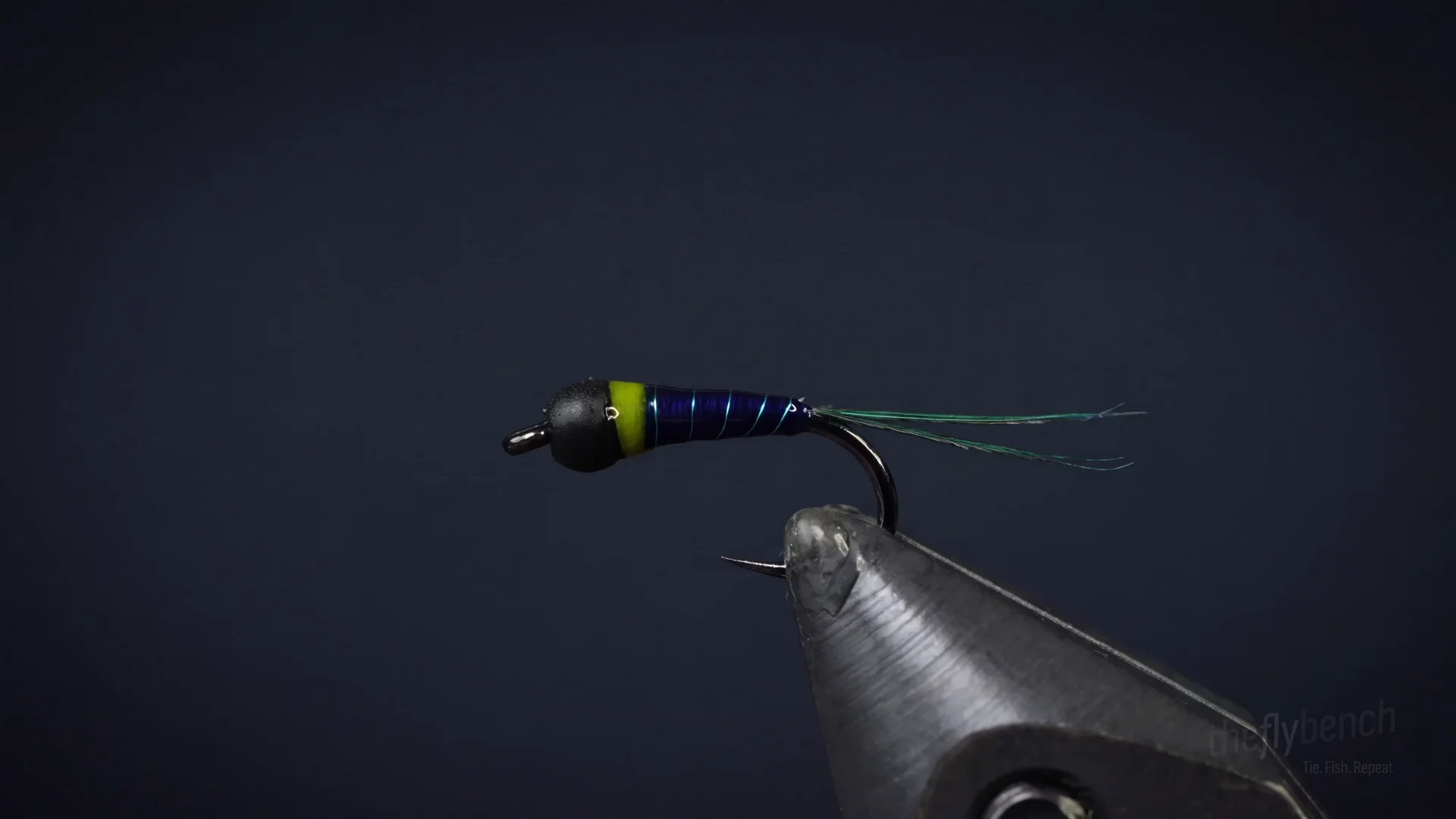
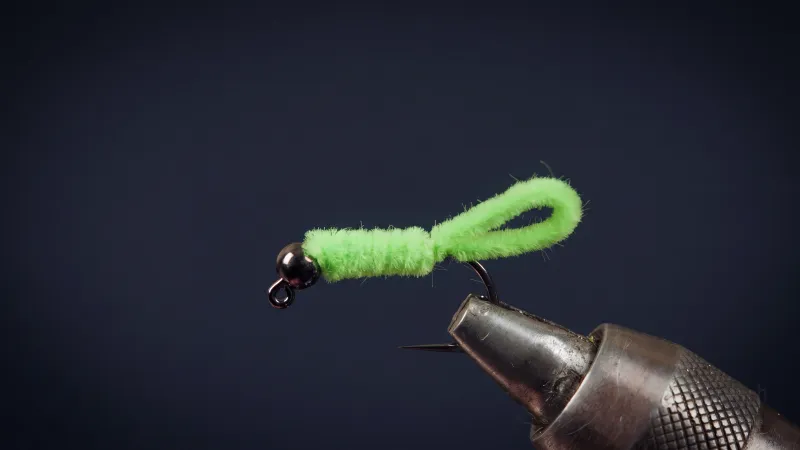
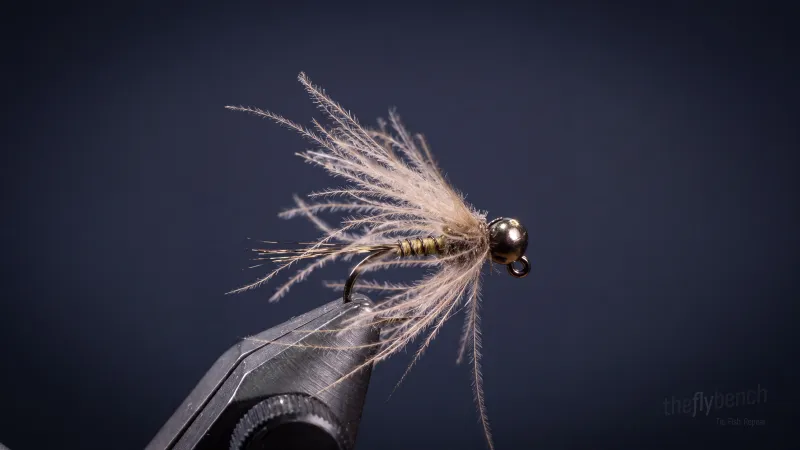
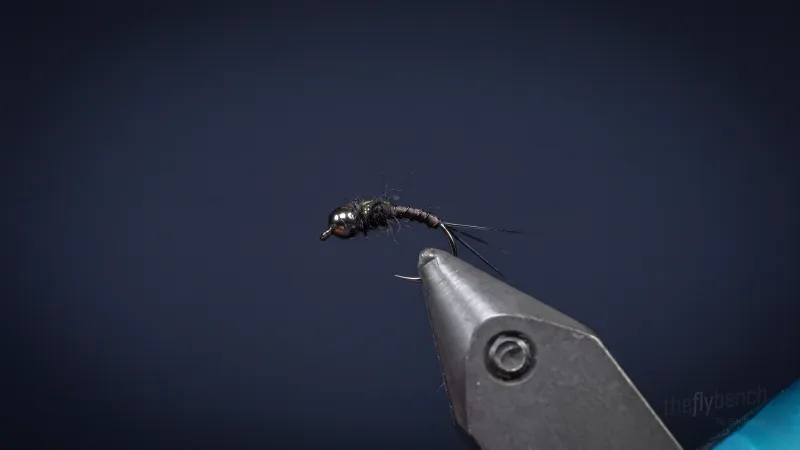
Spencer Higa started tying the Blue Angel while guiding in eastern Utah, where he wanted a nymph that would sink fast in quick water and pass for the many nymphs clients saw through the season. He kept the blue subdued, pairing navy thread with dyed pheasant tail. The resin coat makes the fly tougher and helps it sink faster.
Related patterns
Behavior & presentation
- Natural Behavior
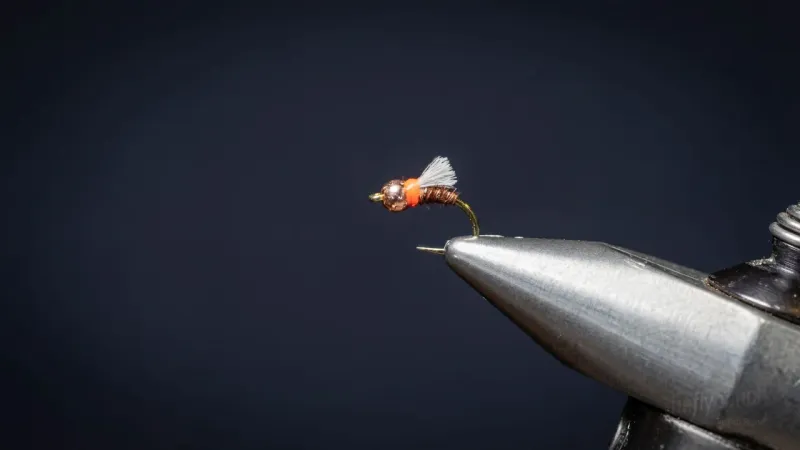
- Small mayfly, midge and stonefly nymphs come loose from the stones throughout the year and drift as thin, dark shapes with clear segments. A slim, ribbed body with one bright band reads as food to trout that have not keyed on one bug.
- Where Trout Eat It
- In rivers, trout hold low in quick current and take whatever small nymph rolls past within a foot of the bottom. In mountain lakes, cruisers pick off nymphs suspended just off the weed tops.
- How to Fish It
- Dead-drift it on a tight line or under an indicator, letting the bead and resin shell punch through fast water before the drift starts. In lakes, hang it under an indicator and let wind chop move it.
- Best Water
- Fast seams beside boulders, the drop-off below a riffle, pocket water, and in lakes the edge of a weed bed or a shoal drop-off.
- Strike Type
- A short stop or sideways twitch on the sighter in fast water; in lakes the indicator often sinks slowly or simply stops bobbing.
Fishing strategy
- Rigging Suggestions
- Fish it as the point fly on a euro rig with 5X-6X fluorocarbon, or drop it 18 inches below a larger nymph under an indicator. In lakes, set the indicator so the fly hangs a foot or two above the bottom or weeds.
- Seasonal Timing
- Fishes year round. It shines when you cannot tell what is hatching, and in high mountain lakes during the short summer after ice-out.
- Pro Tips
- Keep the thread body thin and tapered so the resin coat stays slim. Carry it in sizes 12-18 and go smaller and lighter for clear, slow water.
Entomology
Small aquatic nymphs of many kinds drift free of the bottom throughout the year, especially at low light and before hatches. Trout feeding on this mixed drift take any slim, segmented shape of the right size, so a general nymph with one bright trigger point draws strikes when no single insect dominates.
- Common name
- General Nymph
- Organism
- attractor
- Life stage
- nymph
Pattern details
- Moving Water
- Stillwater
- Rocky Mountain
- dead-drift
- indicator-nymph
- tight-line-nymph
- attractor
- searching-pattern
- modern