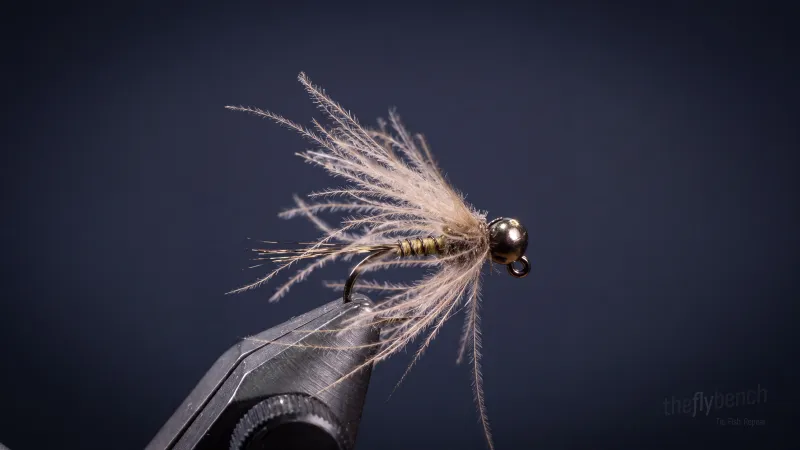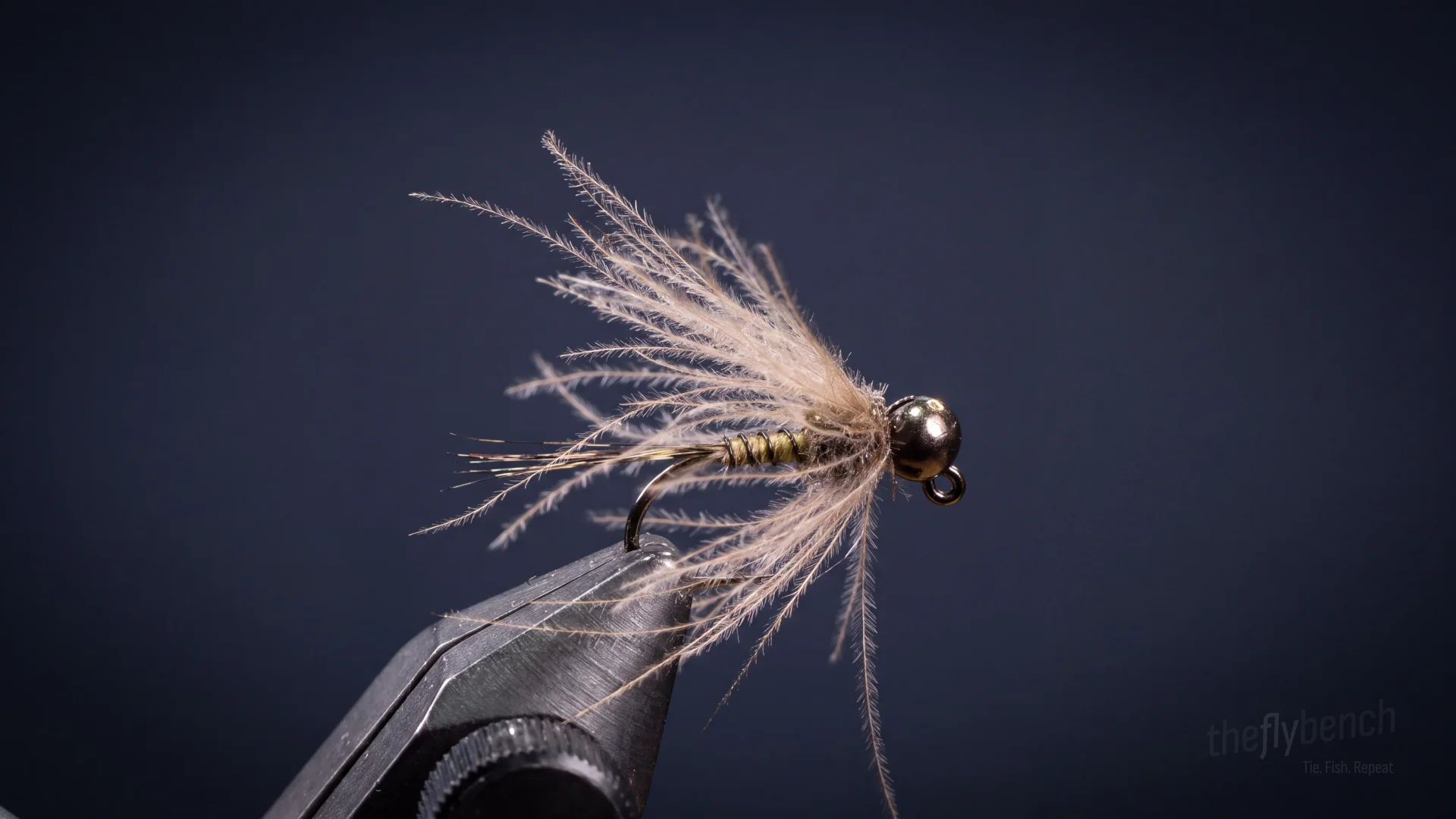
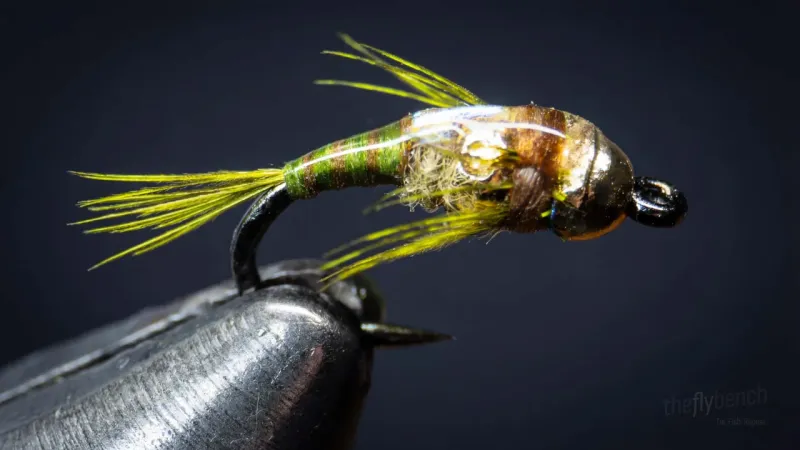
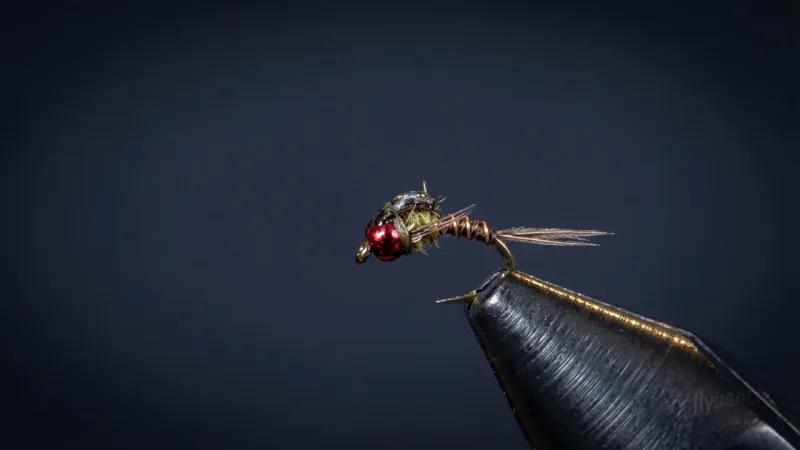
Overview
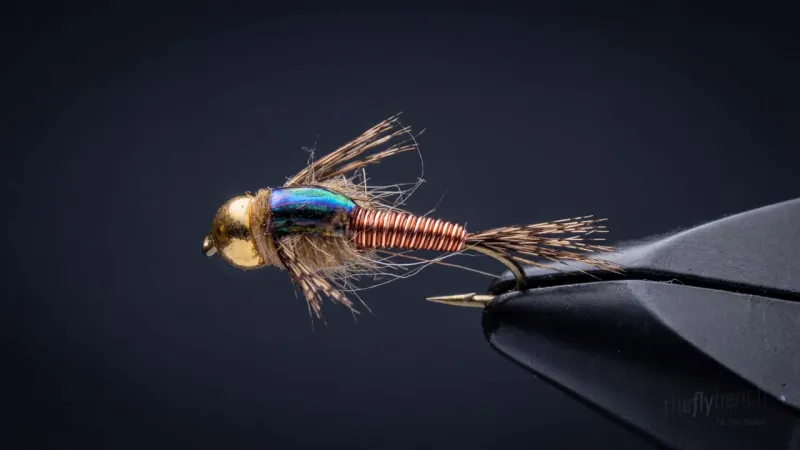
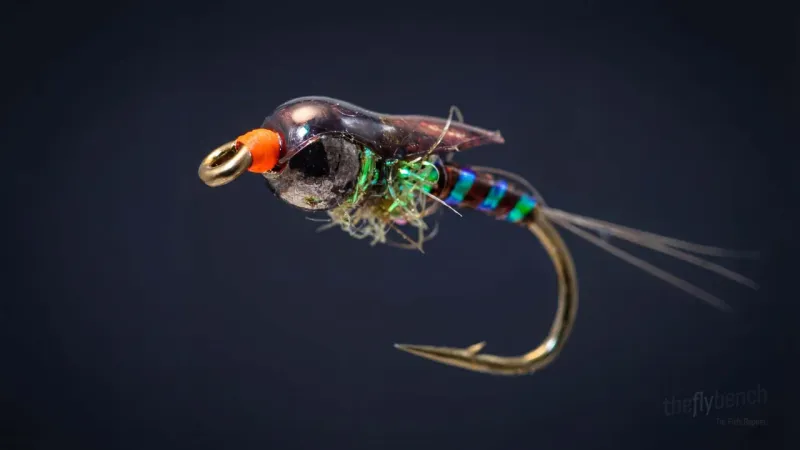
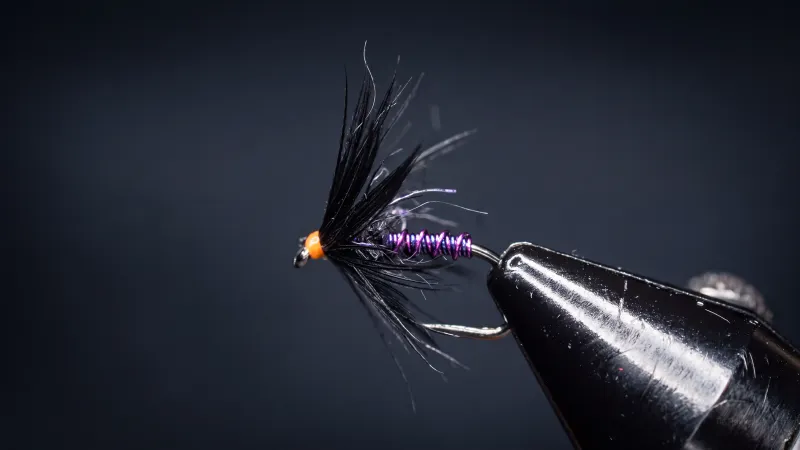
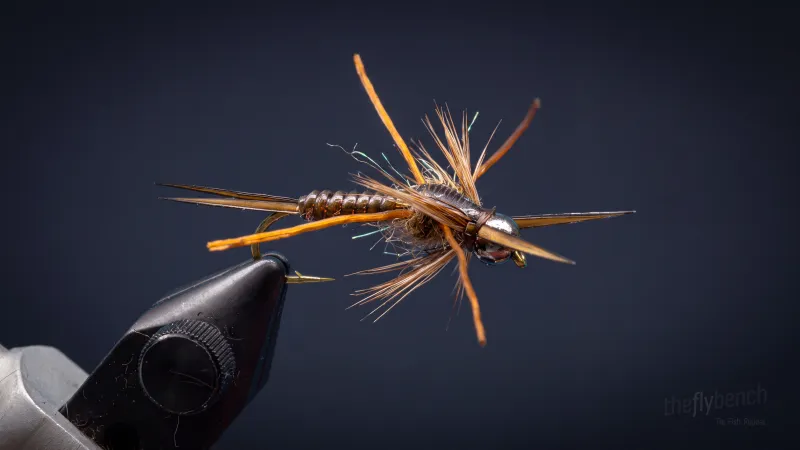
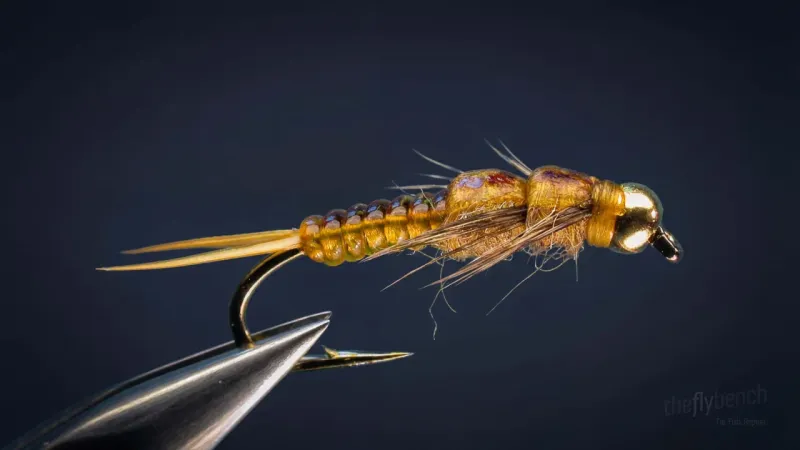
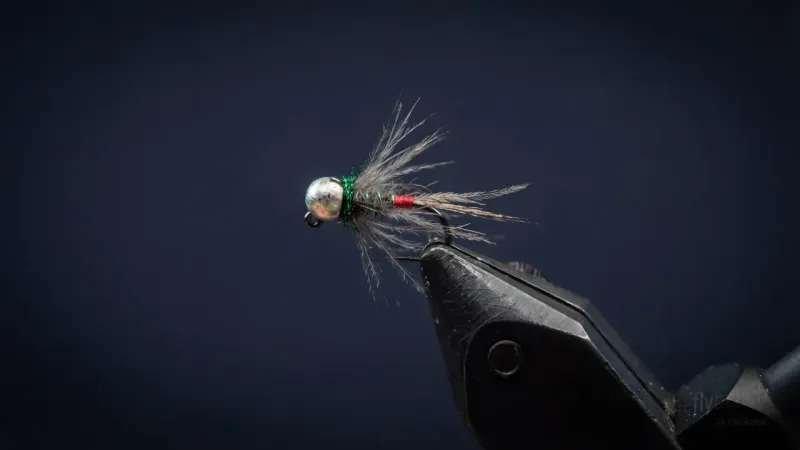
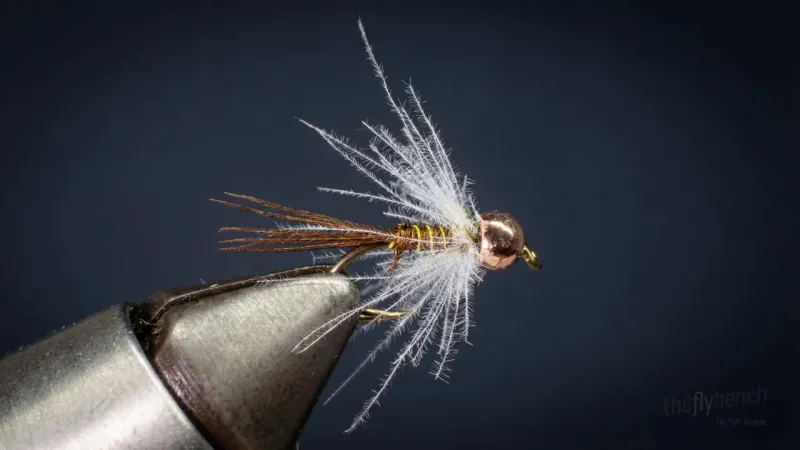
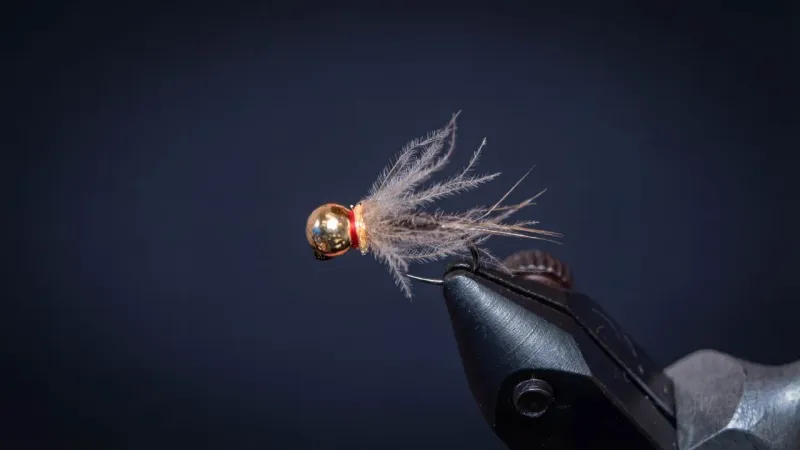
Dakota Angler & Outfitter in Rapid City, South Dakota, shared this pattern in a 2026 tying video. The biot is counter-wrapped with fine wire, and changing which way the biot is wrapped changes how the segments show. The bead is locked with thread and UV resin. Keep the CDC collar sparse so it moves without slowing the sink. A size 14 with a 3.0mm bead is a good starting point, and bead size sets the depth.
Related patterns
Behavior & presentation
- Natural Behavior
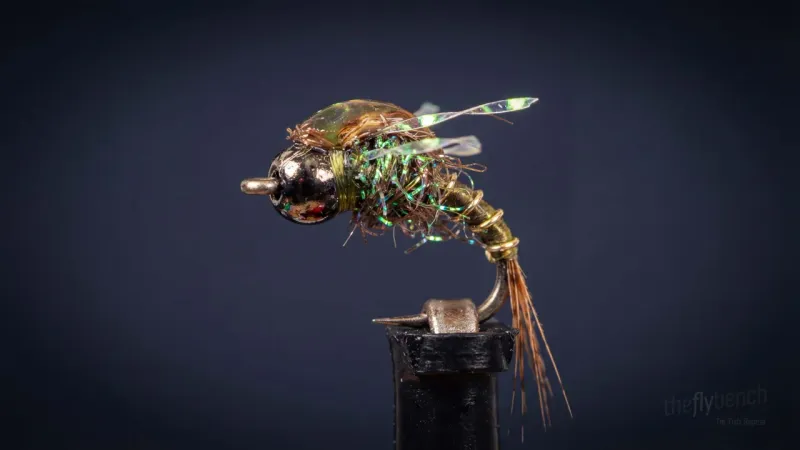
- Mature mayfly nymphs with swollen, darkened wing pads get restless before emerging, letting go of the stones and drifting low with legs splayed and gills working.
- Where Trout Eat It
- Along the bottom of riffles and runs, where trout hold just off the stones and pick off nymphs drifting through their lane before a hatch.
- How to Fish It
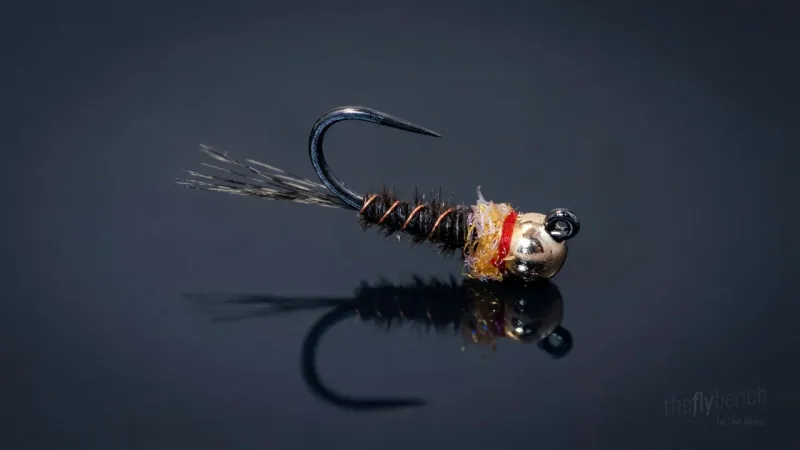
- Dead drift it as the point fly on a tight-line rig, or under a small indicator with the bead doing the work instead of split shot. The jig hook rides point up, so it can tick the stones without hanging up.
- Best Water
- Riffle drop-offs into deeper runs, inside seams beside fast current, and gravel tail-outs where the CDC collar keeps moving even in slower flow.
- Strike Type
- A short pause or sideways slide of the sighter as the fly stops ticking bottom. Set on any change in the drift.
Fishing strategy
- Rigging Suggestions
- Fish it as the point fly on a Euro leader with 5X or 6X fluorocarbon tippet and a smaller nymph or midge on a tag above. Match bead size to depth and current rather than adding weight.
- Seasonal Timing
- Best from spring through fall when mayfly nymphs are mature and moving before hatches, with the strongest days ahead of Baetis emergences in spring and fall.
- Pro Tips
- Carry it in sizes 14 to 18 with two or three bead sizes per hook size. Smaller beads keep it drifting naturally in shallow riffles, and heavier beads take it down fast in deeper runs.
Entomology
- Order
- Ephemeroptera
- Common name
- Mayfly
- Organism
- insect
- Life stage
- nymph
Pattern details
- Moving Water
- Rocky Mountain
- dead-drift
- tight-line-nymph
- indicator-nymph
- jigging
- baetis-hatch
- modern
- searching-pattern