Dry FliesLil' Dorothy
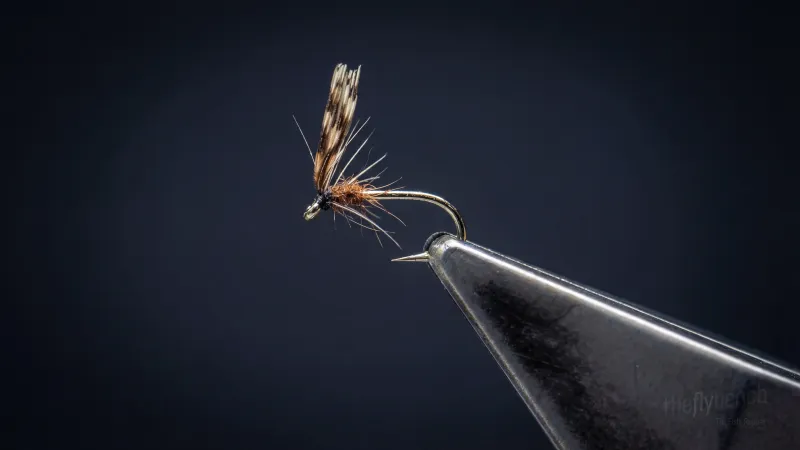
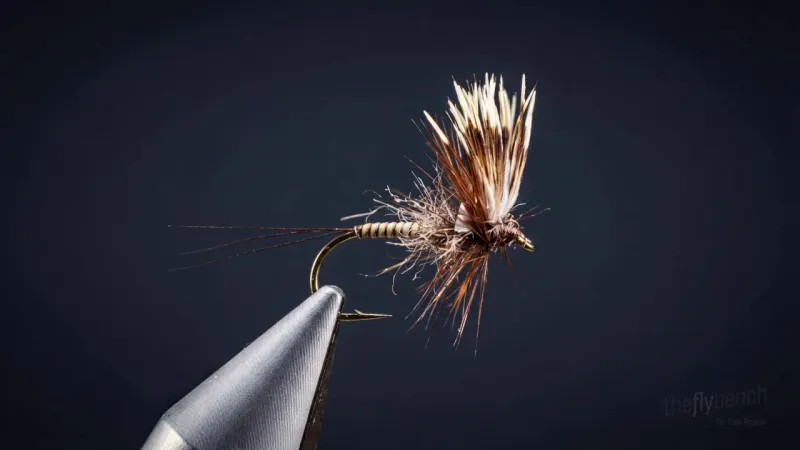
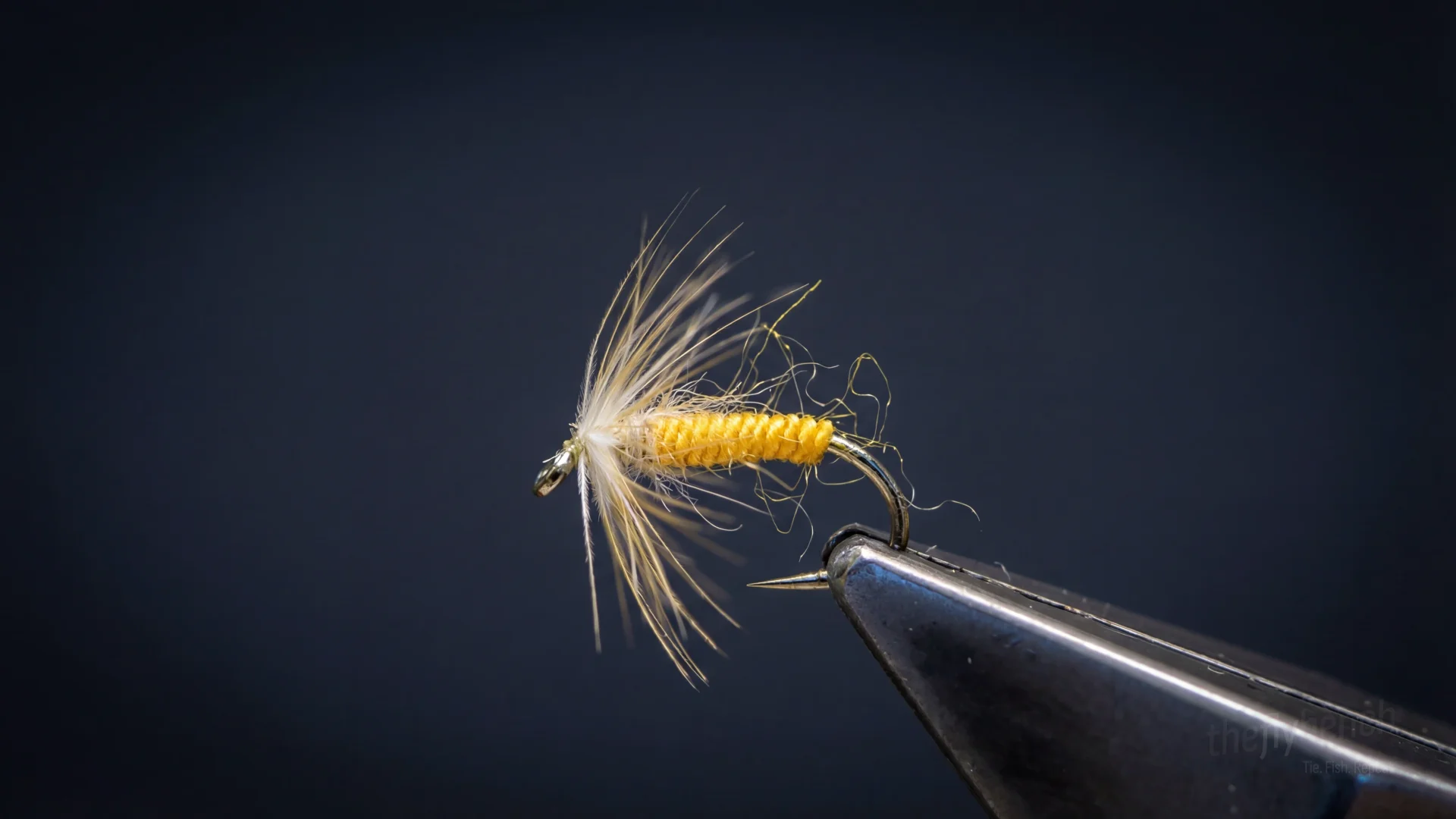
Mark Libertone's Lil' Dorothy imitates mayflies and caddis with an abdomen of single-ply light orange embroidery yarn, a soft creamy ginger hen hackle, and a cream hare underfur thorax. The pale body and evenly spaced hackle barbs suit slow currents and stillwater surface feeds through the summer months.
Spring, Summer, Fall
Intermediate
Trout
Feb 2026
Overview
Libertone chose embroidery yarn for the abdomen instead of dubbing, giving the body a smooth, even taper that's quick to tie and holds its shape once wet. The creamy ginger hen hackle is soft enough to breathe on the water without over-supporting the fly, so it settles low like a natural rather than perching high on stiff cock hackle. It's a straightforward pattern that reads well whenever trout are keying on the general shape of a mayfly or caddis rather than a specific hatch.
Where to Buy This Fly
We only link to fly shops we trust. Some links are referral links, which may earn us a commission at no extra cost to you.
Materials
- Hook:
- Kamasan B175 #14
- Thread:
- Benecchi 12/0, yellow
- Hackle:
- Hen, creamy ginger
- Abdomen:
- Embroidery yarn, single ply - light orange
- Thorax:
- Hare underfur, cream
Behavior & Presentation
Natural Behavior: Small mayflies and caddis ride the surface film during emergence, wings drying while bodies float vulnerably. Delicate profiles match technical feeding situations.
Where Trout Eat It: Selective feeders cruise slicks and foam lines, sipping small adults from calm water.
How to Fish It: Present with ultra-delicate drag-free drifts through technical water and selective feeders.
Best Water: Slicks, tail-outs, flat water, and seams in spring creeks with highly selective trout.
Strike Type: Subtle sips with minimal rise forms as selective fish take small prey with precision.
Fishing Strategy
Rigging Suggestions: Use a 9-12 foot leader tapering to 5X tippet for delicate presentations. Apply floatant to the body and hackle.
Seasonal Timing: Most effective during peak feeding periods at dawn and dusk. Water temperatures between 45-65°F typically produce best results.
Pro Tips: The low-riding profile makes this pattern effective during spinner falls when trout are feeding on spent insects flush in the film.
Entomology
Adult caddis flutter weakly on the surface after exhausting themselves during prolonged mating swarms, their wings becoming waterlogged and preventing takeoff as they drift helplessly. Trout target these spent insects during late-evening periods because the disabled caddis cannot escape, and their concentration in surface drift lanes provides efficient feeding with minimal energy expenditure.
- Order
- Trichoptera
- Common Name
- Caddisfly
- Organism Type
- insect
- Life Stage
- adult