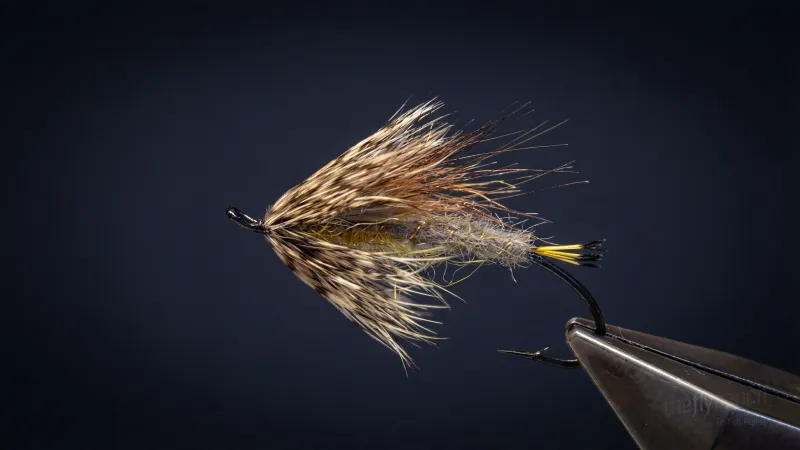
Dry FliesFer-de-Lance
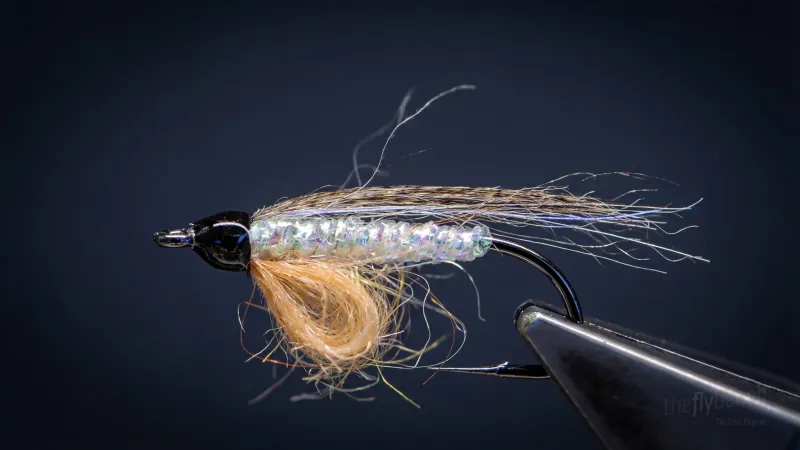
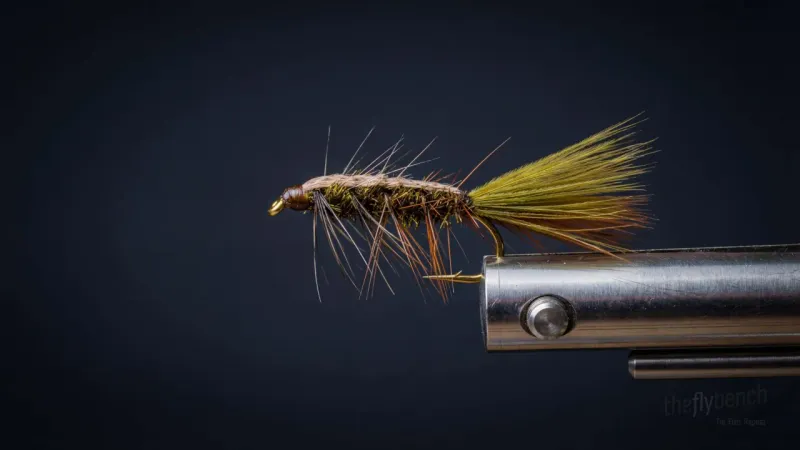
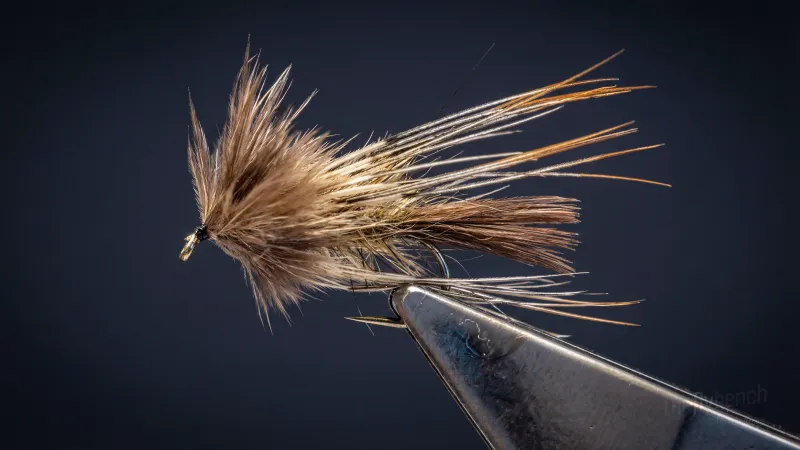
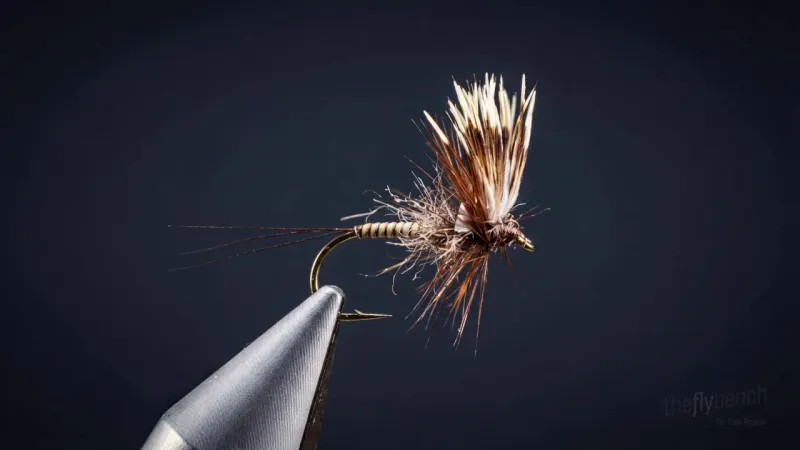
Hans Weilenmann's Fer-de-Lance matches the erratic flutter of a caddis skittering across the surface during an egg-laying run. A fox squirrel body spun in split thread lets the antique gold Pearsall's silk show through, finished with soft Coq de Leon hen hackle and tail.
Spring, Summer, Fall
Intermediate
Trout
Feb 2026
Overview
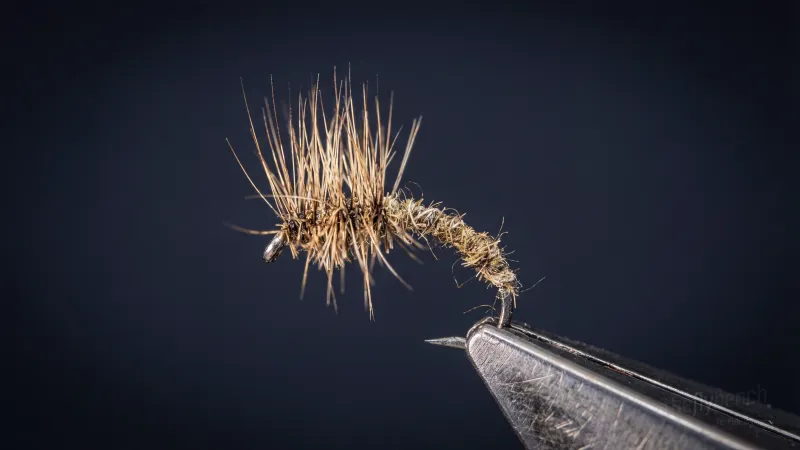
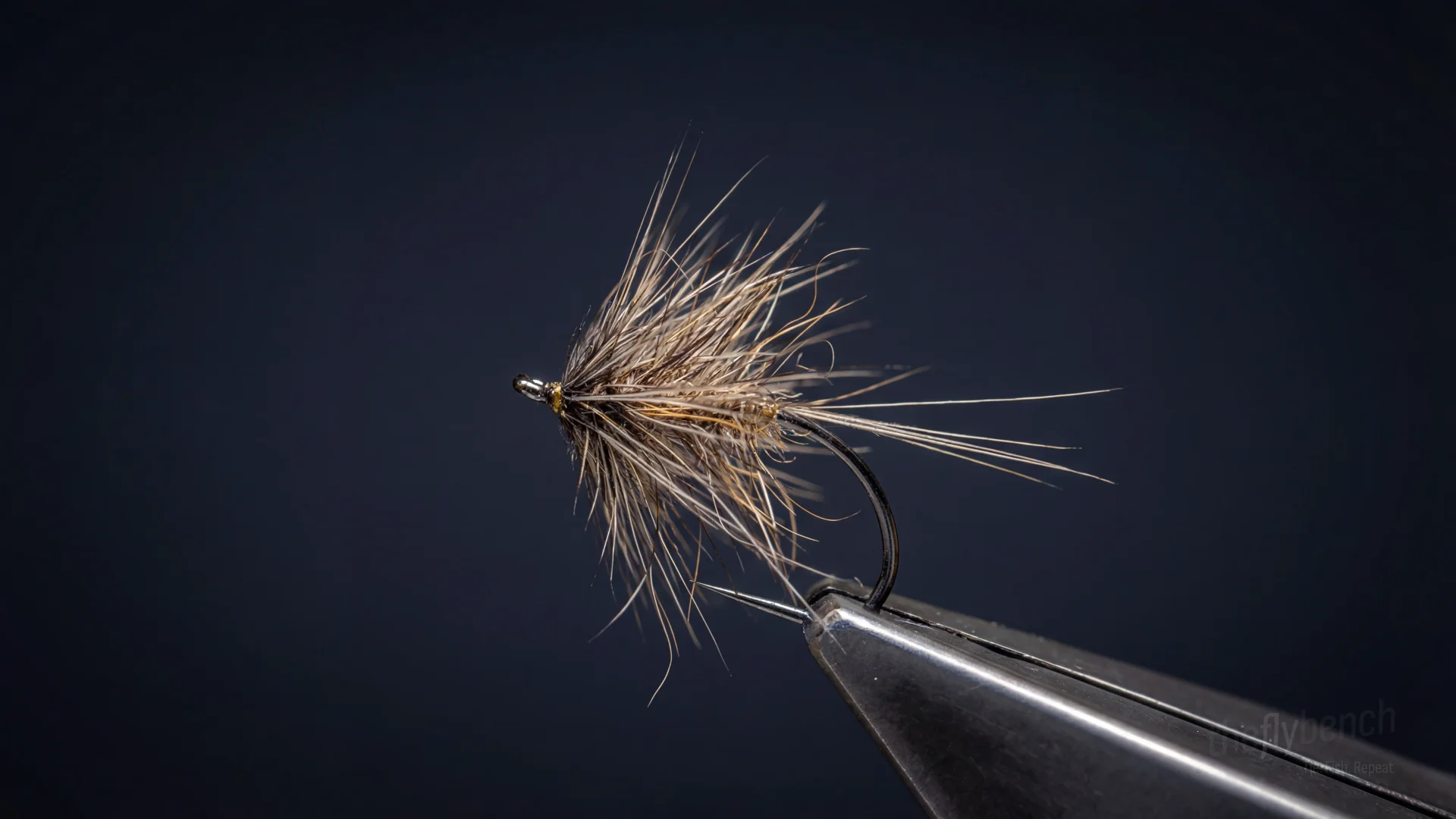
Hans Weilenmann used his split-thread dubbing technique on the Fer-de-Lance, spinning fox squirrel fur loosely enough that the antique gold Pearsall's Gossamer silk shows through the body for layered color. Soft Coq de Leon hen hackle and tail add movement without stiffness, keeping the fly responsive to a twitch or skate. It suits both a dead drift and an active retrieve on rivers and stillwaters whenever caddis are fluttering across the surface from spring through fall.
Where to Buy This Fly
We only link to fly shops we trust. Some links are referral links, which may earn us a commission at no extra cost to you.
Materials
- Hook:
- Grip 14723BL #12
- Thread:
- Pearsall's Gossamer, Antique Gold
- Hackle:
- Whiting Coq de Leon hen
- Tail:
- Whiting Coq de Leon hen barbs
- Body:
- Fox squirrel - in split thread, silk allowed to bleed through
Behavior & Presentation
Natural Behavior: Adult caddisflies skitter and bounce across the surface during egg-laying runs, their tent-shaped wings creating distinctive wakes and disturbances. The contrasting fox squirrel body with Coq de Leon hackle creates mottled, buggy movement suggesting the active, darting behavior of ovipositing Trichoptera.
Where Trout Eat It: Trout take this in BC stillwater shoals and river transition zones where mixed hatches create feeding windows.
How to Fish It: Cast across current with reach mend to achieve drag-free drift, letting contrasting materials trigger opportunistic strikes.
Best Water: Target stillwater shoals with drop-offs to 6-12 feet, inlet channels, and weed edges near shoreline structure.
Strike Type: Fish respond to surface activity with splashy rises or confident swirls; watch the disturbance pattern and set when the fly vanishes in the rise form.
Fishing Strategy
Rigging Suggestions: Fish on 9-12 foot leader with 4X-5X tippet. Balanced design maintains proper orientation across varied current speeds without constant mending.
Seasonal Timing: Most effective during hatches April through June and feeding September through October when water temperatures range 48-62°F. Transitional periods between hatches from mid-morning through afternoon produce reliable results.
Pro Tips: Contrasting materials create visual interest that triggers opportunistic feeding. The balanced hackle and wing proportions maintain stable flotation through complex currents, requiring less line management than standard dry flies.
Entomology
Adult caddisflies flutter and skitter erratically across the water surface during egg-laying runs, leaving distinctive wakes that draw immediate attention from feeding trout. Fish aggressively target these highly active insects because their rapid surface movements trigger predatory strikes, and caddis represent a high-calorie meal worth expending energy to catch.
- Order
- Trichoptera
- Common Name
- Caddisfly
- Organism Type
- insect
- Life Stage
- adult