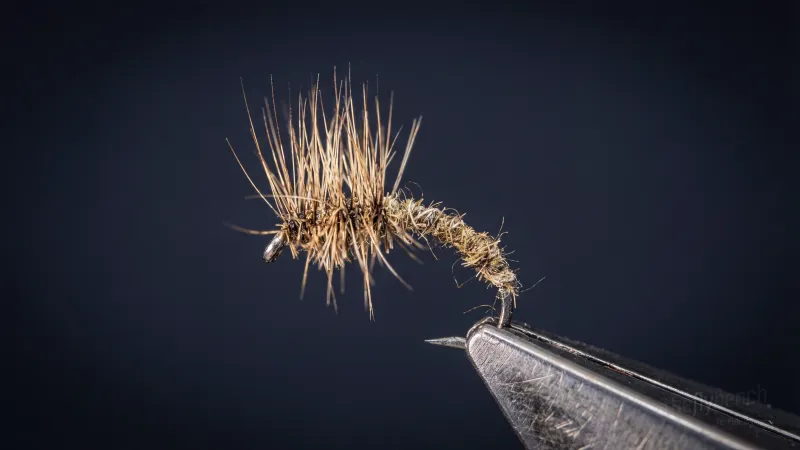
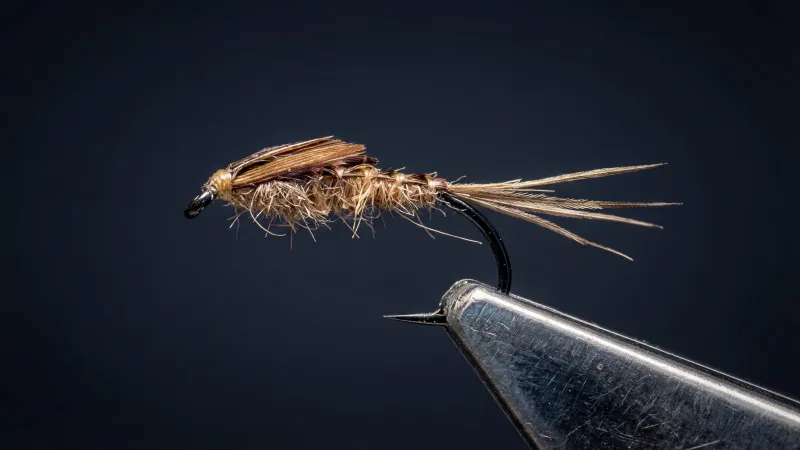
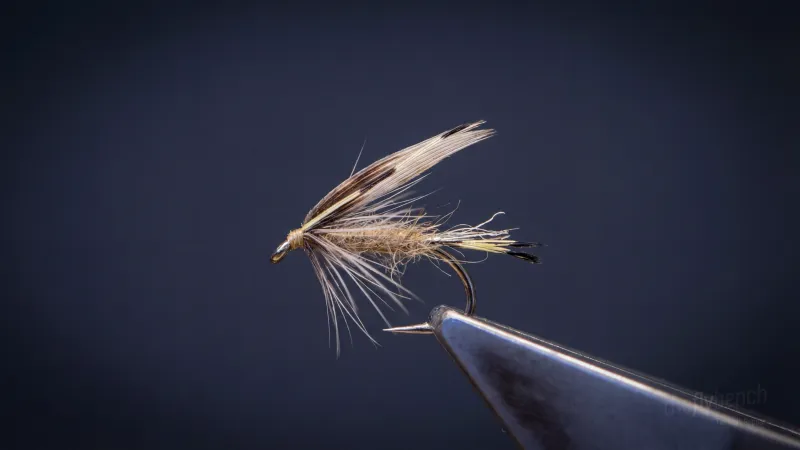
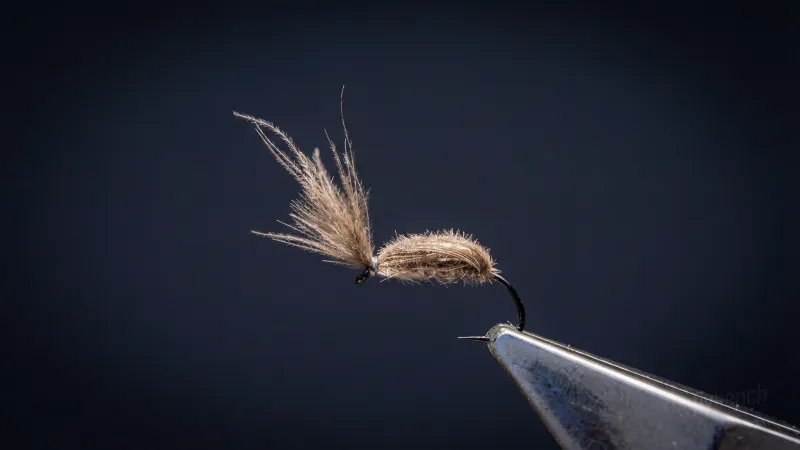
Dry FliesDark Watchet
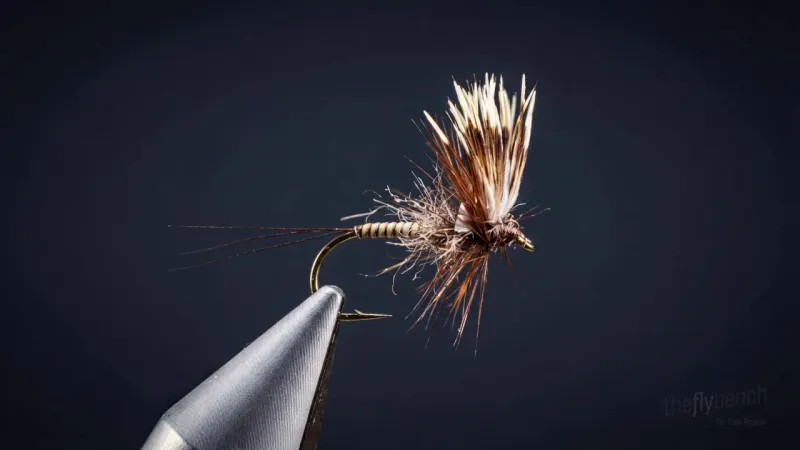
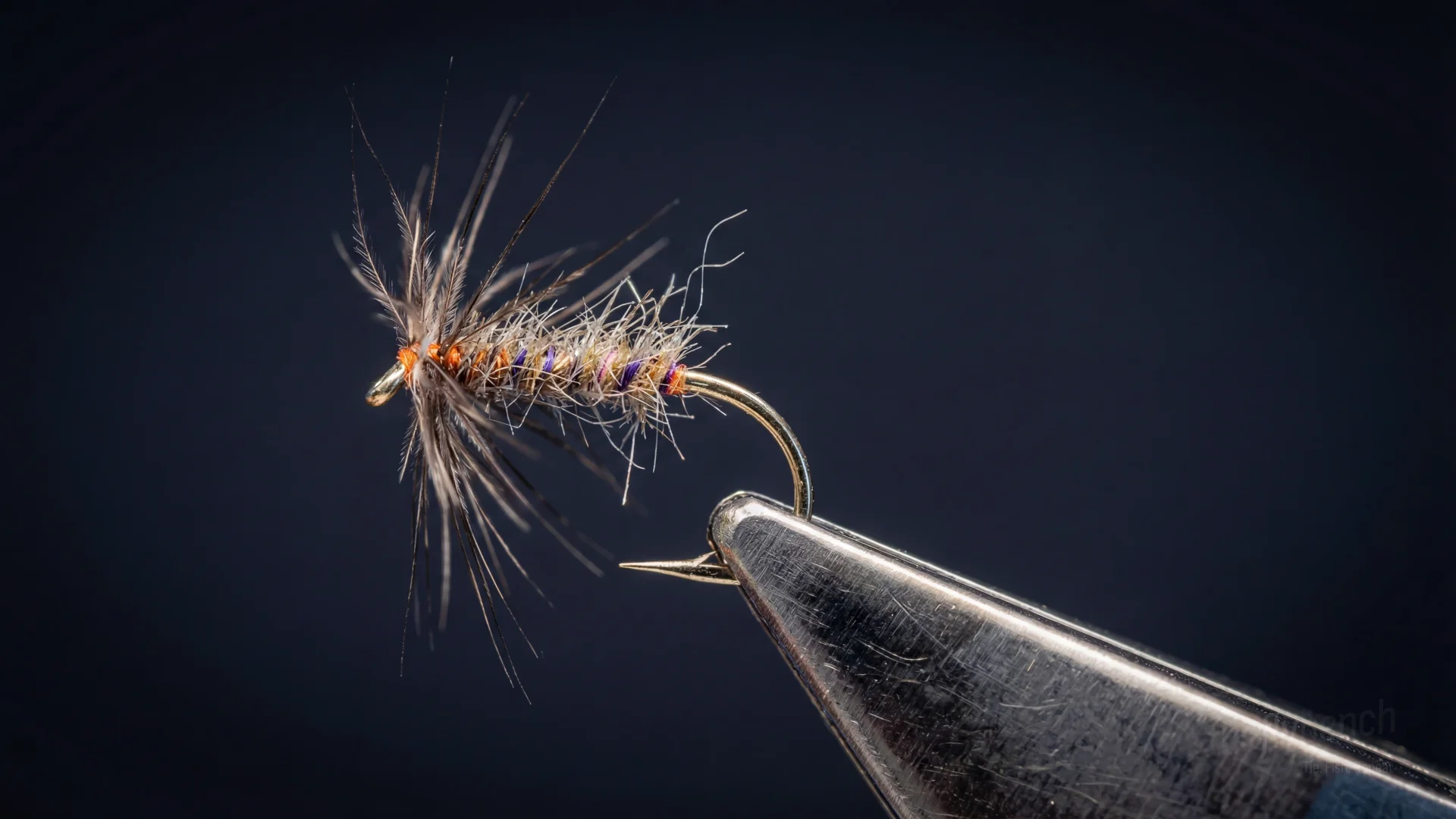
This traditional pattern twists Pearsall's Gossamer silk in orange and purple, with mole fur touch-dubbed into the purple strand, then wraps them side by side for a mottled body. A sparse jackdaw throat hackle finishes a simple, dark silhouette suited to low light.
Spring, Summer, Fall
Beginner
Trout
Feb 2026
Overview
The Dark Watchet carries no confirmed originator, built here from a traditional recipe using Pearsall's Gossamer silk. Working mole fur into just the purple half of the twisted body gives it a subtle, translucent cast that plain silk alone doesn't have. Its dark, understated profile suits overcast days or shaded water, where trout tend to favor darker-bodied insects over anything flashy.
Where to Buy This Fly
We only link to fly shops we trust. Some links are referral links, which may earn us a commission at no extra cost to you.
Materials
- Hook:
- Kamasan B405 #12
- Thread:
- Pearsall's Gossamer, orange
- Hackle:
- Jackdaw throat hackle
- Body:
- Pearsall's Gossamer, orange (the tying thread) and purple - mole inserted into the orange thread - wrapped side by side
Behavior & Presentation
Natural Behavior: Dark mayflies and caddis float on the surface with wings in characteristic positions, creating low profiles that selective feeders recognize. Spinners also land flush after mating flights.
Where Trout Eat It: Selective fish cruise slicks and foam lines, sipping dark-bodied adults from the surface film.
How to Fish It: Present with delicate, drag-free drifts through technical water where selective feeding occurs.
Best Water: Slicks, tail-outs, flat water, and seams in spring creeks and tailwaters with technical feeders.
Strike Type: Subtle sips with minimal rise forms as selective fish take prey with precision.
Fishing Strategy
Rigging Suggestions: Use a 9-12 foot leader tapering to 5X tippet for delicate presentations. Apply floatant to the body and hackle.
Seasonal Timing: Most effective during peak feeding periods at dawn and dusk. Water temperatures between 45-65°F typically produce best results.
Pro Tips: Apply floatant thoroughly to maintain high-floating characteristics throughout long drifts. The pattern's visibility makes it valuable as the lead fly in tandem dry fly rigs or as an indicator in dry-dropper setups.
Entomology
Caddisflies emerging during overcast weather drift longer distances before achieving flight, their dark coloration making them highly visible against grey water as they float with wings slowly unfurling. Fish feed confidently on these extended drifts when insects remain accessible for prolonged periods.
- Order
- Trichoptera
- Common Name
- Caddisfly
- Organism Type
- insect
- Life Stage
- adult