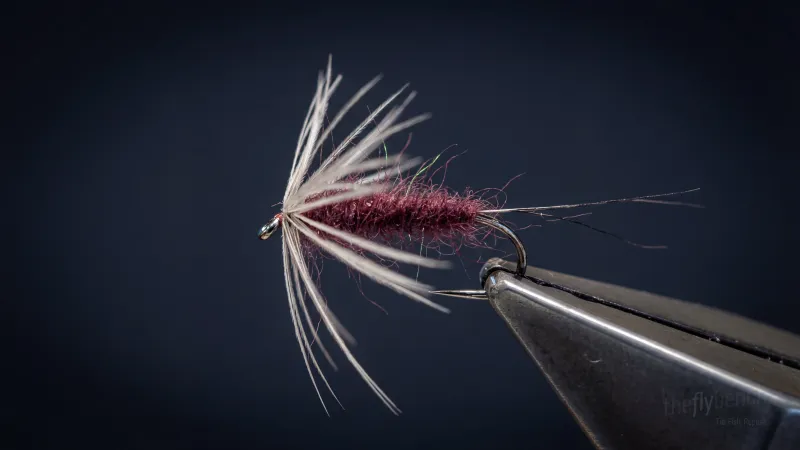
NymphSofthackle with Flat Body and Corded Rib
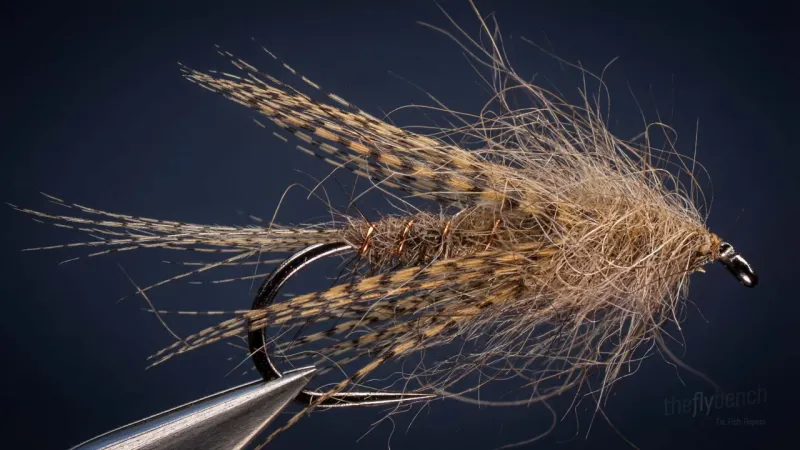
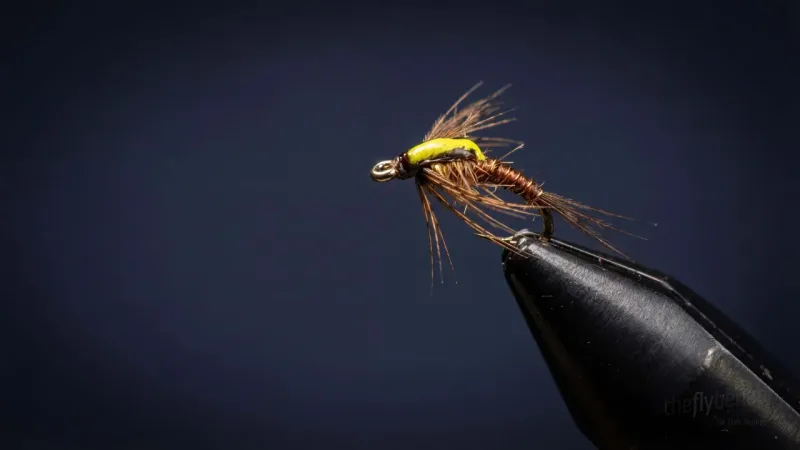
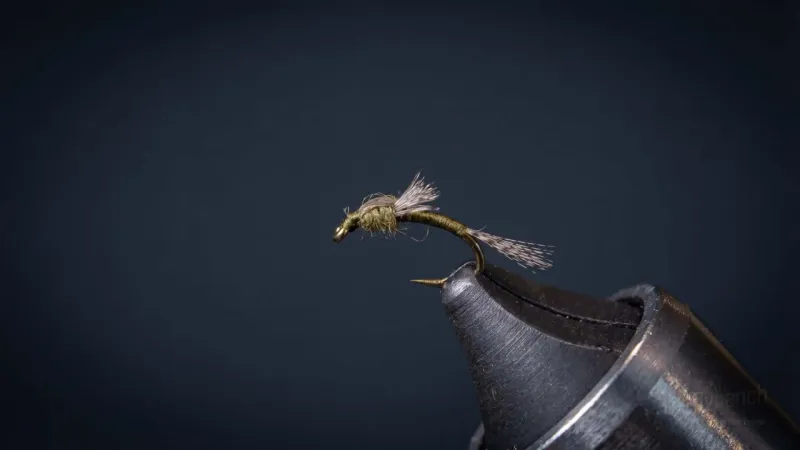
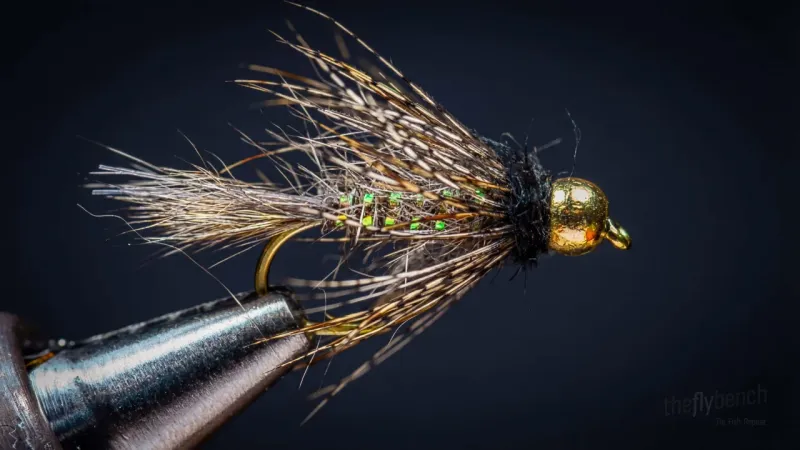
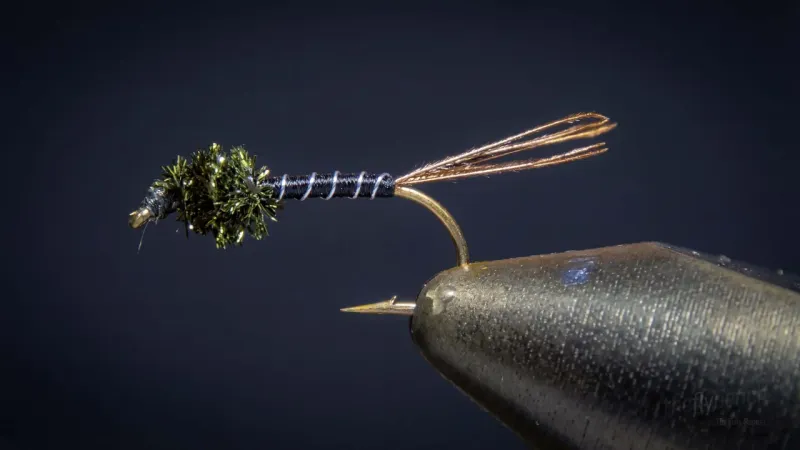
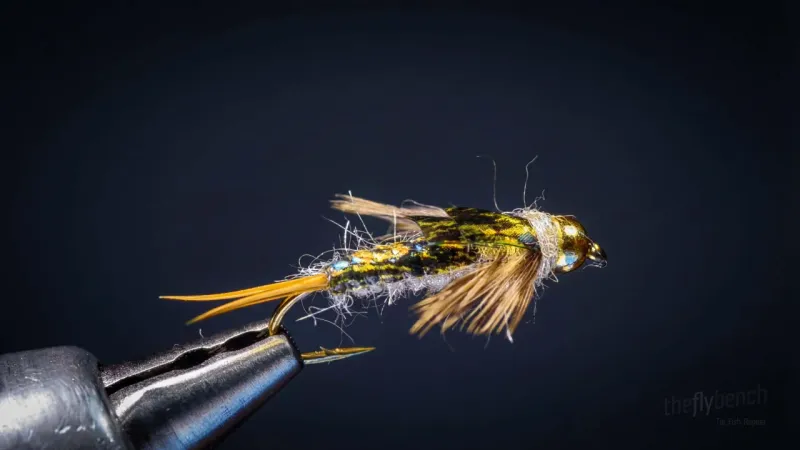
This soft-hackle nymph ties its abdomen from burgundy Flash laid flat rather than dubbed, then reinforces it with a corded rib of the same material for a segmented, glinting body. A dark brown beaver thorax and sparse Coq de Leon hen hackle round out the profile, giving mayfly nymphs the glint naturals show tumbling through current.
Spring, Summer, Fall
Intermediate
Trout
Feb 2026
Overview
The technique here is in the corded rib: twisting the burgundy Flash into a tight cord before winding it produces stronger, more defined segmentation than a flat wrap alone. Paired with the flat-tied abdomen, the body catches light without overdoing the flash. Dead-drift it through riffles and seams in moving water and stillwaters where mayfly nymphs get dislodged, particularly during spring and summer hatches.
Where to Buy This Fly
We only link to fly shops we trust. Some links are referral links, which may earn us a commission at no extra cost to you.
Materials
- Materials used:
- Hook: Grip 14723BL #14; Thread: Benecchi 12/0, tan; Hackle: Whiting Coq de Leon hen; Abdomen: Flash, burgundy - tied flat; Rib: Flash, burgundy - corded; Thorax: Beaver, dyed dark brown
Behavior & Presentation
Natural Behavior: Trout hold in feeding lanes waiting for drifting nymphs knocked loose from rocky bottom structure. Anglers dead drift soft hackles because the subtle movement imitates helpless tumbling prey swept downstream.
Where Trout Eat It: Fish intercept tumbling nymphs at mid-depth in freestone streams, tailwaters, spring creeks, and near rocky structure and weed beds in lakes.
How to Fish It: Dead drift at depth or traditional wet fly swing. The flat body creates distinct silhouette while soft hackle provides subtle current-activated movement.
Best Water: Focus on varied current runs, moderate depth zones, pool tail-outs, rocky substrates, and weed bed edges during mayfly emergences.
Strike Type: Watch for indicator dips, subtle line tightening, or drift hesitation. Takes often feel like brief resistance or weight.
Fishing Strategy
Rigging Suggestions: Use a 9-12 foot leader with 4X-5X tippet. Add split shot 12-18 inches above the fly for nymphing presentations or fish unweighted for wet fly swinging. Can be fished solo or as part of a team of wet flies.
Seasonal Timing: Productive year-round with peak effectiveness from April through October. Particularly effective during mayfly emergences (April-June) and feeding periods (September-October) when trout feed heavily on nymphs and emergers.
Pro Tips: The flat body construction creates a distinctive profile that differs from traditional dubbed bodies. The corded rib adds segmentation and durability. Sizes 12-16 cover most mayfly nymphs and emergers. The soft hackle pulses in the current, creating lifelike movement that triggers strikes from opportunistic trout.
Entomology
Mayfly nymphs inhabit swift currents where they cling to rocks and debris, periodically losing their grip and tumbling helplessly downstream. Fish station themselves to ambush these dislodged nymphs as they represent an easily captured food source drifting past holding lies.
- Order
- Ephemeroptera
- Common Name
- Mayfly
- Organism Type
- insect
- Life Stage
- nymph