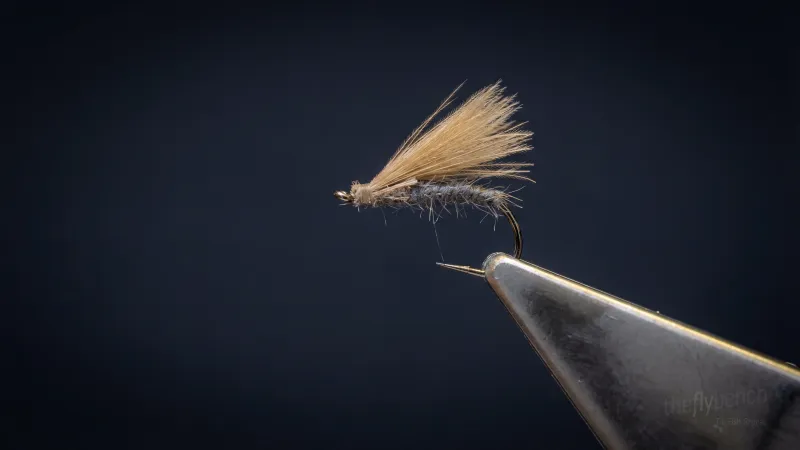
Dry FliesMags
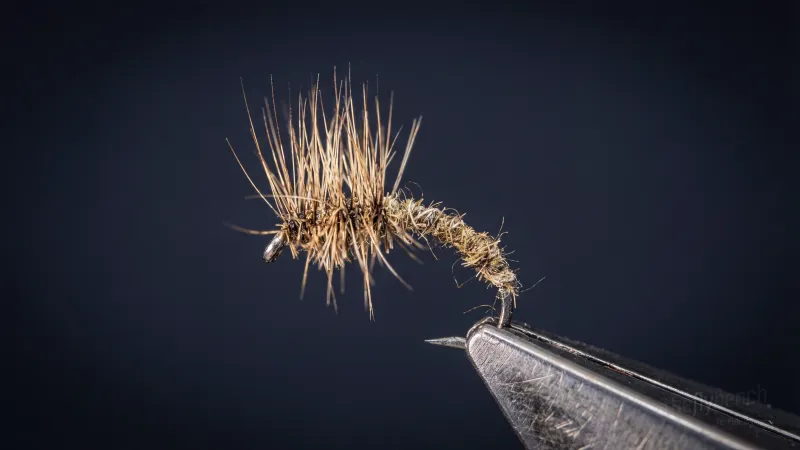
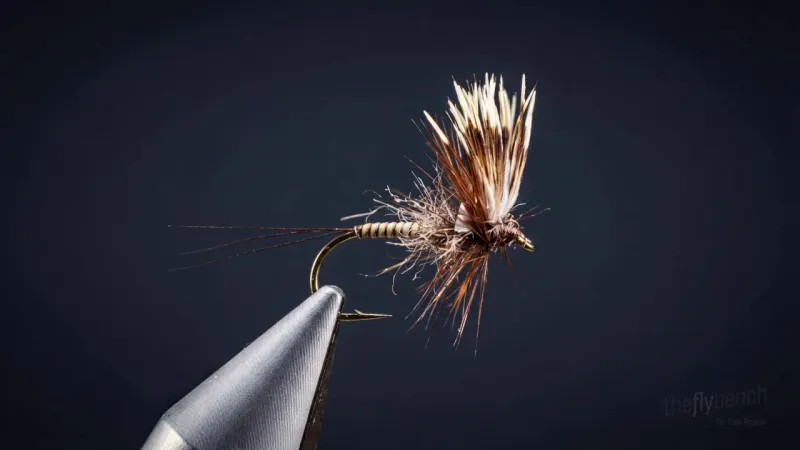
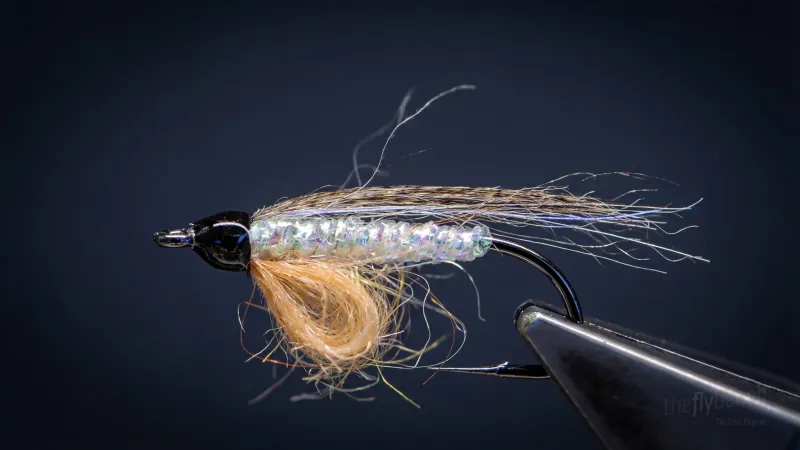
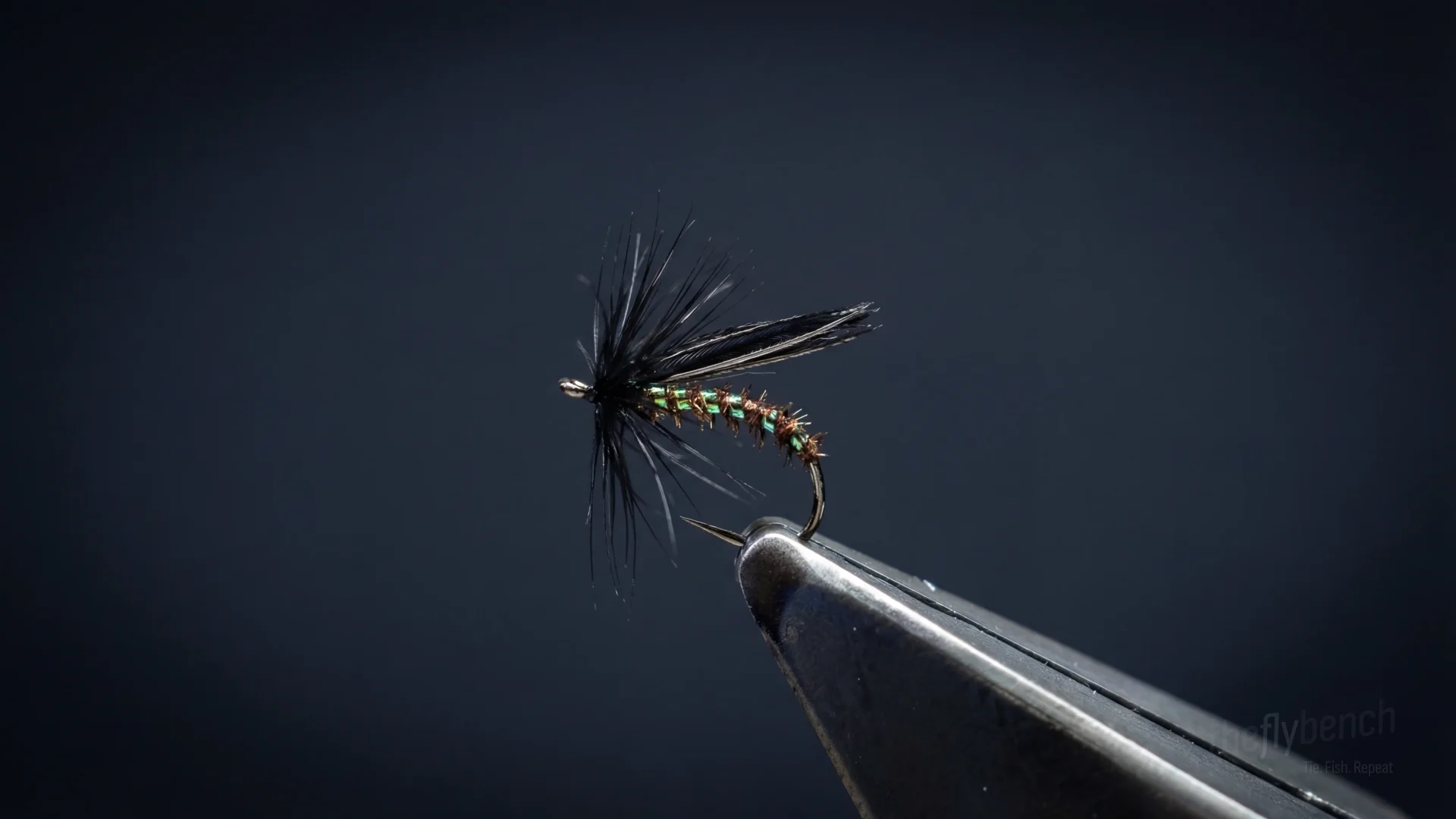
Mags builds a cock pheasant tail body ribbed with opal flash beneath a black dyed hen hackle and a wing of magpie barbs. The natural pheasant tail segmentation paired with iridescent magpie fibers gives the fly a mottled, buggy look on the water. Hans Weilenmann's pattern serves as a dark, general searching dry for mayfly and caddis water.
Spring, Summer, Fall
Intermediate
Trout
Feb 2026
Overview
Cock pheasant tail barbs form a segmented body, wound over with a fine strand of opal flash for a subtle glint along the abdomen. A black dyed hen hackle is wound through the front of the fly for support and movement, while barbs of magpie feather form the wing, adding a natural mottled, faintly iridescent look. The combination of pheasant tail's warm browns and magpie's dark barring gives Mags a buggy, low-key profile rather than a bright attractor look. Hans Weilenmann's pattern is tied to prospect for trout feeding on a mix of mayflies and caddis, where a natural-toned silhouette outperforms flash.
Where to Buy This Fly
We only link to fly shops we trust. Some links are referral links, which may earn us a commission at no extra cost to you.
Materials
- Hook:
- Grip 14723BL #14
- Thread:
- Benecchi 12/0, black
- Hackle:
- Hen, dyed black
- Rib:
- Flash, opal
- Body:
- Cock pheasant tail barbs
- Wing:
- Magpie barbs
Behavior & Presentation
Natural Behavior: Mayflies and caddis drift on the surface after emergence, wings held upright or tent-shaped while exoskeletons harden before flight. Classic profiles match diverse hatches.
Where Trout Eat It: Fish patrol feeding lanes in the upper 6 inches, rising to adults in seams and tail-outs.
How to Fish It: Cast upstream with drag-free drifts, allowing natural float through productive lies.
Best Water: Tail-outs, seams, riffle edges, and slicks where surface insects concentrate naturally.
Strike Type: Confident rises with head-and-shoulder movements as fish take drifting adults.
Fishing Strategy
Rigging Suggestions: Fish on 9-12 foot leader with 4X-5X tippet. Can serve as lead fly in dry-dropper rig with natural CDC flotation supporting subsurface offerings.
Seasonal Timing: Most effective during mayfly emergences April through June and caddis activity May through September when water temperatures range 50-62°F. Morning and evening feeding periods produce most reliable results.
Pro Tips: CDC dubbing thorax provides exceptional natural flotation with minimal floatant application. The split wing design creates realistic silhouette that works across multiple species during mixed hatch situations.
Entomology
Adult caddisflies flutter erratically across the water surface during evening hatches, frequently dipping their abdomens to deposit eggs. Fish key on these vulnerable moments when the insects are distracted by reproduction and cannot escape quickly.
- Order
- Trichoptera
- Common Name
- Caddisfly
- Organism Type
- insect
- Life Stage
- adult