Dry FliesGosling
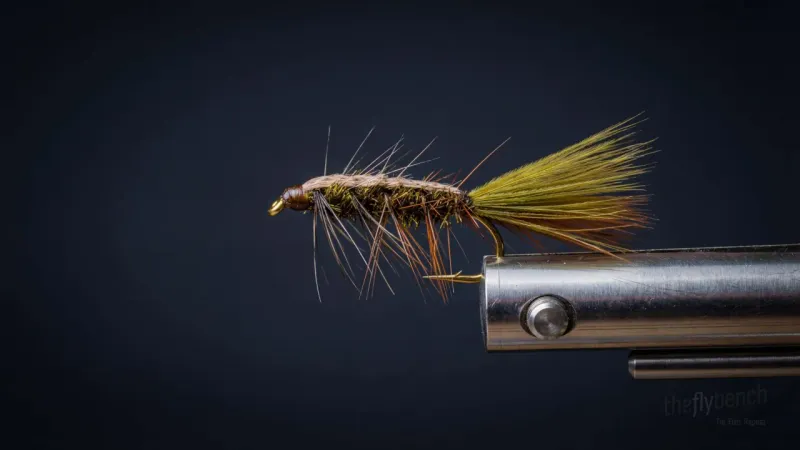
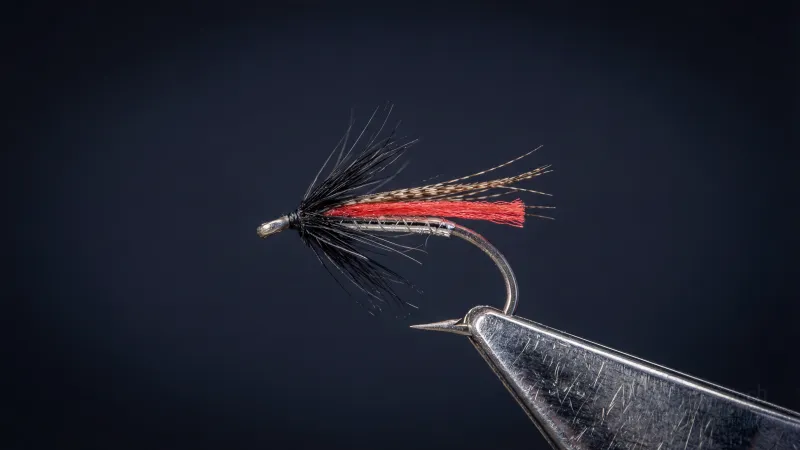
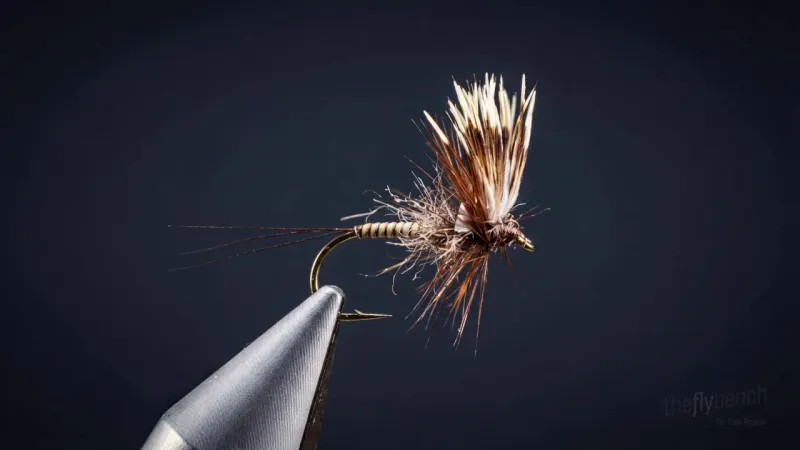
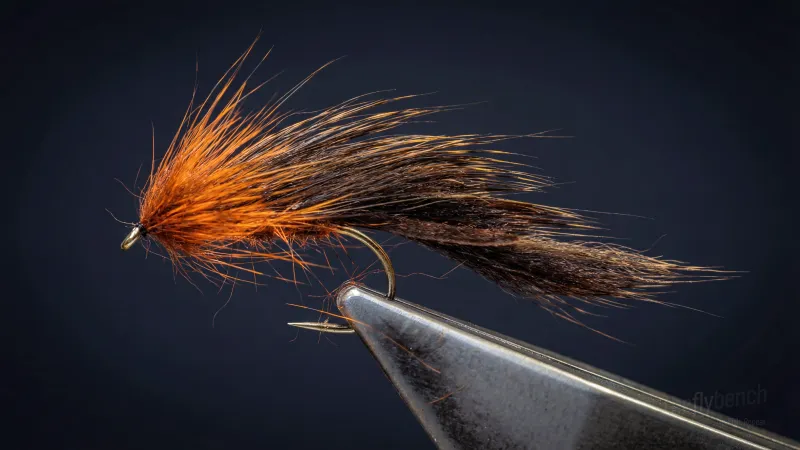
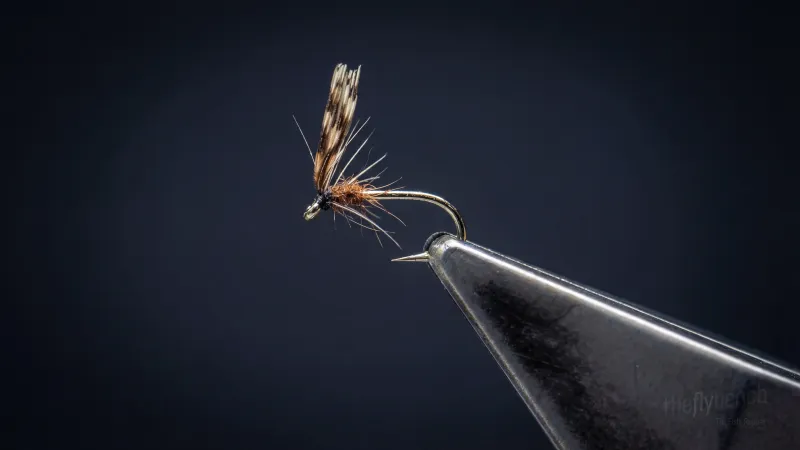
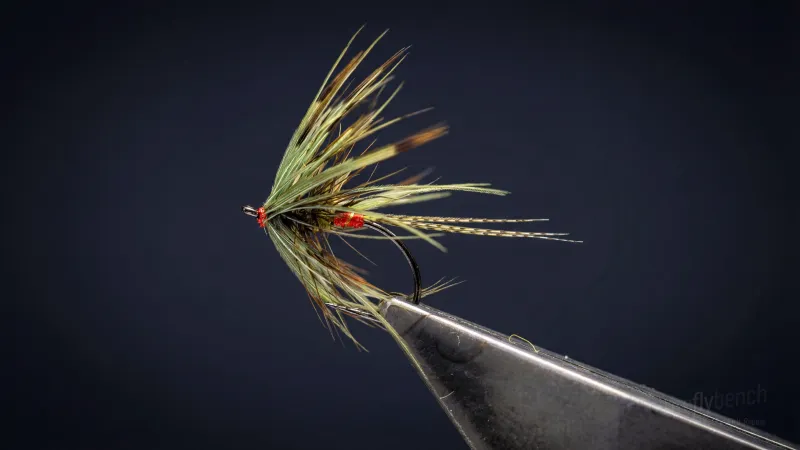
A traditional pattern rather than a named designer's, the Gosling matches a caddis resting with its tent-shaped wings folded over its back as it drifts downstream. A dyed amber seal's fur body, spun in split thread, is ribbed with gold oval tinsel and a double hackle collar.
Spring, Summer, Fall
Intermediate
Trout
Feb 2026
Overview
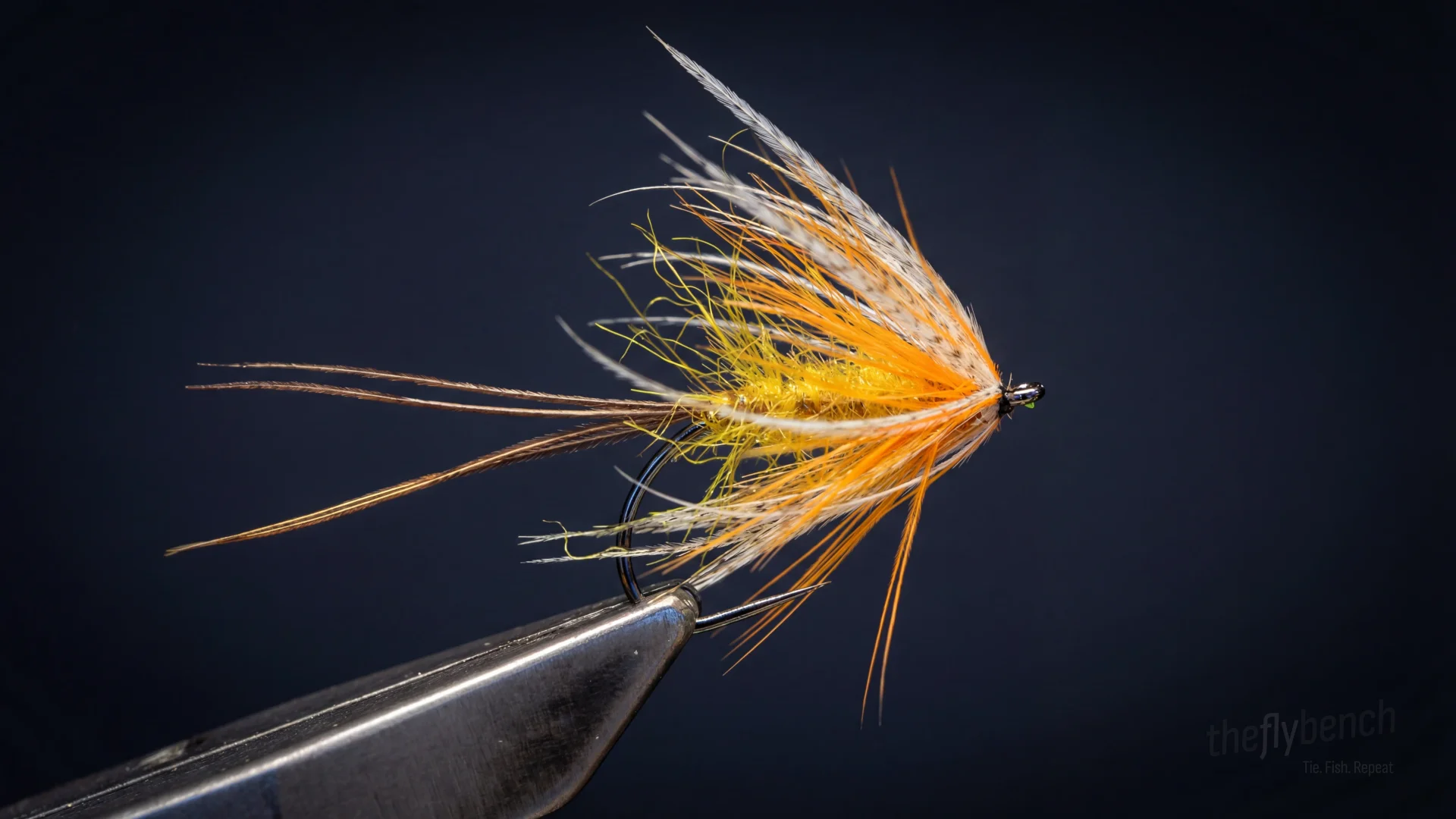
Tied on a larger #8 hook than most patterns of this style, the Gosling is a traditional dressing built to match bigger caddis riding low and tent-winged on the surface. Cock pheasant tail barbs form the tail beneath an amber seal's fur body (or a suitable substitute) spun in split thread and ribbed with gold oval tinsel, while a double hackle of soft mallard breast and hot orange saddle fills out the collar. It suits rivers and stillwaters through spring, summer, and fall whenever larger caddis are on the water.
Where to Buy This Fly
We only link to fly shops we trust. Some links are referral links, which may earn us a commission at no extra cost to you.
Materials
- Hook:
- Grip 14723BL #8
- Thread:
- Benecchi 12/0, black
- Hackle 1:
- Mallard breast feather
- Hackle 2:
- Saddle hackle, dyed hot orange
- Rib:
- Oval, gold
- Tail:
- Cock pheasant tail barbs
- Body:
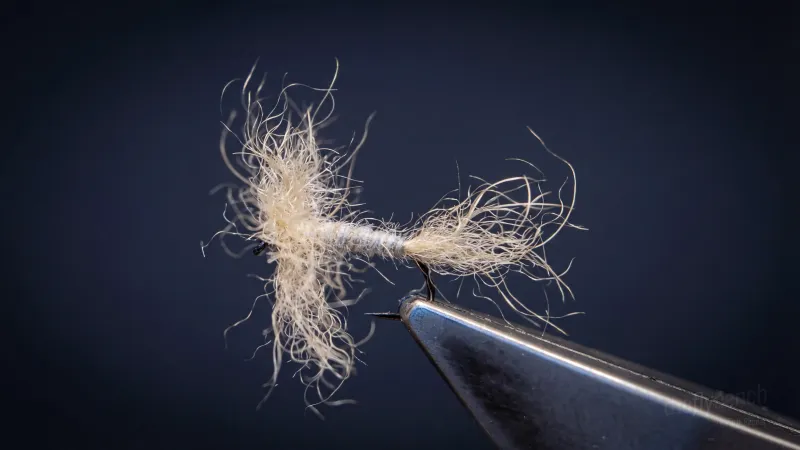
- Seal's fur, dyed amber (or substitute) - in split thread
Behavior & Presentation
Natural Behavior: Small adult caddisflies drift slowly downstream after falling from overhanging vegetation, their tent-shaped wings held motionless against their bodies. The soft CDC construction and sparse profile settle flush in the film, creating the low-riding, vulnerable appearance of spent Trichoptera in narrow spring creek channels.
Where Trout Eat It: Trout feed on small mayflies and caddis in Northeast stream film, rising from undercut lies tight to banks.
How to Fish It: Present low-profile CDC tight to structure with short casts, letting sparse hackle settle flush in film.
Best Water: Fish undercut banks with 12-24 inches overhead cover, narrow spring creek channels under 10 feet wide, and brush-lined pockets.
Strike Type: Trout positioned tight to undercut banks sip gently; watch for subtle surface disturbances and set smoothly when the fly disappears.
Fishing Strategy
Rigging Suggestions: Use a 9-12 foot leader tapering to 5X tippet for delicate presentations. Apply floatant to the body and hackle.
Seasonal Timing: Most effective during peak feeding periods at dawn and dusk. Water temperatures between 45-65°F typically produce best results.
Pro Tips: The neutral coloration makes this an excellent searching pattern when you're uncertain what's hatching. Fish it with confidence through likely water rather than targeting specific risers, as its visibility triggers opportunistic strikes.
Entomology
Caddisflies exhibit characteristic tent-winged profiles while resting on the surface, slowly drifting downstream after falling from vegetation or completing mating rituals. Trout consume these adult caddis readily because their tent-shaped wings make them highly visible on the water, and their slow drift provides fish ample time to inspect and strike.
- Order
- Trichoptera
- Common Name
- Caddisfly
- Organism Type
- insect
- Life Stage
- adult