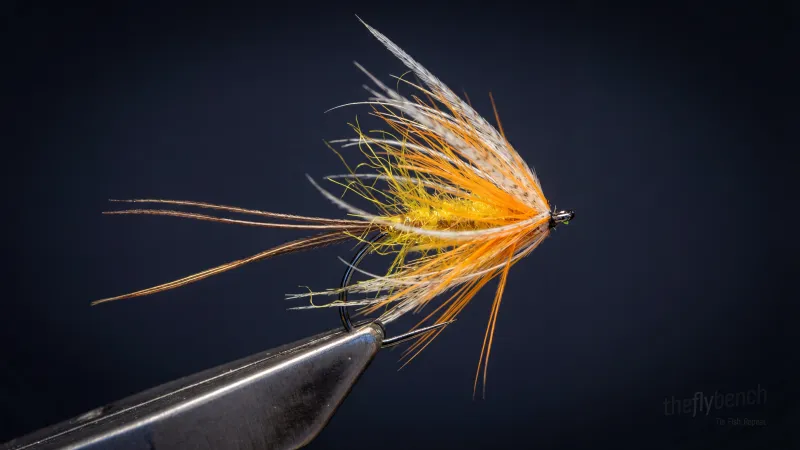
Dry FliesCherry Picker
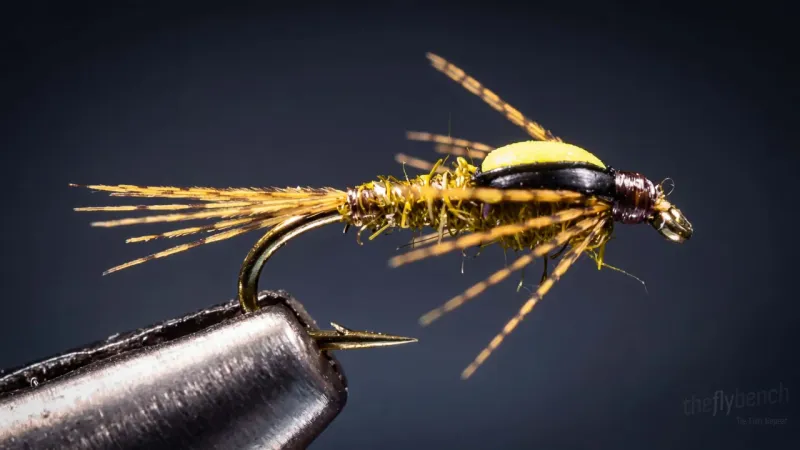
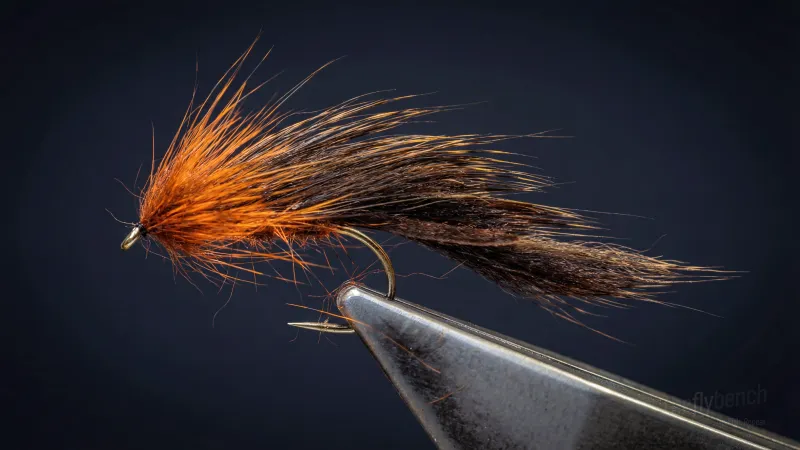
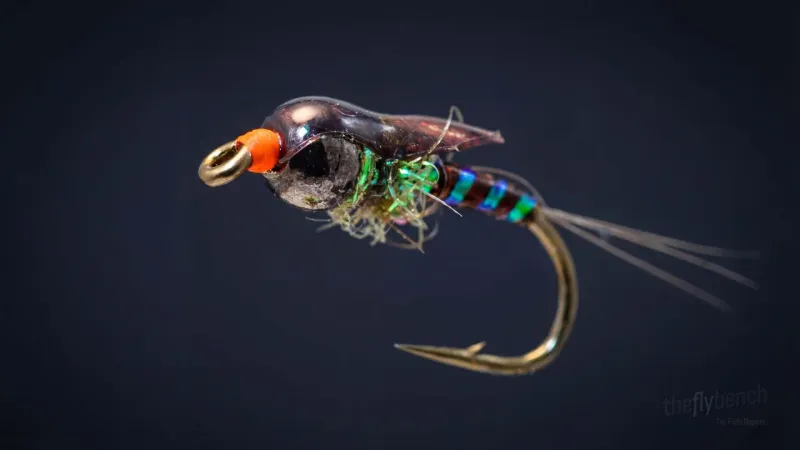
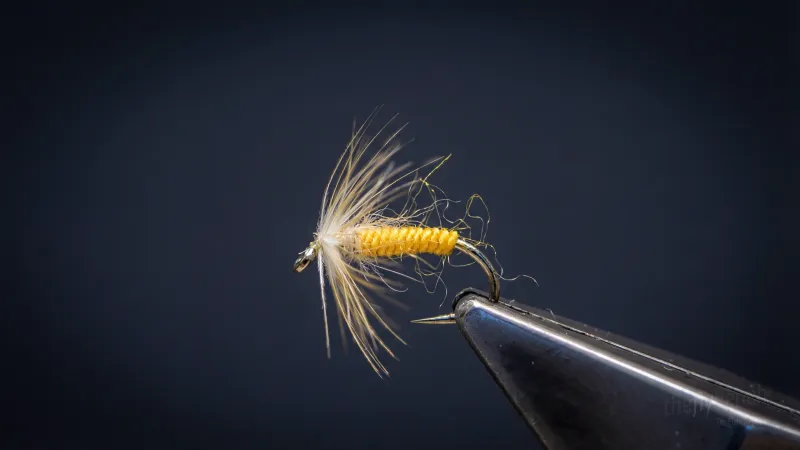
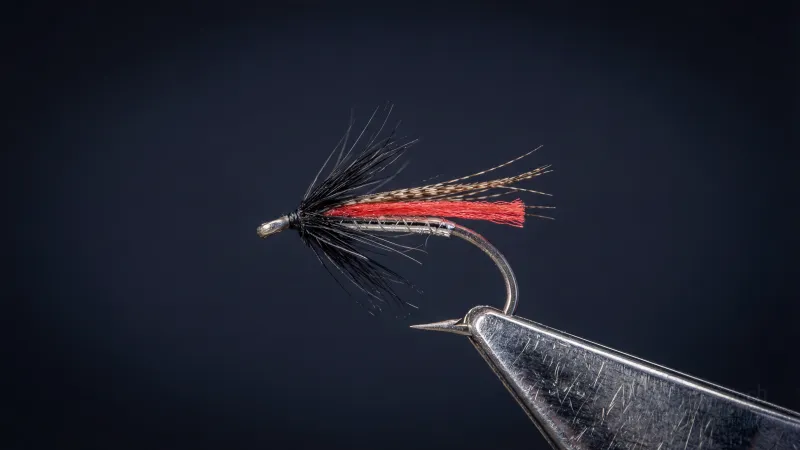
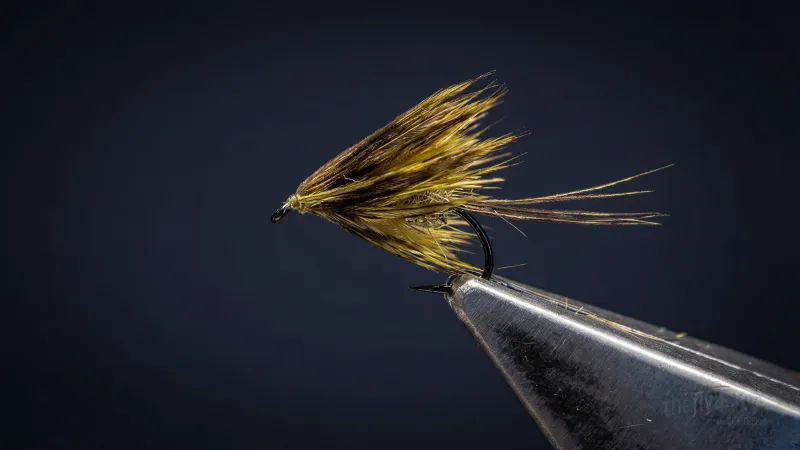
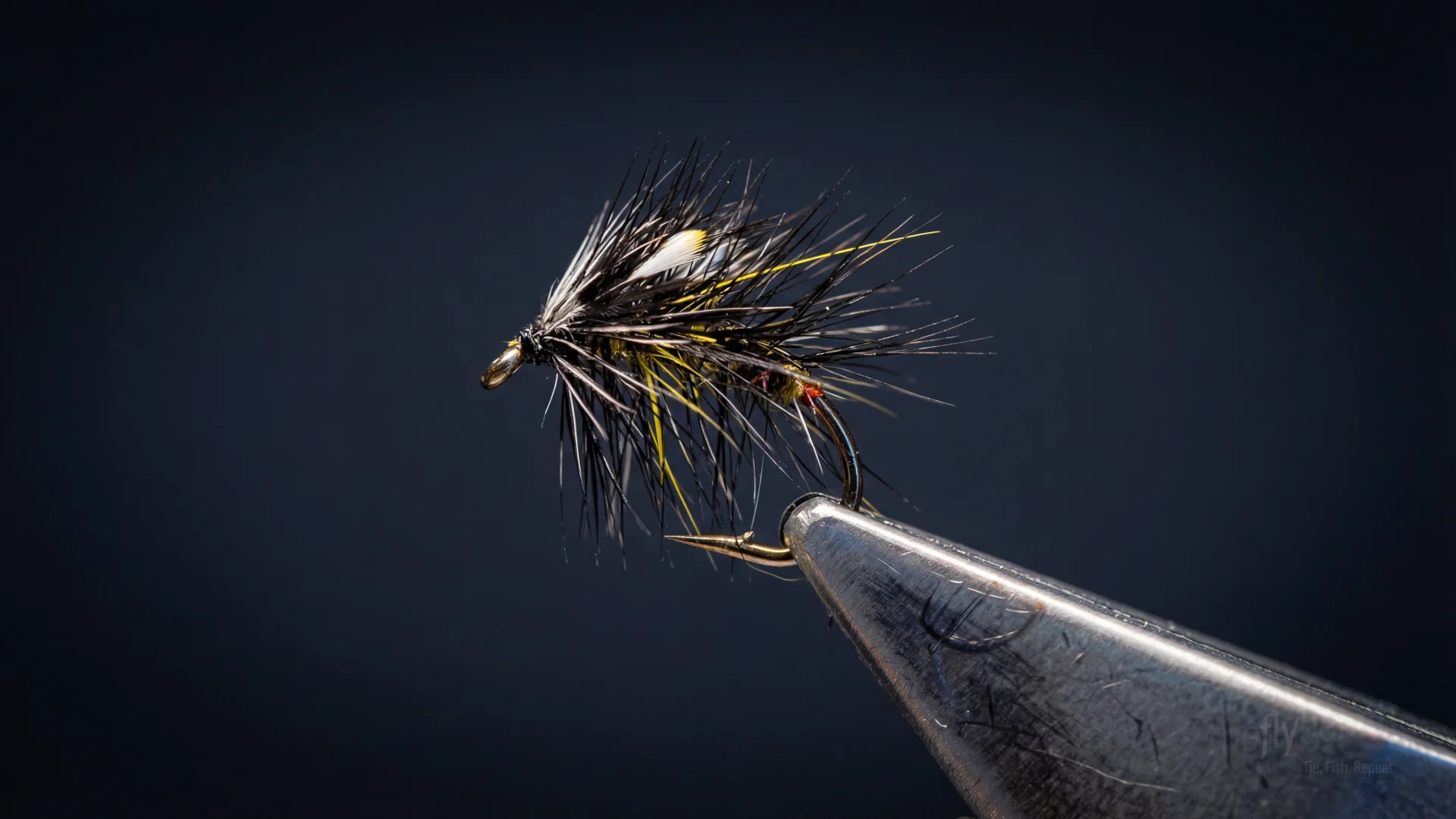
Hans Weilenmann's Cherry Picker sets a dark olive Argentinean hare body against a claret flash tag and rib, with black cock hackle and small jungle cock nail cheeks for a touch of shine. It's a compact attractor pattern that stands out without relying on bright body colors.
Spring, Summer, Fall
Intermediate
Trout
Feb 2026
Overview
Weilenmann built the Cherry Picker around contrast rather than volume: a subdued dark olive body offset by a thin claret flash tag and rib, with jungle cock cheeks adding just enough shine to catch a fish's eye. The black hackle keeps the silhouette dark and buggy. It works as a general searching pattern during mixed mayfly and caddis activity, particularly where a slightly different color note is needed to stand out from naturals on the water.
Where to Buy This Fly
We only link to fly shops we trust. Some links are referral links, which may earn us a commission at no extra cost to you.
Materials
- Hook:
- Sprite Scud hook #12 (or equivalent)
- Thread:
- Benecchi 12/0, black
- Hackle:
- Cock, dyed black
- Tag:
- Flash, fine, claret
- Rib:
- Flash, fine, claret
- Body:
- Argentinean hare, dark olive
- Cheeks:
- Jungle cock nails, small
Behavior & Presentation
Natural Behavior: Red-bodied insects like ants and small beetles tumble onto the surface from overhanging vegetation, struggling with legs kicking to escape. Egg masses from spawning fish also drift as bright targets.
Where Trout Eat It: Opportunistic feeders patrol near-surface zones, especially along bank edges and grass edges where terrestrials fall.
How to Fish It: Dead drift through likely lies with the bold profile triggering curiosity strikes in off-color water.
Best Water: Target pocket water, bank edges, foam lines, and current breaks in freestone streams with broken water.
Strike Type: Aggressive strikes from opportunistic feeders responding to high-visibility profile and bold coloration.
Fishing Strategy
Rigging Suggestions: Fish on 9-12 foot leader with 3X-4X tippet. Heavier tippet matches aggressive nature of the pattern and handles strikes from opportunistic feeders.
Seasonal Timing: Most effective during runoff April through June when off-color water conditions favor high-visibility patterns, and again during spawning September through October. Water temperatures 45-60°F produce best results.
Pro Tips: Bright red materials maintain visibility in off-color conditions where natural patterns fail. The bold profile triggers curiosity strikes from aggressive feeders while suggesting egg patterns during spawning periods.
Entomology
During sparse hatches, isolated caddisflies drift on the surface between dense vegetation mats, their dark silhouettes standing out against the sky as they rest with wings tented over their bodies. Selective trout cruise slowly to inspect and sip individual adults that offer low-risk feeding opportunities.
- Order
- Trichoptera
- Common Name
- Caddisfly
- Organism Type
- insect
- Life Stage
- adult