Dry FliesDiving CDC&Elk
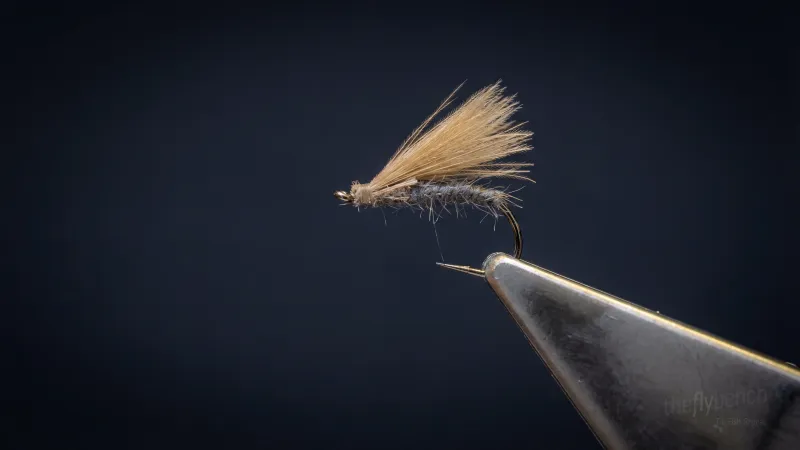
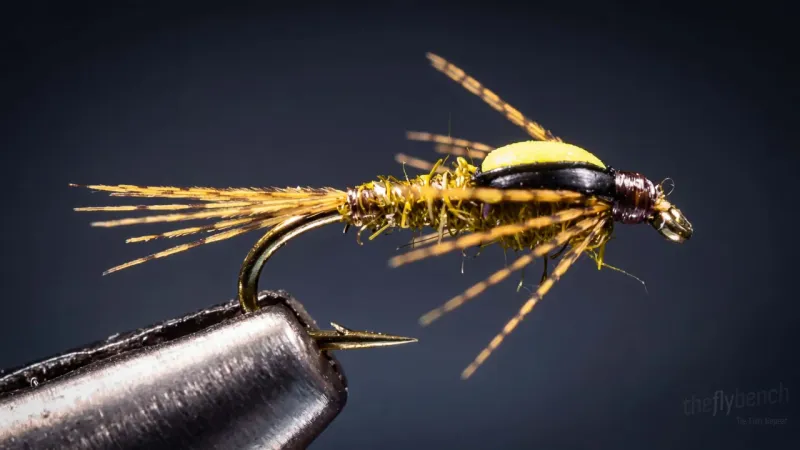
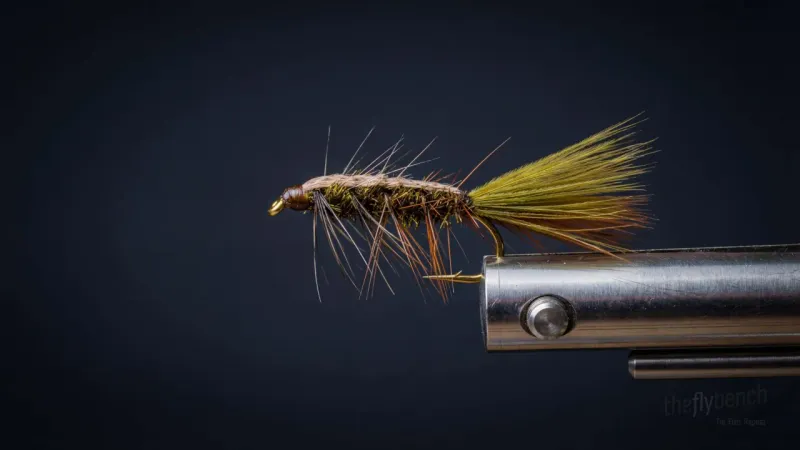
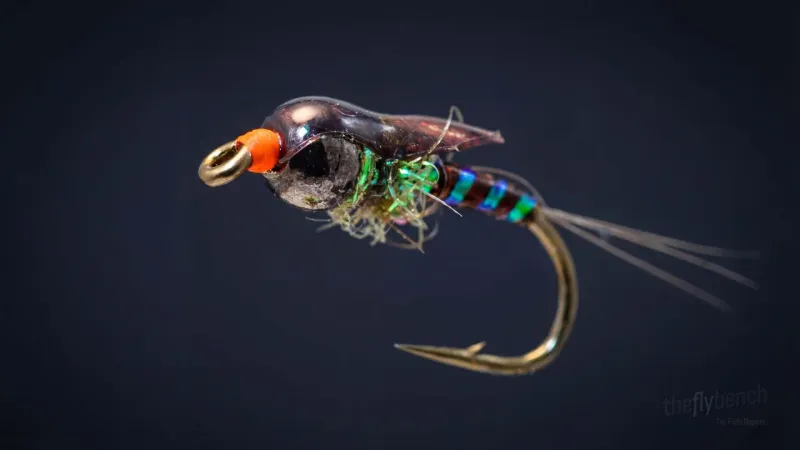
Hans Weilenmann's Diving CDC & Elk covers the underwater half of a caddis egg-laying run. A small tungsten bead at the head helps it get down, while sparse CDC barbs and a short deer hair wing suggest trailing air and legs against a dark olive hare thorax.
Spring, Summer, Fall
Intermediate
Trout
Feb 2026
Overview
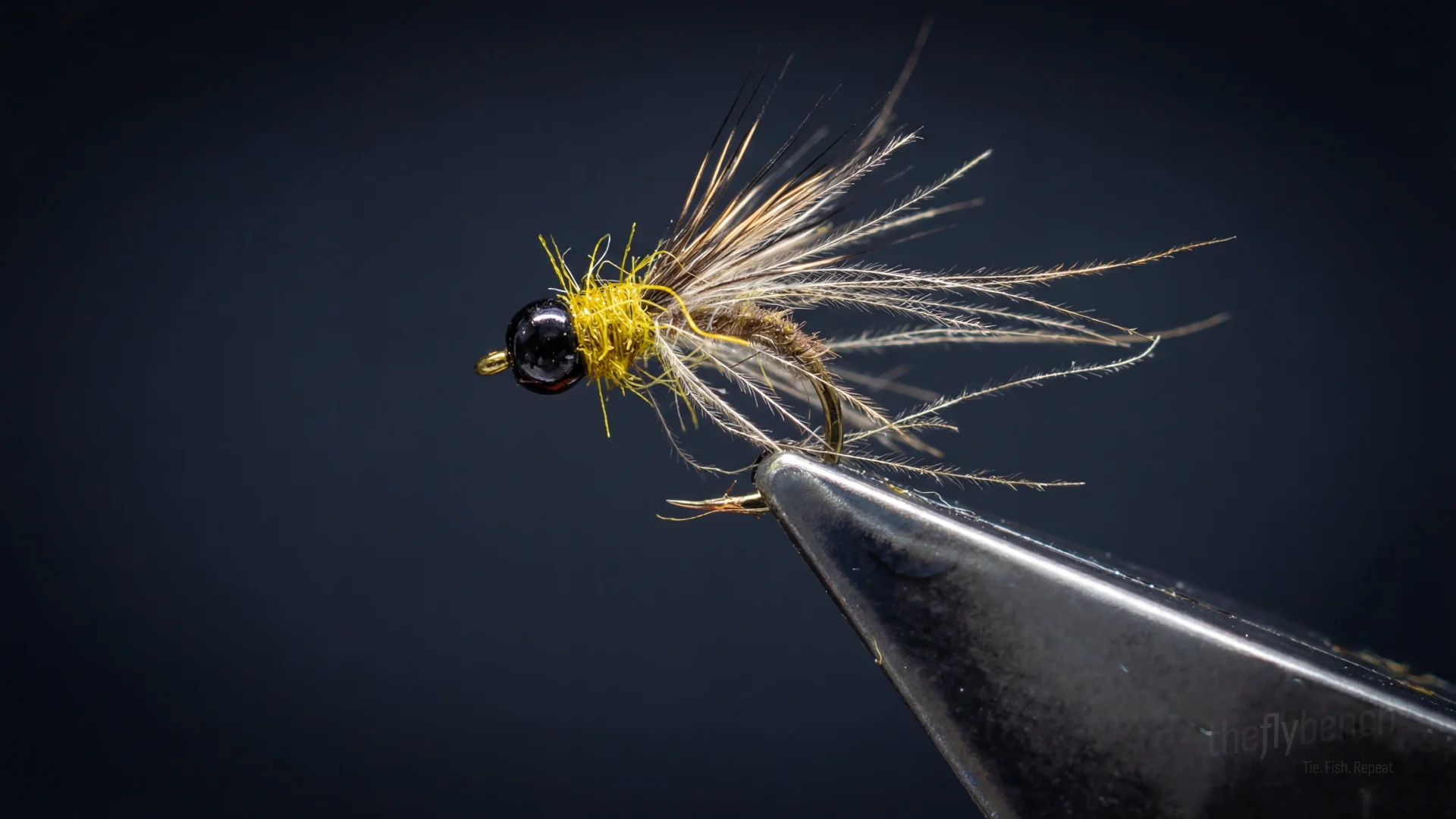
Hans Weilenmann built the Diving CDC & Elk to match the part of a caddis's egg-laying flight that happens below the surface rather than on top of it. The tungsten bead pulls the fly down through the water column, and sparse CDC fibers trap air the way a natural does while descending, with a short deer hair wing and dark olive hare thorax rounding out the profile. Work it on a semi-slack line so it can sink and rise again, on rivers and stillwaters from spring through fall during active caddis egg-laying.
Where to Buy This Fly
We only link to fly shops we trust. Some links are referral links, which may earn us a commission at no extra cost to you.
Materials
- Hook:
- Tiemco 2499SP #12 (or equivalent scud hook)
- Bead:
- Tungsten 3.3mm, black
- Thread:
- Benecchi 12/0, green
- Abdomen/barbs:
- CDC, sparse
- Wing:
- Deer hair, short and sparse
- Thorax:
- Hare, dyed dark olive
Behavior & Presentation
Natural Behavior: Egg-laying caddisflies plunge beneath the surface to deposit their eggs on the stream bottom, then struggle upward through the water column in a frantic swimming motion before bursting through the film. Trout track these vertical movements, striking at adults during the vulnerable ascent or immediately after they resurface spent.
Where Trout Eat It: Trout target this during egg-laying when caddis dive beneath surface to deposit eggs on bottom or vegetation, then struggle upward. Fish track these vertical movements striking during vulnerable ascent or immediately after adults resurface spent within single drift transition.
How to Fish It: Fish upstream near banks and seams. Dead drift initially, then tug line at drift end to force fly to submerge, mimicking diving caddis. Allow CDC to gradually absorb water creating natural sinking action. Apply floatant between drifts to maintain buoyancy for multiple dive cycles.
Best Water: Focus on riffle edges and seams near banks where caddis dive to lay eggs on submerged vegetation and rocks. Effective in tail-outs and along undercut banks where egg-layers return to subsurface substrate. The CDC wing and elk hair work in moderate current.
Strike Type: Strikes happen during the dive or resurface—watch for flashes, swirls, or line tension changes.
Fishing Strategy
Rigging Suggestions: Use a 9-12 foot leader tapering to 5X tippet for delicate presentations. Apply floatant to the body and hackle.
Seasonal Timing: Most effective during peak feeding periods at dawn and dusk. Water temperatures between 45-65°F typically produce best results.
Pro Tips: Apply floatant to maintain buoyancy between dives. The CDC wing and elk hair body provide excellent flotation, allowing the pattern to resurface naturally after induced dives, creating a highly realistic presentation that triggers strikes from selective trout.
Entomology
Egg-laying caddisflies plunge beneath the surface to deposit their eggs on the stream bottom, then struggle upward through the water column in a frantic swimming motion before bursting through the film. Trout track these vertical movements, striking at adults during the vulnerable ascent or immediately after they resurface spent.
- Order
- Trichoptera
- Common Name
- Caddisfly
- Organism Type
- insect
- Life Stage
- adult