Dry FliesSooty Olive
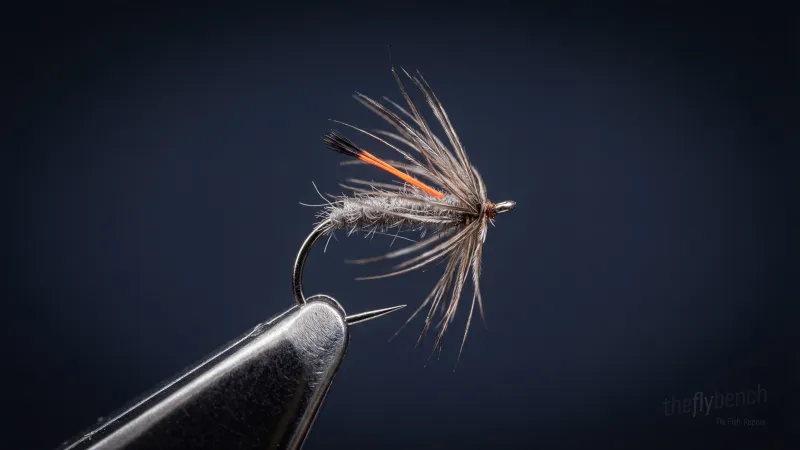
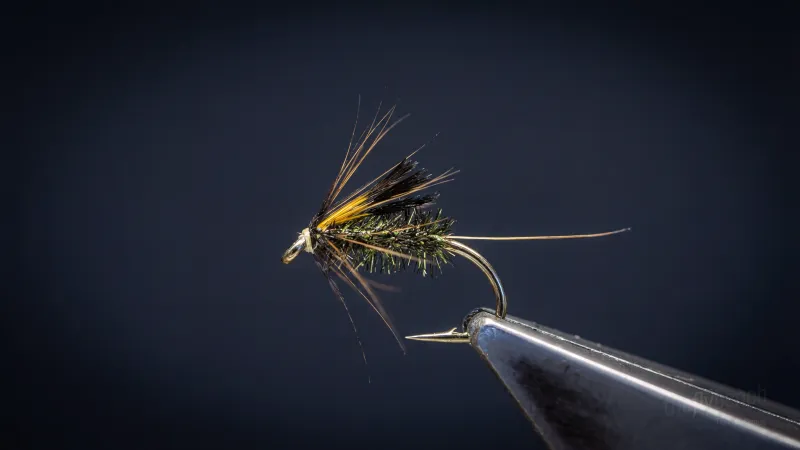
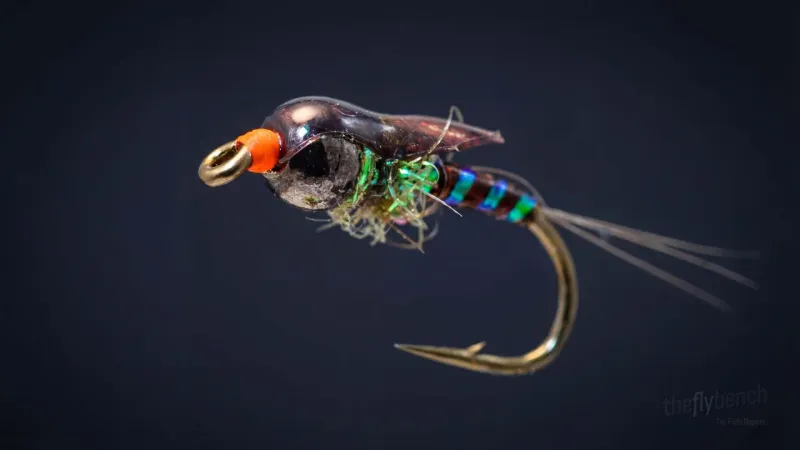
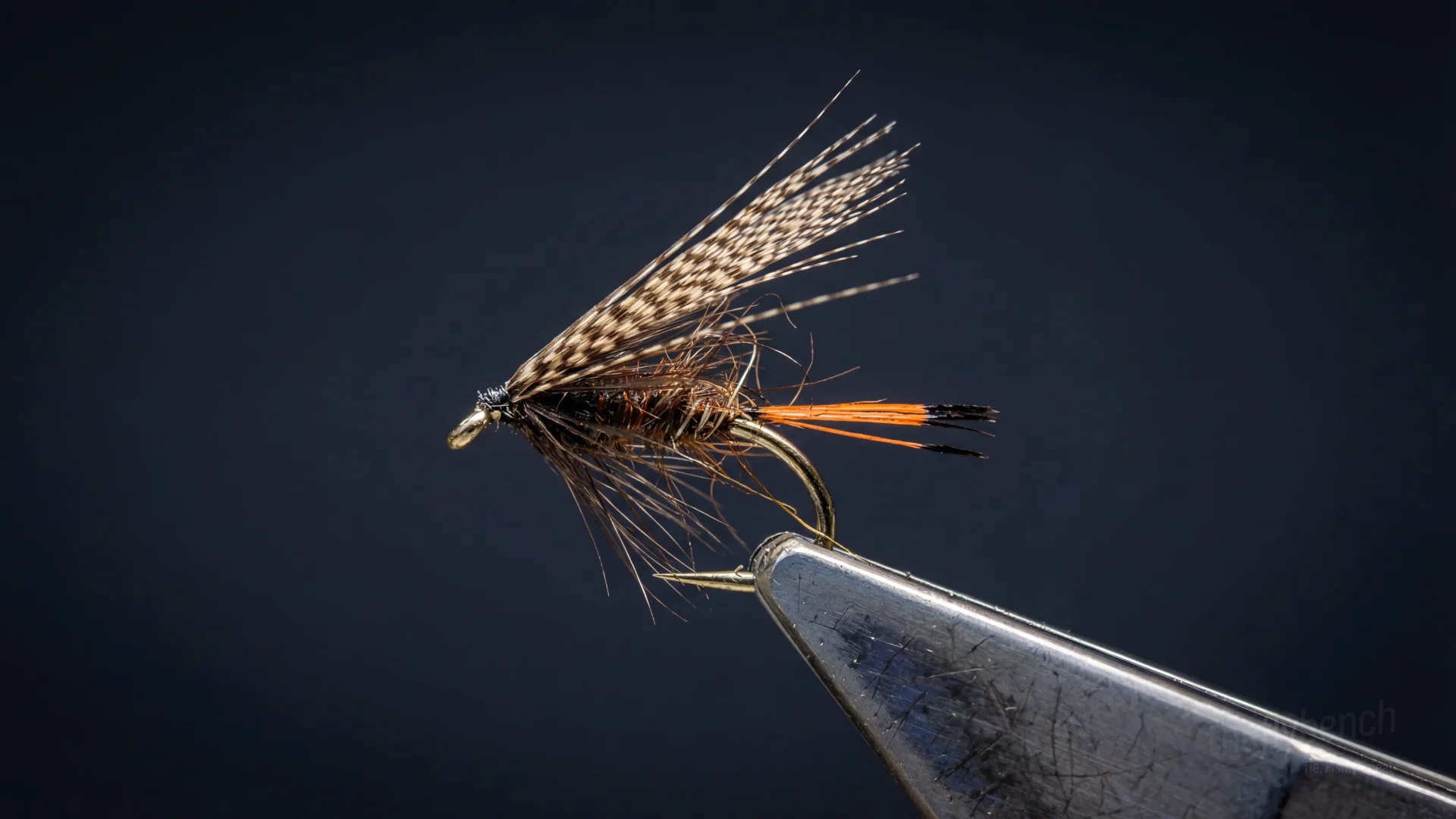
This sooty olive blends seal's fur, or a substitute, in black, dark olive, dark brown, and fiery brown into a mottled body ribbed with silver wire, finished with a hot-orange tippet tail, black hen collar, and bronze mallard wing. The dark, buggy silhouette reads as a general mayfly or caddis pattern in moving water and stillwaters.
Spring, Summer, Fall
Intermediate
Trout
Feb 2026
Overview
The multi-shade seal's fur blend is the point of this fly: mixing black, dark olive, dark brown, and fiery brown produces a mottled, translucent body no single color could match, with the silver wire rib adding segmentation. Bronze mallard slips over the black hen collar for a winged silhouette. It's a searching pattern for spring through fall, worth trying wherever fish are looking at mixed mayfly and caddis activity rather than one specific hatch.
Where to Buy This Fly
We only link to fly shops we trust. Some links are referral links, which may earn us a commission at no extra cost to you.
Materials
- Hook:
- Kamasan B175 #14
- Thread:
- Benecchi 12/0, black
- Rib:
- Wire, silver
- Tail:
- Lady Amherst tippet, dyed hot orange
- Body:
- Seal's fur (or substitute) - mix of black, dark olive, dark brown and fiery brown
- Collar:
- Hen, dyed black
- Wing:
- Bronze mallard
Behavior & Presentation
Natural Behavior: Egg-laying adults return repeatedly to the surface, creating splashes and erratic movements during ovipositing. Anglers capitalize on this because reproduction-focused insects can't evade strikes effectively, triggering aggressive feeding responses from opportunistic fish.
Where Trout Eat It: Fish intercept ovipositing caddis in the surface film across freestone streams, tailwaters, spring creeks, shaded forest streams, and near weed beds in lakes.
How to Fish It: Dead drift with drag-free presentation. The dark olive coloration matches olive duns and caddis perfectly during overcast days and low-light periods.
Best Water: Focus on varied current runs, shaded stream sections, riffle edges, current seams, and calm weed bed margins during olive mayfly and caddis hatches.
Strike Type: Watch for visible rises, subtle sips, or splashy eats depending on conditions. The dark pattern draws confident takes from selective fish.
Fishing Strategy
Rigging Suggestions: Use a 9-12 foot leader tapered to 4X-5X tippet (5-6 pound test). Apply quality floatant to maintain surface presentation. The darker coloration can be challenging to track in low light, so focus on the drift lane and watch for rises.
Seasonal Timing: Most productive from April through October with peak effectiveness during olive mayfly and caddis emergences in May through September. Particularly effective during overcast conditions and in shaded water where darker patterns are most visible to trout.
Pro Tips: The sooty olive coloration effectively matches darker mayfly and caddis species common in many trout streams. Sizes 14-18 cover most situations. This pattern excels on pressured fish that refuse brighter attractor patterns. Consider adding a small white wing post for visibility while maintaining the dark body that fish see from below.
Entomology
Adult caddisflies frequently return to the water's surface to deposit eggs, creating sudden splashes and erratic movements that attract predatory attention. Fish respond aggressively to these egg-laying adults because the insects are distracted by reproduction and unable to evade strikes effectively.
- Order
- Trichoptera
- Common Name
- Caddisfly
- Organism Type
- insect
- Life Stage
- adult