Dry FliesLeo
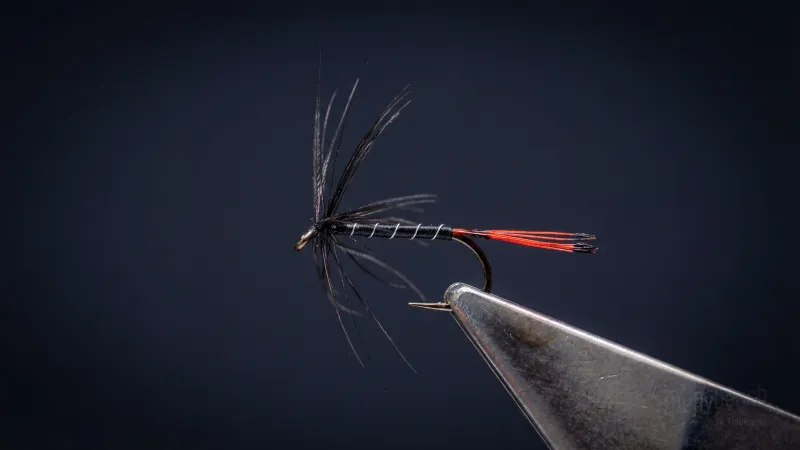
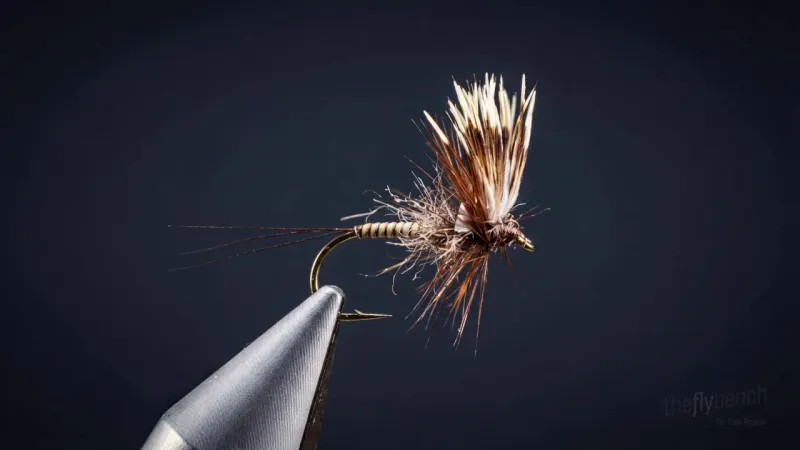
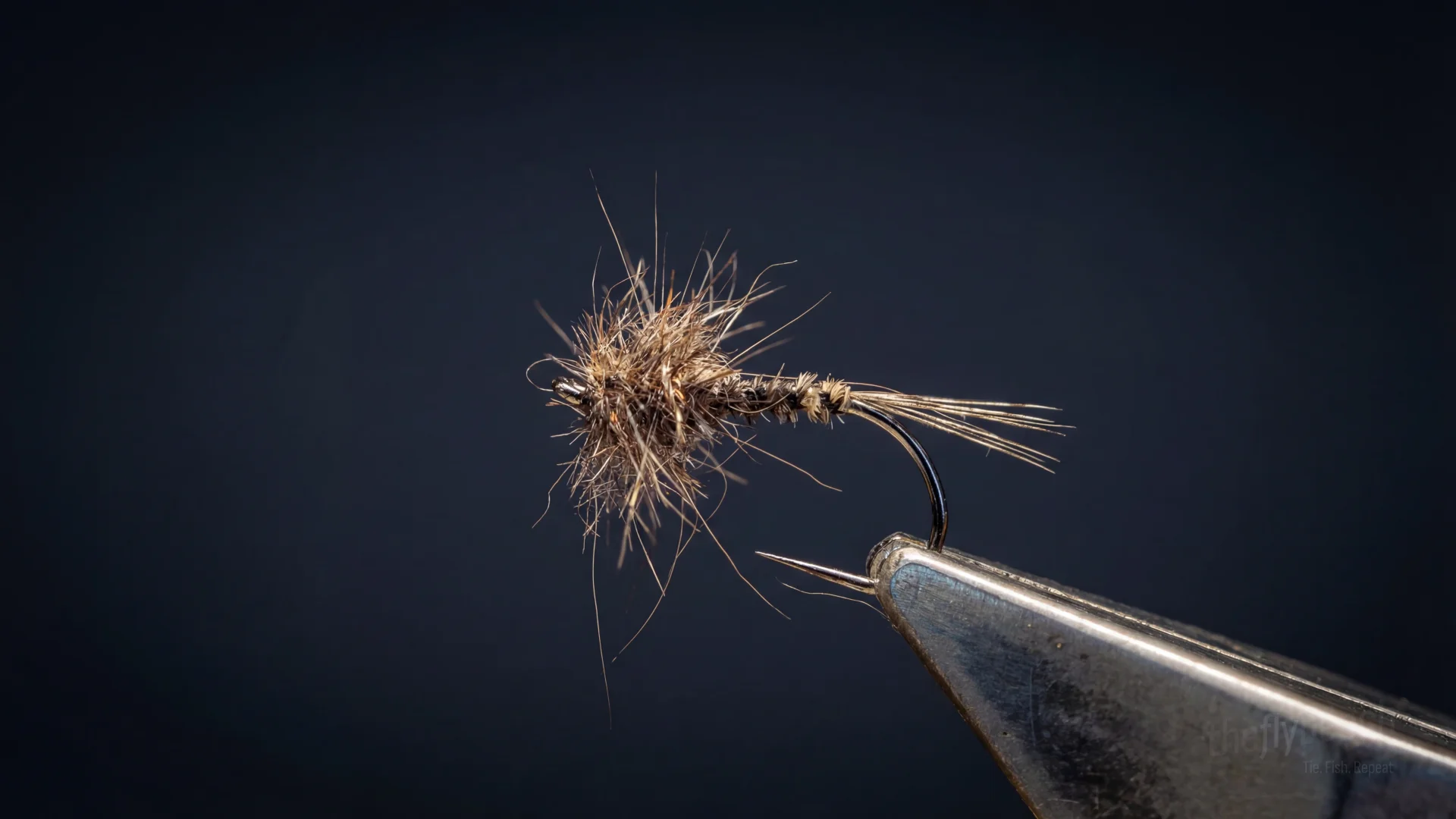
Hans Weilenmann's Leo builds a caddis and mayfly imitation from a single material: dark pardo Coq de Leon hen saddle barbs form both the tail and the wound abdomen. A sparse two-turn dubbing brush thorax keeps the profile clean for spring and summer hatches on rivers and stillwaters alike.
Spring, Summer, Fall
Intermediate
Trout
Feb 2026
Overview
Weilenmann ribbed the Coq de Leon abdomen with nothing but the tying thread itself, saving a step and keeping the body slim. Because the same feather does double duty for tail and abdomen, tiers can turn out a batch quickly once the barbs are stripped and prepped. The stiff, water-resistant Coq de Leon fibers hold up through repeated refusals, making it a good choice when baetis and caddis hatches overlap through a long summer afternoon.
Where to Buy This Fly
We only link to fly shops we trust. Some links are referral links, which may earn us a commission at no extra cost to you.
Materials
- Hook:
- Grip 14723BL #14
- Thread:
- Benecchi 12/0, black
- Rib:
- Tying thread
- Tail:
- Whiting Farms Coq de Leon hen saddle barbs, dark pardo
- Abdomen:
- Whiting Farms Coq de Leon hen saddle barbs, dark pardo
- Thorax:
- Dubbing brush - two turns
Behavior & Presentation
Natural Behavior: Adult caddis rest passively on the surface between mating flights, paddling slowly with their legs to maintain position while wings stay elevated. They drift calmly through moderate currents, presenting an easy meal for cruising fish.
Where Trout Eat It: Surface film in runs and glides where caddis accumulate during mating swarms.
How to Fish It: Dead drift with no movement, allowing the fly to float naturally through feeding lanes where trout cruise for resting adults.
Best Water: Focus on slicks and glides where surface currents slow, foam lines that concentrate floating insects, and tail-outs where spent caddis gather.
Strike Type: Subtle sips with minimal surface disturbance as fish rise confidently to stationary targets.
Fishing Strategy
Rigging Suggestions: Use a 9-12 foot leader tapering to 5X tippet for delicate presentations. Apply floatant to the body and hackle.
Seasonal Timing: Most effective during peak feeding periods at dawn and dusk. Water temperatures between 45-65°F typically produce best results.
Pro Tips: The neutral coloration and versatile profile make this an exceptional searching pattern when you're uncertain about specific hatches. Fish it with confidence through likely water rather than only targeting visible risers - the realistic silhouette triggers opportunistic strikes from cruising trout.
Entomology
Caddisflies rest on the surface between mating flights, slowly paddling with their legs to maintain position in moderate currents while their wings remain elevated above the waterline. Fish cruise beneath the surface to inspect and sip these drifting adults because their extended float times provide leisurely feeding opportunities, and the distinctive wing profile makes them easy to identify as profitable targets.
- Order
- Trichoptera
- Common Name
- Caddisfly
- Organism Type
- insect
- Life Stage
- adult