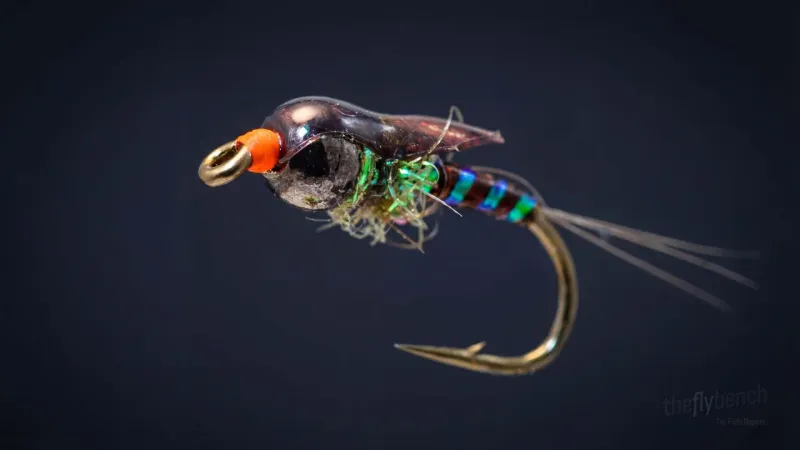
Dry FliesStick
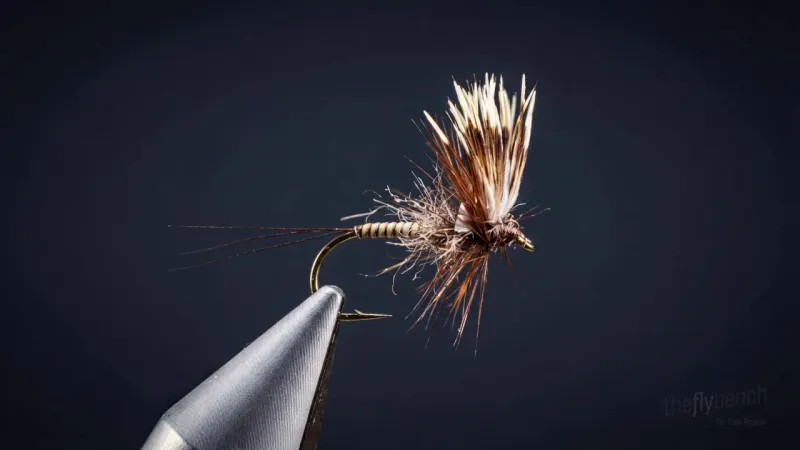
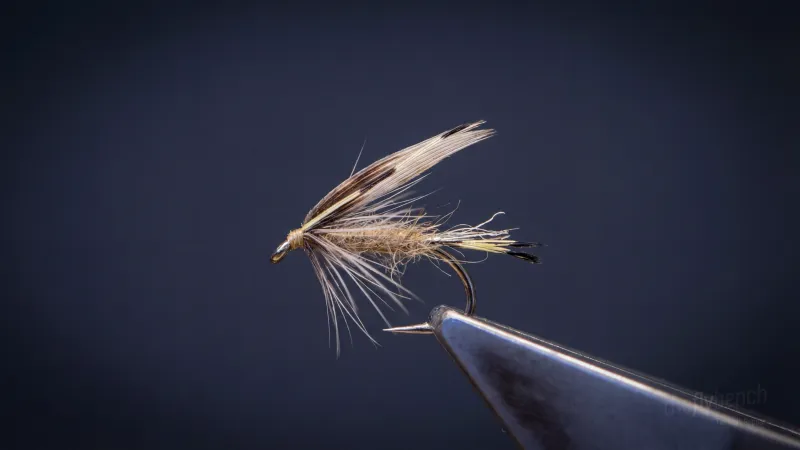
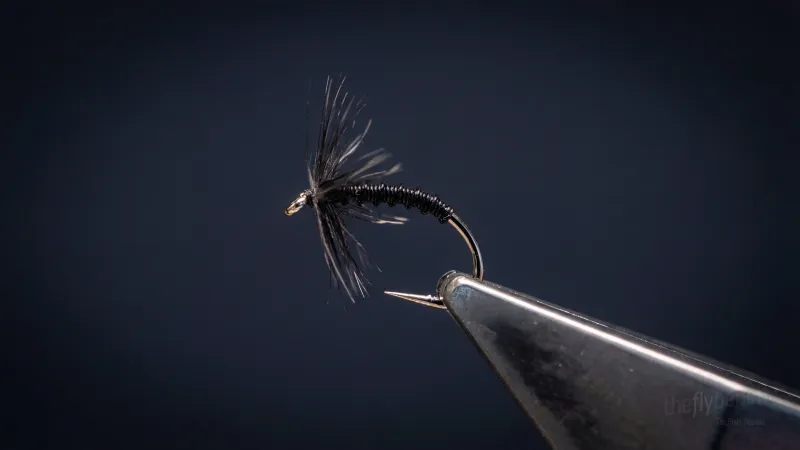
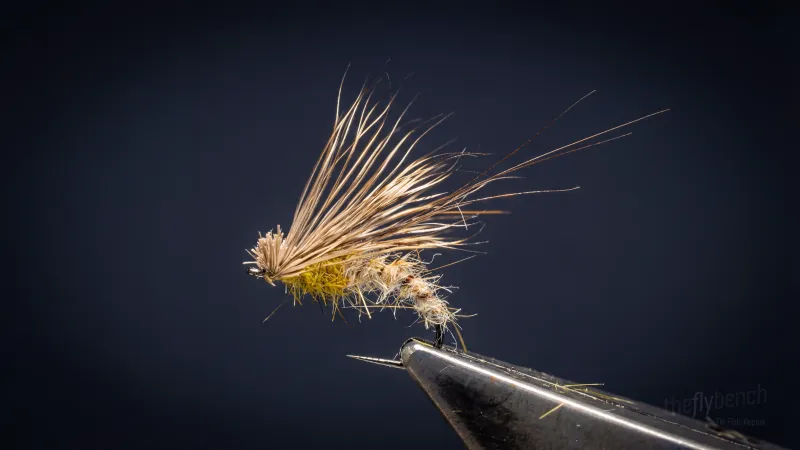
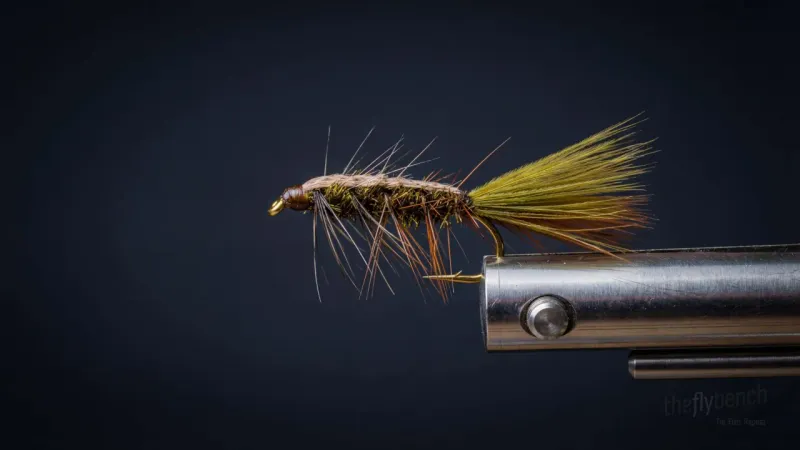
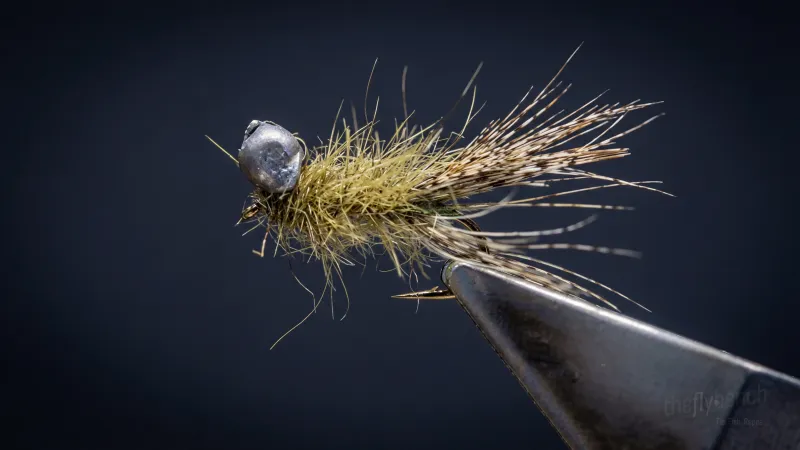
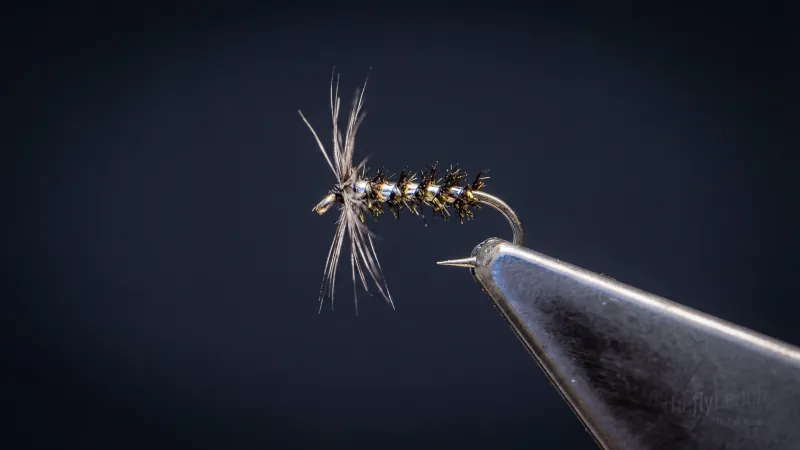
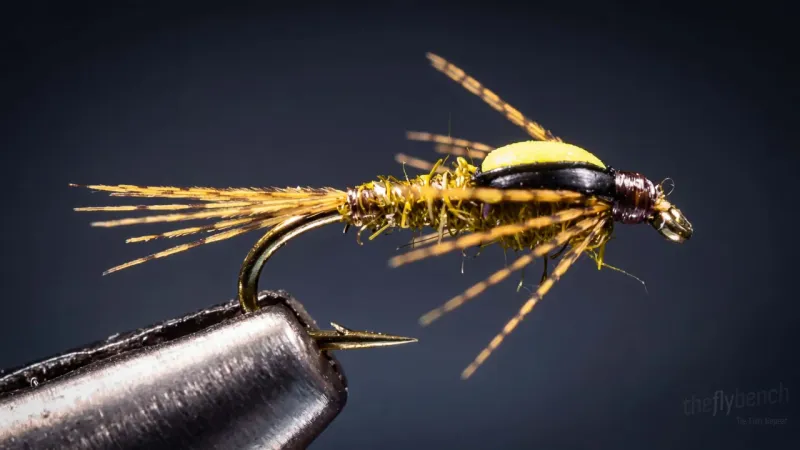
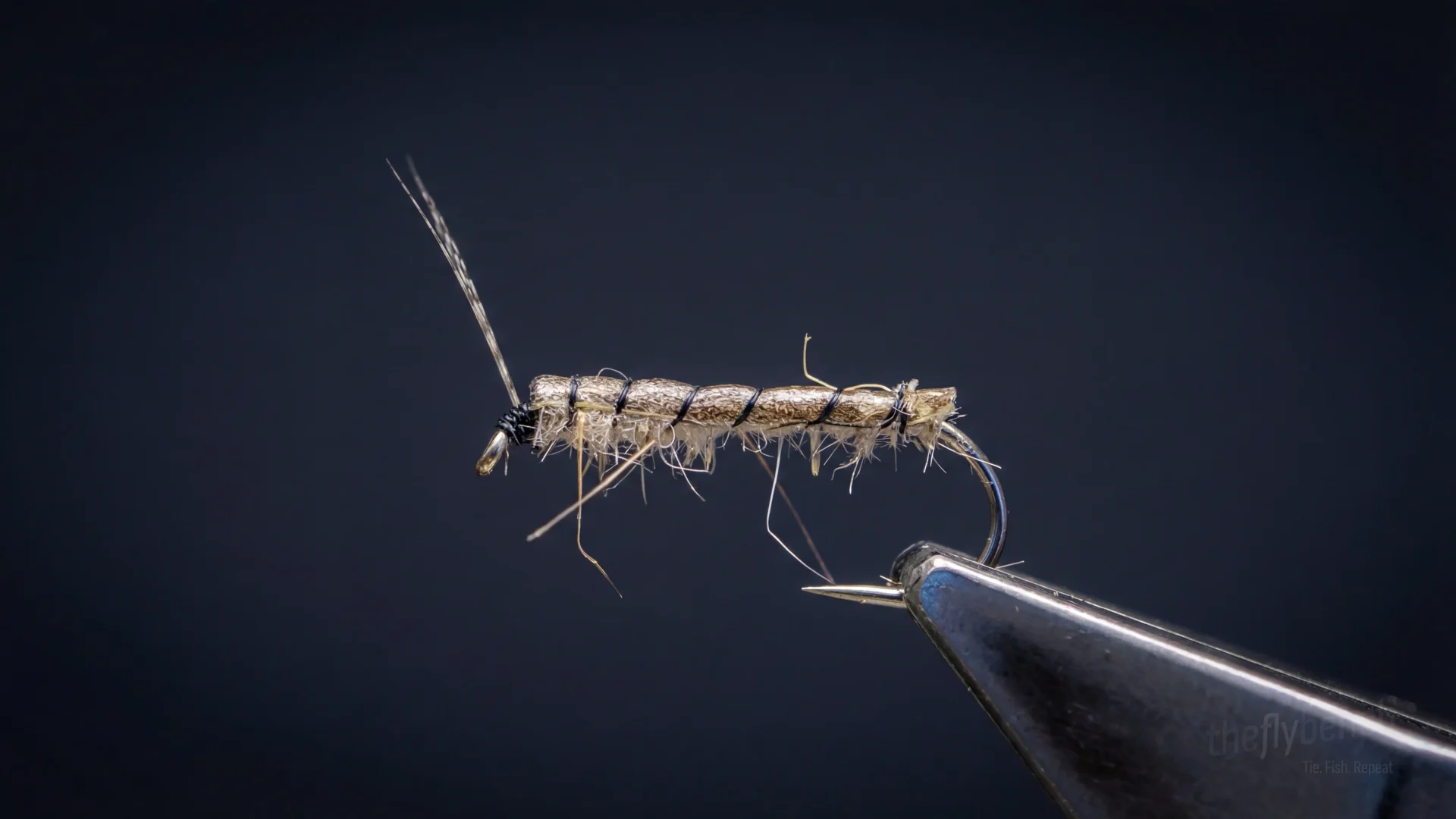
Hans Weilenmann's stick pairs a tan Argentinean hare body with an eel skin shellback, Thin Skin works as a substitute, ribbed with the tying thread itself, then adds grey mallard barb antennae up front. The slim, segmented profile and prominent antennae suggest a resting mayfly or caddis adult on moving water and stillwaters.
Spring, Summer, Fall
Intermediate
Trout
Feb 2026
Overview
The eel skin shellback gives this fly a glossy, translucent back that catches light differently than dubbing alone, an effect Thin Skin can reproduce if eel skin isn't on hand. Ribbing with bare thread instead of wire keeps the segmentation subtle rather than flashy. The long grey mallard antennae are the fly's signature feature, useful for imitating naturals with visible feelers during spring through fall hatches.
Where to Buy This Fly
We only link to fly shops we trust. Some links are referral links, which may earn us a commission at no extra cost to you.
Materials
- Hook:
- Partridge BIN #10-12
- Thread:
- Sparton 6/0, black
- Antennae:
- Grey mallard barbs
- Shellback:
- Eel skin (alternative: Thin Skin)
- Body:
- Argentinean hare, tan
- Rib:
- Tying thread
Behavior & Presentation
Natural Behavior: Fish key on the unique wake pattern created by long antennae trailing on the surface film. Anglers use minimalist patterns on selective water because the specific silhouette triggers recognition in educated fish.
Where Trout Eat It: Fish intercept floating caddis from the surface film in smooth runs, spring creek flats, slicks, and pool tail-outs.
How to Fish It: Present with upstream casts and drag-free drifts. The minimalist design requires precise presentations but effectively imitates various insects in the film during selective feeding.
Best Water: Focus on smooth runs, spring creek flats, pool tail-outs, slicks, and calm edges where selective feeding demands precise presentations.
Strike Type: Watch for subtle sips and delicate takes from highly selective fish that refuse bushy patterns but confidently eat simple silhouettes.
Fishing Strategy
Rigging Suggestions: Employ a 10-14 foot leader tapered to 6X or 7X tippet for demanding situations. Use minimal floatant to maintain the low profile.
Seasonal Timing: Works best from May through September during peak terrestrial and aquatic insect activity, particularly productive during midsummer when diverse hatches occur.
Pro Tips: The simple silhouette and low profile trigger takes from highly selective trout that refuse bushy attractor patterns. Perfect for educated fish.
Entomology
Caddis adults often land clumsily on the water surface with their long antennae creating distinctive V-shaped wakes as they float. The unique silhouette and antenna pattern triggers recognition in experienced trout, prompting confident takes on these high-calorie targets.
- Order
- Trichoptera
- Common Name
- Caddisfly
- Organism Type
- insect
- Life Stage
- adult