Dry FliesCreed
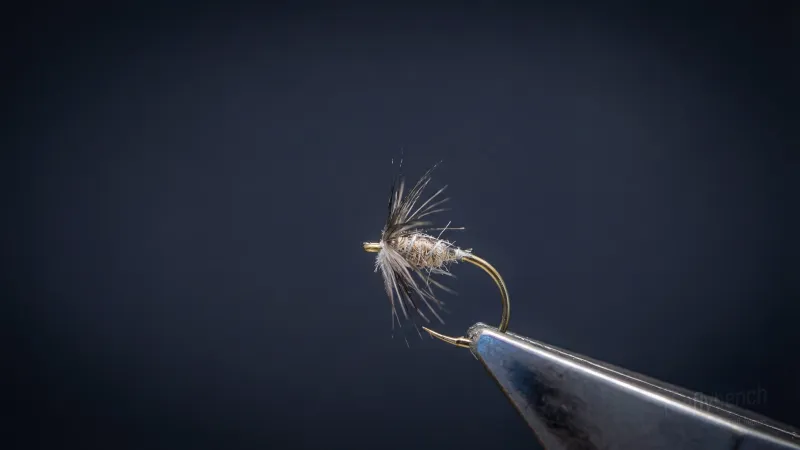
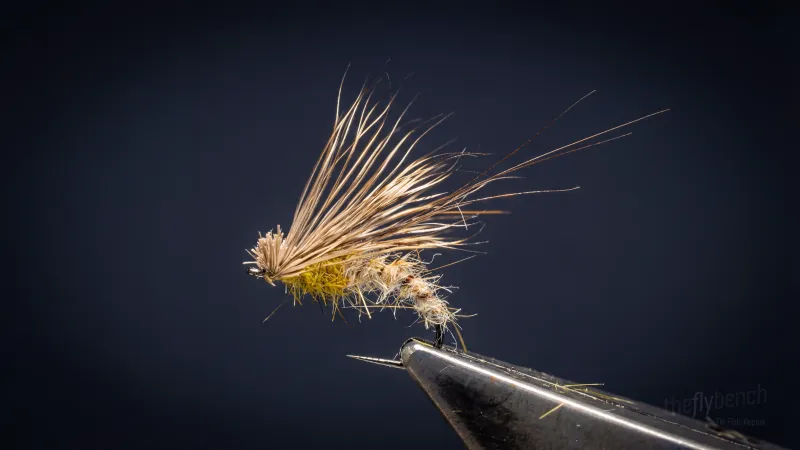
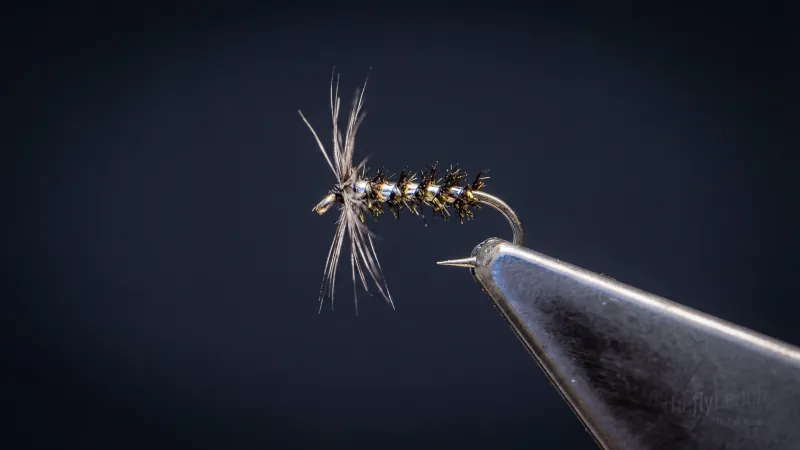
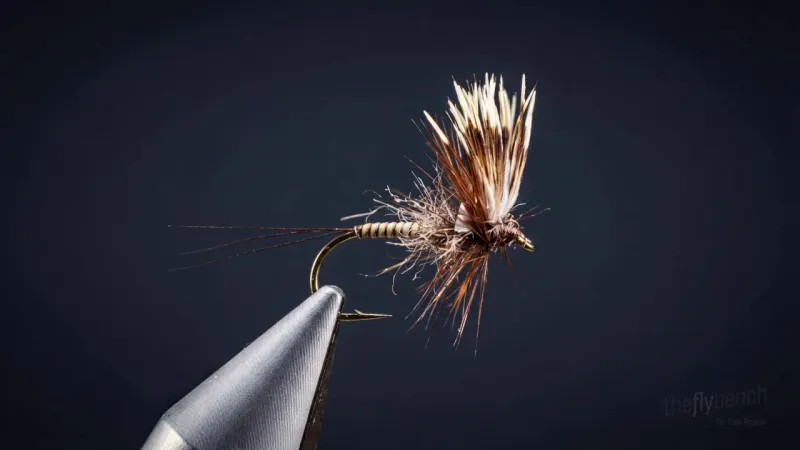
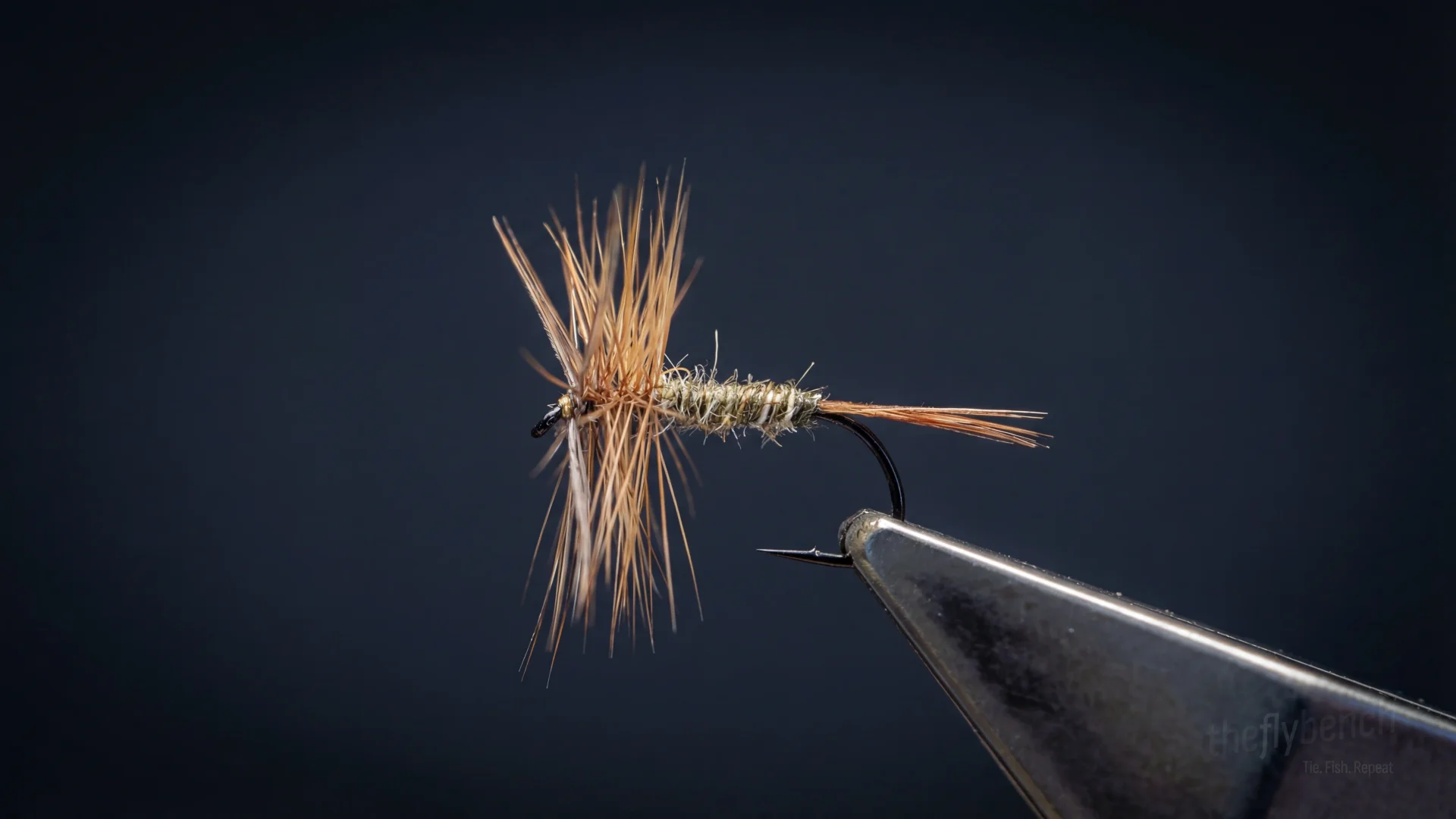
Hans Weilenmann's Creed layers a soft woodcock marginal covert hackle in front of a stiffer cree hackle, over a hare's ear body and cree barb tail. The mixed hackle gives a mottled, buggy silhouette that reads as either a mayfly or a caddis without committing to either.
Spring, Summer, Fall
Intermediate
Trout
Feb 2026
Overview
Weilenmann built the Creed around a double hackle: a soft woodcock covert up front for movement, backed by a cree hackle for support. He later corrected the front hackle in his notes from grouse to woodcock, though either works, along with most well-marked upland bird feathers. The hare's ear body keeps things simple and buggy, making this a solid choice on pressured water where fish look over a fly before rising.
Where to Buy This Fly
We only link to fly shops we trust. Some links are referral links, which may earn us a commission at no extra cost to you.
Materials
- Hook:
- Tiemco 102Y #13
- Thread:
- Benecchi 12/0, tobacco
- Hackle 1:
- Woodcock marginal wing covert
- Hackle 2:
- Cree
- Tail:
- Cree barbs
- Body:
- Hare's ear
Behavior & Presentation
Natural Behavior: Mayfly duns ride the film with upright wings drying after emergence, drifting helplessly for extended periods. Caddis adults rest between flights with tent-shaped wings creating distinct silhouettes.
Where Trout Eat It: Selective feeders cruise calm slicks and foam lines, sipping duns and adults from the surface film.
How to Fish It: Present with drag-free drifts through feeding lanes, maintaining natural float without micro-drag.
Best Water: Slicks, tail-outs, flat water, and seams in technical spring creeks and tailwaters.
Strike Type: Delicate sips with subtle rise forms as selective fish take prey with precision.
Fishing Strategy
Rigging Suggestions: Use a 9-12 foot leader tapering to 5X tippet for delicate presentations. Apply floatant to the body and hackle.
Seasonal Timing: Most effective during peak feeding periods at dawn and dusk. Water temperatures between 45-65°F typically produce best results.
Pro Tips: The pattern's buoyancy makes it an excellent choice for dry-dropper setups. Pair with a beadhead nymph or emerger in sizes 18-20 on 18-24 inches of tippet.
Entomology
Late evening caddis adults land on calm water to rest between mating flights, sitting motionless with wings folded in a distinctive tent shape that creates a subtle footprint on glassy surfaces. Fish cruise in predictable circuits to methodically sip resting adults during the twilight feeding window.
- Order
- Trichoptera
- Common Name
- Caddisfly
- Organism Type
- insect
- Life Stage
- adult