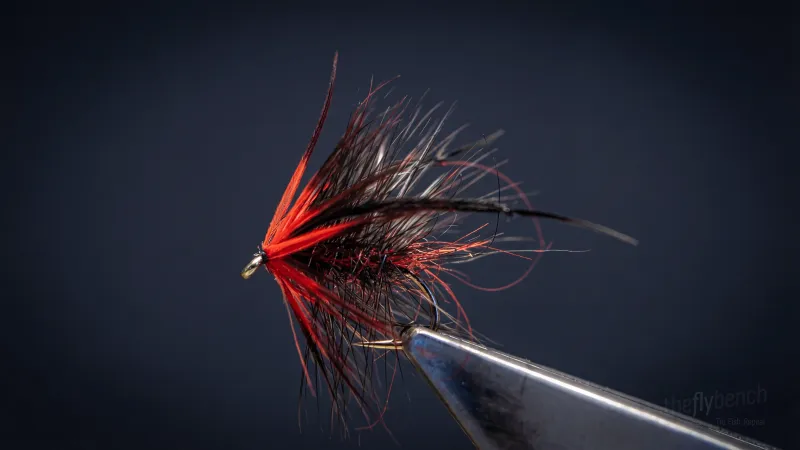
Dry FliesBloody Squirrel
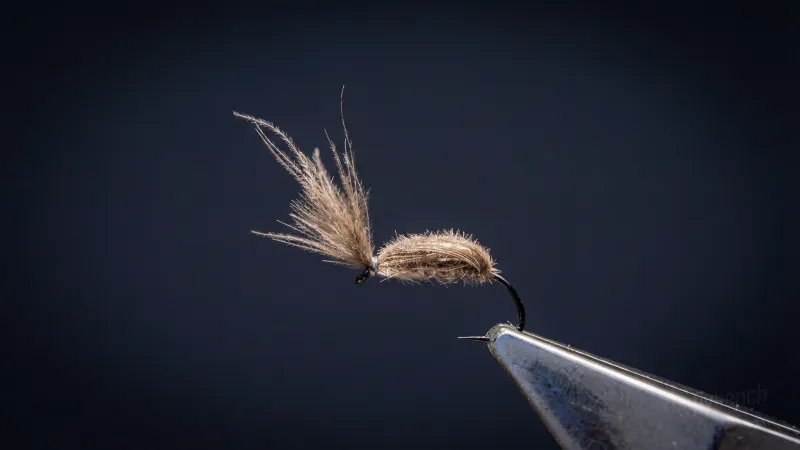
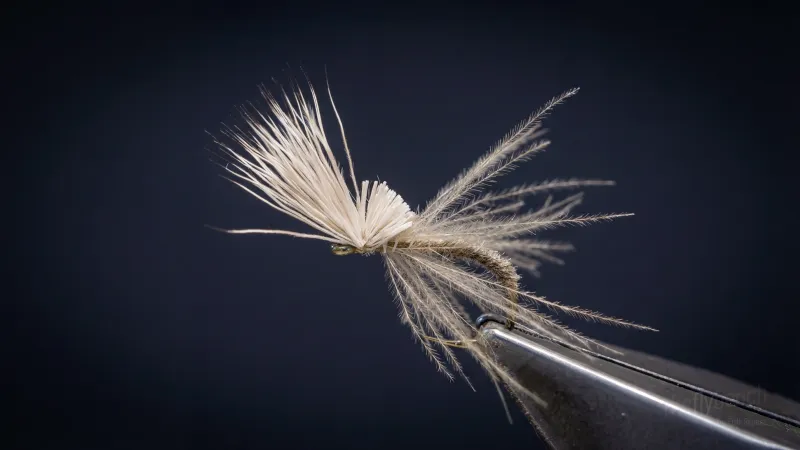
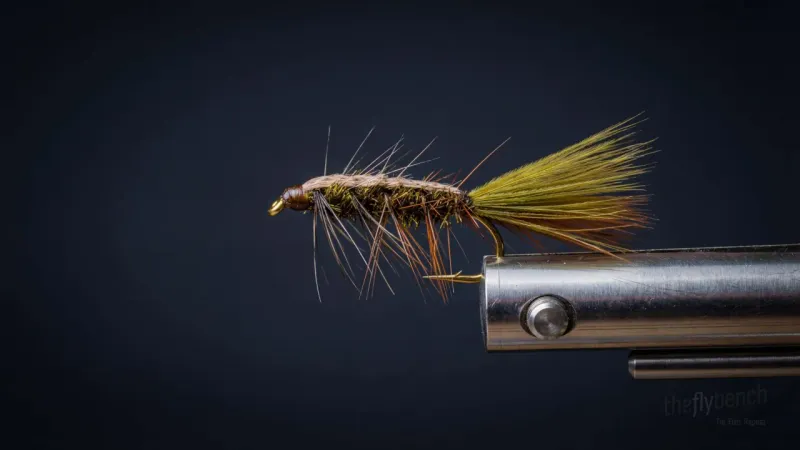
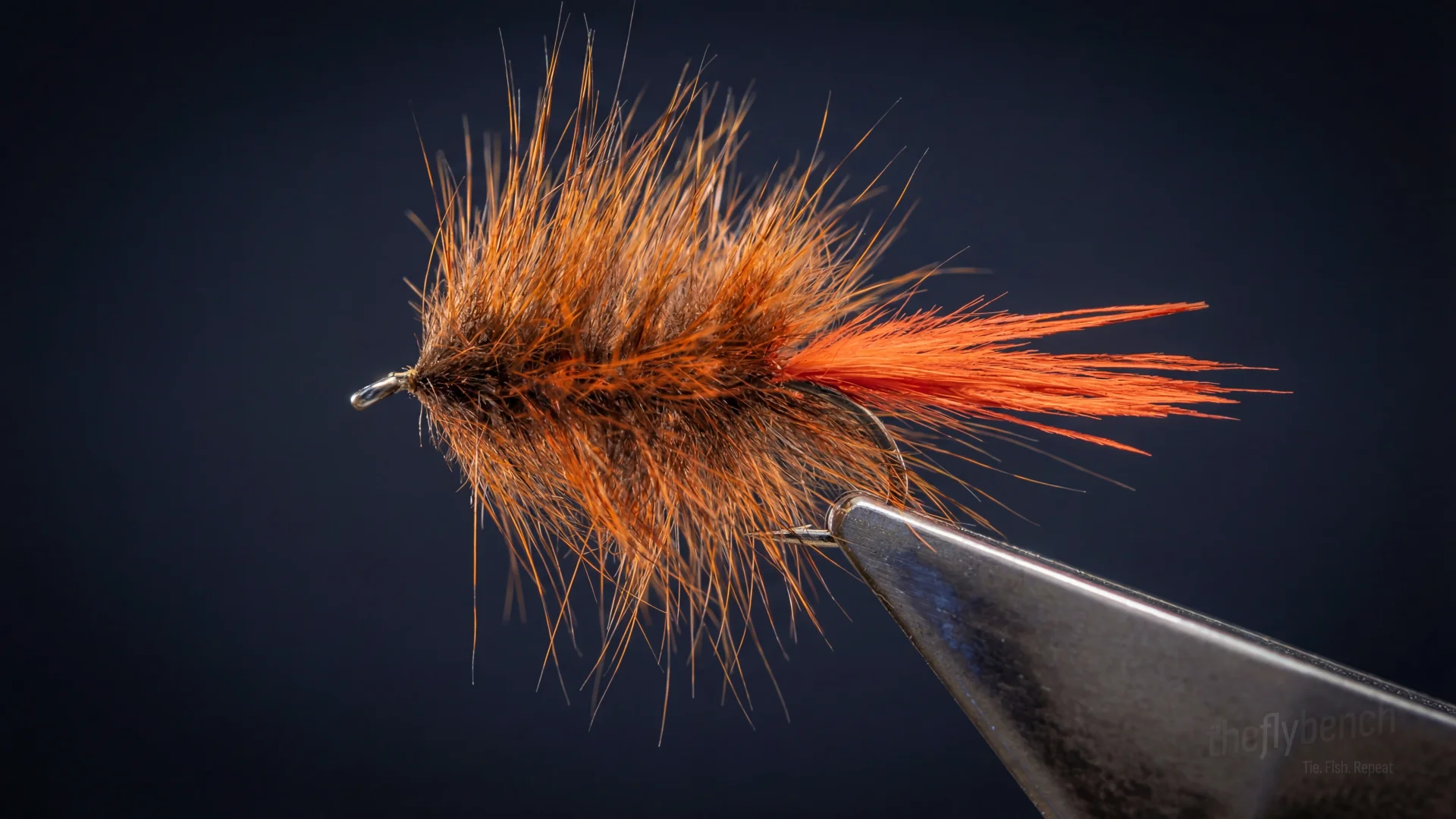
Hans Weilenmann's Bloody Squirrel uses a chestnut-dyed pine squirrel body spun into split thread over a longshank size 10 hook, finished with a scarlet hackle-flue tail for contrast. The shaggy squirrel hair gives the fly a buggy silhouette that suits caddis or mayflies washed onto the water, and it works well on moving water and stillwater alike.
Spring, Summer, Fall
Beginner
Trout
Feb 2026
Overview
Weilenmann inserted dyed chestnut pine squirrel back hair into split thread rather than standard dubbing, producing a rougher, more mobile body texture that moves in the current like natural hackle fibers. A single scarlet hackle flue forms the tail, adding a small flash of color against the warm brown body. The longshank hook gives the pattern extra length for a bigger profile without added weight. It's simple enough for less experienced tyers and effective as a general searching pattern when caddis activity picks up after rain.
Where to Buy This Fly
We only link to fly shops we trust. Some links are referral links, which may earn us a commission at no extra cost to you.
Materials
- Hook:
- Longshank #10
- Thread:
- Benecchi 12/0, tan
- Tail:
- Hackle flue, scarlet
- Body:
- Pine squirrel back hair, dyed chestnut - inserted into split thread
Behavior & Presentation
Natural Behavior: Caddis sheltering beneath streamside vegetation wash into the current during rain, struggling against flow after being dislodged by heavy drops.
Where Trout Eat It: Fish patrol banks and undercut areas during wet weather, intercepting dislodged caddis and terrestrials concentrated by storms.
How to Fish It: Dead drift along banks with subtle twitches to mimic struggling insects. Fish undercut areas and bank edges actively.
Best Water: Focus on bank edges, undercut structures, foam lines collecting storm debris, and seams near vegetation.
Strike Type: Watch for aggressive takes or confident rises as fish capitalize on storm-driven food sources.
Fishing Strategy
Rigging Suggestions: Use a 9-12 foot leader tapering to 5X tippet for delicate presentations. Apply floatant to the body and hackle.
Seasonal Timing: Most effective during peak feeding periods at dawn and dusk. Water temperatures between 45-65°F typically produce best results.
Pro Tips: The squirrel hair dubbing creates a buggy profile with excellent flotation. The red tag provides a strike trigger when fish are being selective to standard patterns.
Entomology
Adult caddisflies shelter under streamside vegetation during rain events and get dislodged by heavy drops, washing into the current where they struggle against the flow. The increased terrestrial activity during wet weather provides bonus feeding opportunities for trout that patrol banks and undercut areas during storms.
- Order
- Trichoptera
- Common Name
- Caddisfly
- Organism Type
- insect
- Life Stage
- adult