Dry FliesBuddug
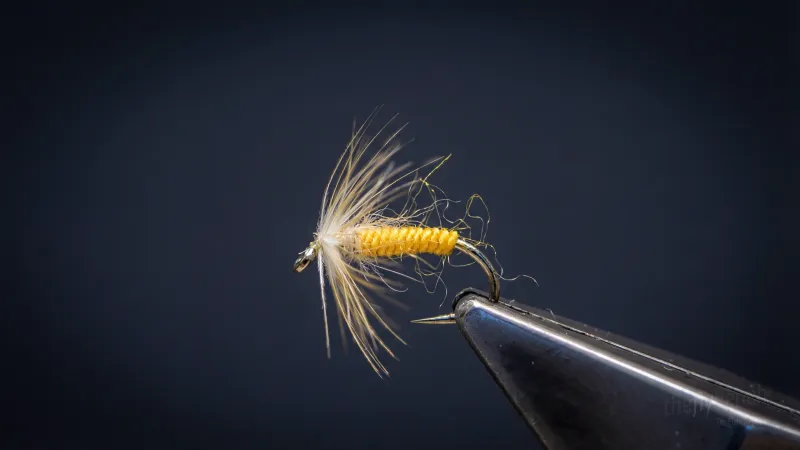
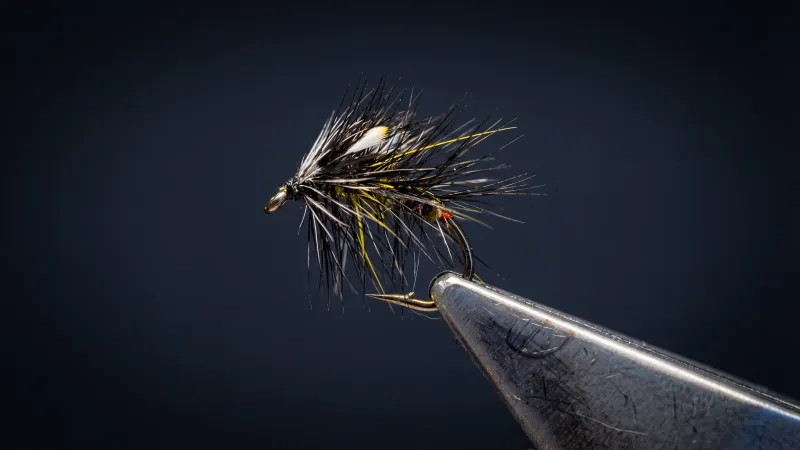
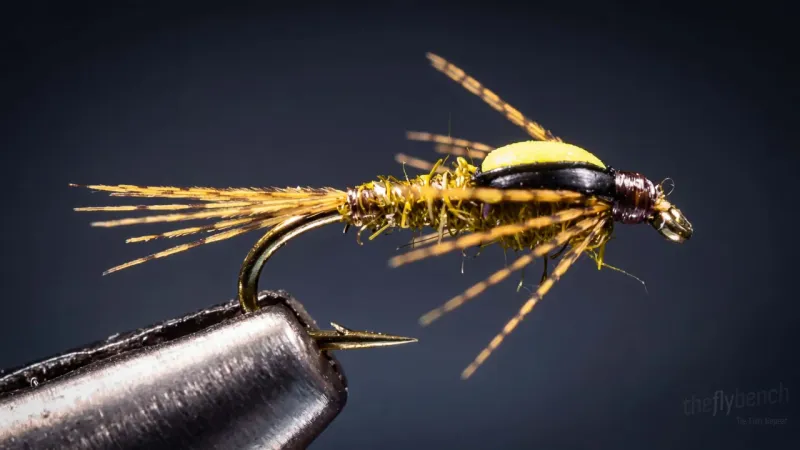
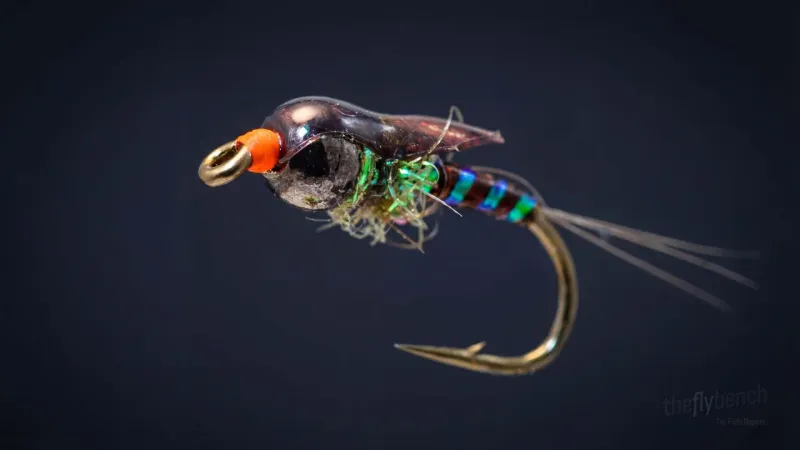
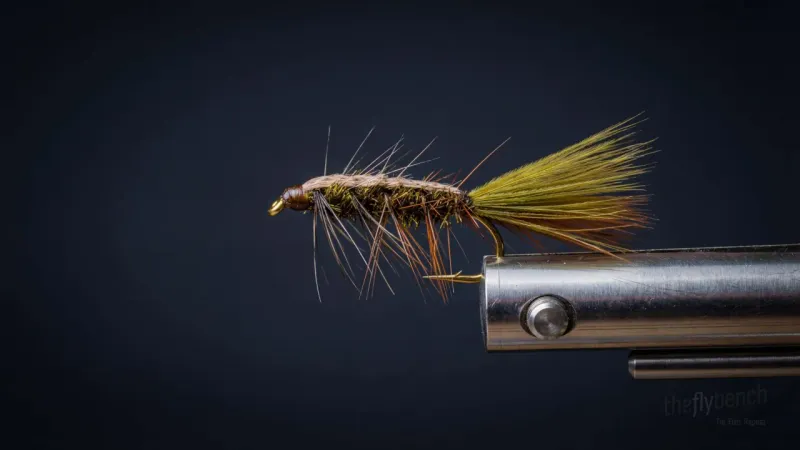
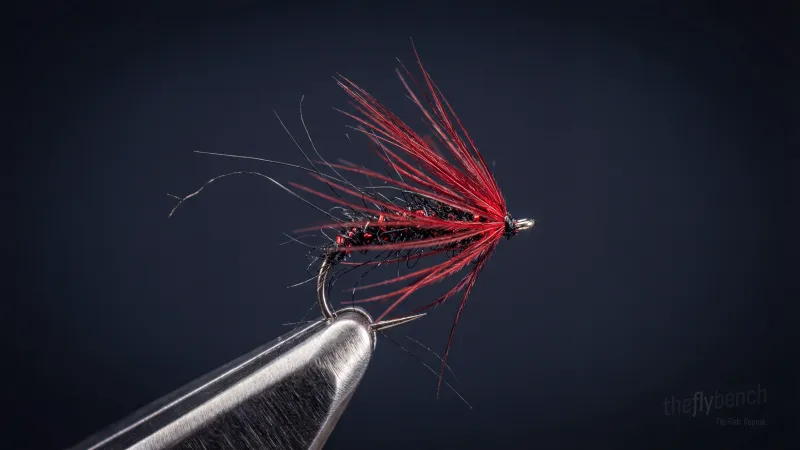
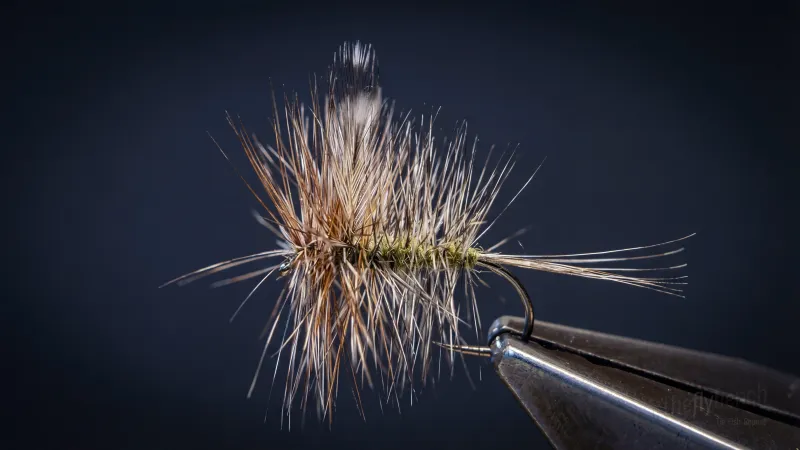
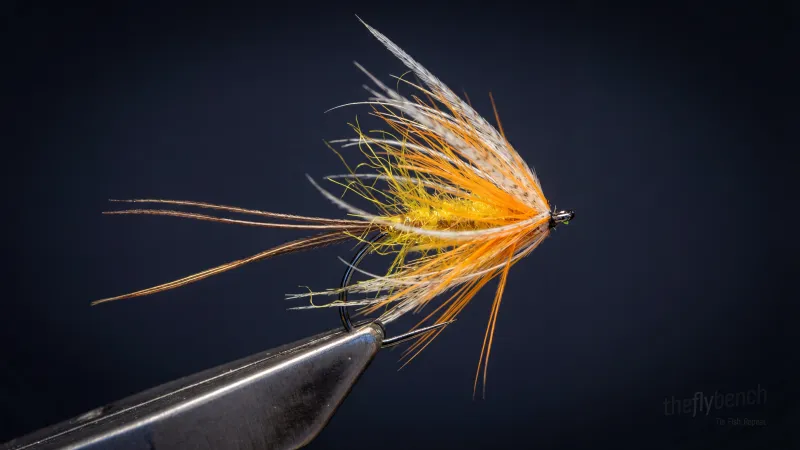
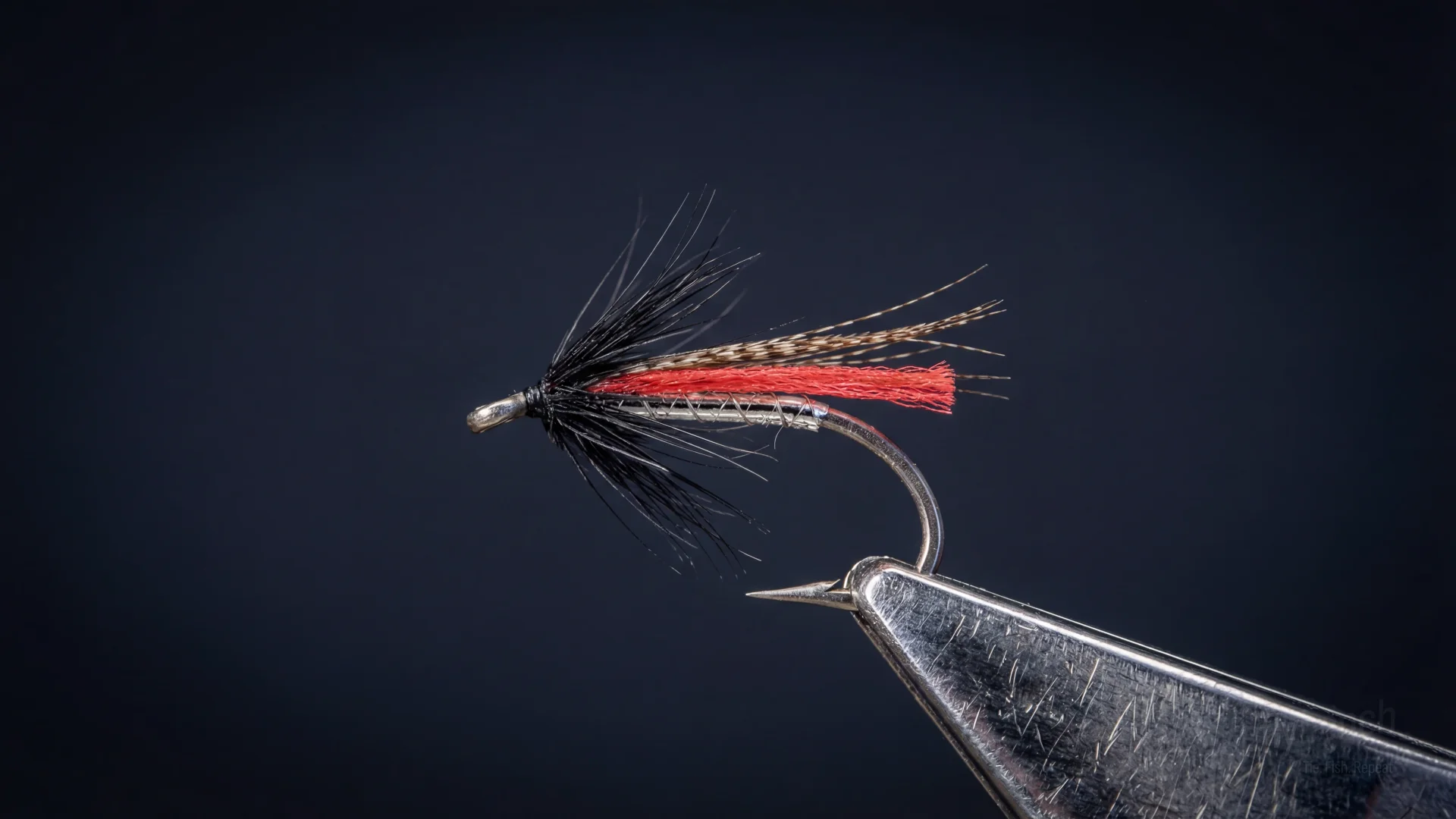
Hans Weilenmann's Buddug wraps a flat silver Mylar body with a fine silver wire rib for a bright, glinting underbody, topped with a sparse bronze mallard wing over a Glo-Brite underwing and a black hen hackle. The reflective body gives the size 10 fly extra visibility in faster water, built for moving water and stillwater during caddis activity.
Spring, Summer, Fall
Intermediate
Trout
Feb 2026
Overview
Weilenmann used flat silver Mylar rather than dubbing for the body, producing a bright, segmented base that a fine silver wire rib reinforces and highlights further. A flash of Glo-Brite thread sits beneath a sparse bronze mallard wing, giving the fly a visible underwing without overloading the silhouette, while a black hen hackle finishes the collar. Tied on a size 10 Partridge Stronghold hook, its flash makes it a good choice in broken or discolored water where a duller pattern might go unnoticed during caddis flights.
Where to Buy This Fly
We only link to fly shops we trust. Some links are referral links, which may earn us a commission at no extra cost to you.
Materials
- Hook:
- Partridge Stronghold #10
- Thread:
- Benecchi 12/0, black
- Rib:
- Wire, fine silver
- Body:
- Mylar, flat silver
- Underwing:
- Glo-Brite #4
- Wing:
- Bronze mallard barbs - sparse
- Hackle:
- Hen, dyed black
Behavior & Presentation
Natural Behavior: Caddis fly upstream during mating migrations, pausing to rest on the surface before continuing against current. Brief rest periods create vulnerability.
Where Trout Eat It: Fish intercept resting caddis in runs, along seams, and at riffle edges where migrating insects predictably pause during upstream flights.
How to Fish It: Dead drift through likely holding water. The hot spot aids tracking while natural profile maintains effectiveness during selective feeding.
Best Water: Focus on riffle edges where caddis rest, seams along current transitions, runs, and tail-outs.
Strike Type: Watch for confident rises or subtle takes as fish intercept resting migrants.
Fishing Strategy
Rigging Suggestions: Fish on 9-12 foot leader with 4X-5X tippet. Can serve as lead fly in dry-dropper rig, with hot spot helping track the fly position.
Seasonal Timing: Most effective during hatches April through June and feeding September through October when water temperatures range 48-62°F. Prime activity occurs during morning and evening feeding periods.
Pro Tips: Materials compress naturally when fish strike, improving hook-up rates. Apply standard floatant to hackle and wing while the hot spot element provides tracking visibility in varied light conditions.
Entomology
Adult caddis fly upstream during mating migrations, periodically resting on the surface to recover energy before continuing their journey against the current. These brief resting periods during upstream flights create predictable feeding opportunities in specific river sections where migrating insects consistently pause and become vulnerable to interception.
- Order
- Trichoptera
- Common Name
- Caddisfly
- Organism Type
- insect
- Life Stage
- adult