

Overview
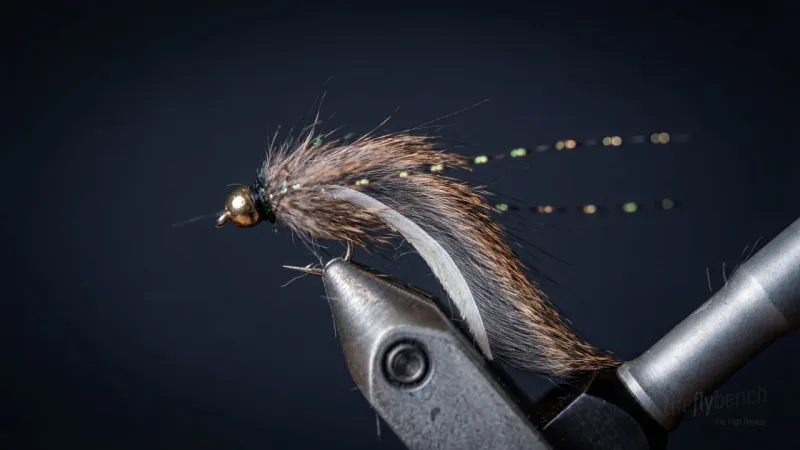
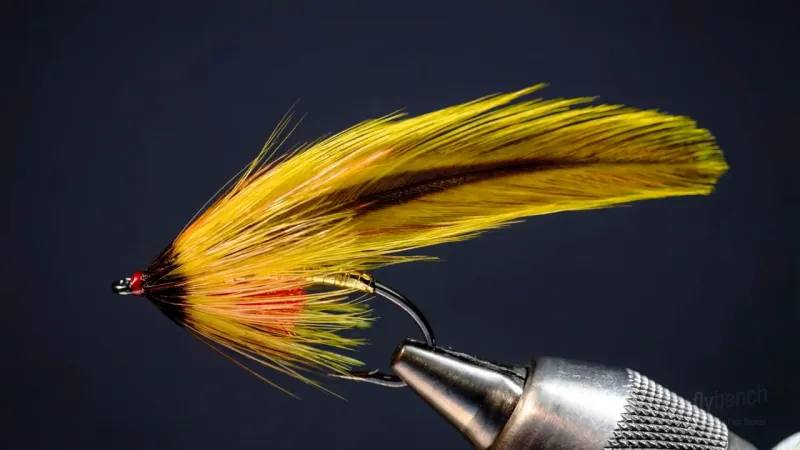
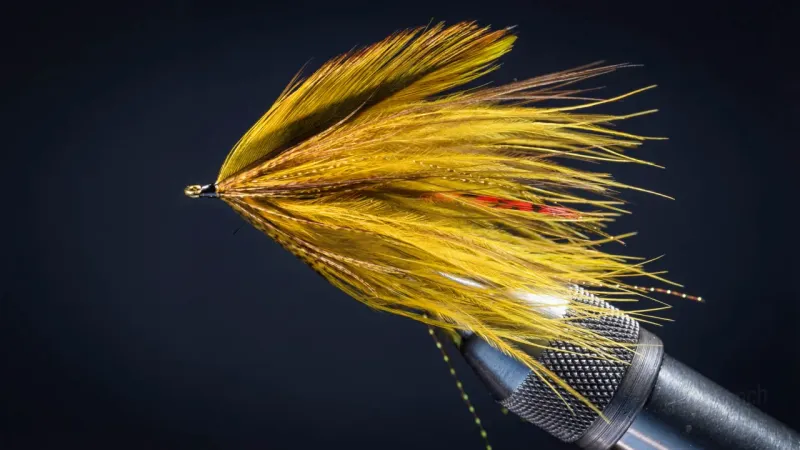
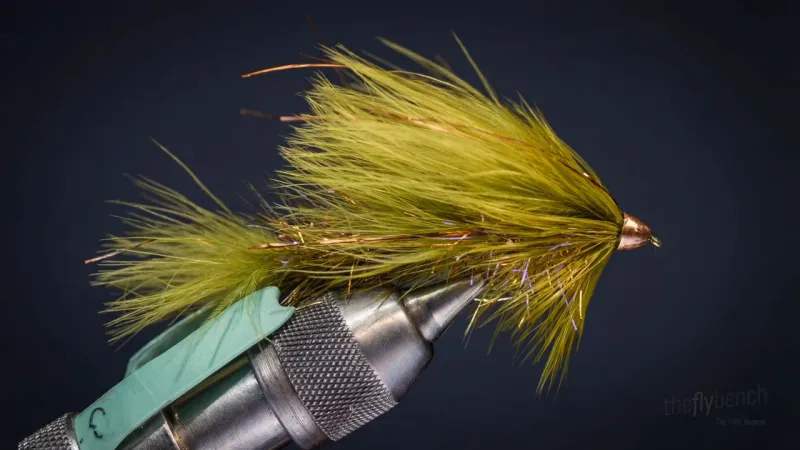
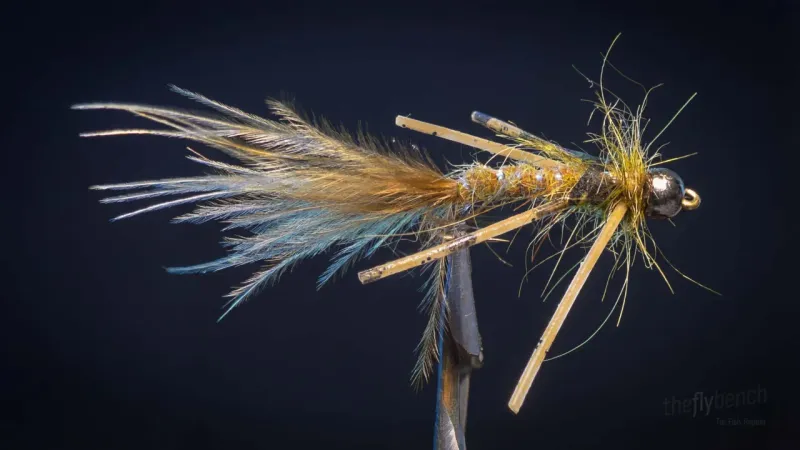
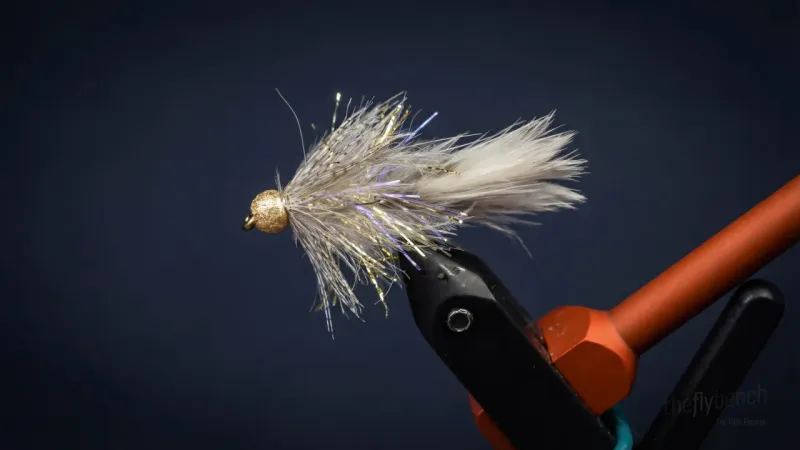
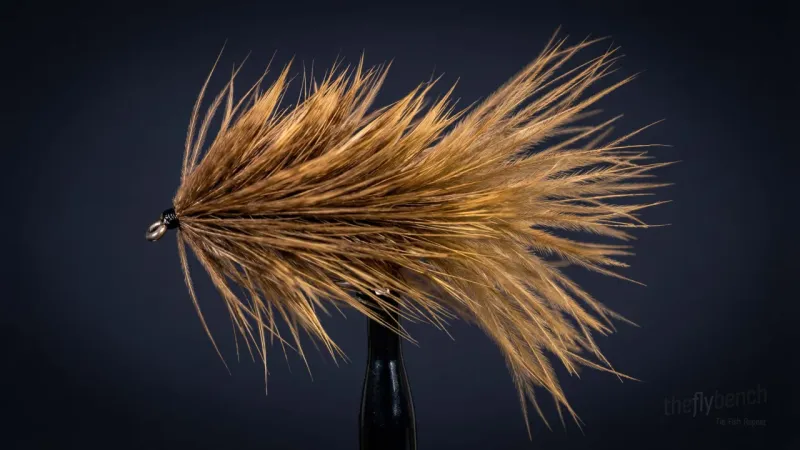
This pattern draws from Charlie Craven's Squirrel Leech design, scaled down for micro streamer applications. Pine squirrel provides exceptional movement in the water, with each fiber responding independently to currents and retrieve. The rusty brown coloration matches natural leeches and small sculpins found in trout streams.
Related patterns

Behavior & presentation
- Natural Behavior
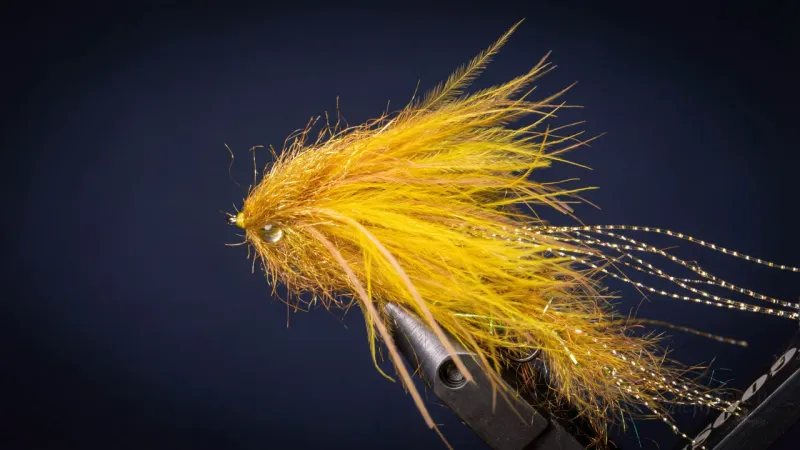
- Small leeches undulate through shallow water with rhythmic flexing motions, while juvenile sculpins dart nervously between rocks with twitchy swimming bursts. Pine squirrel zonker strips pulse and breathe with each pause in the retrieve, each individual fiber moving independently to create lifelike animation.
- Where Trout Eat It
- Clear-water educated trout in low-flow conditions hold in shallow runs (1-3 feet) and along weed edges. The micro profile (#12-16) and pine squirrel movement trigger strikes from spooky fish.
- How to Fish It
- Strip with slow, varied cadence—short strips with long pauses. The pine squirrel fibers pulsate independently even during pauses creating lifelike movement.
- Best Water
- Target South Platte tail-outs during low, clear conditions and weed edges in 1-4 feet.
- Strike Type
- Strikes feel like sudden jolts or aggressive grabs on the strip; when you feel resistance, strip-set firmly with a sharp pull of the line hand.
Fishing strategy
- Rigging Suggestions
- Fish on 9-foot leader with 4X-5X fluorocarbon tippet. The small tungsten bead provides adequate weight for reaching fish without excessive bulk.
- Seasonal Timing
- effectiveness with particular success during low water conditions when fish are spooky and require smaller presentations. Select this pattern when targeting educated trout in clear water or when larger streamers are being refused.
- Pro Tips
- The copper bead and red flash provide subtle attraction while the rusty brown pine squirrel creates a natural silhouette. The tungsten ensures the fly reaches the productive zone quickly.
Where to fish it
Rivers anglers pair with this fly, with local shops that stock it.
River details and fly shops from River & Run, our sister site.
Entomology
Tiny baitfish and leeches exhibit nervous, twitchy movements in current seams, their small size making them susceptible to being swept into faster water. Fish target these diminutive prey items because their erratic behavior signals vulnerability, and their compact size allows predators to consume multiple specimens during a single feeding bout.
- Organism
- baitfish
- Life stage
- general
Pattern details
- Moving Water
- Stillwater
- Rocky Mountain
- active-retrieve
- strip-retrieve
- searching-pattern
- swing
- low-clear-water