Euro NymphsZebra Bomb Jig
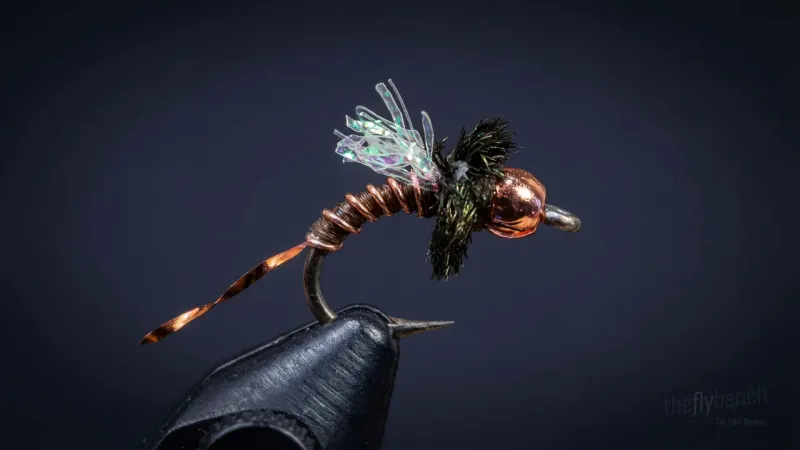
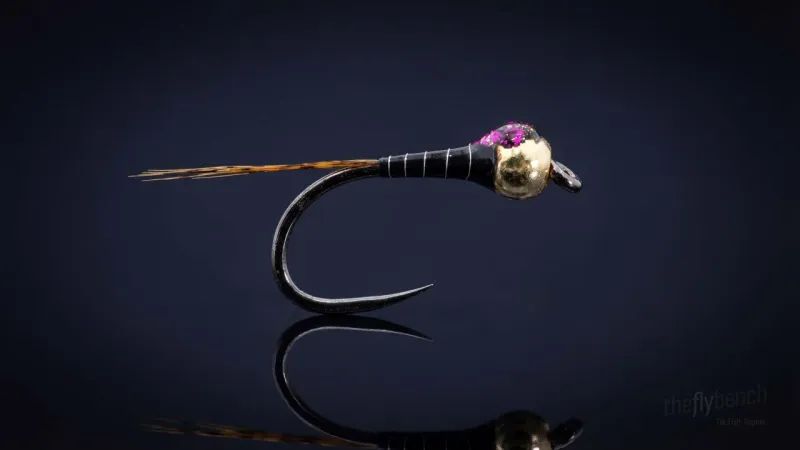
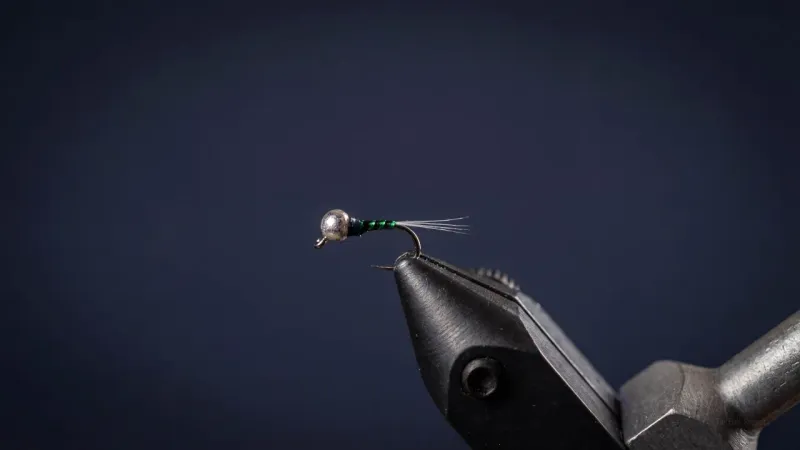
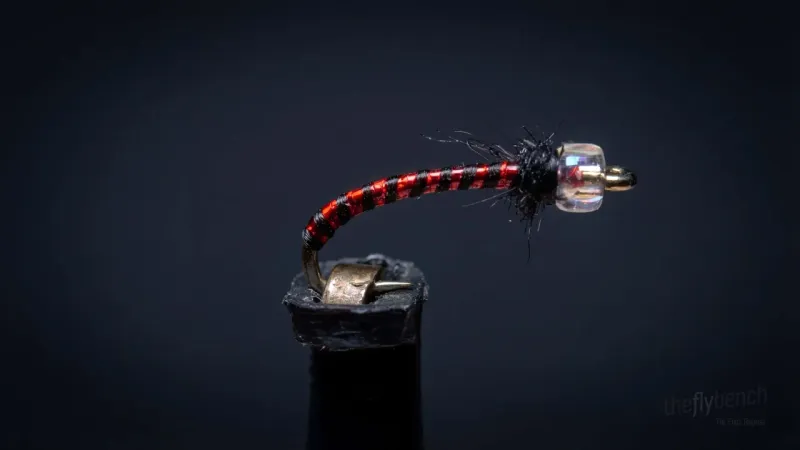
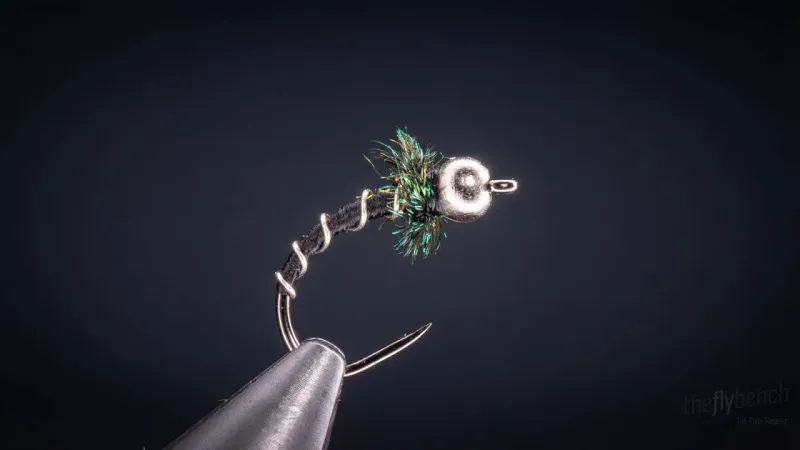
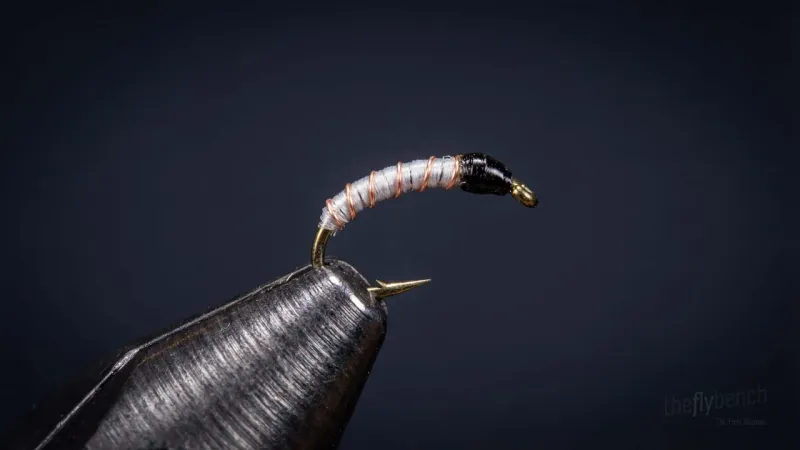
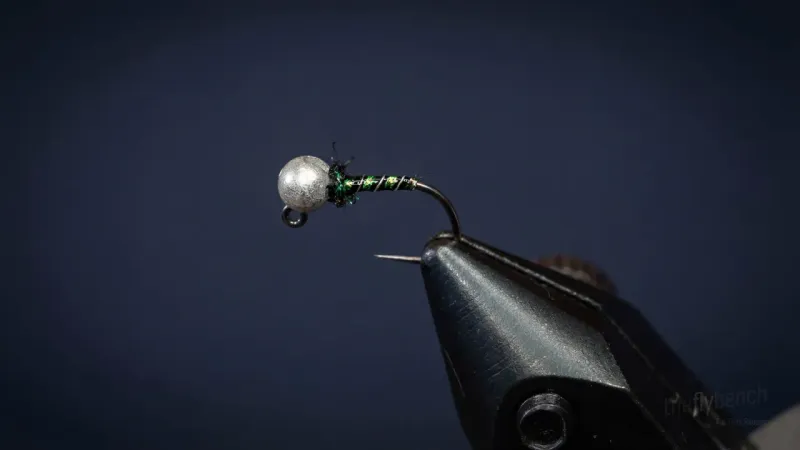
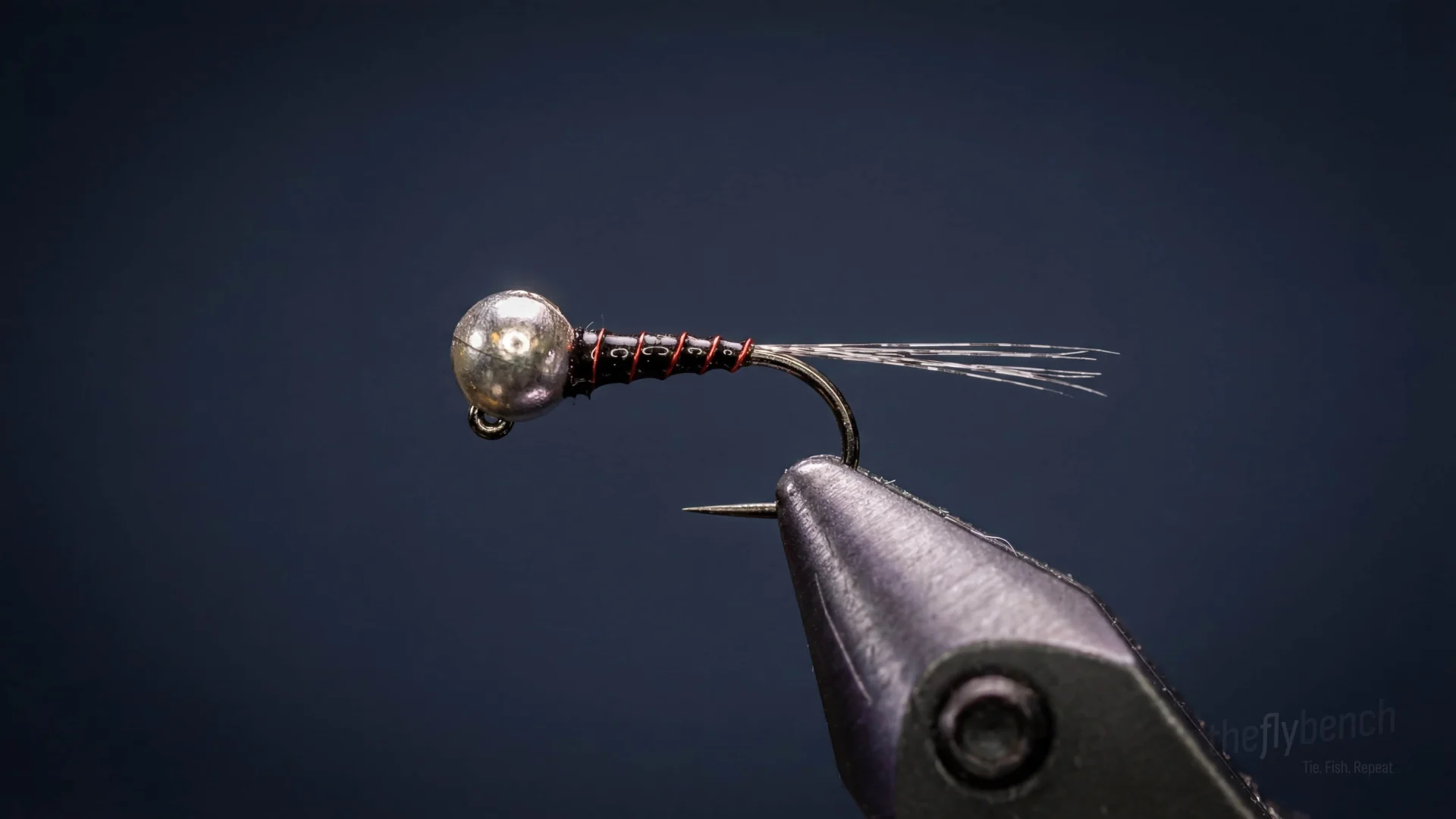
A jig version of the classic Zebra Midge, the Zebra Bomb Jig is an effective midge imitation for tailwaters and spring creeks. The black and silver color scheme is highly effective year-round, particularly during midge hatches. Simple to tie with maximum effectiveness, this pattern combines the proven Zebra Midge design with the jigging action and hook-up advantages of a jig hook.
Year Round
Beginner
Trout
Dec 2025
Overview
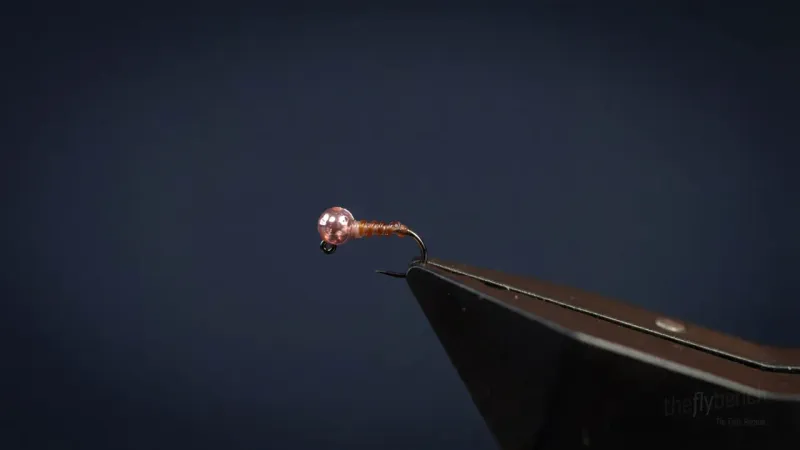
Developed by Fly Fish Food, this pattern takes the time-tested Zebra Midge design and adapts it to a jig hook for improved presentation in competitive and technical fishing situations. The jig hook rides point-up, reducing snags and improving hook-ups. The UV Pearl thorax adds subtle attraction while maintaining the pattern's minimalist profile. Color variations include red, olive, and natural, but black remains the most popular and effective.
Materials
Hook: Hanak H 400 BL Jig Hook, size #18
Bead: Hanak Round+ Slotted Tungsten, silver, 2.5mm
Thread: UTC Ultrathread 70 Denier, black
Body: Thread, black
Ribbing: UTC Ultra Wire, silver, x-small
Thorax: Ice Dub, UV Pearl
Behavior & Presentation
Natural Behavior: Midge larvae burrow in streambed sediments in dense colonies, their wriggling bodies constantly visible among bottom substrates. Dislodged individuals drift helplessly in the current, providing year-round forage in high concentrations where silt and organic matter accumulate.
Where Trout Eat It: Year-round tailwater trout feed near bottom in 2-4 foot depths where midge larvae colonize soft substrate. Fish key on larvae along transition zones between runs and tail-outs when midges dominate.
How to Fish It: Fish deep under indicator or as euro rig trailing fly. Keep the jig hook bouncing along bottom—the point-up design prevents snags.
Best Water: Focus on tailwater tail-outs with soft substrate and gentle bends where midge larvae accumulate.
Strike Type: Fish mouth this tiny pattern gently in winter tailwaters, producing sighter color shifts rather than movement. The UV pearl thorax's subtle flash triggers takes that feel like increased line weight or slight upstream drift deflections, requiring careful observation of tippet angle changes.
Fishing Strategy
Rigging Suggestions: Fish on 10-15 foot leader with 5X-7X tippet depending on water clarity and fish wariness. Excellent as a point fly in euro nymphing rigs with a lighter pattern as dropper.
Seasonal Timing: , particularly productive during winter and early spring when midges are the primary food source. Excellent choice during cold water periods (below 45°F) when trout feed selectively on small insects.
Pro Tips: Sinks quickly due to tungsten bead, reaching depths of 2-3 feet rapidly. The jig hook design causes the fly to ride hook-point up, reducing snags on bottom structure.
Entomology
Midge larvae inhabit the upper layers of streambed sediments in extraordinary densities, often exceeding 10,000 individuals per square meter in nutrient-rich tailwaters. Their small size (2-8mm) and constant availability make them foundational forage, especially during winter months when other invertebrates are dormant, and their vermiform wriggling motion triggers instinctive feeding responses even in highly selective trout focused on larger prey items.
- Order
- Diptera
- Family
- Chironomidae
- Common Name
- Midge
- Organism Type
- insect
- Life Stage
- larva