Midge / EmergersDeadpool Midge
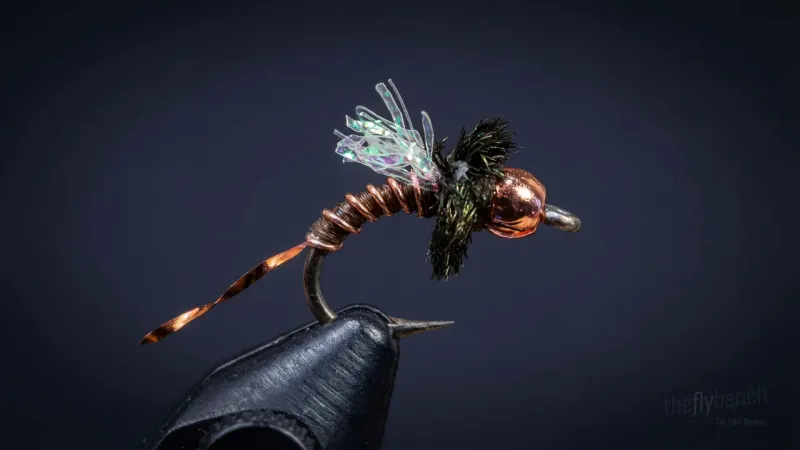
The Deadpool Midge is a flashy and highly effective midge pattern that uses the color red to simulate the natural midge's blood-filled body. Its slim profile and bright color make it an ideal choice for picky trout in clear water.
Spring, Summer, Fall
Intermediate
Trout
Apr 2025
Overview
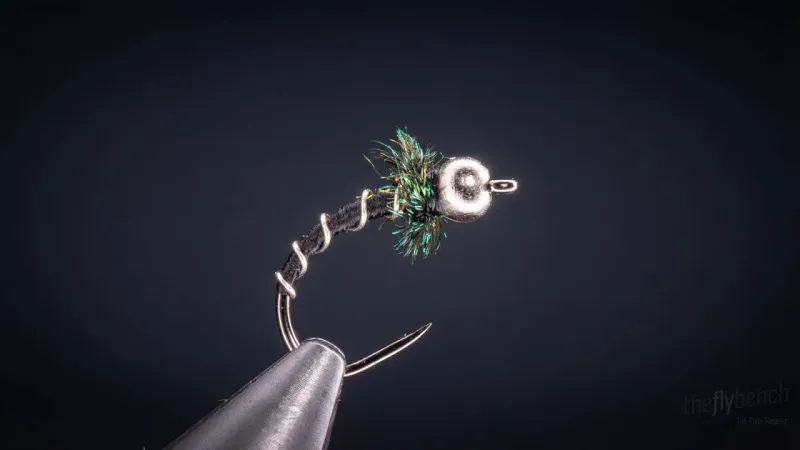
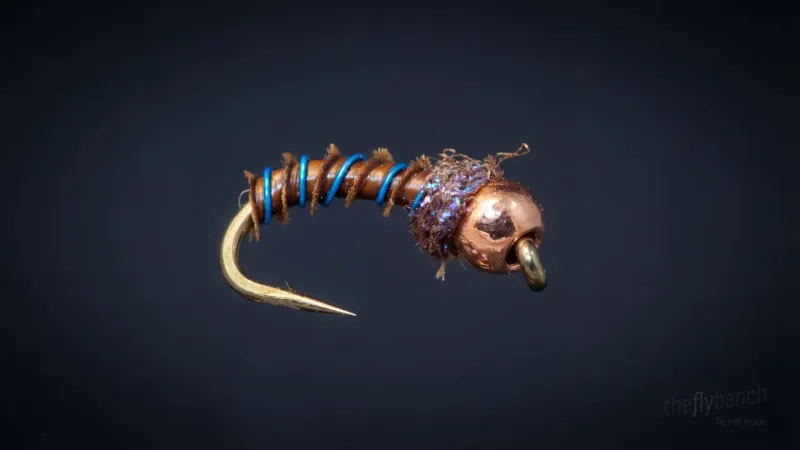
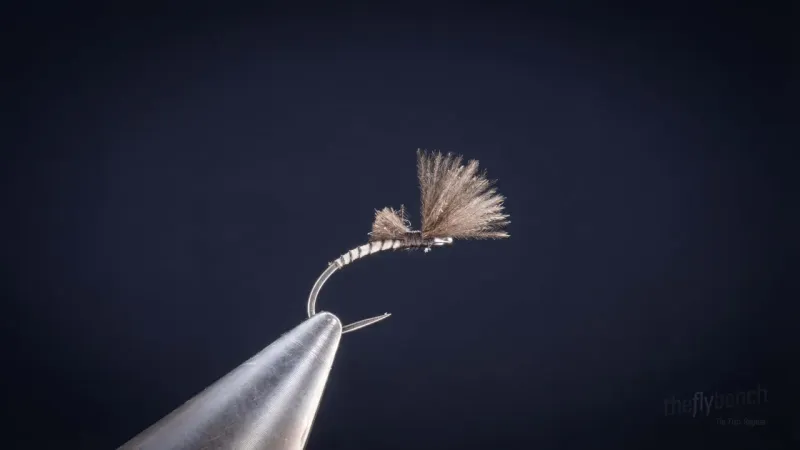
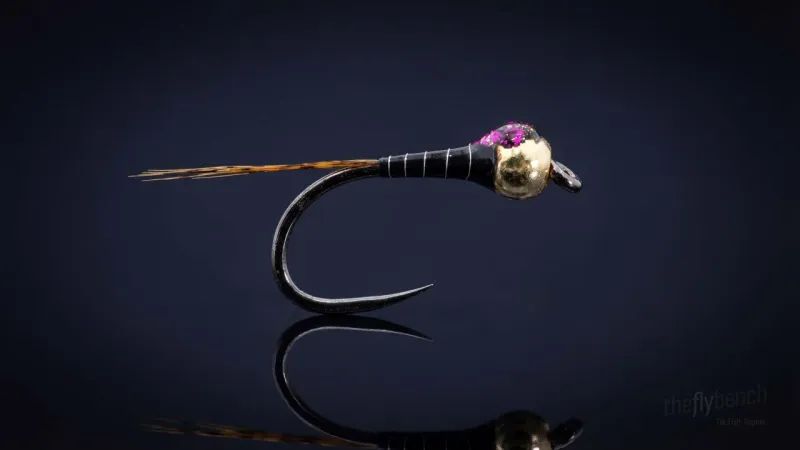
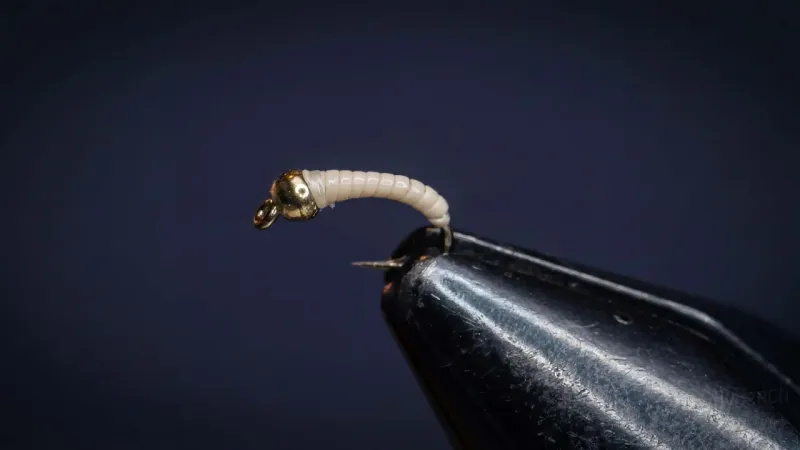
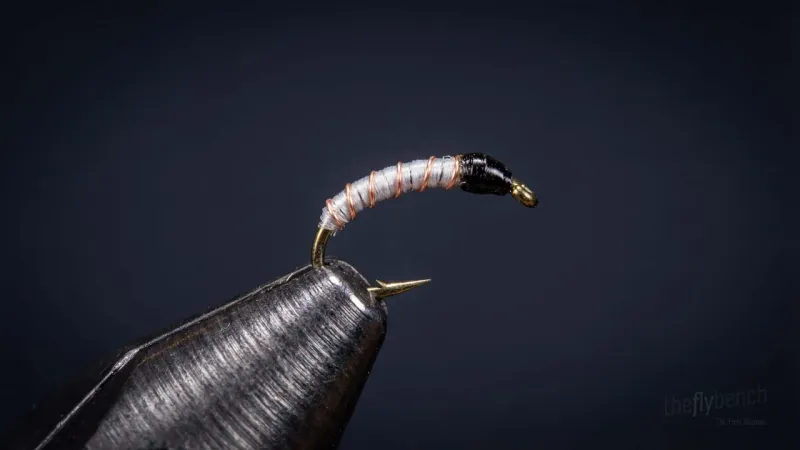
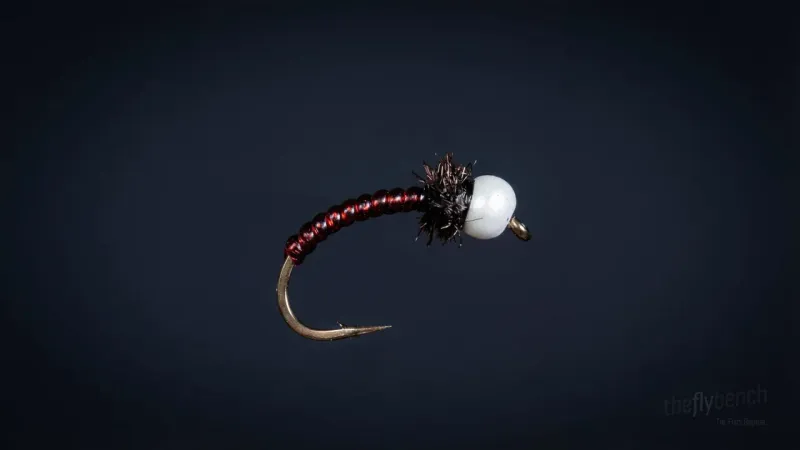
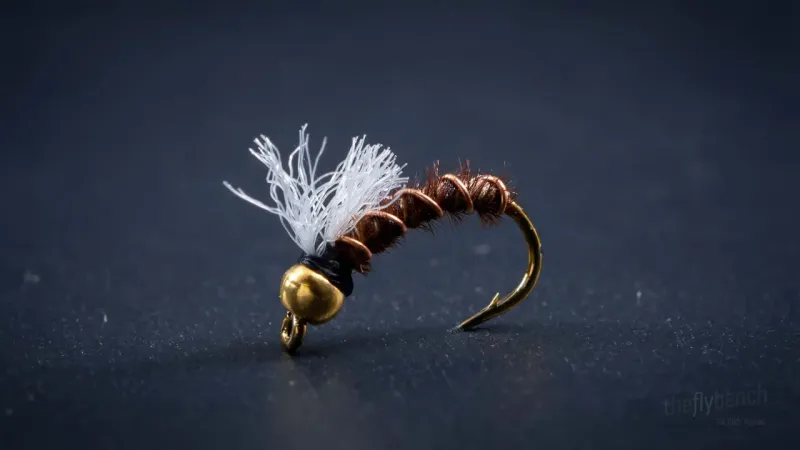
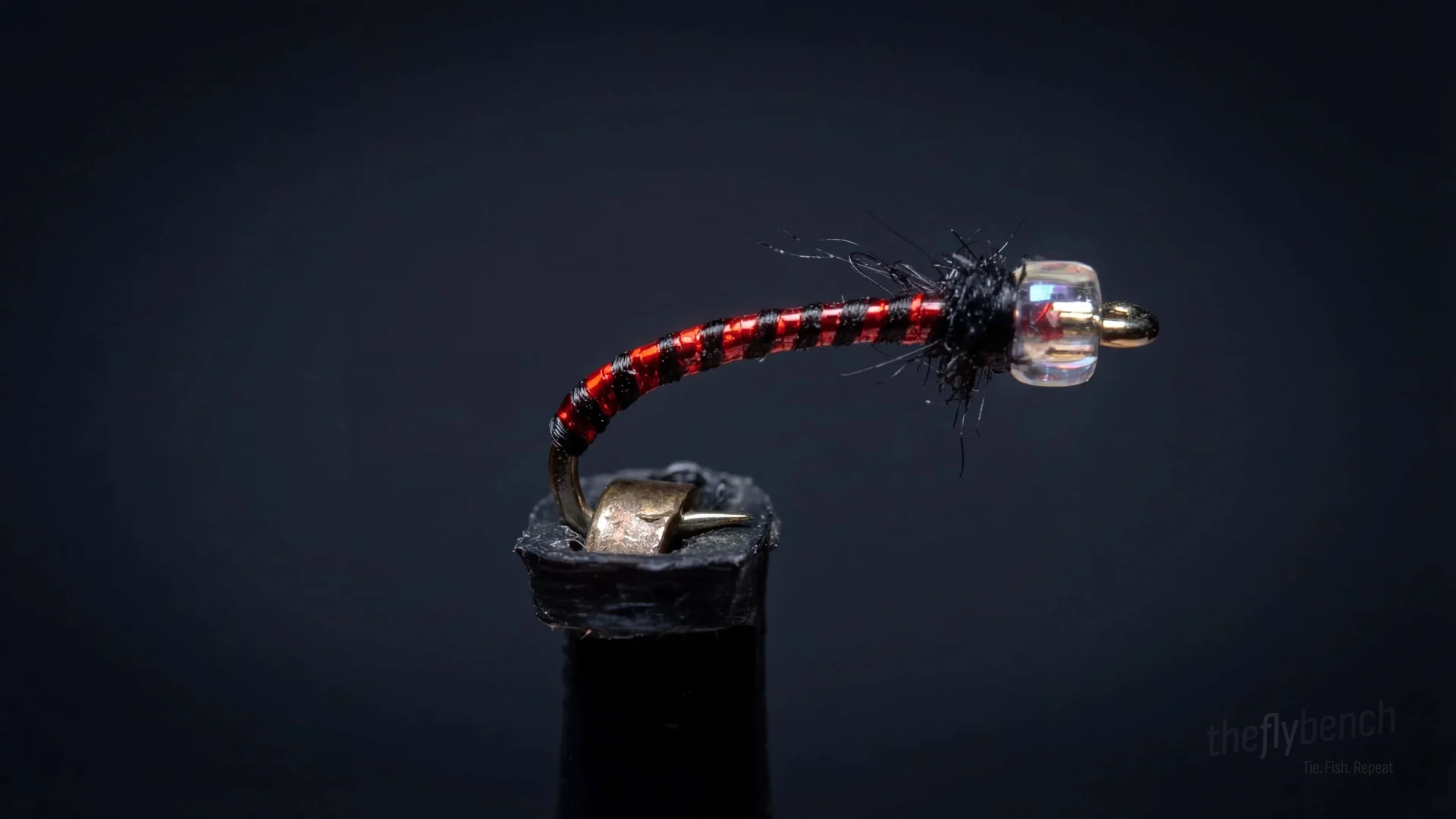
A flashy take on a standard midge, this pattern usually features red and black coloration, with a slim thread body, wire rib, and a small bead. Sometimes topped with a hint of flashy dubbing or a red glass bead for added pop. Simple, effective and versatile in cold water.
Where to Buy This Fly
We only link to fly shops we trust. Some links are referral links, which may earn us a commission at no extra cost to you.
Materials
- Hook:
- Tiemco 2487, size #16–#20, 2X short curved shank for midges
- Bead:
- Crystal pearl glass bead, midge size.
- Thread:
- 8/0 or 70 Denier, black.
- Body:
- Sulky Holoshimmer Metallic Thread, red.
- Collar:
- Rabbit fur, black.
- Ribbing:
- 8/0 or 70 Denier, black.
- Thorax:
- Superfine Dubbing, rusty brown .
Behavior & Presentation
Natural Behavior: Complex emergences create vertical stratification with larvae drifting near bottom, pupae suspended mid-depth, and spent adults trapped in the film simultaneously, allowing selective feeding at specific depths.
Where Trout Eat It: Fish key on preferred midge stages during prolonged emergences, feeding efficiently at chosen depths without changing position.
How to Fish It: Match the specific depth zone where fish are feeding, from bottom-bouncing to film-hanging presentations during extended emergence windows.
Best Water: Effective in slicks, foam lines, current seams, and pools where multiple midge stages concentrate during protracted hatch activity.
Strike Type: Subtle takes corresponding to the targeted life stage, from bottom ticks to surface sips depending on feeding depth.
Fishing Strategy
Rigging Suggestions: Use 6X-7X tippet on a 10-15 foot leader. Can be fished as a dropper 18-24 inches below a larger dry fly or parachute pattern, or alone on a traditional nymph rig.
Seasonal Timing: Productive from April through October, with peak effectiveness during May-June and September-October when midge emergences are concentrated. Water temperatures of 45-62°F trigger consistent hatches.
Pro Tips: The bright red thread body and Solarez Bone Dry UV resin shellback create a durable, highly visible pattern. The fly sinks just below the surface, perfect for imitating midges trapped in the film.
Entomology
During complex midge emergences, multiple life stages overlap in the water column with larvae drifting near bottom, pupae suspended mid-depth, and spent adults trapped in the surface film simultaneously. This vertical stratification allows trout to feed selectively at preferred depths without changing position. Fish key on specific midge stages during prolonged emergences because the extended availability and density allow for efficient, repetitive feeding with minimal movement, optimizing energy intake during these calorie-restricted micro-prey opportunities.
- Order
- Diptera
- Family
- Chironomidae
- Common Name
- Midge
- Organism Type
- insect
- Life Stage
- general