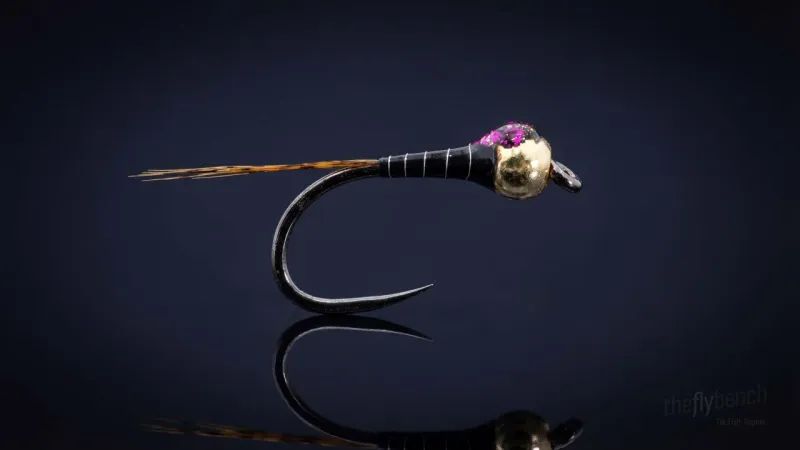
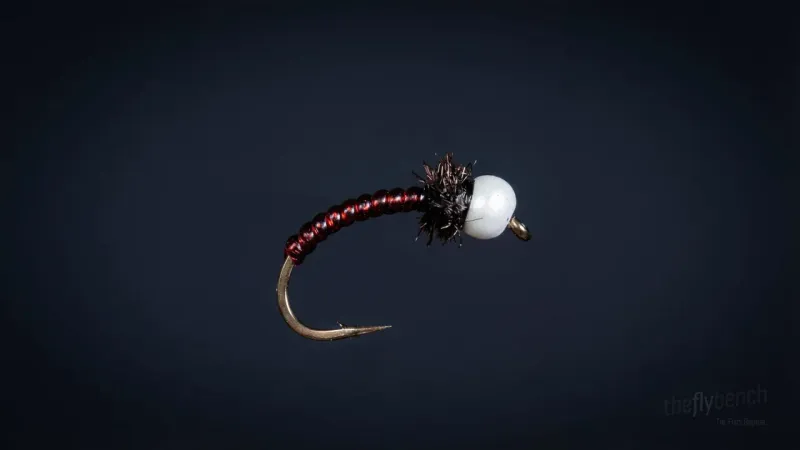
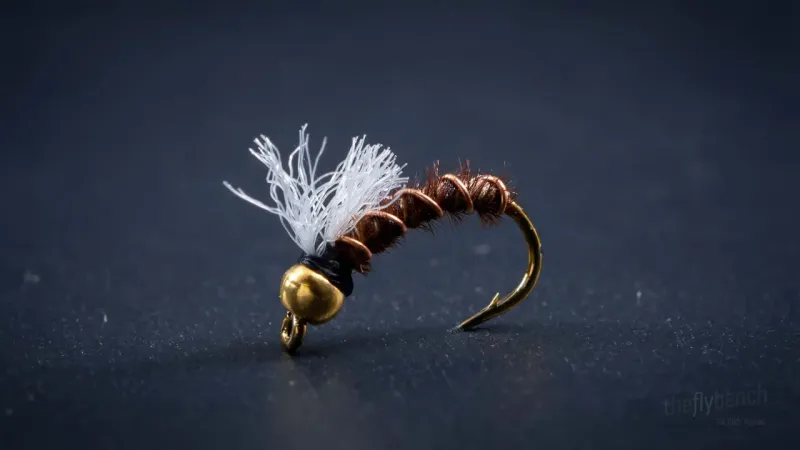
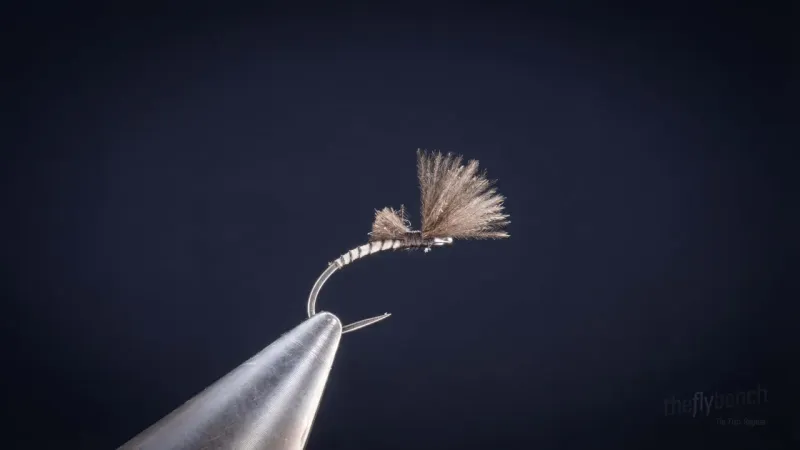
Midge / EmergersCopper Zebra Midge
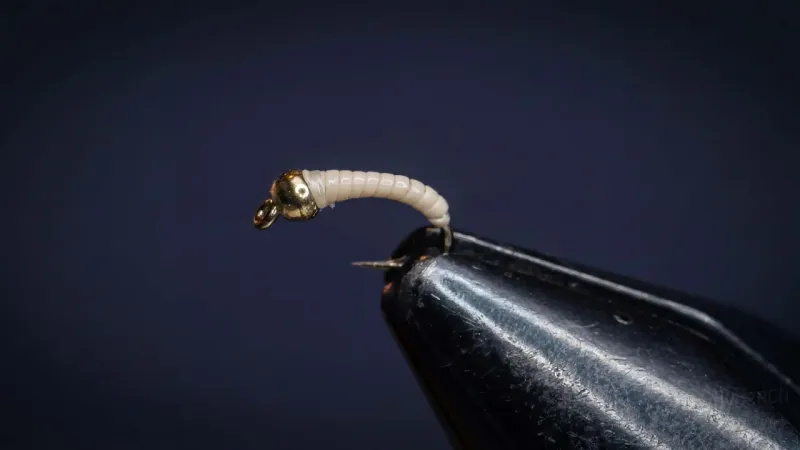
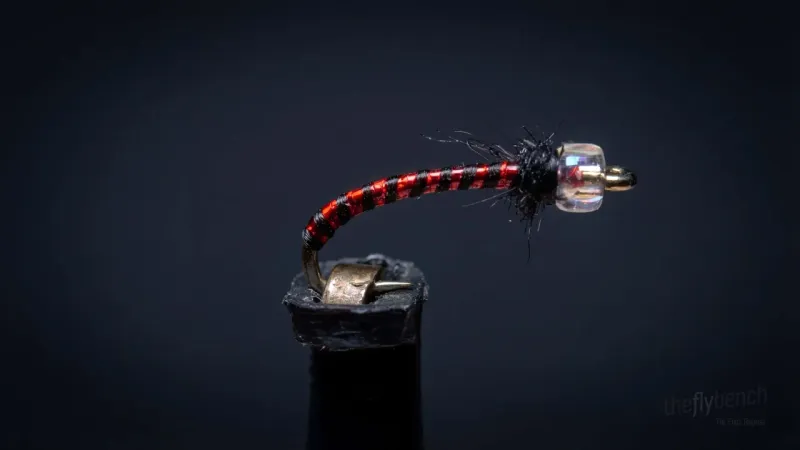
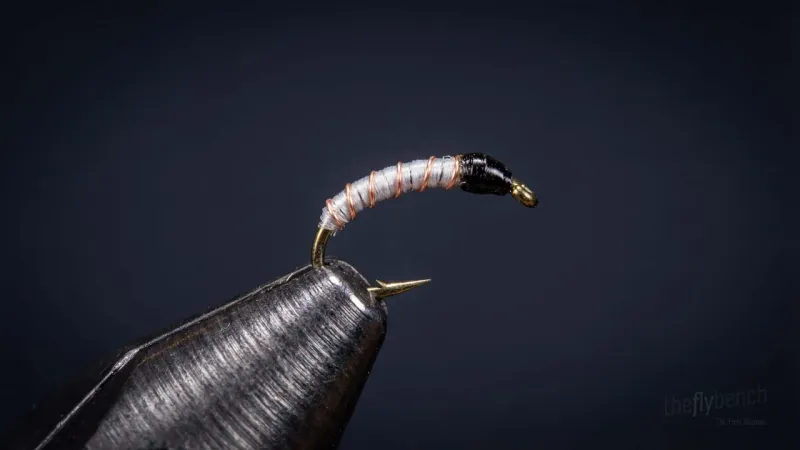
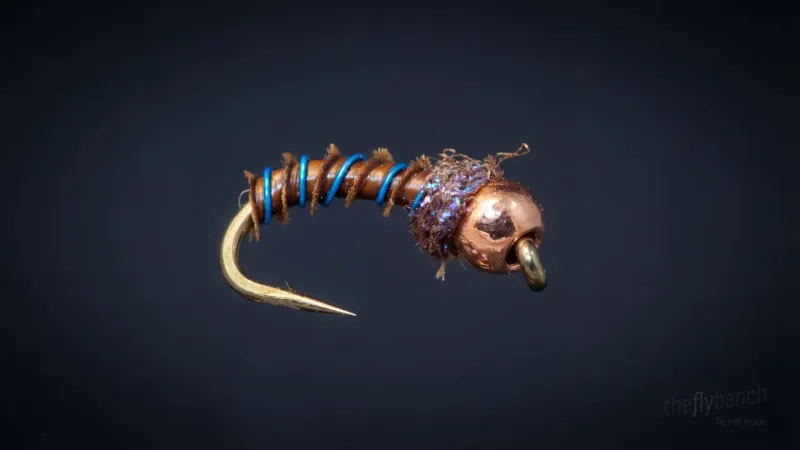
The Copper Zebra Midge is a go-to fly in most anglers' box, imitating a midge pupa during its emergence. Its copper wire body adds weight, helping it sink faster, while the flashy ribbing attracts attention.
Year Round
Beginner
Trout
Apr 2025
Overview
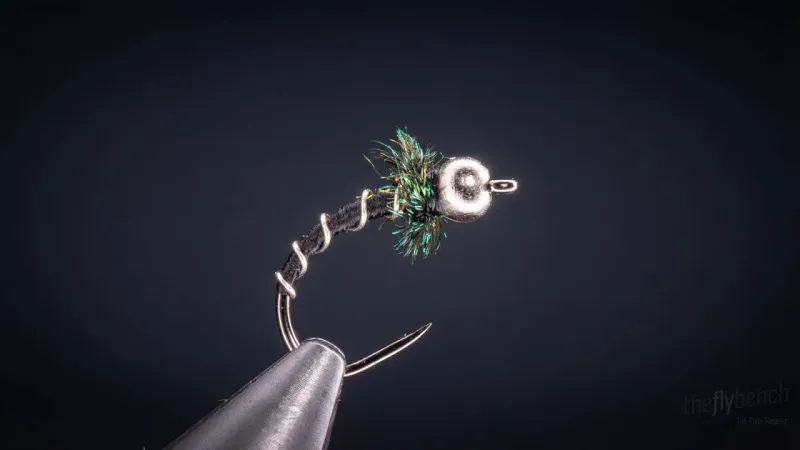
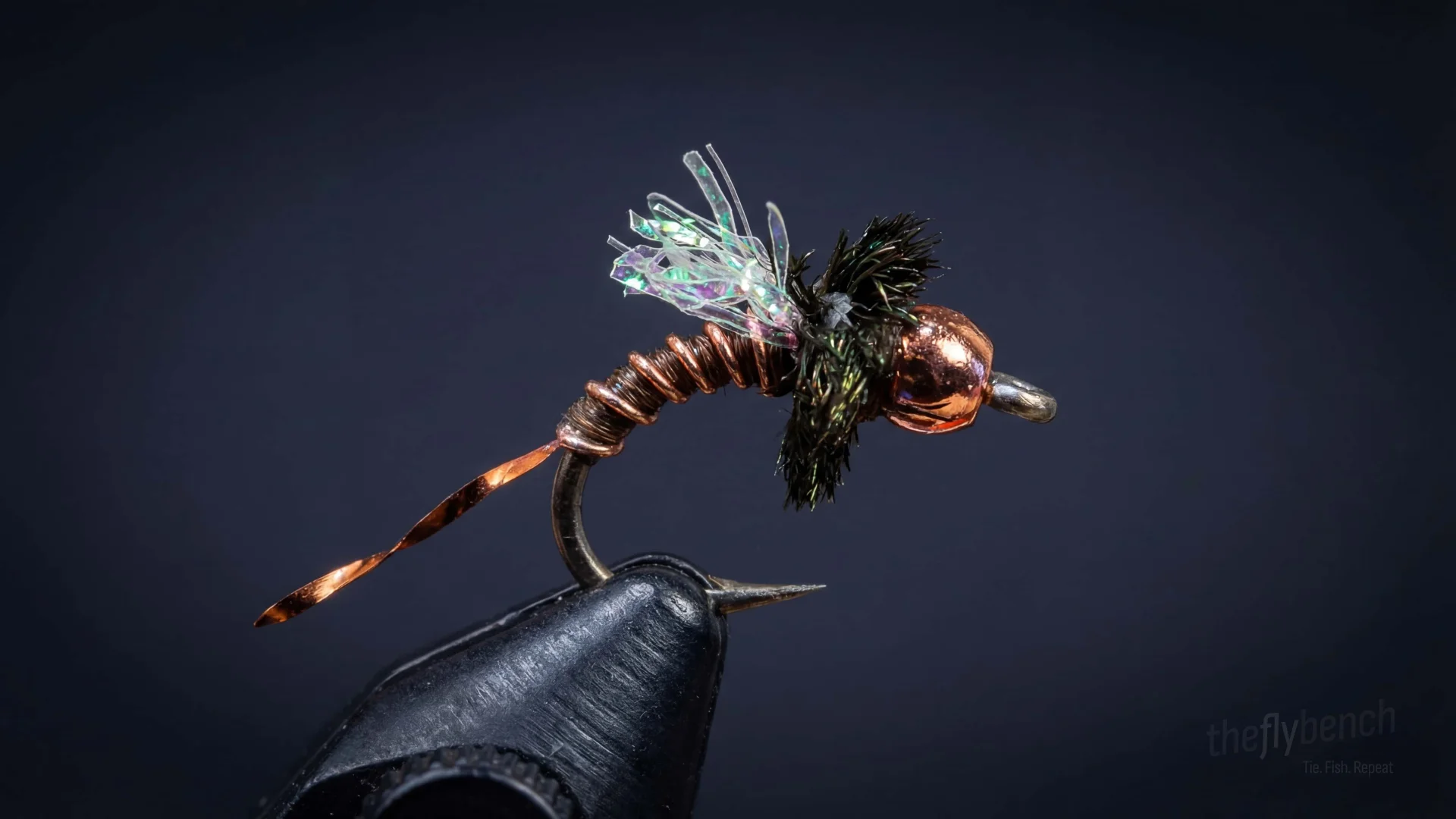
A simple twist on the classic Zebra Midge, this version swaps the typical silver ribbing for copper wire to give the fly a warm, subtle flash. Tied on a curved midge hook with a black thread body, silver or copper tungsten bead, and fine copper rib, this pattern is easy to tie and highly effective when midges are present. It's a go-to for winter and early spring.
Where to Buy This Fly
We only link to fly shops we trust. Some links are referral links, which may earn us a commission at no extra cost to you.
Materials
- Hook:
- Tiemco 2487, size #16–#20
- Bead:
- Copper, 1/16-inch
- Thread:
- 6/0, light brown
- Tail:
- Krystal Flash, copper, one strand
- Rib:
- Ultra Wire, small or extra small, copper
- Wing:
- Diamond Braid, pearl midge
- Thorax:
- Peacock-eye herl
Behavior & Presentation
Natural Behavior: Midge pupae ascend slowly through the water column toward the surface during emergence cycles, suspended in mid-column with gas bubbles trapped beneath their casings. In silty tailwater sections, these tiny size 18-22 naturals exist in extraordinary densities, providing consistent feeding opportunities as they hang helplessly during winter months when they're often the only actively emerging insect.
Where Trout Eat It: Fish intercept ascending pupae throughout the water column in tailwaters and lakes environments.
How to Fish It: Dead-drift at various depths using indicator or Euro techniques to match the ascending pupa.
Best Water: Most effective in runs, pools, and current seams where fish hold to intercept drifting midges.
Strike Type: Dead-drifted at various depths using indicator or Euro techniques to match the ascending pupa, fish intercept throughout the water column with metronomic consistency. Watch for indicator pauses, subtle dips, or micro-hesitations as trout sip with selective precision in runs, pools, and current seams.
Fishing Strategy
Rigging Suggestions: Use as part of a multi-fly nymph rig with split shot or a small bead to help it sink.
Seasonal Timing: year-round. Midges hatch year-round but are most prolific in the months. The Copper Zebra Midge can be a great pattern when nothing else seems to be working. When trout are keying on midges or when you see midge clusters on the water's surface.
Pro Tips: The copper body of this fly helps it sink quickly. Its small size and slim profile make it less visible, but the shiny ribbing can attract attention.
Entomology
Midge larvae and pupae exist in extraordinary densities in silty stream sections and tailwaters, with pupae ascending slowly through the water column toward the surface during emergence cycles. Trout feed on midges with metronomic consistency during winter months when they're often the only actively emerging insect, sipping the tiny size 18-22 naturals with selective precision that requires perfect dead-drift presentations.
- Order
- Diptera
- Family
- Chironomidae
- Common Name
- Midge
- Organism Type
- insect
- Life Stage
- general