Midge / EmergersBiot Midge Pupa
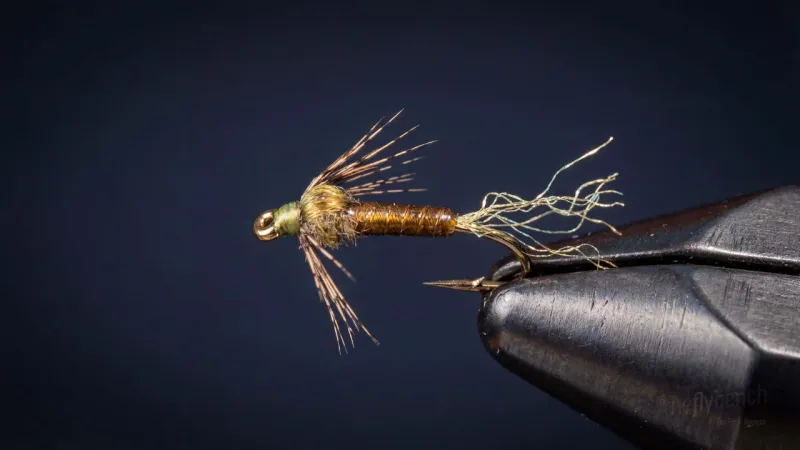
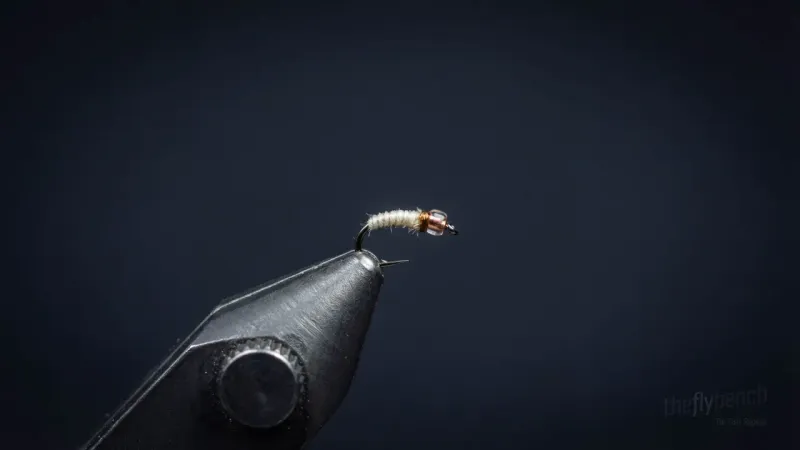
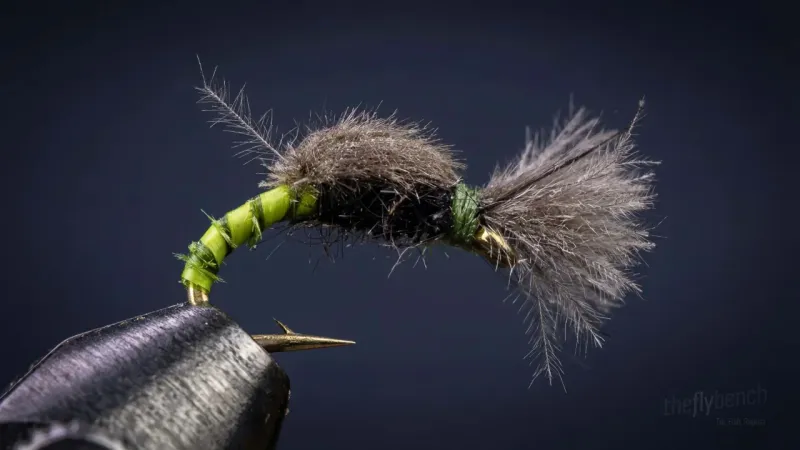
A slim, segmented midge pattern with a natural taper and slight sheen, ideal for imitating ascending midge pupae. The biot body offers lifelike segmentation, while the sparse profile makes it a perfect match for trout feeding just below the surface.
Spring, Fall
Intermediate
Trout
Apr 2025
Overview
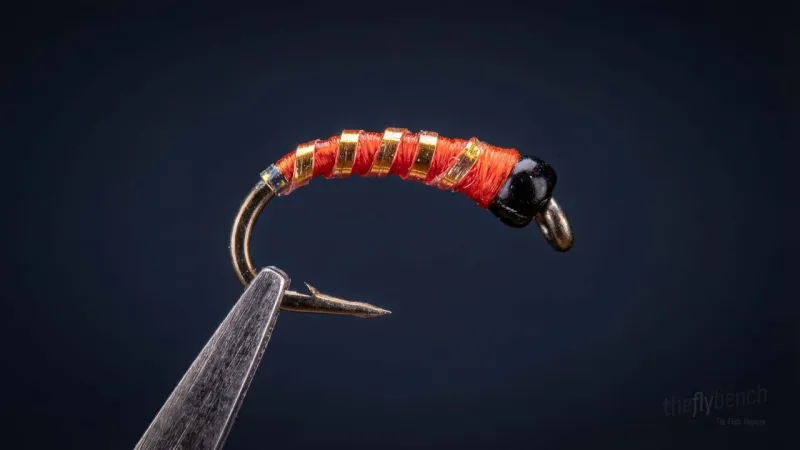
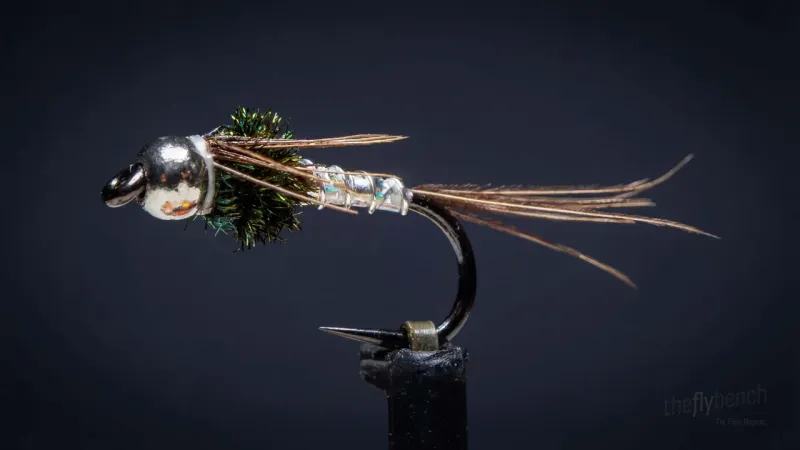
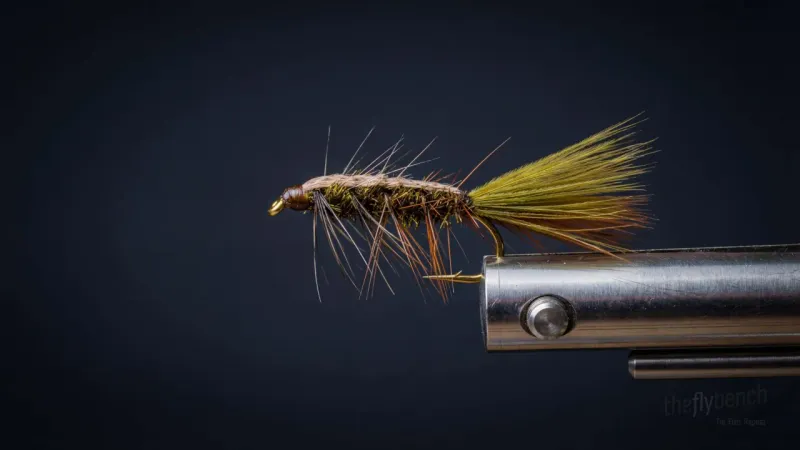
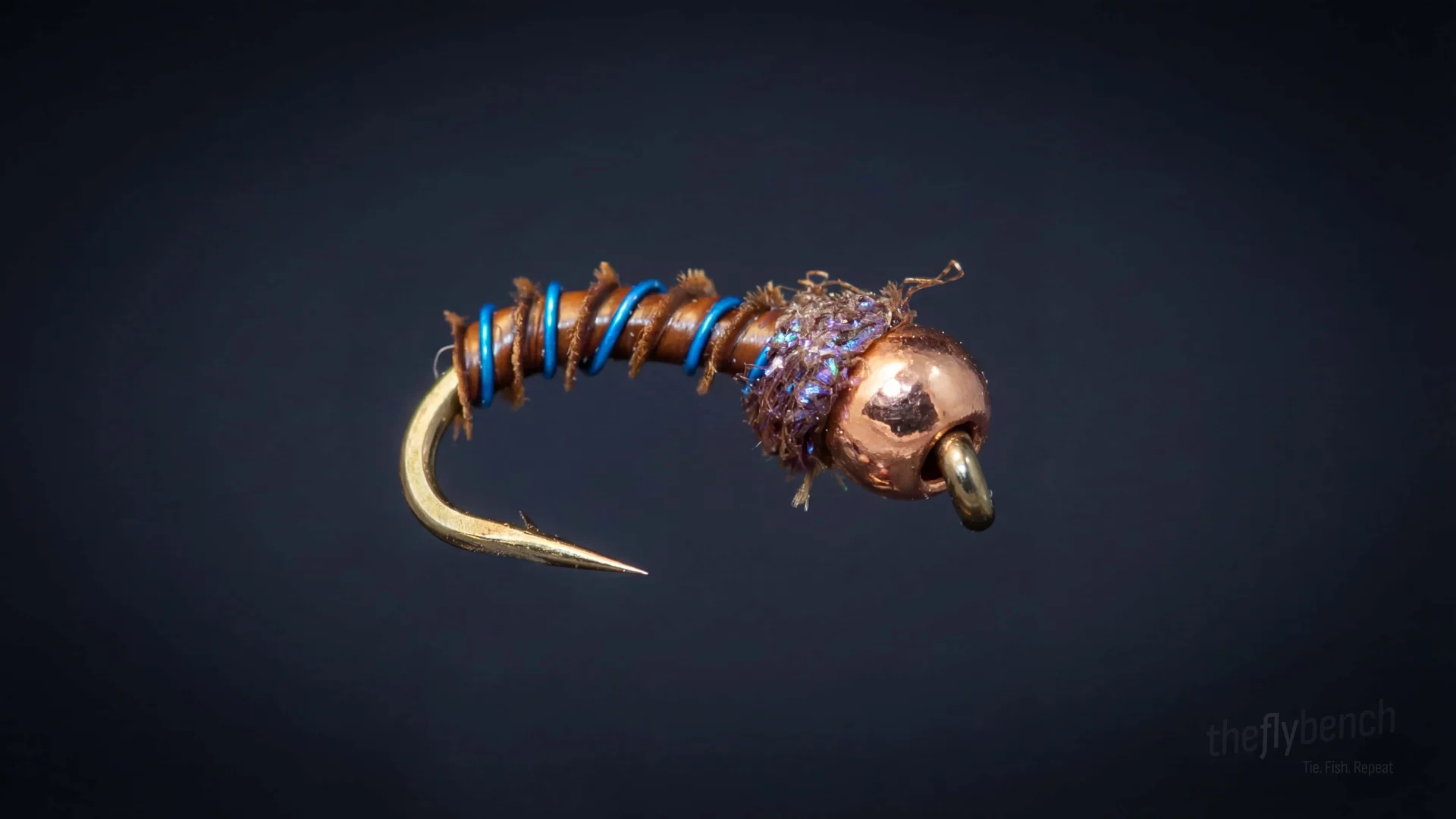
The Biot Midge Pupa is a sleek, realistic pattern that uses a single goose biot for a segmented body and a sparse thorax of dubbing or thread. A small bead helps it sink quickly, and the slim profile makes it ideal for targeting selective trout feeding on midges. It's a great choice for tailwaters and spring creeks, especially during winter and early spring hatches.
Where to Buy This Fly
We only link to fly shops we trust. Some links are referral links, which may earn us a commission at no extra cost to you.
Materials
- Hook:
- Daiichi 1120 - Heavy Wire Scud Hook - 18
- Thread:
- 8/0 UNI-Thread Waxed Midge - Camel
- Bead:
- Firehole Stones Plated Tungsten Beads - Copper - 2.0mm (5/64\)
- Body:
- Nature's Spirit Stripped Goose Biots - Brown
- Rib:
- UTC Ultra Wire - Blue - Small
- Thorax:
- Ice Dub - UV Brown"
Behavior & Presentation
Natural Behavior: Rising midge pupae adopt an upright posture as gas bubbles form beneath their shuck, creating reflective shimmer that fish track through the water column. Suspended beneath the film or ascending slowly with their segmented biot bodies vertical, they hang helplessly during this transition in tailwaters and spring creeks where chironomids are abundant year-round.
Where Trout Eat It: Fish sip quietly in tailwaters, spring creeks, and lake margins where midge populations are consistent.
How to Fish It: Use dead drift in rivers or slow hand-twist retrieve in lakes, fishing the fly just subsurface.
Best Water: Target current seams, tail-outs, pool edges, and slicks where pupae concentrate before emergence.
Strike Type: Using dead drift in rivers or slow hand-twist retrieve in lakes just subsurface, fish sip quietly with barely perceptible takes. Watch for indicator micro-movements or subtle line draws as trout intercept pupae in current seams and tail-outs.
Fishing Strategy
Rigging Suggestions: Suspend 12-18 inches below a small dry fly or yarn indicator using a 12-15 foot leader tapered to 6X or 7X tippet.
Seasonal Timing: Most effective during March through May and September through November when midge hatches coincide with cooler water temperatures of 45-58°F. Target midge hatches during overcast days or early mornings when pupae are ascending to the surface.
Pro Tips: The transparent biot shell mimics the natural gas-filled shuck of emerging pupae, making this pattern particularly effective for selective fish. Fish multiple flies in varying colors (olive, black, red) to match the specific midge species hatching.
Entomology
Midge pupae ascend slowly through the water column in a distinctive upright posture, trapped in their pupal shuck and often surrounded by a gas bubble that creates a reflective shimmer. This ascent makes them extremely vulnerable as they hang helplessly in the current or suspend beneath the surface film. Fish key on this easy target during midge emergences, especially in stillwaters and tailwaters where chironomids are abundant year-round.
- Order
- Diptera
- Family
- Chironomidae
- Common Name
- Midge
- Organism Type
- insect
- Life Stage
- pupa