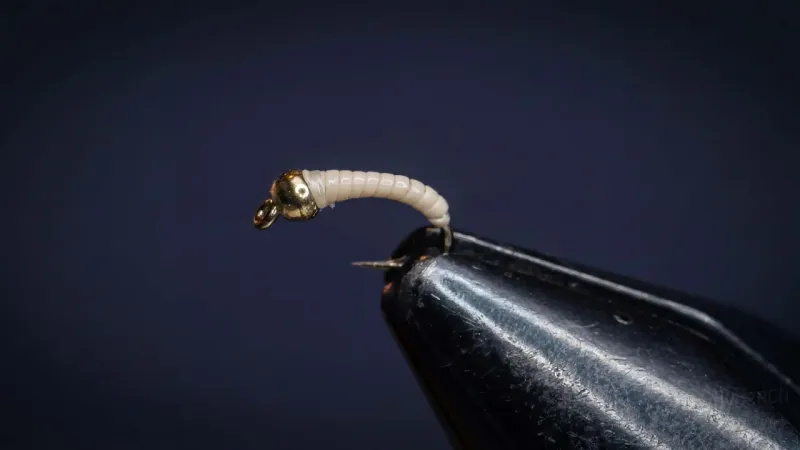
Euro NymphsEspresso Midge
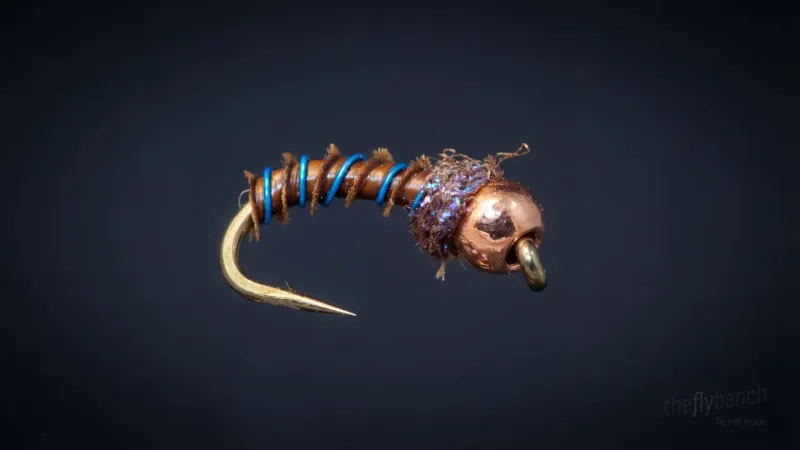
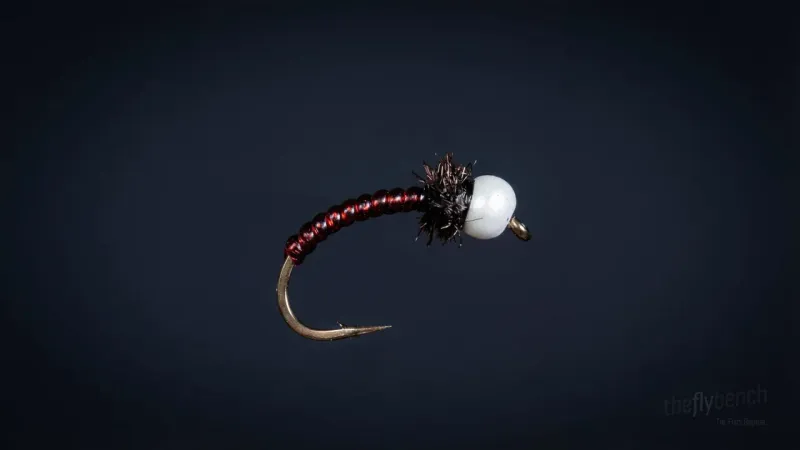
A slim midge pattern in dark brown tones designed for euro nymphing techniques. The simple thread body with copper ribbing creates a realistic segmented appearance that imitates both midge larvae and pupae. UV coating adds durability and a subtle shine that attracts trout in clear water conditions.
Year Round
Beginner
Trout
Dec 2025
Overview
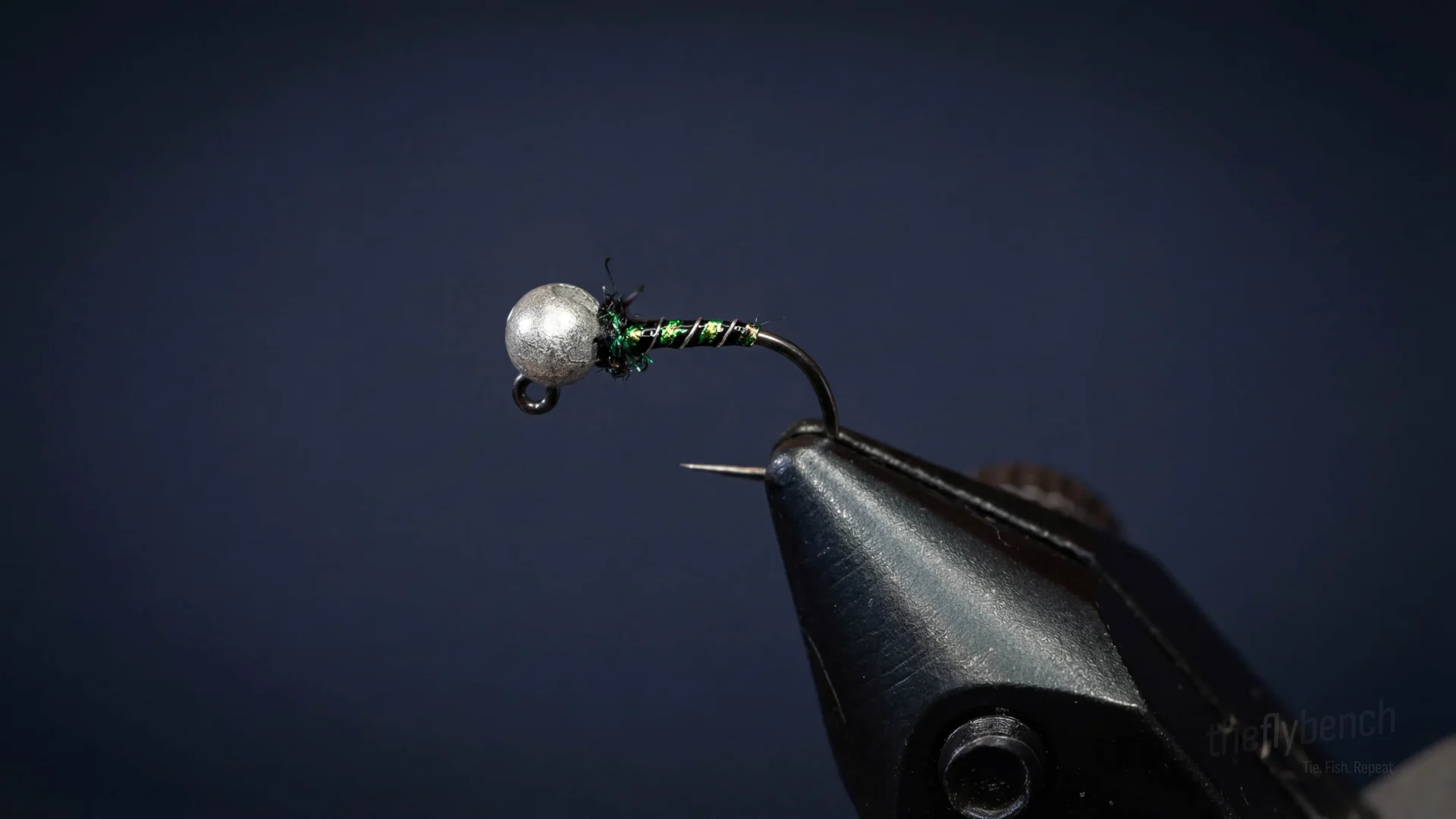
Developed by Fly Fish Food as a simple yet effective midge imitation for technical euro nymphing presentations. The dark espresso coloration mimics natural midge larvae found in many freestone and tailwater systems. The jig hook design ensures the fly rides hook-point up, reducing snags while maintaining excellent hook-up ratios. Material substitutions are minimal due to the pattern's simplicity, but any dark brown thread and copper wire will work.
Materials
Hook: Fulling Mill 5125 Jig Force Short Barbless, size #20
Bead: Hanak Metallic+ Slotted Tungsten, brown, 2.0mm
Thread: Semperfli Classic Waxed Thread 12/0, dark brown
Body: Thread, dark brown
Ribbing: UTC Ultra Wire, copper, x-small
Thorax: Ice Dub, UV Brown
Coating: Loon UV Clear Fly Finish - Flow
Behavior & Presentation
Natural Behavior: These tiny larvae cling to substrate within dense colonies or wiggle suspended mid-column while filter feeding, available even during the coldest months. Pupae ascend slowly from the bottom toward the surface film where they hang vulnerably before emerging.
Where Trout Eat It: Trout feed along the streambed and mid-column in deeper runs and pocket water where larvae and pupae concentrate.
How to Fish It: Maintain direct contact through tight-line techniques with minimal weight, allowing the tungsten bead to pull the fly quickly into feeding zones.
Best Water: Fish riffles, runs, and pocket water where midge colonies thrive and current delivers consistent food through feeding lanes.
Strike Type: Trout inhale this tiny pattern during bottom-feeding, producing barely perceptible sighter shifts or slight line tension changes. The 2.0mm tungsten bead allows fish to take the fly deeply, so watch for any hesitation in the drift rhythm or subtle lengthening of the tippet before the fly emerges downstream.
Fishing Strategy
Rigging Suggestions: Fish on 10-12 foot leader with 5X-6X tippet for technical presentations. Use as a dropper 12-18 inches below a heavier euro nymph or perdigon pattern.
Seasonal Timing: as midges hatch in all seasons, including winter. Particularly productive during winter months when midges are the primary food source available to trout.
Pro Tips: Sinks quickly despite its small size due to the tungsten bead. The slim profile cuts through current efficiently, reaching feeding zones in shallow to moderate depths.
Entomology
Midge larvae anchor themselves in bottom sediments and organic matter using silk threads, creating dense colonies that can number in the thousands per square meter in nutrient-rich waters. As filter feeders suspended in the water column or crawling through substrate, they represent an ultra-consistent food source even in the coldest months when other aquatic insects are dormant. Fish consume them opportunistically while foraging near the bottom, with their dark coloration providing excellent visibility against light-colored substrates.
- Order
- Diptera
- Family
- Chironomidae
- Common Name
- Midge
- Organism Type
- insect
- Life Stage
- larva