Euro NymphsOil Slick Perdigon
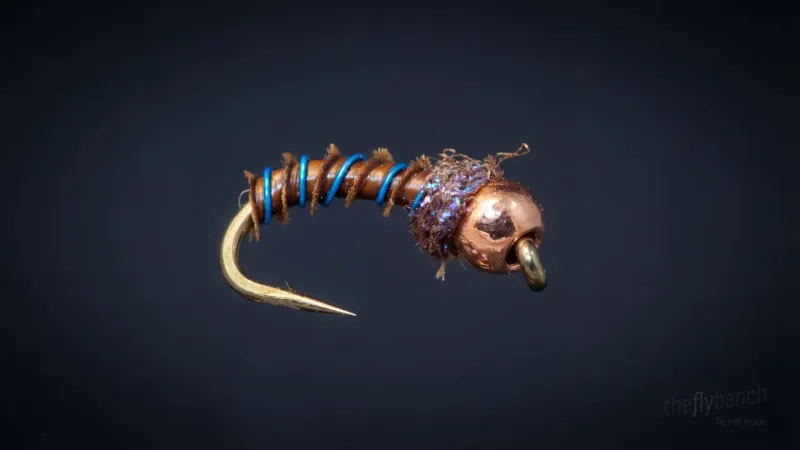
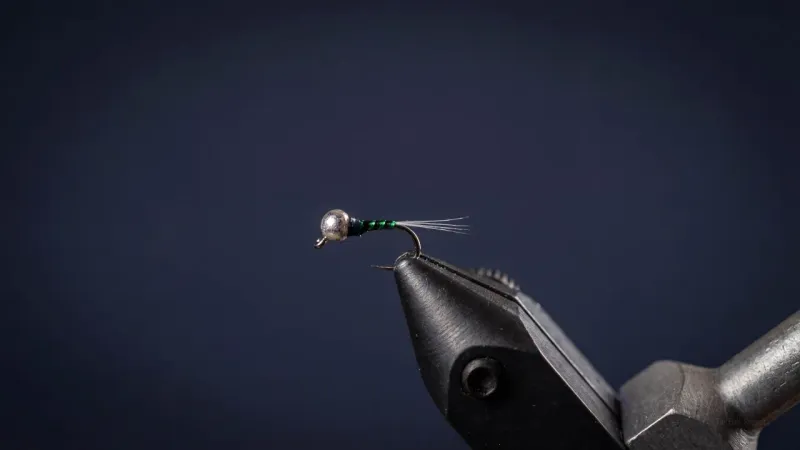
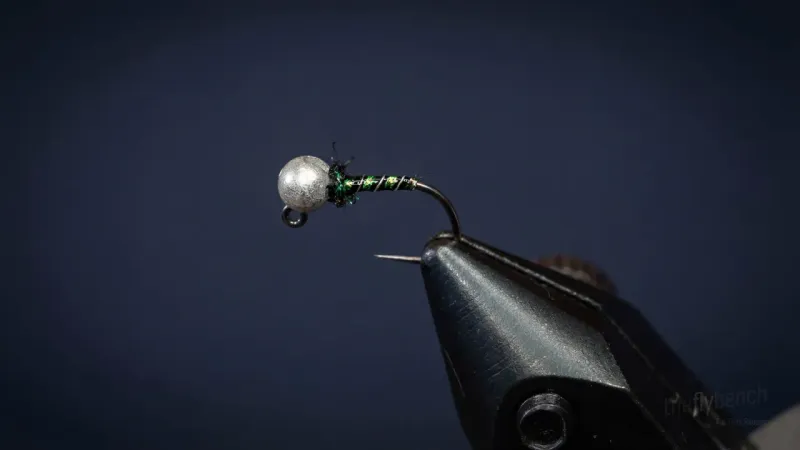
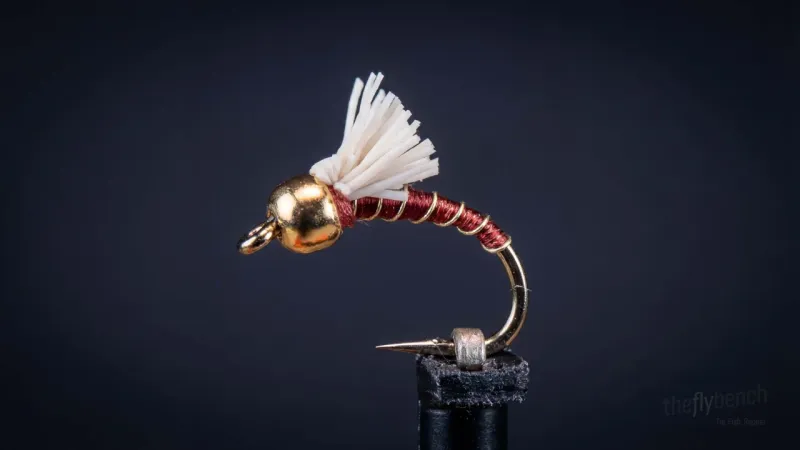
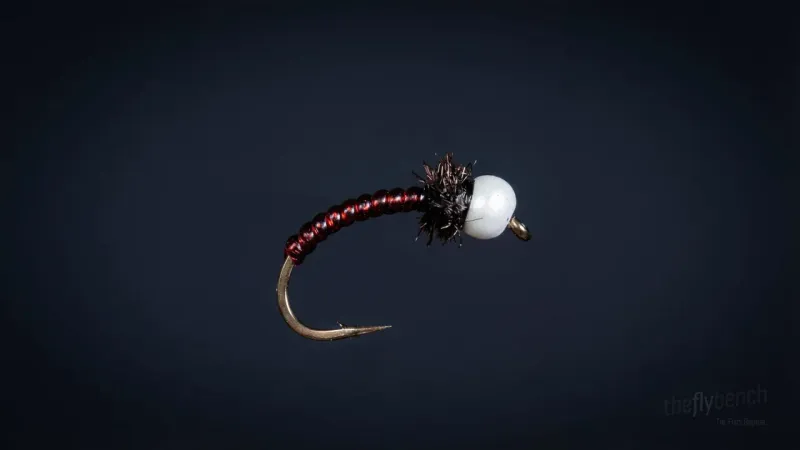
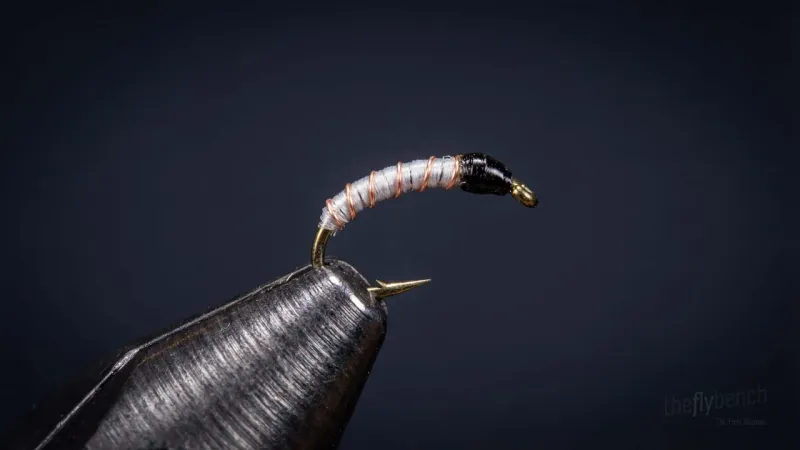
The Oil Slick Perdigon uses the same ribbing technique as the Oil Slick Buzzer to give off a very distinct buggy sheen that imitates midge larvae or pupae living in rivers and streams. When you tightly wrap the flashabou over the colored wire, it creates an "oil slick" looking reflective translucent effect that fish find irresistible. Even though it's designed for Euro rigs, this pattern works great in a dry-dropper rig because it can really imitate the pupating midge as it heads to the surface.
Year Round
Intermediate
Trout
Dec 2025
Overview
The wire color makes a significant difference in this pattern's effectiveness. As far as materials go, it's a simple pattern, but it's important to use the right flashabou or tinsel to achieve the distinctive oil slick effect. This is an oft-forgotten phase of midge development that river fishers should focus on more, and the Oil Slick Perdigon makes it easy to imitate this critical stage.
Materials
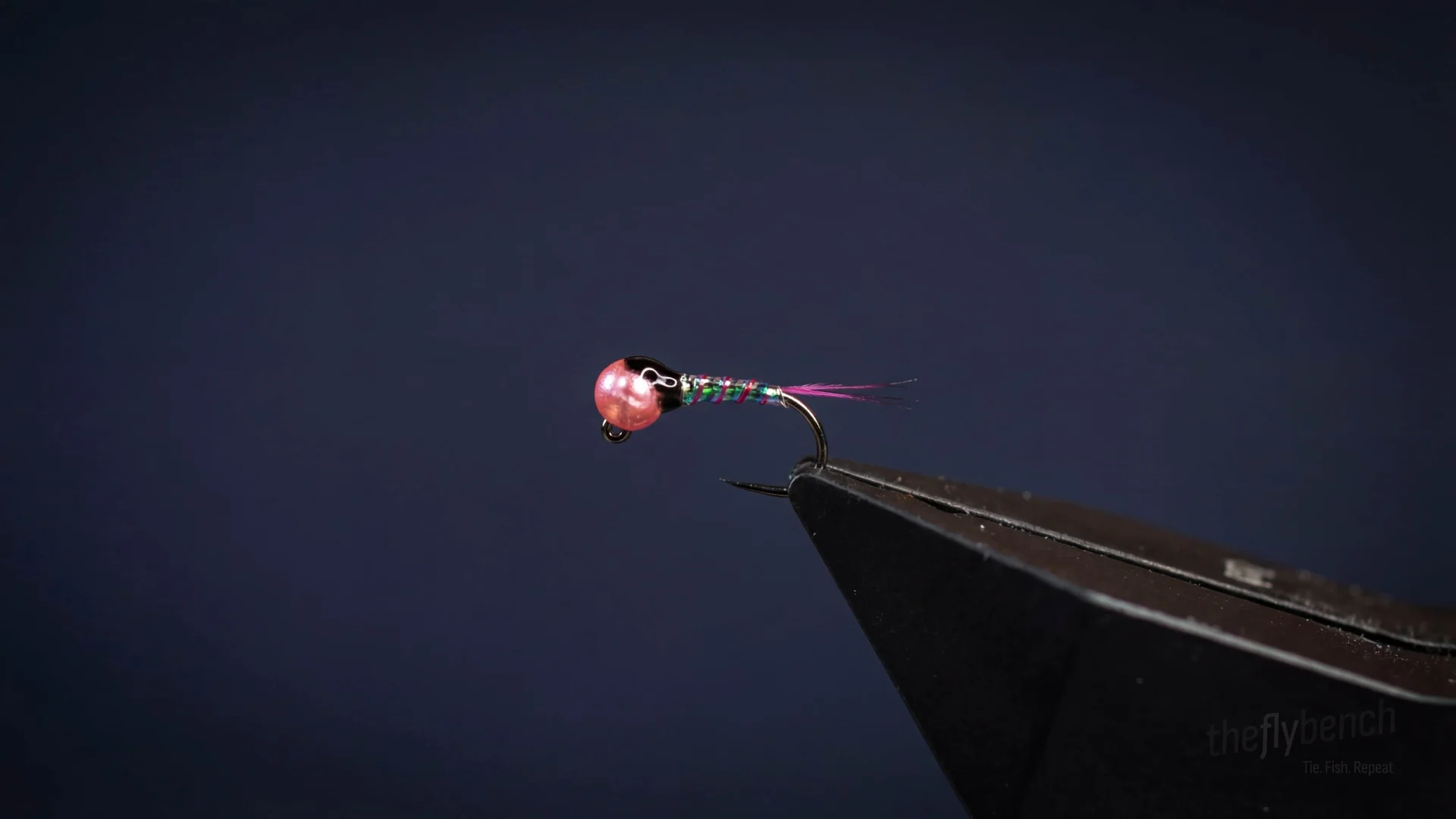
Hook: Fulling Mill 5045 Jig Force Barbless, size #18 (or Umpqua XC400BL-BN, size #18)
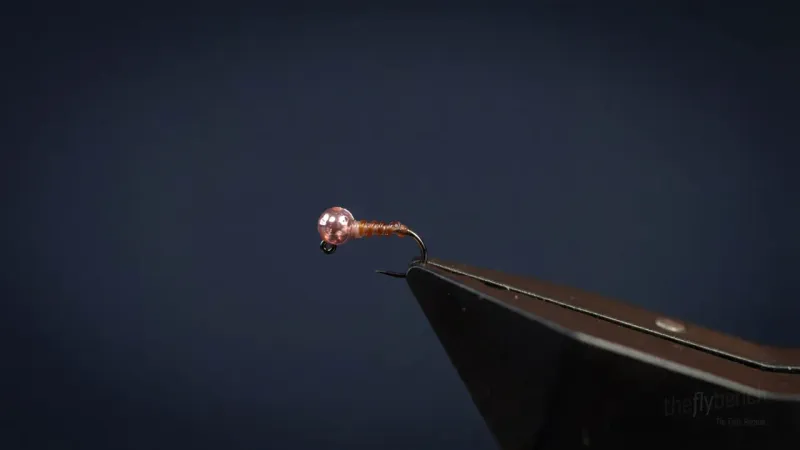
Bead: Fulling Mill Slotted Tungsten, metallic light pink, 2.8mm
Thread: UTC Ultrathread 70 Denier, black
Tail: Whiting Coq De Leon Euro Nymph Tailing Pack, pink (or UV2 Coq de Leon Perdigon Fire Tail Feathers, fl. hot pink)
Underbody/Rib: Semperfli Tying Wire 0.2, red
Body: Mirage Tinsel, opal, large
Body Coating: Loon Fluorescing UV Clear Fly Finish
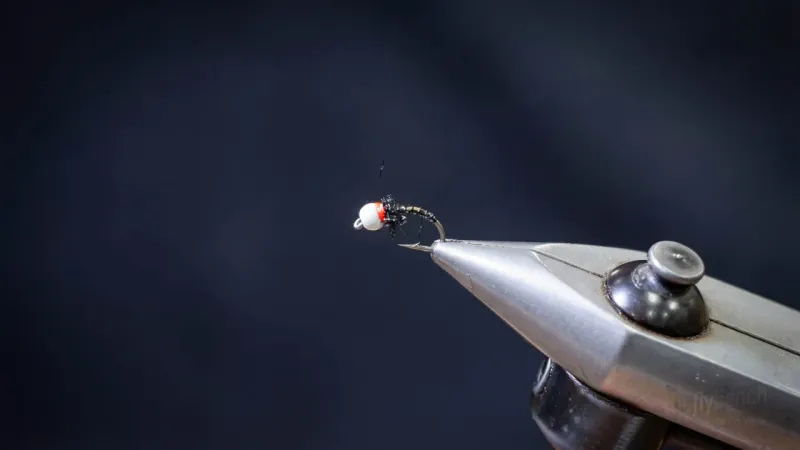
Thorax: Solarez Colored UV Resin, black
Behavior & Presentation
Natural Behavior: Midge pupae ascend vertically through the water column with gas bubbles trapped between pupal and larval cuticles creating shiny reflective patterns. Many drift subsurface before attempting to break through the surface film, while others hang suspended mid-column.
Where Trout Eat It: Trout target ascending pupae mid-column and drifting forms along the streambed in runs and pocket water.
How to Fish It: Dead drift on euro rig or as dropper below dry fly to imitate ascending pupae moving toward surface.
Best Water: Focus on current seams, runs, and structure breaks in tailwaters and spring creeks where midges concentrate.
Strike Type: Watch for sag in sighter, tick, or subtle pause in drift.
Fishing Strategy
Rigging Suggestions: Fish on a tight-line Euro rig for maximum control, or use as a dropper below a dry fly to imitate ascending pupae; the tungsten bead gets it down quickly.
Seasonal Timing: Year round, particularly effective during midge hatches.
Pro Tips: Adjust presentation depth and speed based on fish activity level and current conditions for best results.
Entomology
Midge pupae trapped in the surface film during emergence struggle with characteristic twitching motions, creating concentric ripples that attract surface-feeding fish, but many pupae also drift subsurface before attempting to break through. Their shiny, segmented pupal shucks reflect light in distinctive patterns due to gas bubbles trapped between the pupal and larval cuticles. Fish target these ascending pupae during their most vulnerable transition phase, often feeding subsurface rather than on adult midges at the surface.
- Order
- Diptera
- Family
- Chironomidae
- Common Name
- Midge
- Organism Type
- insect
- Life Stage
- larva