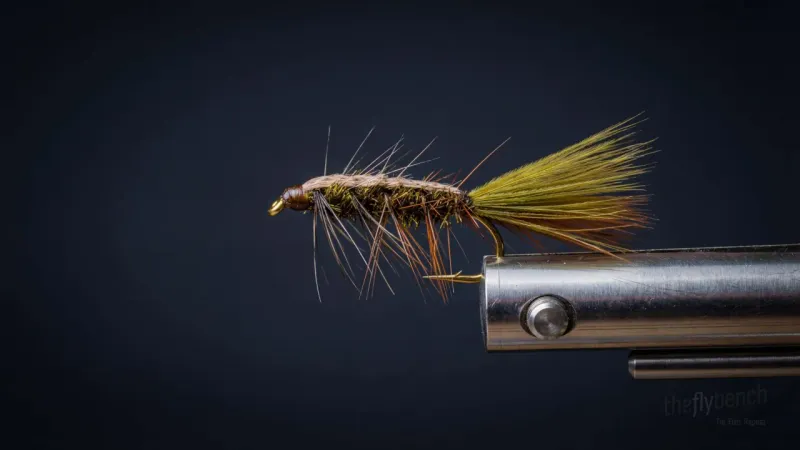
Midge / EmergersGlo Brite Miracle Midge
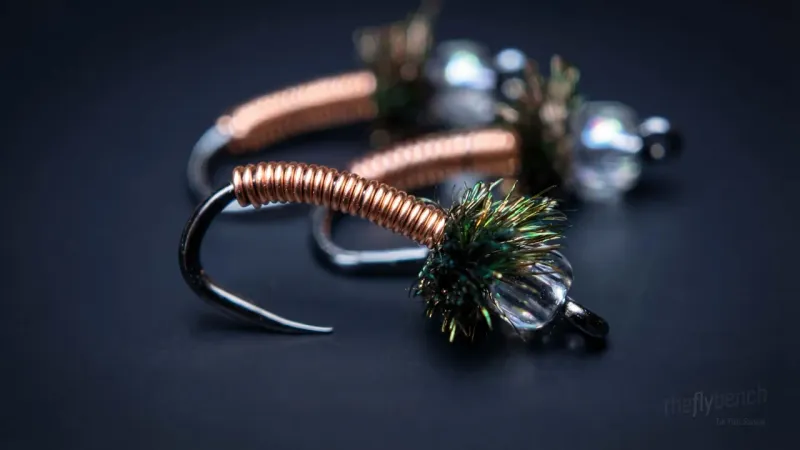
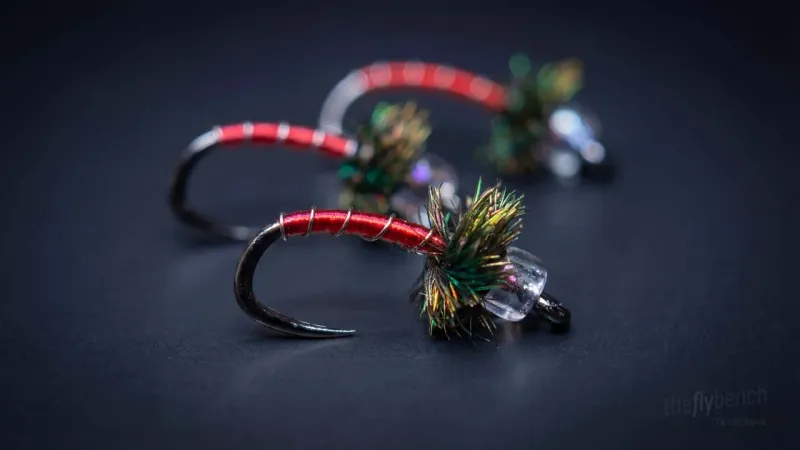
A bold, fluorescent midge pattern built for visibility and simplicity. The Glo Brite thread provides a strong visual trigger that shines in low light or stained water, making it especially effective in technical tailwaters and spring creeks.
Winter, Spring
Beginner
Trout
Apr 2025
Overview
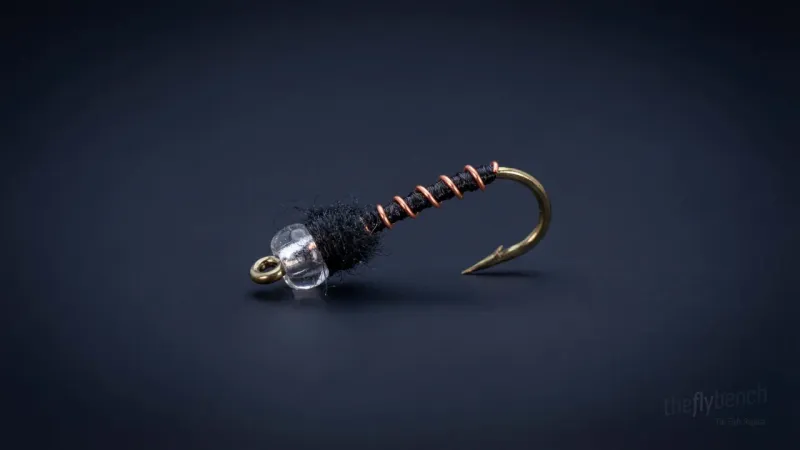
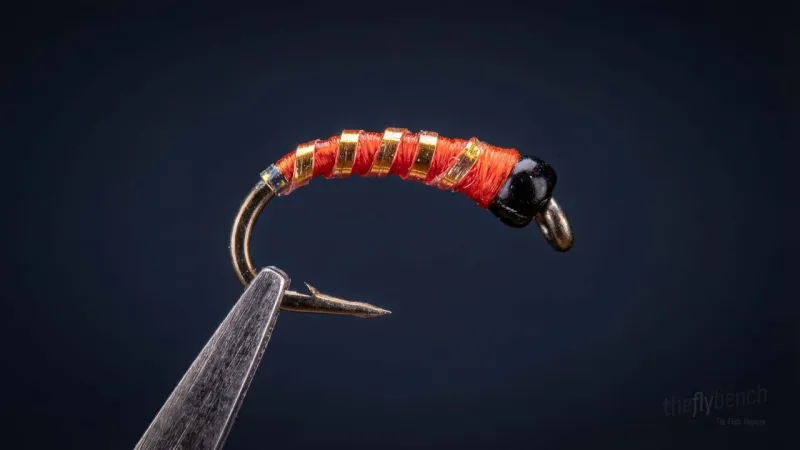
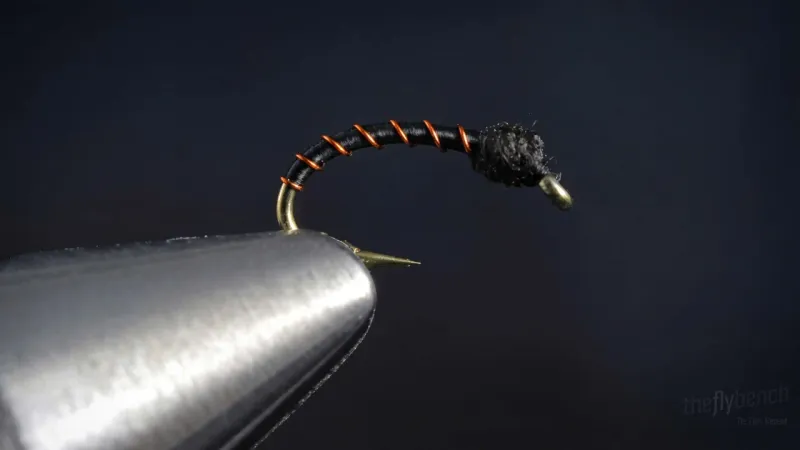
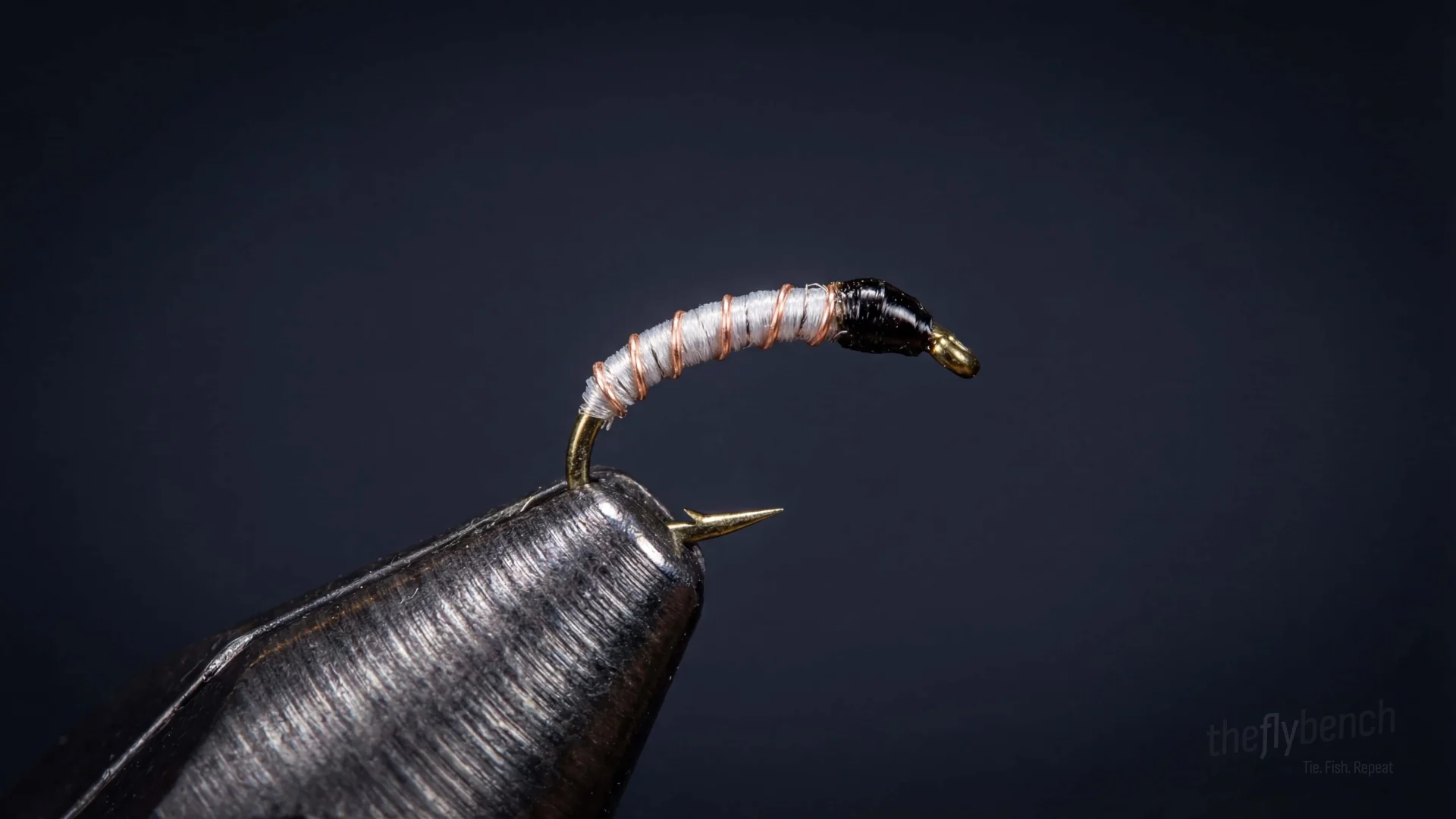
This ultra-visible midge pattern uses Glo Brite fluorescent floss for the body, offering both contrast and pop in low-light or stained water. Often finished with a fine wire rib and a small silver or glass bead, it's tied on curved midge hooks in small sizes. A great option for winter tailwaters or as a dropper in technical dry-dropper setups.
Where to Buy This Fly
We only link to fly shops we trust. Some links are referral links, which may earn us a commission at no extra cost to you.
Materials
- Hook:
- Timeco 2487, size #20-24
- Thread:
- Veevus 16/0 Black
- Ribbing:
- XS Copper Wire
- Body:
- Glo Brite Floss Fl White
- Head Finish:
- Solarez Bone Dry UV resin
Behavior & Presentation
Natural Behavior: Pupae rise gradually from deep pools, struggling to penetrate surface tension as they hang vertically in the film. This slow ascent creates predictable interception zones where suspended trout methodically sip emerging midges.
Where Trout Eat It: Prime in tailwaters, spring creeks, and slow pools. Target back eddies, soft water behind structure, and foam lines.
How to Fish It: Dead drift below indicator or tight-line in surface film or 6-12 inches subsurface where pupae hang during emergence.
Best Water: Focus on tail-outs, seams, foam lines, and current breaks where film-trapped pupae concentrate during hatches.
Strike Type: Watch for subtle sips in the film or barely perceptible indicator movements signaling gentle takes.
Fishing Strategy
Rigging Suggestions: Use 10-12 foot leaders with 6X or 7X tippet. Fish as dropper 18-24 inches below small dry fly like Griffith's Gnat, or tandem with another midge pattern.
Seasonal Timing: Year-round effectiveness with peak productivity December through April when midges dominate hatches. Excellent in water temperatures from 32-50°F when other insects are inactive.
Pro Tips: The fluorescent Glo Brite body and UV resin coating create subtle flash visible to fish in low winter light. The slim profile perfectly matches natural midge pupae. Essential pattern for pressured tailwaters where trout see thousands of flies.
Entomology
Midge pupae ascend slowly through stillwater and river columns, their gas-filled bodies creating a distinctive rising profile as they approach the surface film where they will eventually break through. Trout sip these ascending pupae methodically in the upper water column, recognizing their predictable upward trajectory and the certainty of encountering numerous individuals during prolonged midge emergences.
- Order
- Diptera
- Family
- Chironomidae
- Common Name
- Midge
- Organism Type
- insect
- Life Stage
- pupa