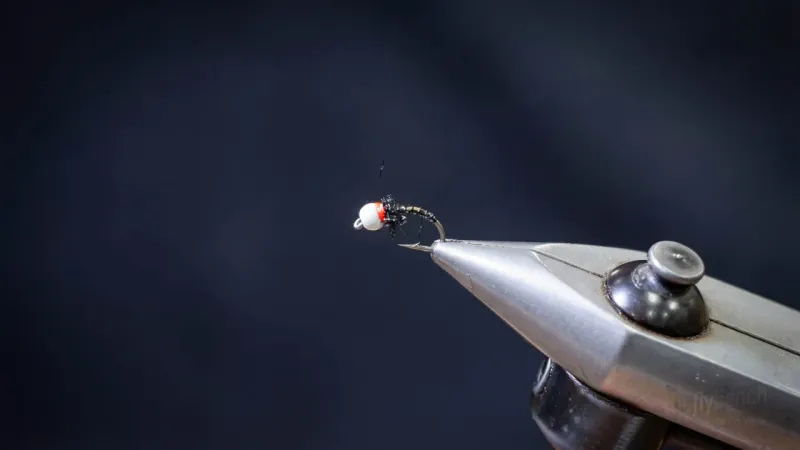
NymphPerdigon Zebra Midge
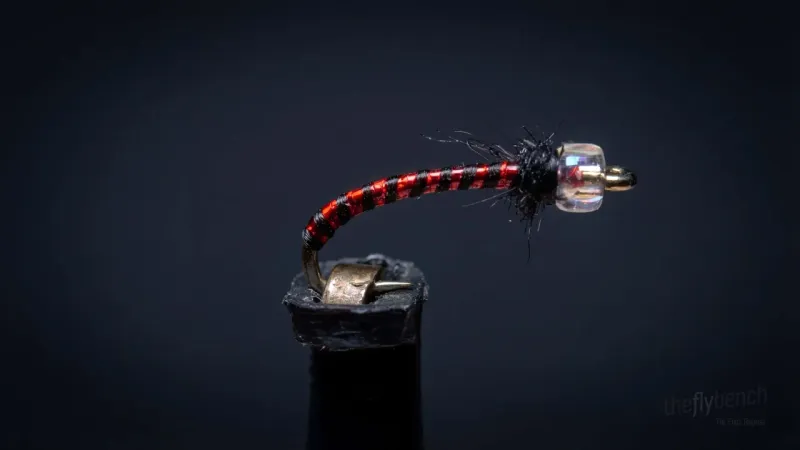
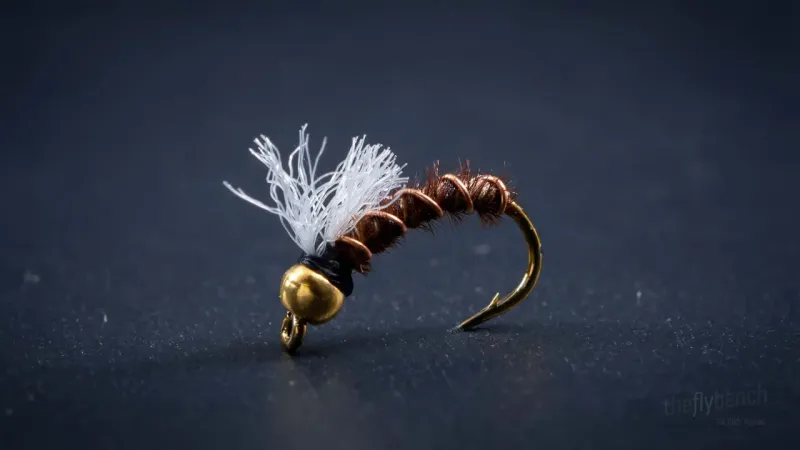
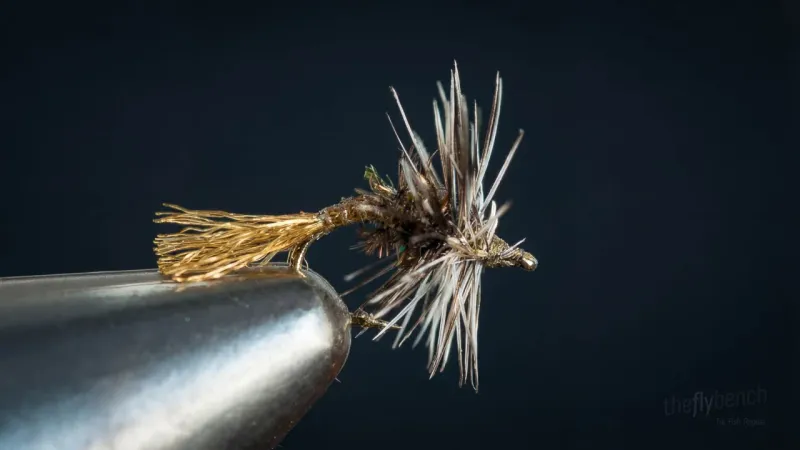
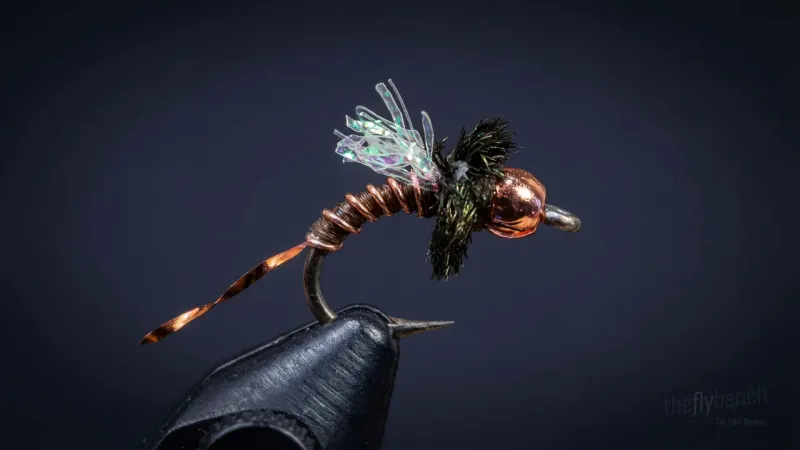
The Perdigon Zebra Midge is a modern nymph pattern that sinks quickly and is extremely effective in heavily fished waters. It imitates a variety of aquatic insects and is loved by trout for its enticing profile.
Year Round
Intermediate
Trout
Apr 2025
Overview
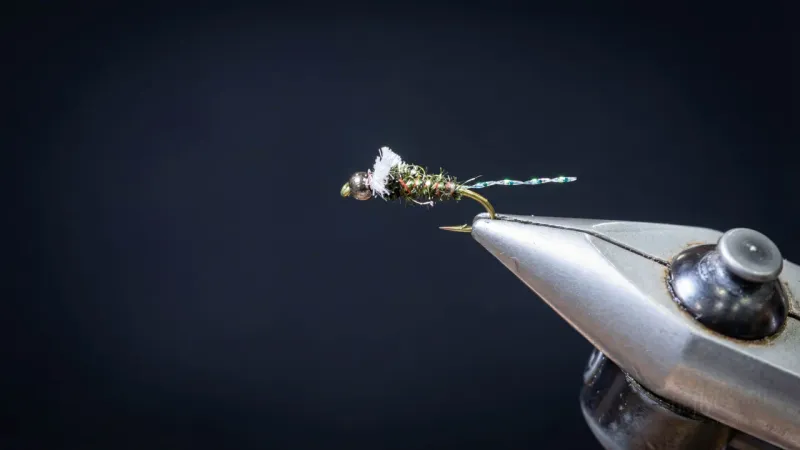
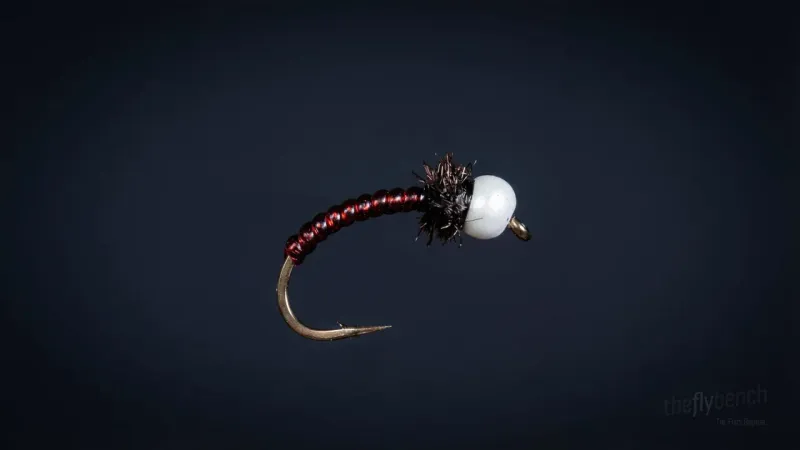
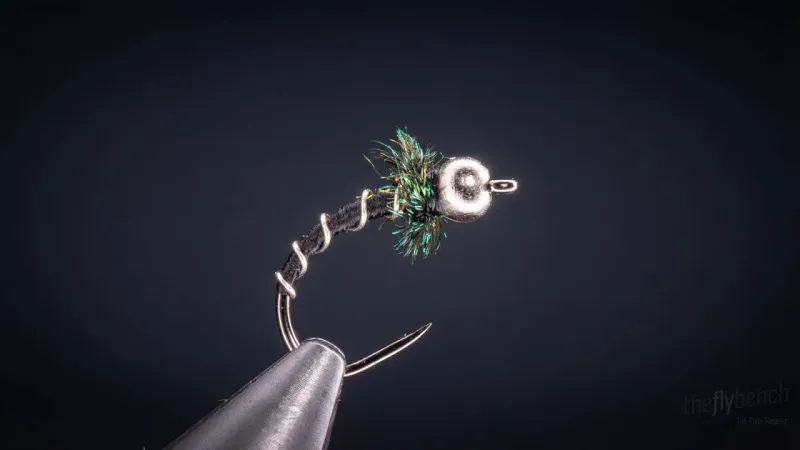
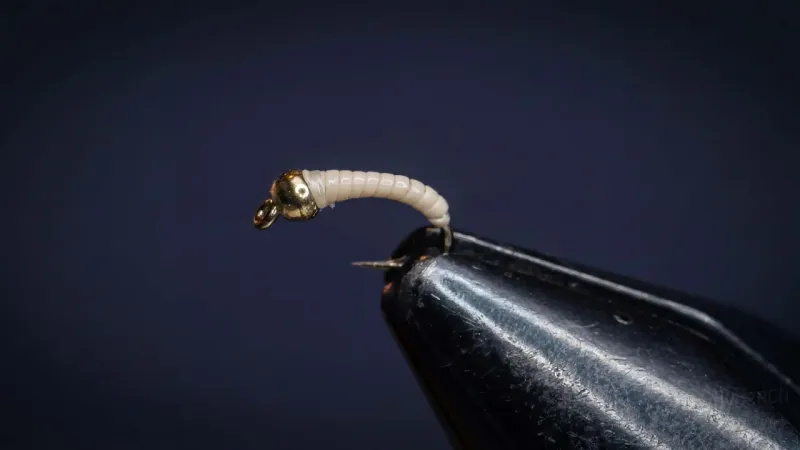
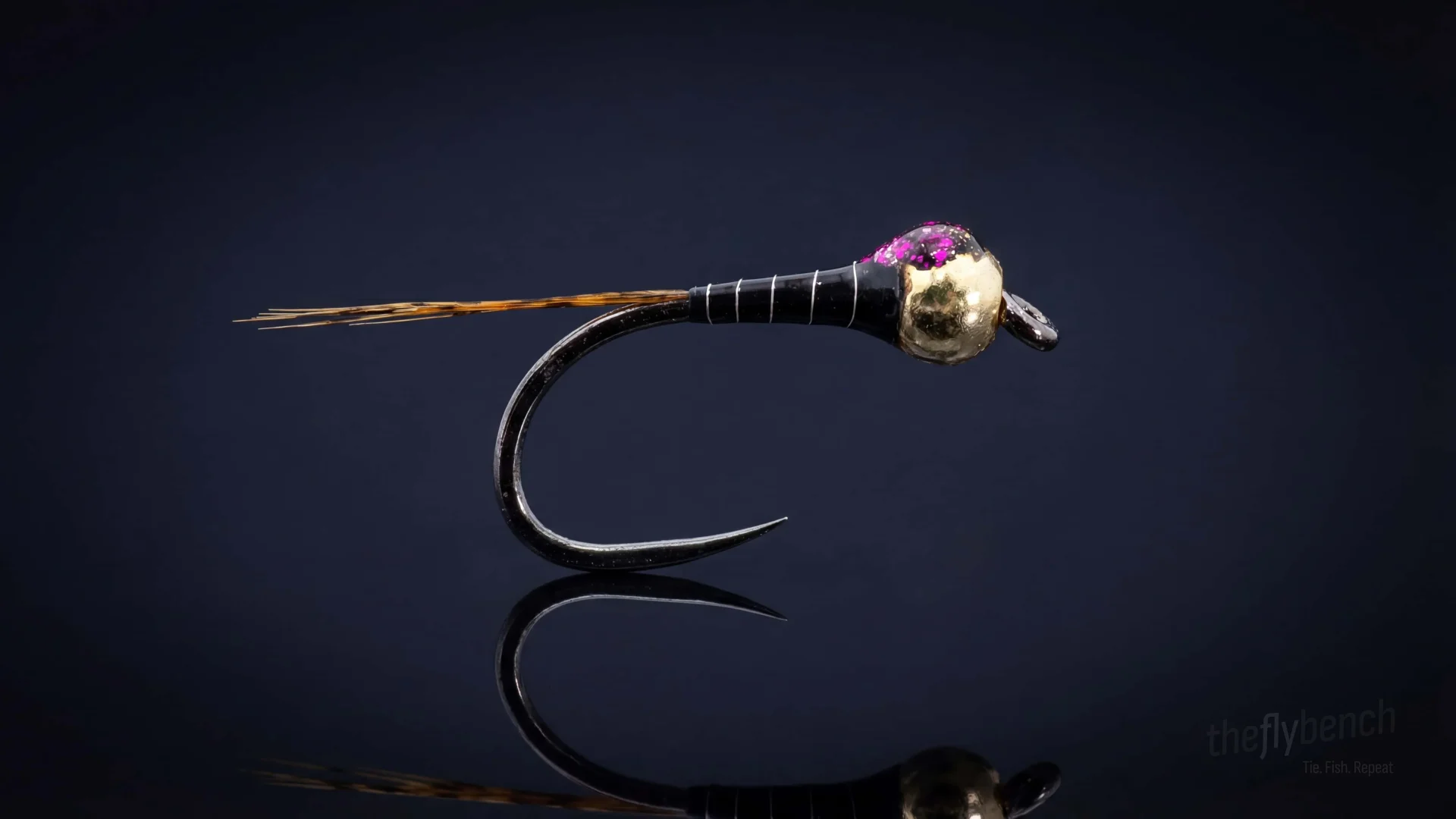
This fusion pattern blends the slim, fast-sinking profile of a Perdigon with the classic contrast of a Zebra Midge. Tied on a jig hook with a slotted tungsten bead, it uses black thread for the body, fine silver wire ribbing for segmentation, and a UV resin coating for durability and shine. It's ideal for Euro nymphing in clear, cold water when trout are feeding deep on midges.
Materials
Hook: Hanák H 400BL, size #16–#20
Bead: Slotted tungsten bead, 3/32-inch, nickel
Thread: 8/0 or 70 Denier, black
Weight: Lead-free round wire, .015
Tail: Coq de Leon fibers
Rib: Ultra Wire, small, silver
Body: Black tying thread
Behavior & Presentation
Natural Behavior: During vertical migration from bottom habitats, chironomid midges create distinctive segmented silhouettes as they move through mid-water zones. Their deep drifting behavior makes them available to feeding fish throughout the water column.
Where Trout Eat It: Fish intercept midges at various depths from bottom to mid-column in runs, pockets, and pools at depths of 3-10 feet.
How to Fish It: Best used in a Euro nymphing setup due to its fast sinking nature, but can also be fished under an indicator.
Best Water: Focus on runs, pockets, channel swings, tail-outs, and drop-offs where current delivers drifting midges.
Strike Type: In Euro nymphing setups, watch your sighter for tiny color flashes, subtle straightening, or micro-hesitations—midge takes are often whisper-soft. The strike may feel like a brief increase in tension rather than a definitive pull.
Fishing Strategy
Rigging Suggestions: Can be used alone or as part of a multi-fly rig. A common setup is to use it as the point fly in a Euro nymphing rig.
Seasonal Timing: Effective year-round, especially when midges are active.
Pro Tips: This fly sinks quickly due to its tungsten bead and slim profile. The reflective body and UV resin coating make it highly visible in deeper water.
Entomology
Chironomid midges drift deeply through the water column as they migrate from benthic habitats toward the surface, their segmented bodies creating a distinctive striped appearance. Fish intercept these sinking and ascending midges at various depths, with the heavily weighted perdigon-style patterns particularly effective for reaching trout holding in deeper pools and runs.
- Order
- Diptera
- Family
- Chironomidae
- Common Name
- Midge
- Organism Type
- insect
- Life Stage
- general