Midge / EmergersZebra Midge
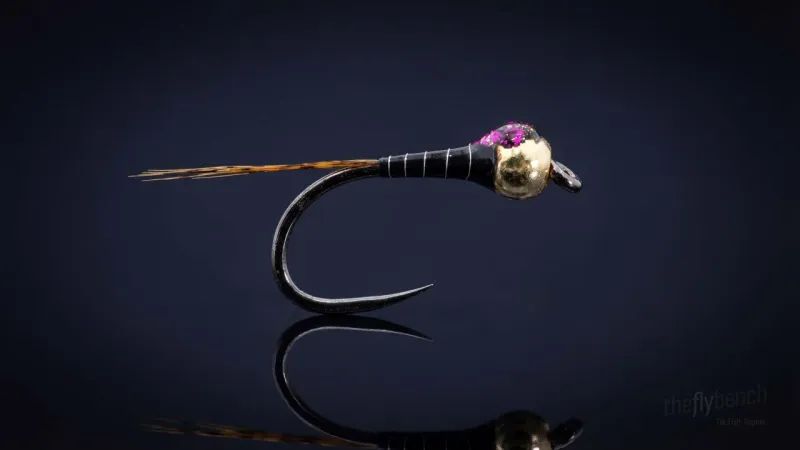
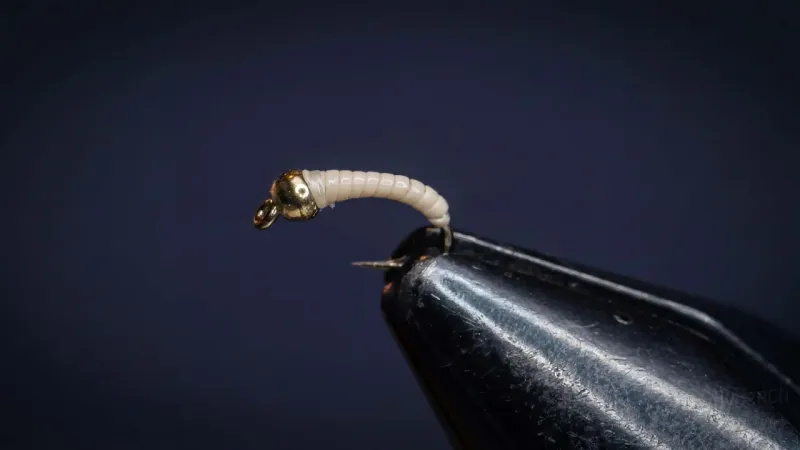
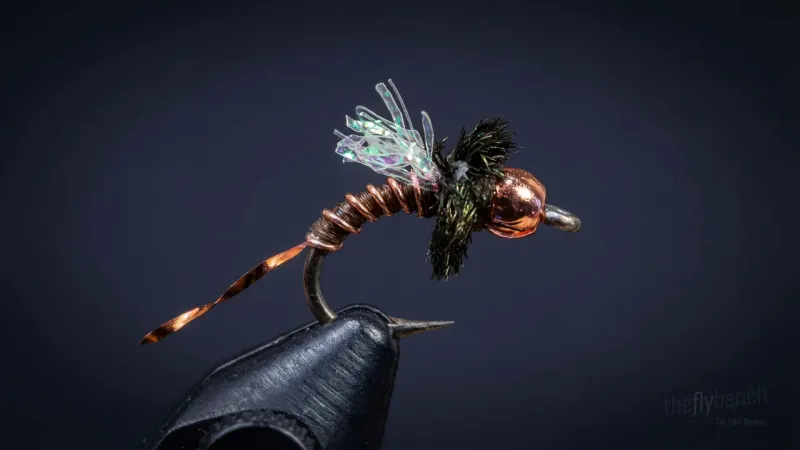
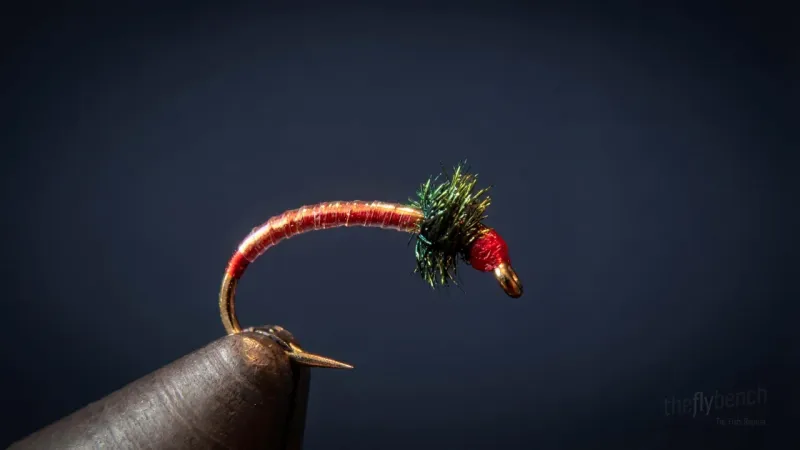
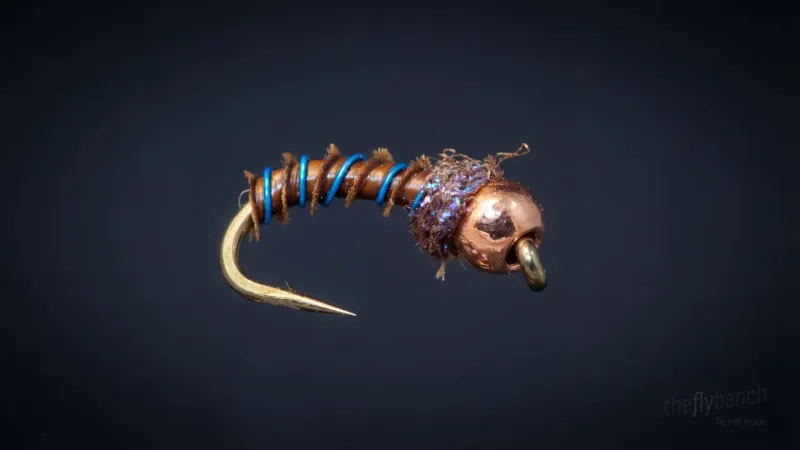
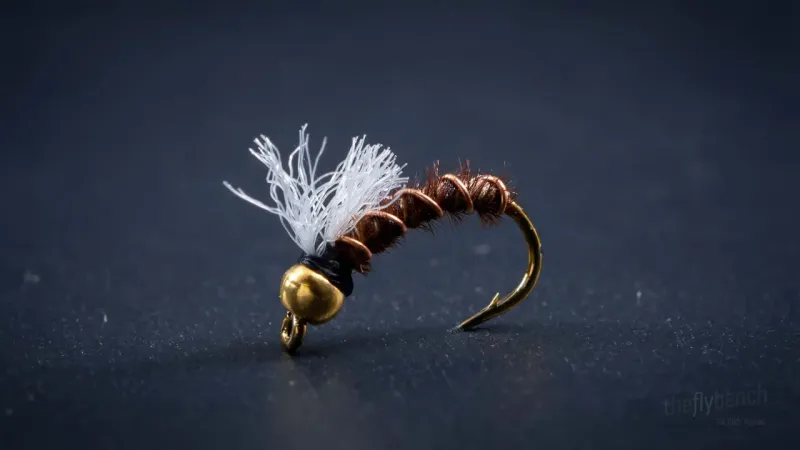
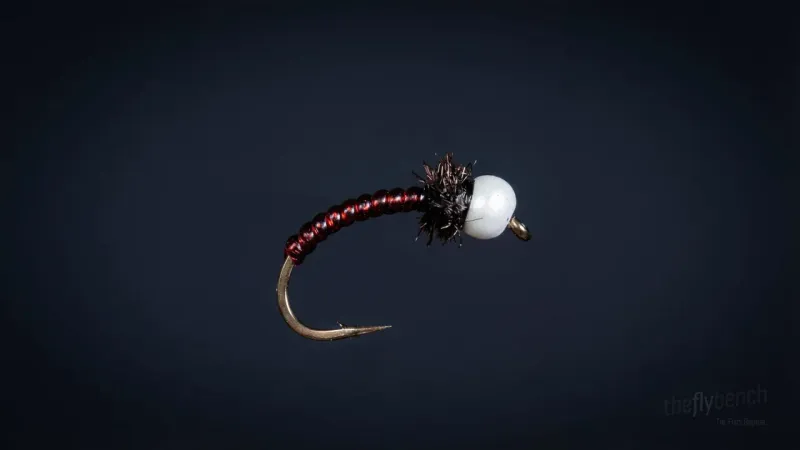
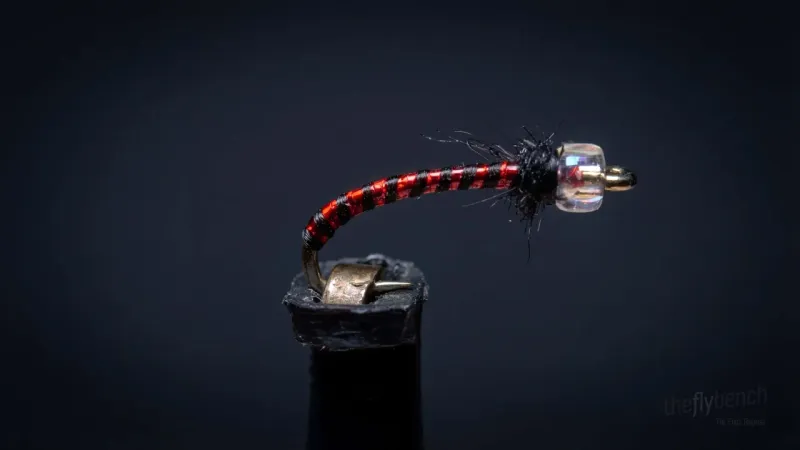
A simple yet effective midge larva pattern known for its effectiveness in tailwaters and spring creeks. The Zebra Midge mimics natural midge larvae with a segmented look and slender profile, making it a must-have fly year round.
Year Round
Beginner
Trout
Dec 2025
Overview
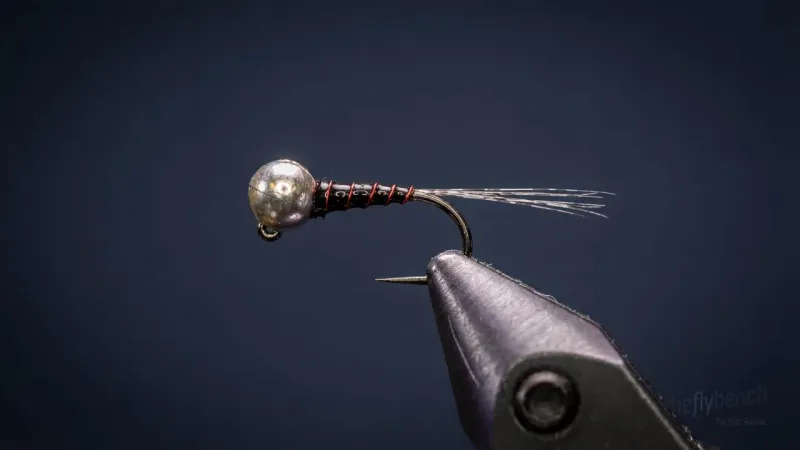
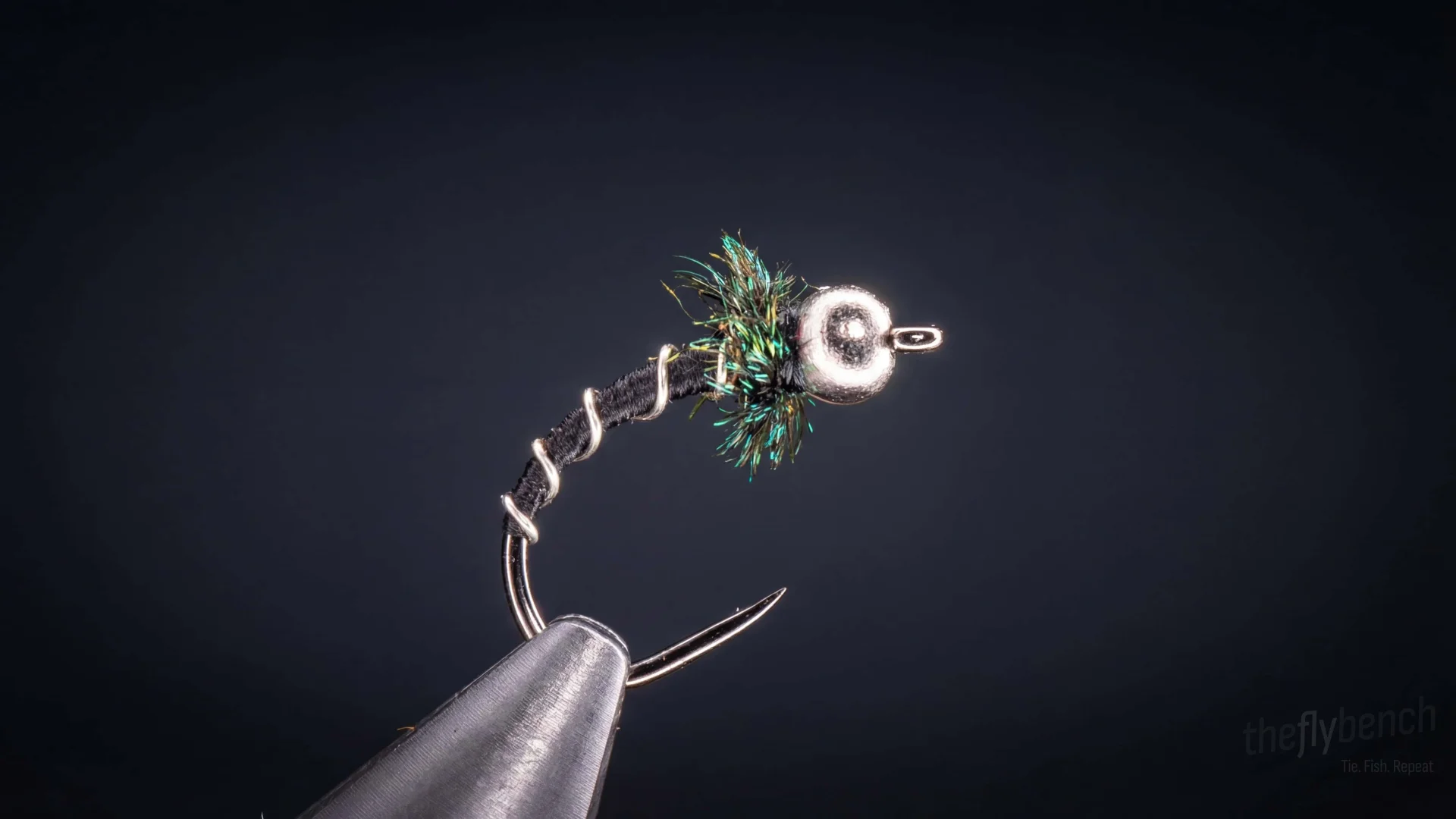
A staple in any tailwater box, the Zebra Midge is a simple yet effective pattern that mimics midge larvae or pupae. Tied on a curved hook with a thread body (usually black, red, or olive), fine wire ribbing, and a small tungsten bead, it's fast to tie and highly effective. The slim profile and subtle flash make it ideal for picky trout in clear water.
Where to Buy This Fly
We only link to fly shops we trust. Some links are referral links, which may earn us a commission at no extra cost to you.
Materials
- Hook:
- Tiemco 2487, size #18–#24
- Thread:
- Black UTC 70 denier
- Body:
- Silver wire
- Ribbing:
- Black wire
- Bead:
- Silver brass bead
Behavior & Presentation
Natural Behavior: Tiny larvae tumble helplessly after being dislodged from silty bottoms, drifting passively with no ability to resist current. Their segmented bodies and year-round availability make them staple forage, especially when temperatures drop below 45°F.
Where Trout Eat It: Fish feed at depths of 2-10 feet in smooth runs, lake shoals, and spring creek channels where midge populations dominate benthic communities.
How to Fish It: Use high-stick nymphing or slow hand-twist retrieves with minimal movement, maintaining tight line contact to detect subtle takes.
Best Water: Target tail-outs, seams, and foam lines in tailwaters and calm lake water where midges concentrate during emergence periods.
Strike Type: Takes are gentle and barely perceptible—watch for subtle sips in the film or minute indicator movements.
Fishing Strategy
Rigging Suggestions: Use 6X-7X tippet (3-4 lb test) on 10-15 foot leaders for moving water. Micro-indicators or sighters help detect subtle takes. Fish solo or in tandem rigs 12-18 inches apart. Two-fly setups with different colors increase success.
Seasonal Timing: Most effective November through April during midge hatches, though productive year-round. Peak periods occur when water temperatures drop below 45°F and midges become the primary food source. December through February can produce exceptional results in tailwaters.
Pro Tips: The brass or tungsten bead provides just enough weight to reach feeding zones without spooking fish. Carry multiple colors (black, red, olive, cream) as trout can be highly selective to specific midge shades.
Entomology
Midge larvae drift passively in the water column after being dislodged from silty bottoms or vegetation, their segmented bodies offering no resistance to current. The year-round availability and sheer abundance of these tiny organisms make them a staple food source, particularly in tailwaters where midge populations dominate benthic communities.
- Order
- Diptera
- Family
- Chironomidae
- Common Name
- Midge
- Organism Type
- insect
- Life Stage
- general