Midge / EmergersMercury Brassie
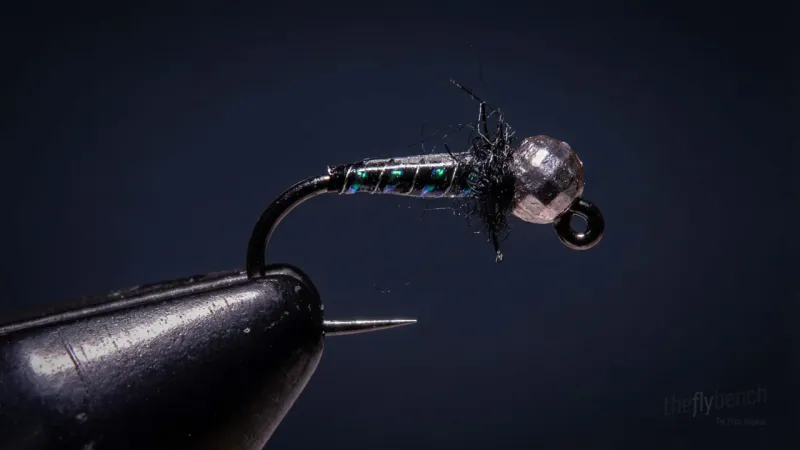
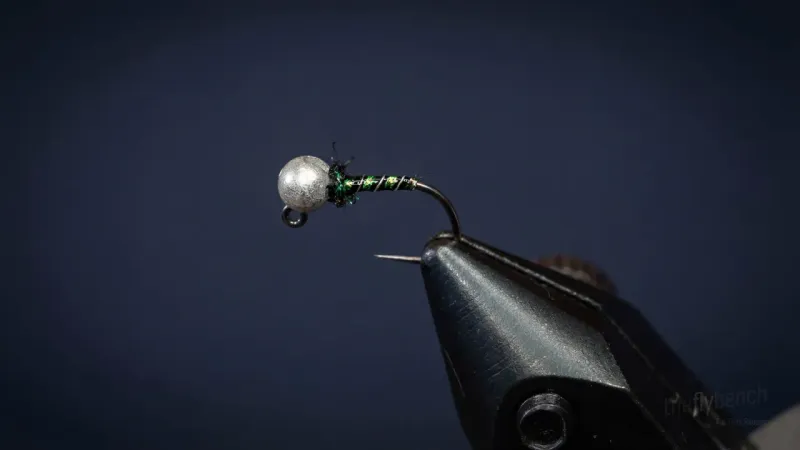
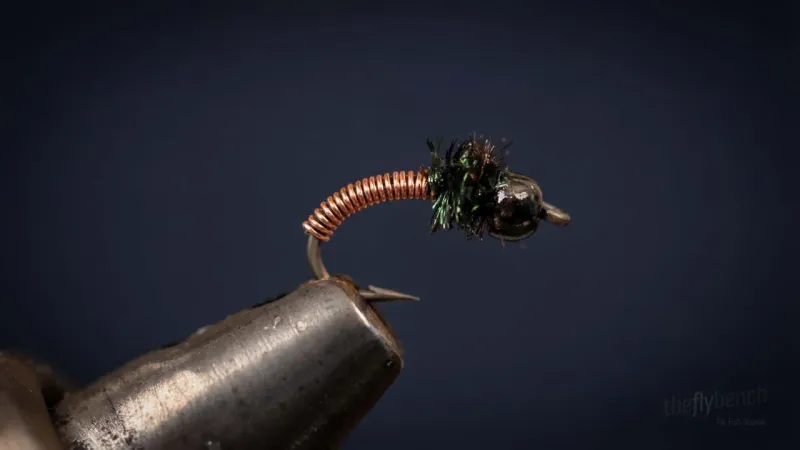
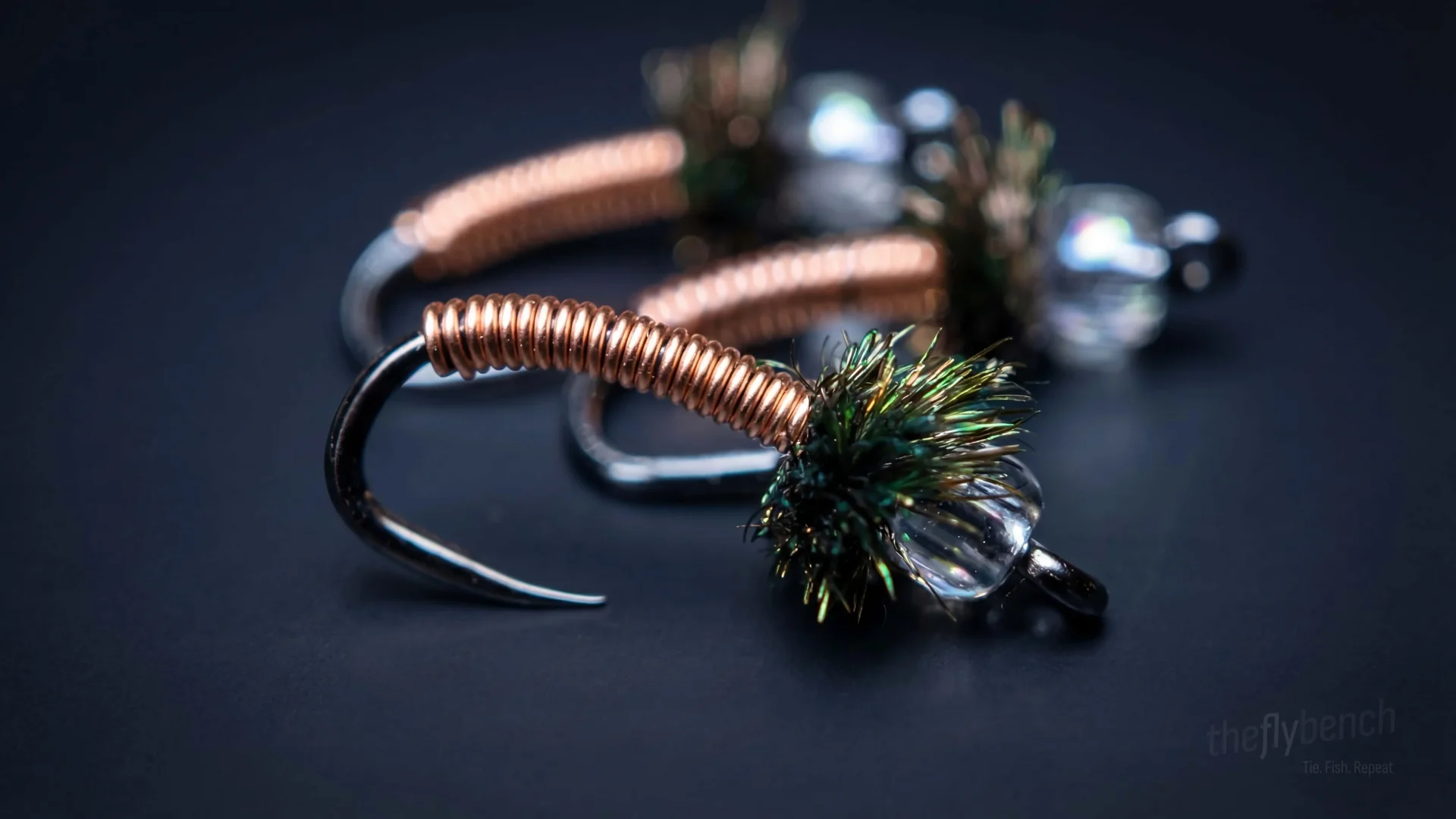
The Mercury Brassie is a variation of the classic Brassie developed on Colorado's South Platte River in the 1960s. A silver-lined glass bead replaces the traditional metal bead, imitating the gas bubble effect of an emerging midge pupa. The weighted wire body sinks quickly, making it ideal for dry-dropper rigs.
Year Round
Beginner
Trout
Dec 2025
Overview
The Mercury Brassie builds on Gene Lynch's original Brassie pattern with one key modification: the silver-lined glass bead creates a subtle air bubble effect that mimics midges preparing to emerge. Popular color variations include copper, red, chartreuse, green, and black to match different midge species. The simplicity of this three-material pattern makes it quick to tie and extremely durable.
Materials
Hook: Tiemco 101, #16–#22
Bead: Silver-lined glass bead, extra small
Thread: Black UTC 70 Denier
Abdomen: UTC Ultra Wire, copper
Thorax: Peacock herl
Behavior & Presentation
Natural Behavior: Ascending pupae hang vertically in the current with gas bubbles trapped beneath their shuck, creating a distinctive profile as they transition toward the surface. Fish key on this mid-column drift stage year-round because the suspended pupae cannot escape and remain available for extended periods.
Where Trout Eat It: Trout sip these throughout the water column from 6 inches to 4 feet deep, especially in tail-outs, seams, and along foam lines where drift concentrates.
How to Fish It: Dead drift the pattern deep through runs using tight-line contact, allowing natural tumbling motion to match helpless ascending insects.
Best Water: Target seams where current speed changes, tail-outs with consistent flow, and foam lines that concentrate emergers.
Strike Type: Subtle hesitation or slight tightening of the line signals fish intercepting mid-column drift.
Fishing Strategy
Rigging Suggestions: Fish on 5X–6X fluorocarbon, 18–24 inches below an indicator or dry fly. Effective droppers include Mercury Pheasant Tails, RS2s, Barr Emergers, and Top Secret Midges in sizes #18–#22.
Seasonal Timing: Year round, with peak effectiveness during winter and early spring midge hatches.
Pro Tips: The weighted wire body sinks quickly to the feeding zone. The silver-lined bead catches light and creates flash, drawing attention from feeding trout.
Entomology
Midge pupae drift suspended in the water column while accumulating gas beneath their pupal casings, maintaining neutral buoyancy as they prepare for emergence. Trout selectively feed on these mid-water pupae during their prolonged pre-emergence drift, capitalizing on year-round availability and the extreme vulnerability of immobile transforming insects.
- Order
- Diptera
- Family
- Chironomidae
- Common Name
- Midge
- Organism Type
- insect
- Life Stage
- pupa