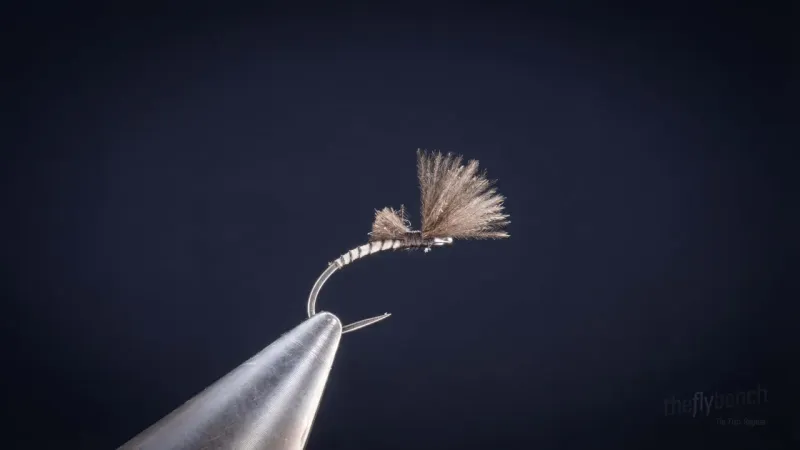
Midge / EmergersZ-Pupa
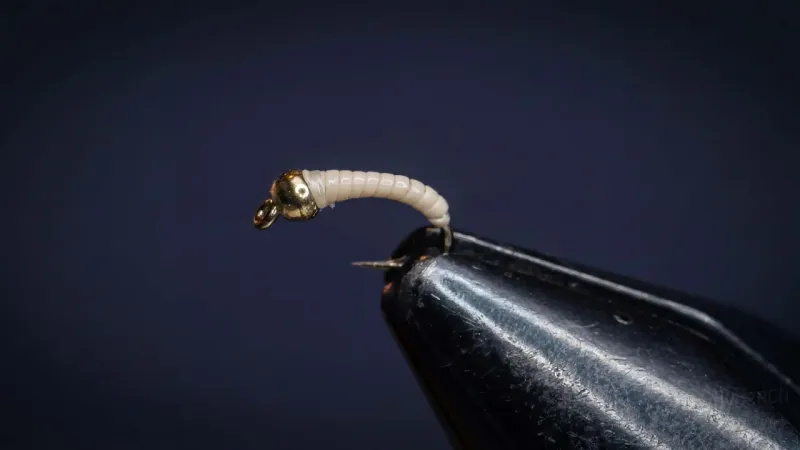
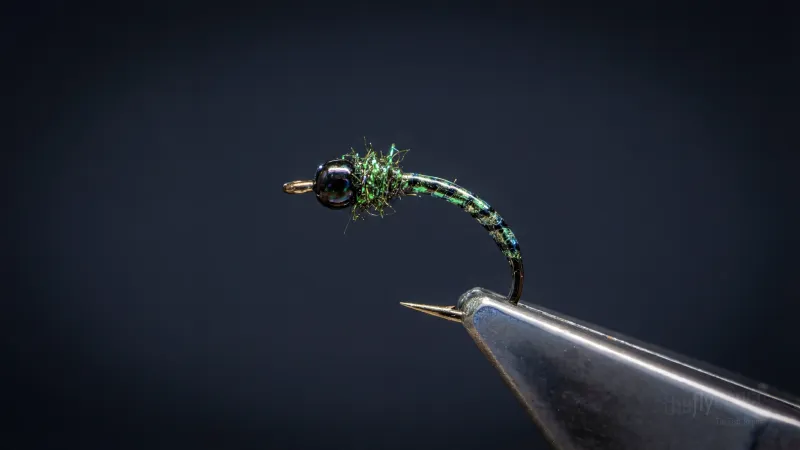
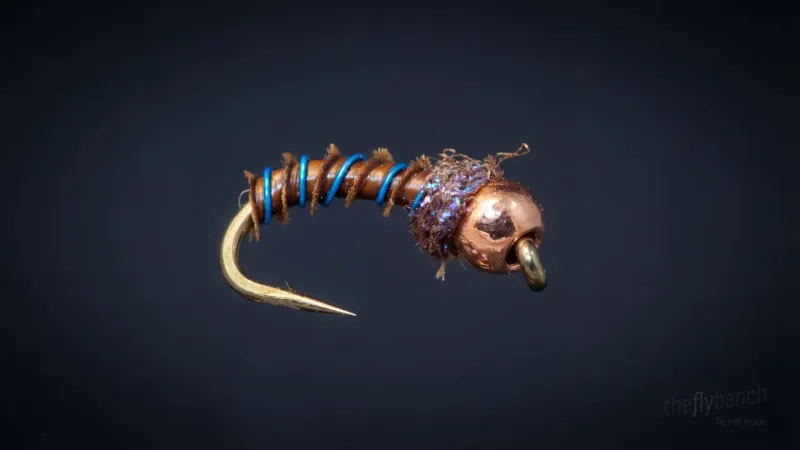
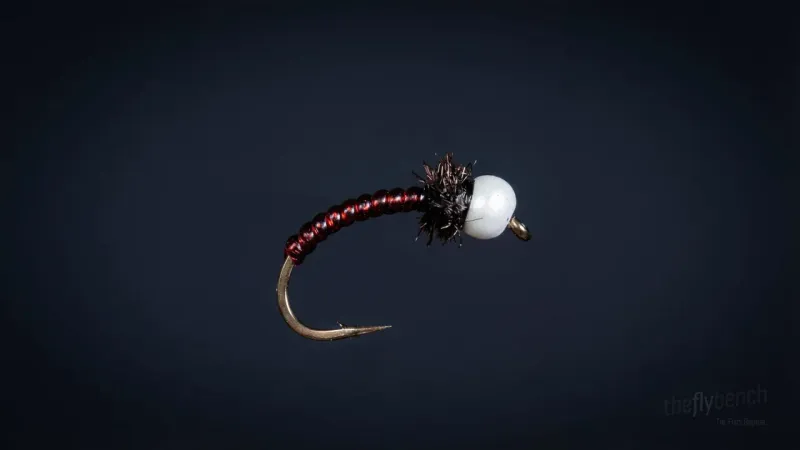
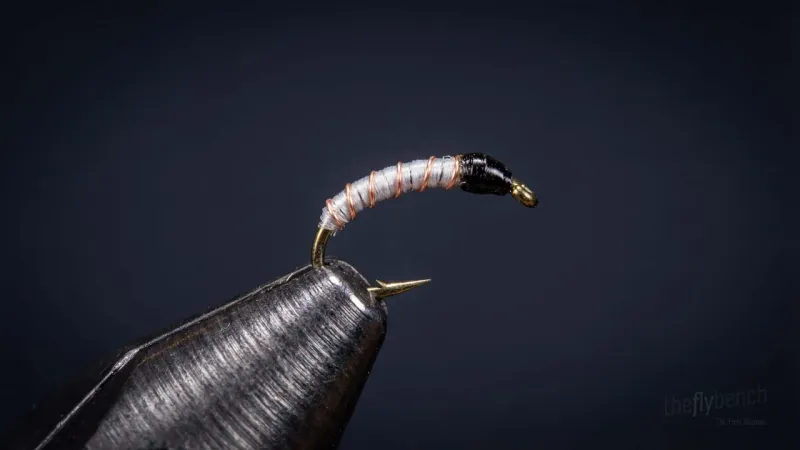
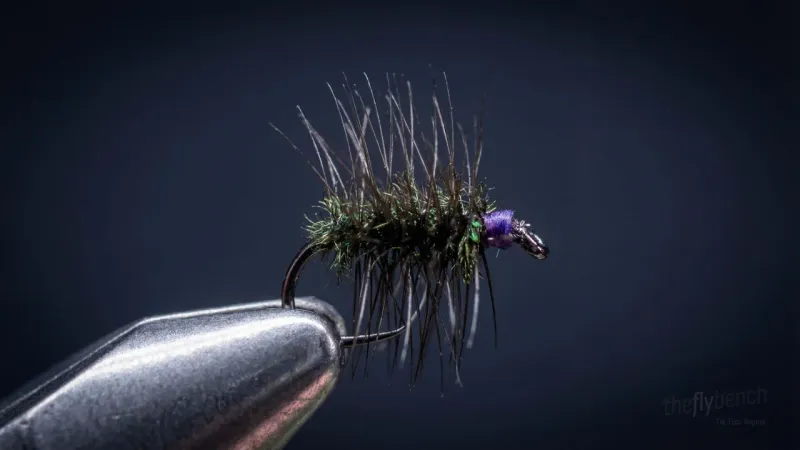
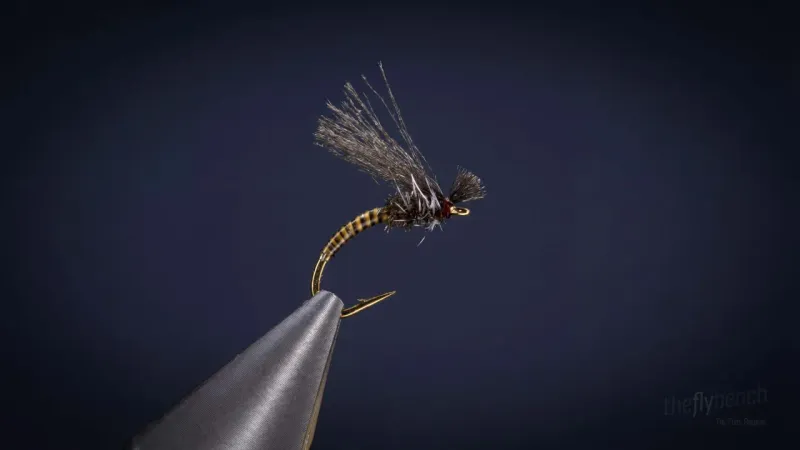
John Mowery's midge pupa design uses Z-lon or similar synthetics for wing pad and gills, creating translucent appearance of emerging midges. Slim body profile with segmentation rib matches natural's shape, while bead head or wire wrap provides weight. Most effective fished in film or just subsurface where midge pupae ascend before hatching.
Spring, Summer, Fall
Intermediate
Trout
Feb 2026
Overview
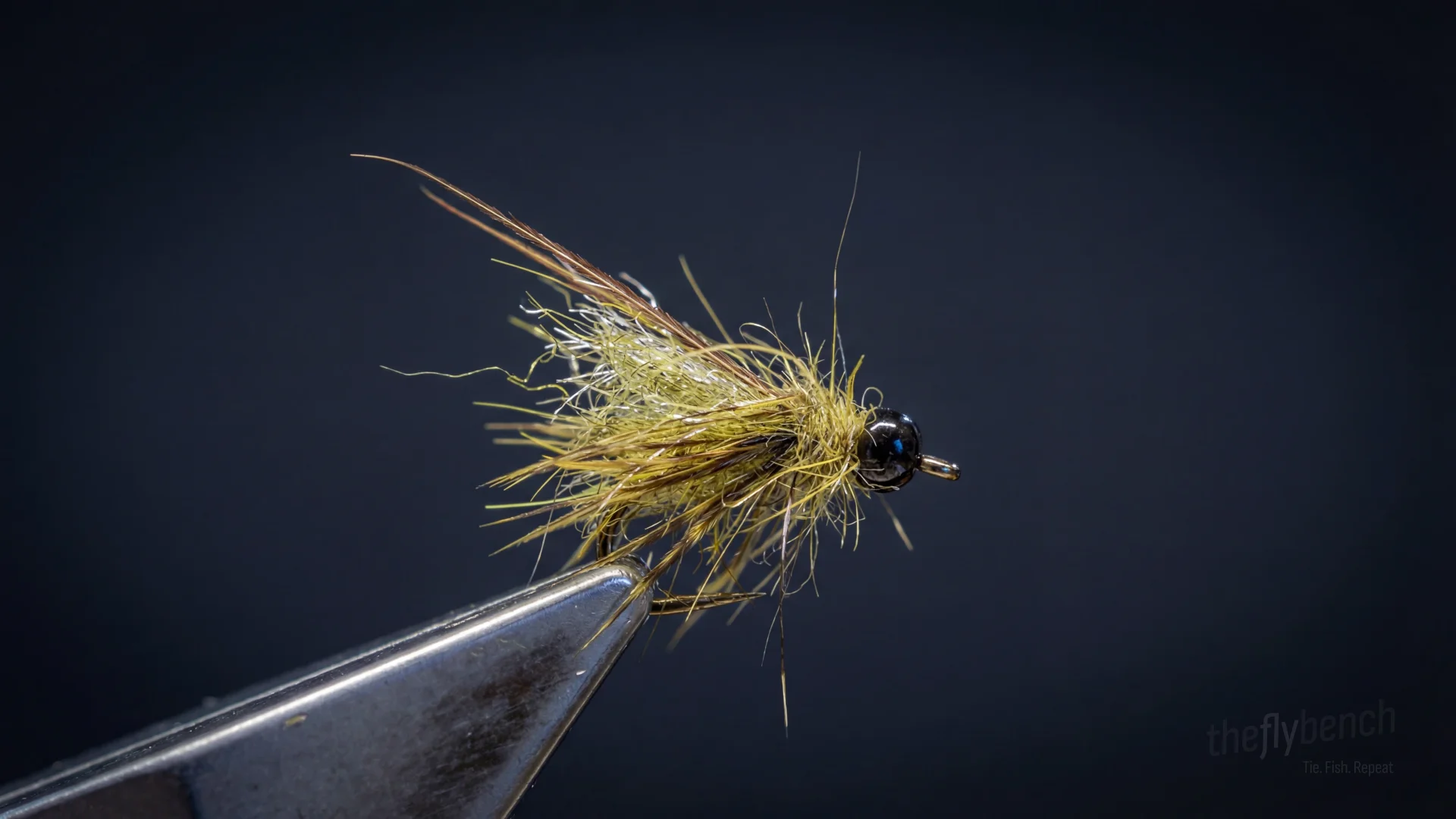
John Mowery's midge pupa design uses Z-lon or similar synthetics for the wing pad and gills, creating the translucent appearance of emerging midges. The slim body profile with segmentation rib matches the natural's shape, while a bead head or wire wrap provides weight for proper depth. Most effective fished in the film or just subsurface where midge pupae ascend before hatching. Works well in tailwaters and spring creeks year-round.
Where to Buy This Fly
We only link to fly shops we trust. Some links are referral links, which may earn us a commission at no extra cost to you.
Materials
- Hook:
- Mustad C49S #12
- Bead:
- Tungsten, black 2.8mm (1/8")
- Thread:
- Benecchi 12/0, olive
- Abdomen:
- Argentinean hare, dyed olive
- Wing:
- Z-lon, mix of olive and silver
- Legs:
- Whiting Brahma hen saddle hackle, dyed olive
- Thorax:
- Argentinean hare, dyed olive; fox squirrel, natural - mixed
Behavior & Presentation
Natural Behavior: Ascending midge pupae rise through the water column in jerky pulsing movements, pausing frequently at mid-depths before continuing toward the surface film. These hesitation periods at consistent depth zones create predictable interception opportunities as trout cruise productive areas targeting suspended pupae during the vulnerable ascent.
Where Trout Eat It: Suspended at mid-column depths or hanging just beneath the surface film, with selective trout cruising tail-outs and flats intercepting ascending pupae at predictable depth zones during emergence windows.
How to Fish It: Position in the film or 6-12 inches subsurface using indicator technique, allowing the translucent materials and slim profile to match ascending midge pupae during the critical emergence stage.
Best Water: Tail-outs and flats where midge emergence concentrates, foam lines collecting suspended pupae before final emergence, and slicks where trout feed selectively on ascending midges at consistent depths.
Strike Type: Nearly invisible takes barely moving the indicator as selective trout gently intercept suspended pupae, requiring close attention to detect the subtle resistance during soft takes.
Fishing Strategy
Rigging Suggestions: Fish on 12-18 foot leader with 5X-6X tippet. Position in film or 6-12 inches subsurface under indicator based on observation of feeding depth during emergence.
Seasonal Timing: Most effective during midge emergences March through May and again September through November when water temperatures range 40-55°F. Year-round productivity on tailwaters during mid-day periods 10 AM-4 PM when warming triggers emergence.
Pro Tips: Translucent Z-lon materials match wing pads and gills of natural midge pupae. The slim segmented body positions correctly in film or just subsurface where trout intercept ascending pupae before hatching.
Entomology
Midge pupae wiggle and pulse as they rise through the water column in a halting, jerky motion, often pausing at mid-depth before continuing their ascent to the surface. Trout intercept these vulnerable midges during their upward journey because the insects are concentrated in predictable depth zones and cannot evade predators while transitioning from pupal to adult form, making them especially important food sources in lakes and slow-moving spring creeks.
- Order
- Diptera
- Family
- Chironomidae
- Common Name
- Midge
- Organism Type
- insect
- Life Stage
- general