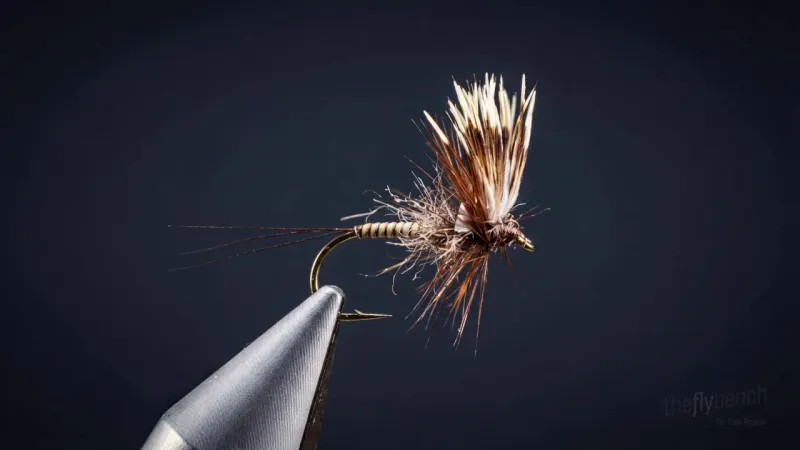
Dry FliesGriffith's Gnat
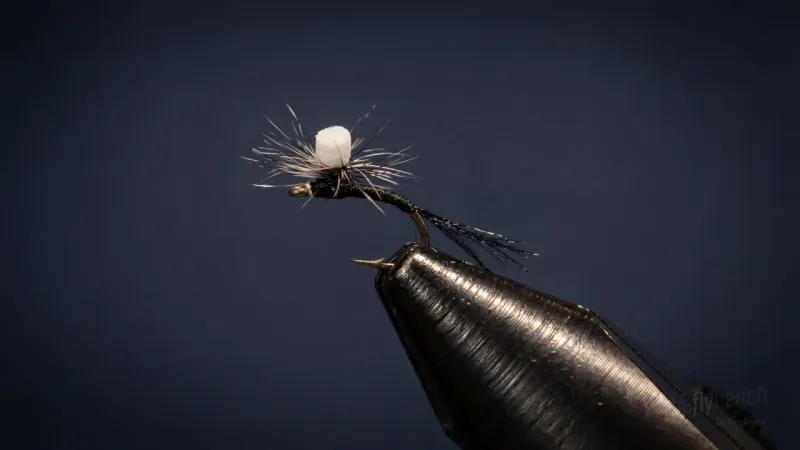
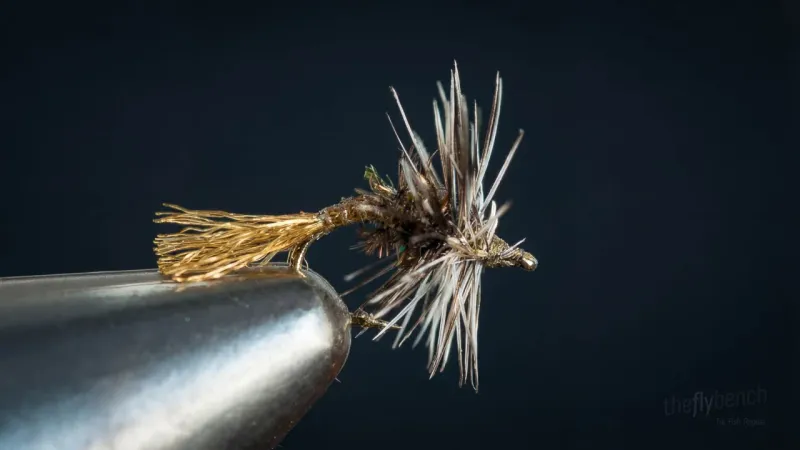
The Griffith's Gnat is a generalist pattern that effectively mimics a variety of insects, primarily midges and small mayflies. Its peacock herl body provides an enticing iridescence, and its grizzly hackle gives the illusion of movement and life.
Spring, Summer, Fall
Intermediate
Trout
Apr 2025
Overview
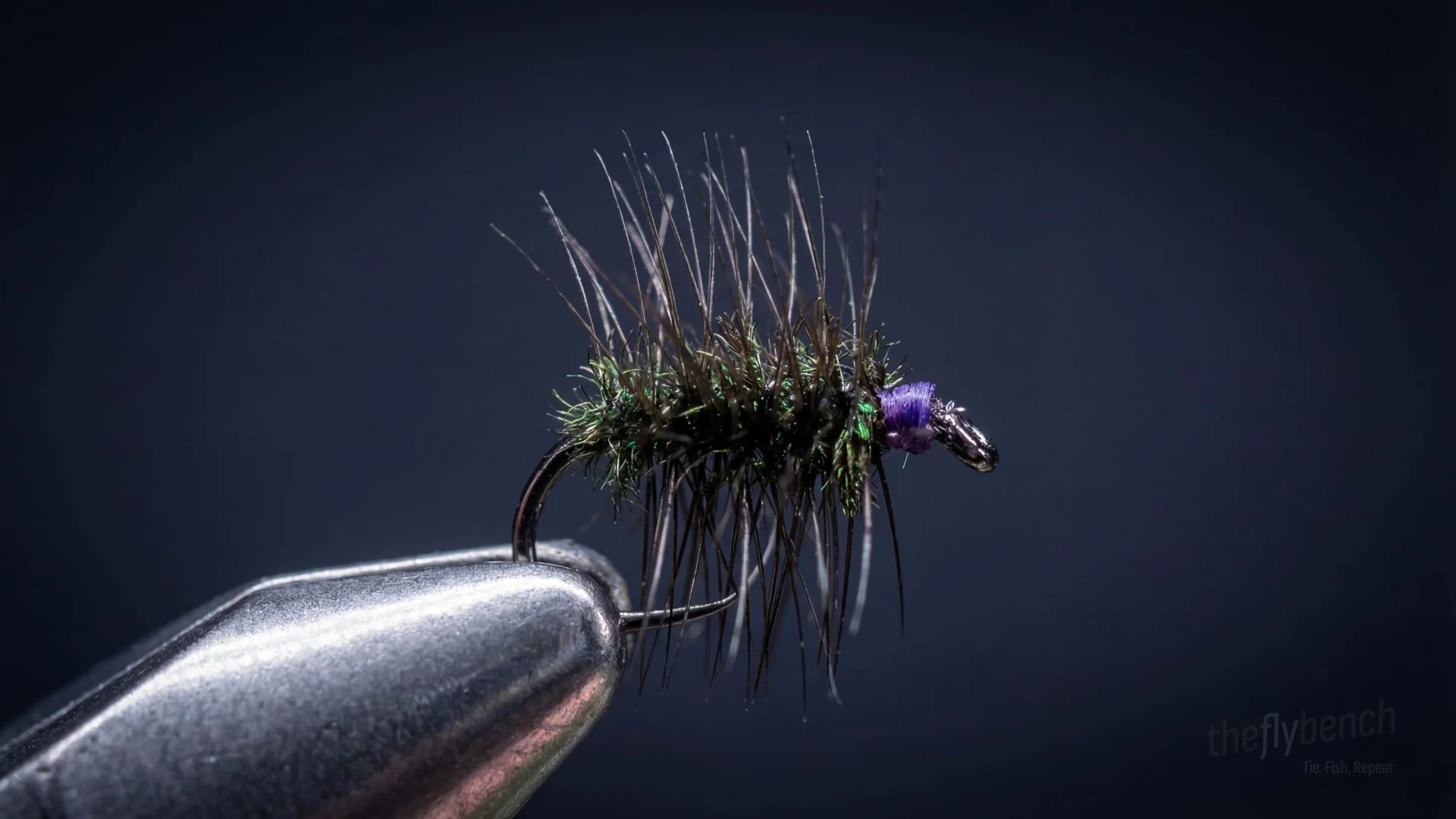
A simple midge cluster pattern made from peacock herl wrapped with grizzly hackle. It's a great option when fish are rising to mating clusters of midges. Easy to tie and effective during winter or late summer when small insects dominate.
Where to Buy This Fly
We only link to fly shops we trust. Some links are referral links, which may earn us a commission at no extra cost to you.
Materials
- Hook:
- 18-22 Tiemco 100SP-BL
- Thread:
- Black 8/0 UNI
- Body:
- Peacock Eyes
- Hackle:
- Whiting Grizzly Saddle or Neck Feather
Behavior & Presentation
Natural Behavior: Clustered midges struggle in the surface film, creating a ball of activity that trout key on. Individual insects appear as a single larger food item.
Where Trout Eat It: Fish rise selectively in slicks, tail-outs, and foam lines where midge clusters concentrate.
How to Fish It: Dead drift flush in the film, the hackle mimicking multiple insects struggling together. Target visible risers.
Best Water: Focus on slicks with calm surface, tail-outs during midge hatches, and foam lines collecting insects.
Strike Type: Confident sips as fish inhale the cluster, often with barely visible rises.
Fishing Strategy
Rigging Suggestions: Use a 9-12 foot leader tapered to 6X or 7X tippet for selective fish. Can be fished alone as a single dry or in tandem 18-24 inches above a small nymph or emerger.
Seasonal Timing: Most productive during from April through October, with exceptional results during midday hours when small insects are most active on the surface.
Pro Tips: The grizzly hackle provides excellent floatation and visibility in various light conditions. Size down to 18-22 for ultra-selective fish. Apply floatant to hackle only for best performance. Effective as a searching pattern during slow periods.
Entomology
Clustered midge adults form mating swarms above the water surface before falling spent onto the film, their bodies tangled together in pairs or small groups creating visible surface disturbances. The hackle-heavy design mimics multiple small insects trapped together, representing the natural clumping behavior during midge emergences. Fish feed confidently on these clusters because they represent concentrated nutrition in a single strike, especially during prolonged winter and spring midge hatches when accumulated insects create prominent feeding opportunities in surface film eddies.
- Order
- Ephemeroptera
- Common Name
- Mayfly
- Organism Type
- insect
- Life Stage
- adult