Midge / EmergersPoly Wing Midge
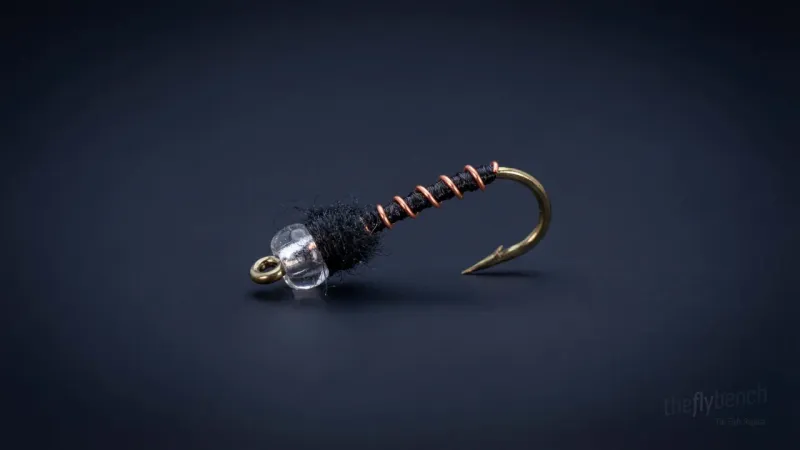
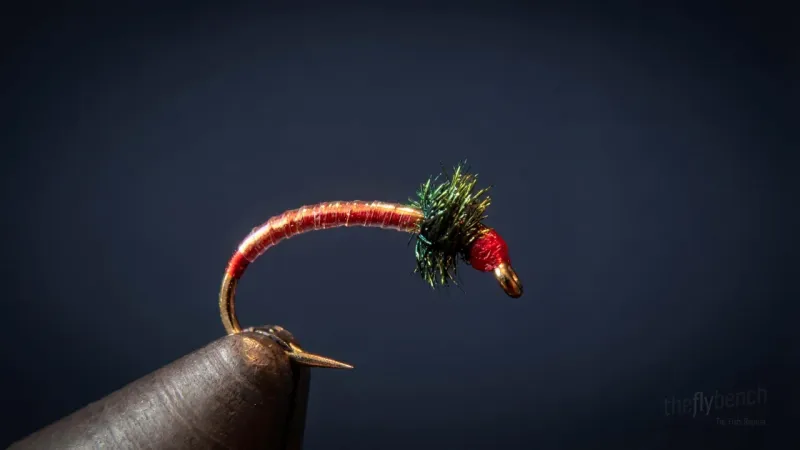
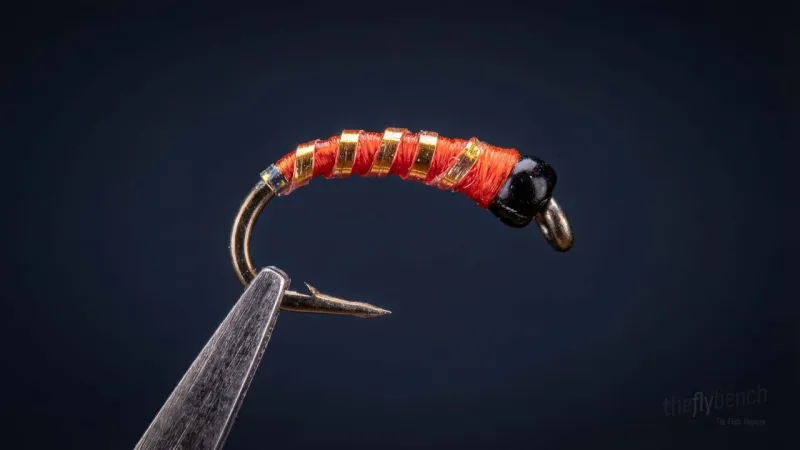
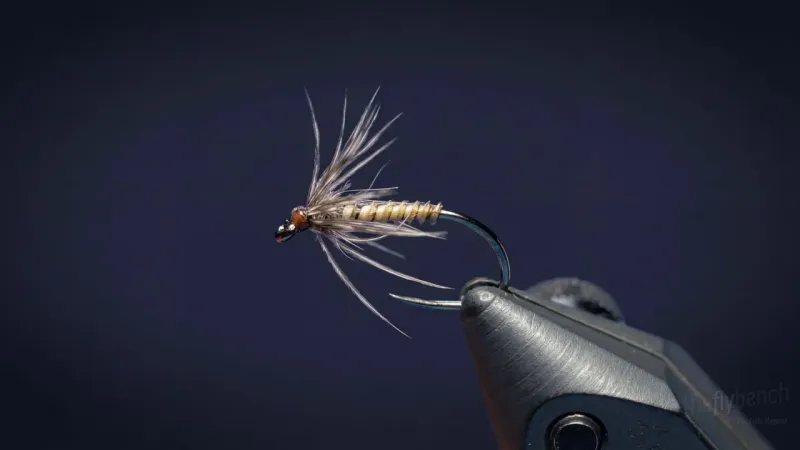
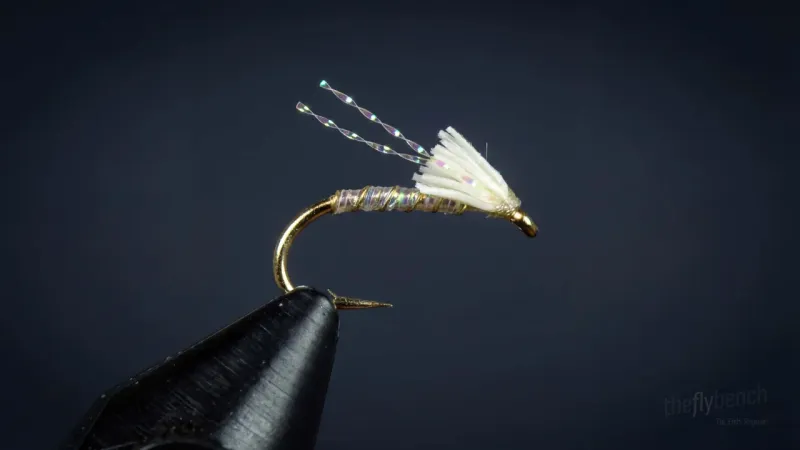
The Poly Wing Midge is a quick and effective hatching midge pattern that imitates adult midges emerging from the surface film. The stripped peacock quill body provides realistic segmentation while the poly yarn wing offers excellent visibility and floatation. A versatile pattern that can be adapted to match any midge hatch by changing color and size.
Year Round
Beginner
Trout
Dec 2025
Overview
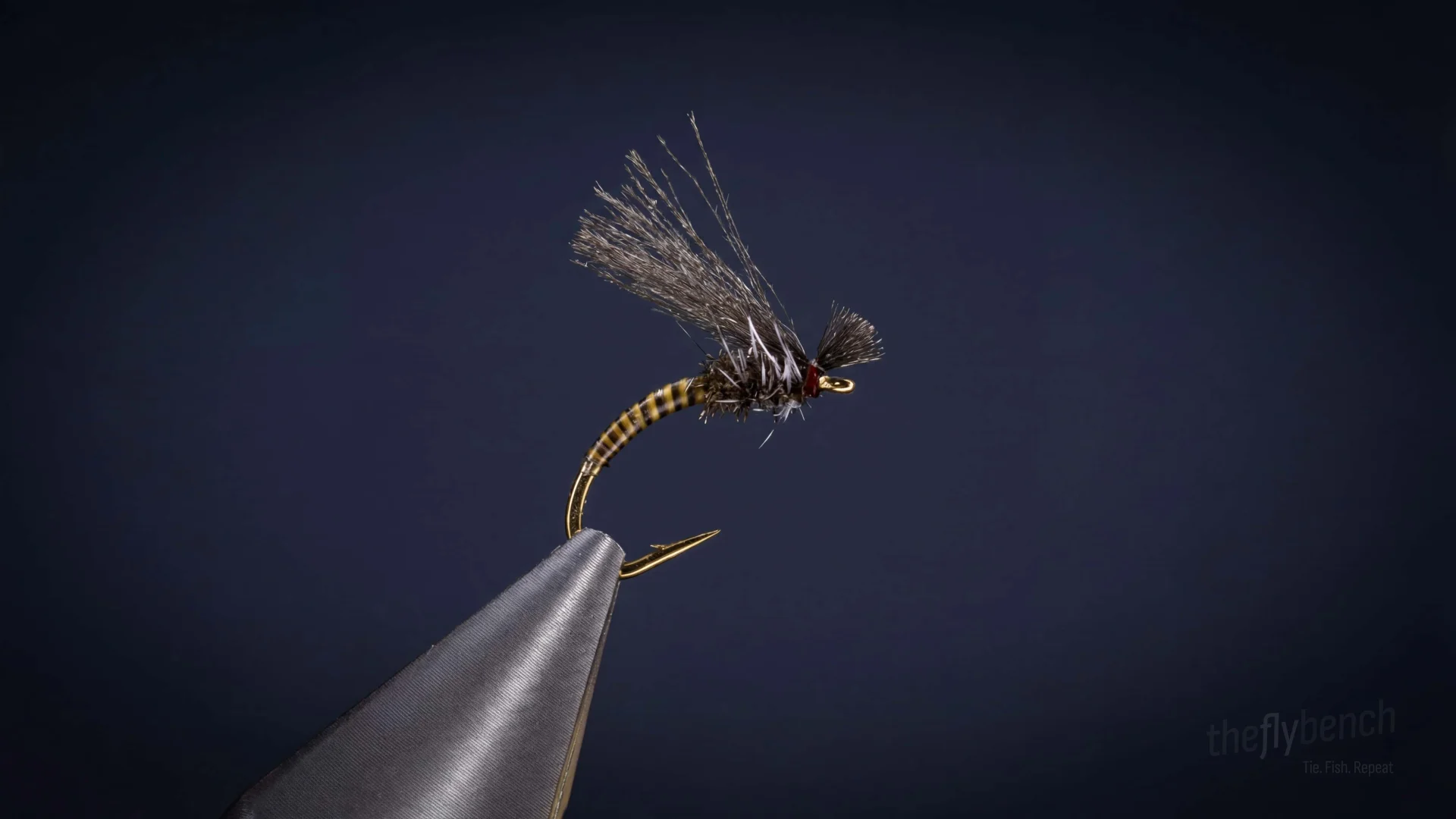
This pattern from Barry Ord Clarke represents an emerging midge trapped in the surface film. The stripped peacock quill creates a segmented body that mimics the natural's abdomen, while the UV resin coating adds durability and a subtle sheen. The grizzle hackle provides support on the water while the poly yarn wing makes the fly easy to track in varied light conditions. Adjust hook size and body color to match local midge populations.
Materials
Hook: Mustad C49S, size #12–#18
Thread: Sheer 14/0, black
Body: Stripped peacock quill, coated with UV resin
Thorax: Peacock herl
Hackle: Grizzle saddle
Wing: Poly yarn, white or gray
Behavior & Presentation
Natural Behavior: Emerging midges penetrate surface tension with wings beginning to unfold while bodies remain half-submerged and dangling. Trapped in the film between aquatic and aerial environments, emergers become highly visible and vulnerable targets.
Where Trout Eat It: Fish focus on the surface film in calm pools, back eddies, and lake margins where emergers concentrate during hatch periods.
How to Fish It: Float the pattern motionless in the film or add gentle twitches to trigger hesitant feeders on stuck emergers.
Best Water: Target eddies with calm surface, tail-outs with smooth flow, and slicks where emergers become trapped in surface tension.
Strike Type: Delicate sipping rises with barely visible disturbance indicate fish selectively targeting trapped emergers.
Fishing Strategy
Rigging Suggestions: Use 12-foot leaders tapered to 5X–7X tippet for wary fish. Fish as a single dry or trail behind a larger dry fly as a dropper.
Seasonal Timing: as midges hatch in all seasons. Particularly productive during winter and early spring when midges are often the only insects active.
Pro Tips: Rides in the surface film with body partially submerged—exactly like a natural emerger.
Entomology
Midge emergers penetrate the surface tension using accumulated gases, with wings beginning to unfold while their bodies remain half-submerged and dangling. Trout focus on emergers during the transitional stage because they are trapped between aquatic and aerial environments, unable to escape and highly visible in the film.
- Order
- Diptera
- Family
- Chironomidae
- Common Name
- Midge
- Organism Type
- insect
- Life Stage
- emerger