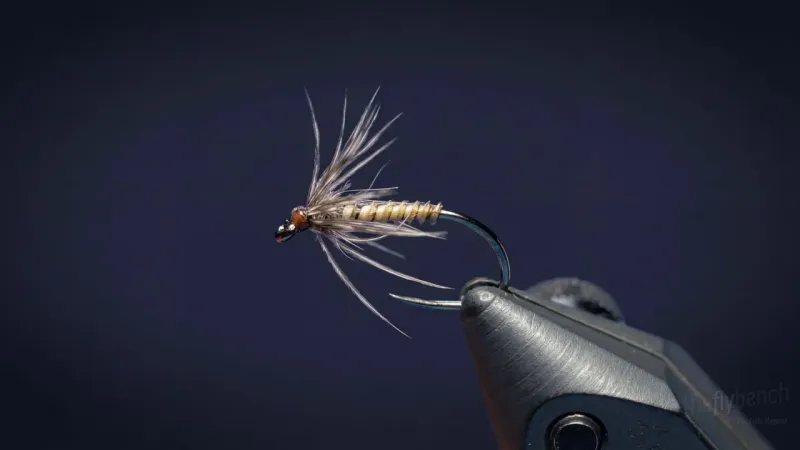
Midge / EmergersChironocones
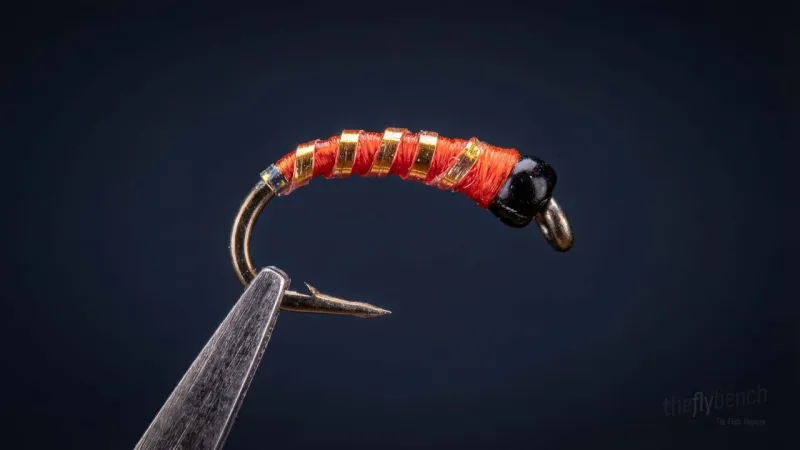
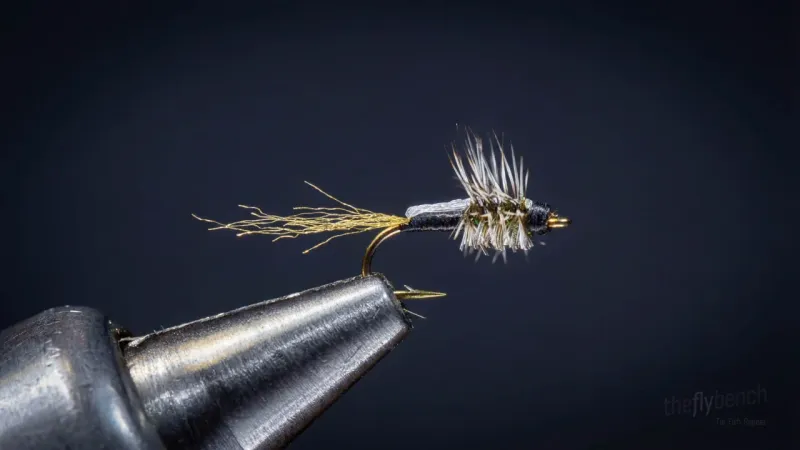
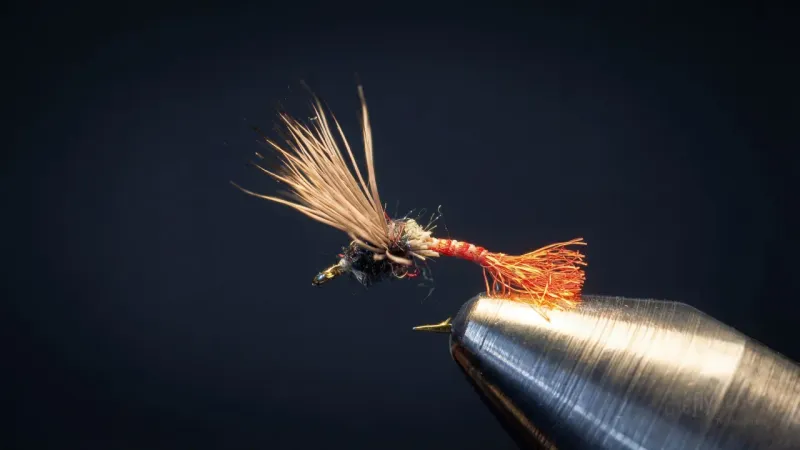
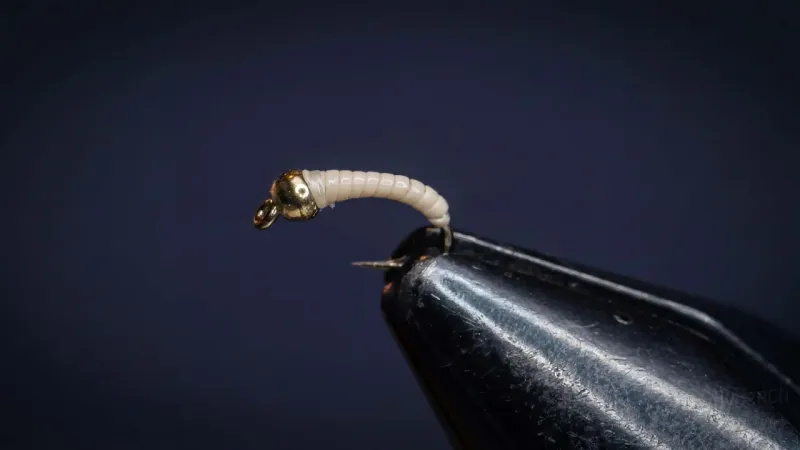
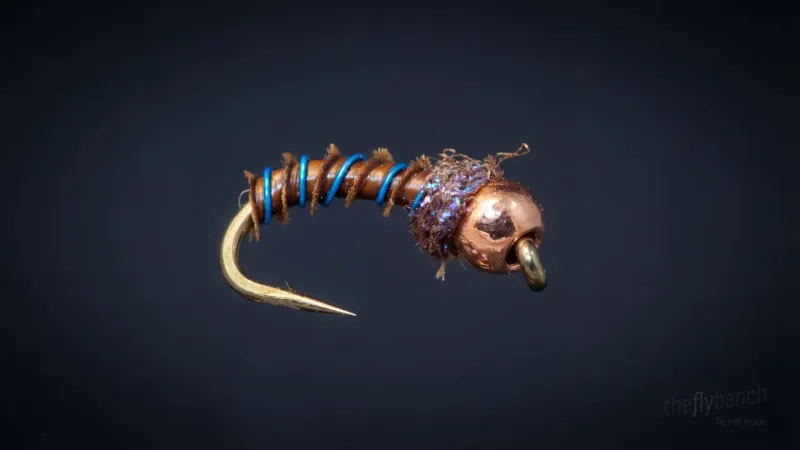
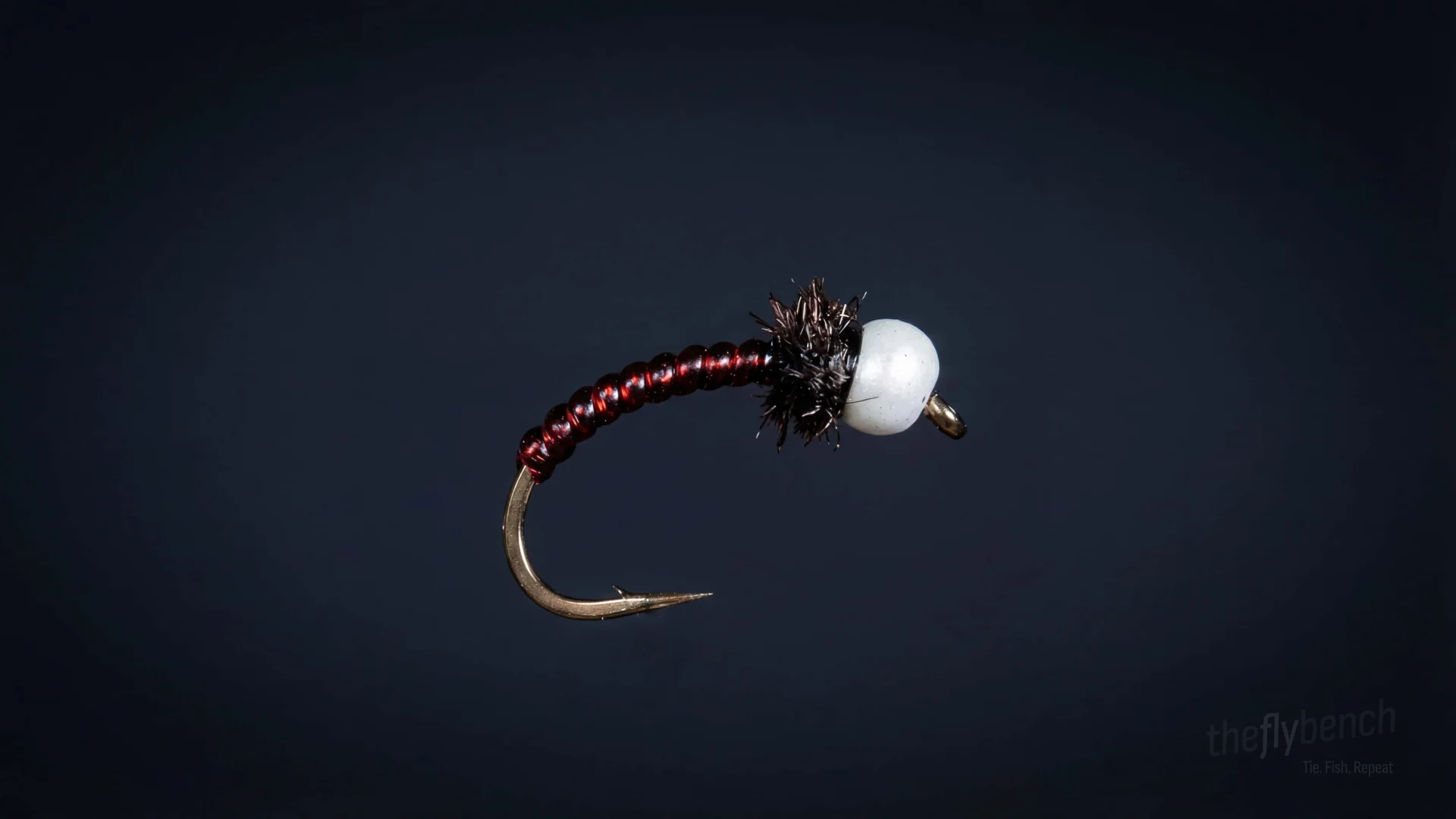
The Chironocones is a midge larvae imitator with a realistic profile and a bit of flash on the thorax. It sinks quickly and can be effective when fished near the bottom.
Year Round
Intermediate
Trout
Apr 2025
Overview
Chironocones are minimalist, Euro-style midge imitations designed for fast sink rates and subtle profiles. Typically tied with a tungsten bead, thread body, wire ribbing, and a touch of UV resin for durability and flash, they excel in technical tailwaters. These flies are ideal for tight-line nymphing and are often fished as part of a two-fly rig.
Where to Buy This Fly
We only link to fly shops we trust. Some links are referral links, which may earn us a commission at no extra cost to you.
Materials
- Hook:
- #10-16 Tiemco 2457
- Thread:
- Red UTC 70
- Bead:
- White Sno Cone Bead
- Body:
- Small or Medium Red D-Rib
- Collar:
- Peacock Herl
Behavior & Presentation
Natural Behavior: Midge larvae inhabit silty bottom substrates in still and slow-moving waters, constructing delicate tubes from silk and fine sediment while their bright red hemoglobin-rich bodies extend to feed on detritus. They emerge from their tubes to forage or relocate, becoming vulnerable when exposed or when currents wash them from protected positions along soft lake bottoms in 10-30 feet.
Where Trout Eat It: Trout target this pattern along silty lake bottoms in 10-30 feet where chironomid larvae construct tubes. Fish suspend mid-column tracking ascending pupae throughout the water column.
How to Fish It: Suspend 12 inches off bottom using strike indicator and long leader. For deeper water, use type 7 sinking line with vertical dangling technique. Initiate slow steady retrieve ascending through water column.
Best Water: Target drop-off edges and shoals with muddy substrates in 10-30 feet of depth.
Strike Type: Suspended 12 inches off bottom using strike indicator or type 7 sinking line with vertical dangling technique, takes appear as indicator twitches or slow draws. Initiate slow steady retrieve ascending through water column — fish intercept with gentle pulls along drop-off edges and shoals.
Fishing Strategy
Rigging Suggestions: Use 6X tippet with a two-fly nymph rig or as a dropper below a dry fly. In lake, suspend 6-12 inches off the bottom using a strike indicator and long leader.
Seasonal Timing: Effective year-round with peak productivity during (April-June) and (September-November) when major chironomid hatches occur. Water temperatures of 40-60°F trigger the most prolific emergences.
Pro Tips: The red holographic tinsel thorax imitates the hemoglobin-filled larvae that trout prefer. Match your size to naturals—typically size 14-20. The cone shape sinks quickly to reach feeding zones in deep water.
Entomology
Midge larvae inhabit silty bottom substrates in still and slow-moving waters, constructing delicate tubes from silk and fine sediment particles while their bright red hemoglobin-rich bodies extend to feed on detritus. They emerge from their tubes to forage or relocate, becoming vulnerable when exposed or when currents wash them from protected positions. Trout grub along soft bottoms specifically targeting these larvae beds because the localized concentrations provide dense, easily accessible protein despite the small individual size of each larva.
- Order
- Diptera
- Family
- Chironomidae
- Common Name
- Midge
- Organism Type
- insect
- Life Stage
- larva