Midge / EmergersTubing Midge
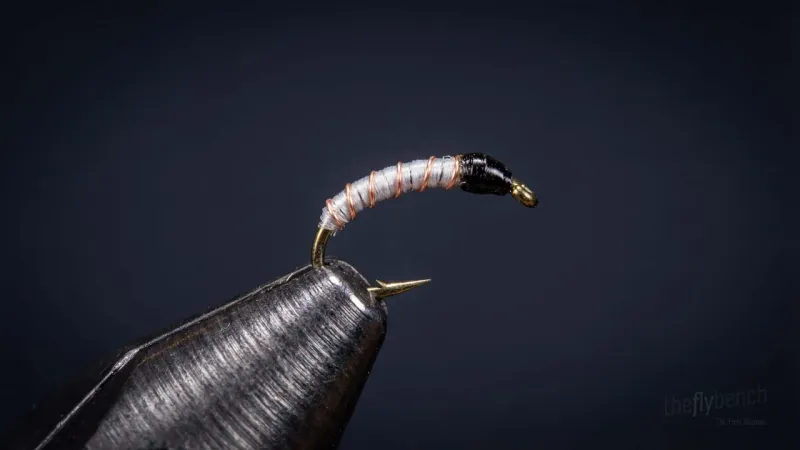
A simple and ultra-effective pattern that uses micro tubing for a segmented, translucent body—perfect for imitating midge larvae and pupae in clear water. The Tubing Midge is effective in tailwaters and spring creeks where midges are a primary food source.
Winter, Spring
Beginner
Trout
Apr 2025
Overview
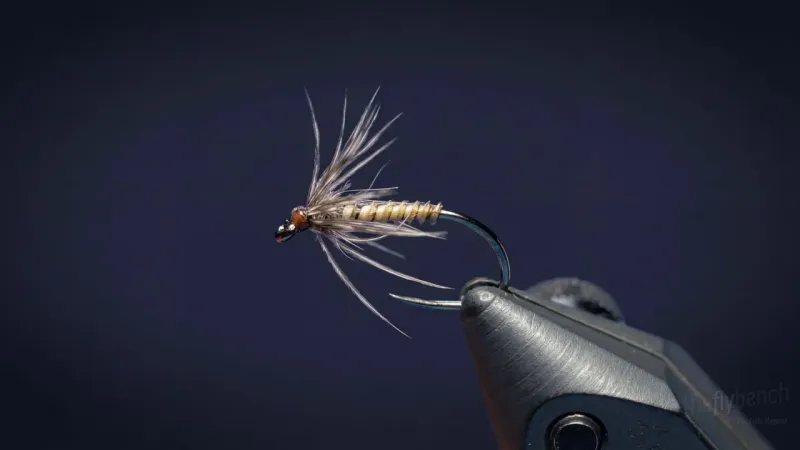
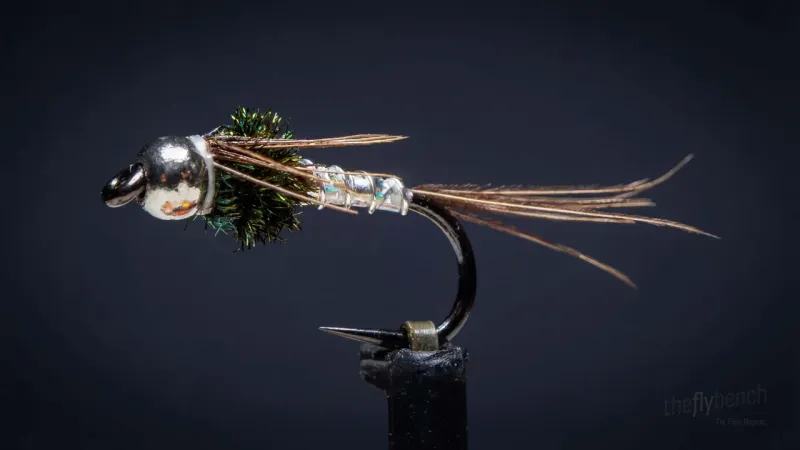
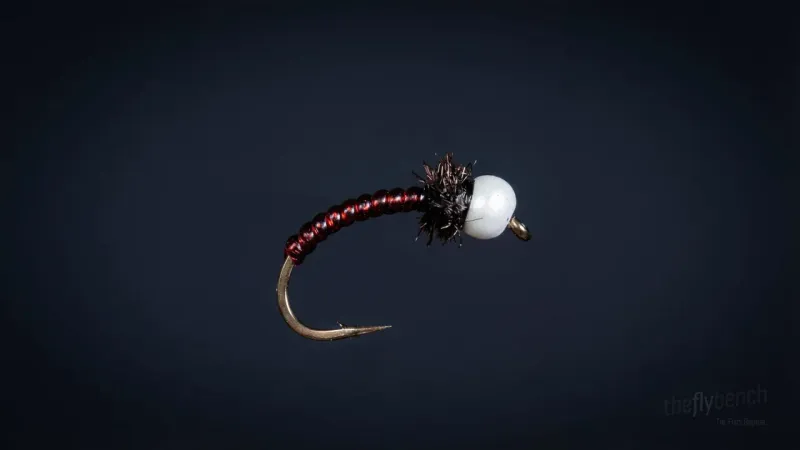
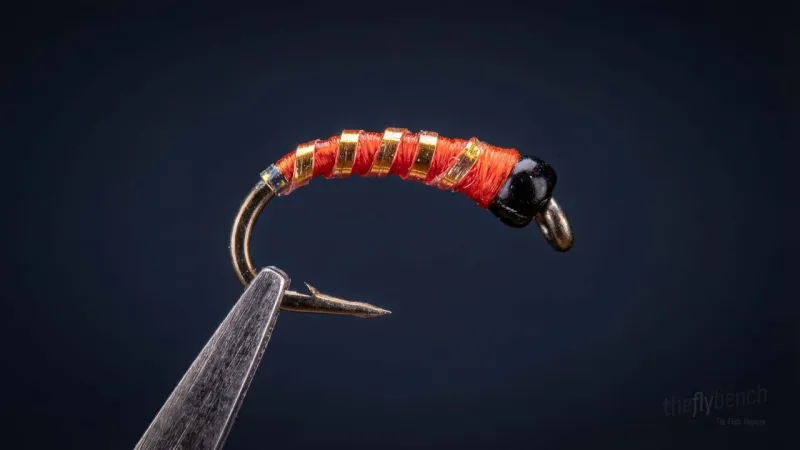
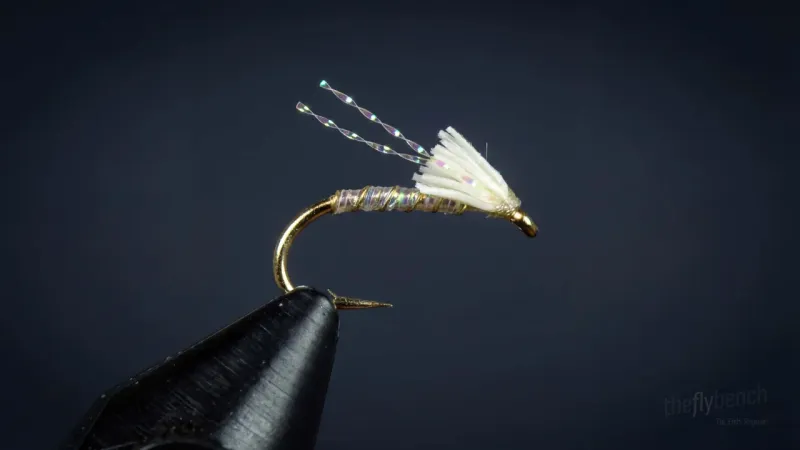
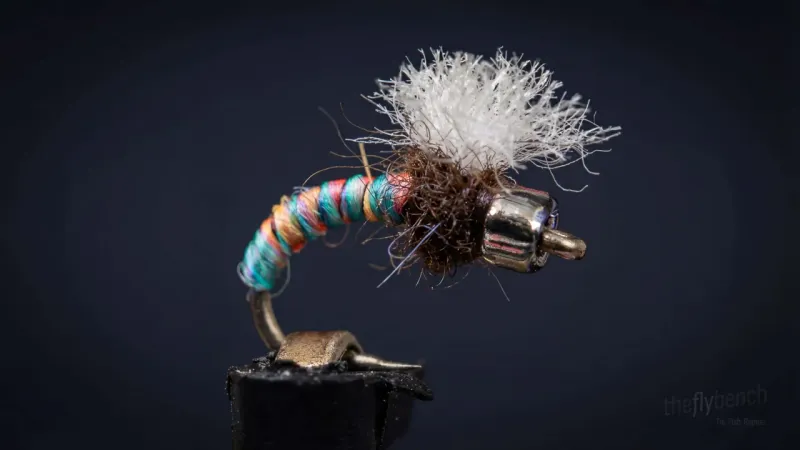
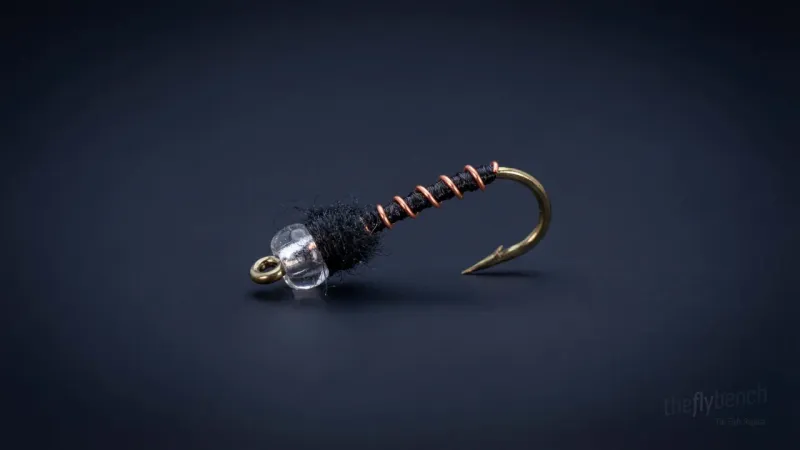
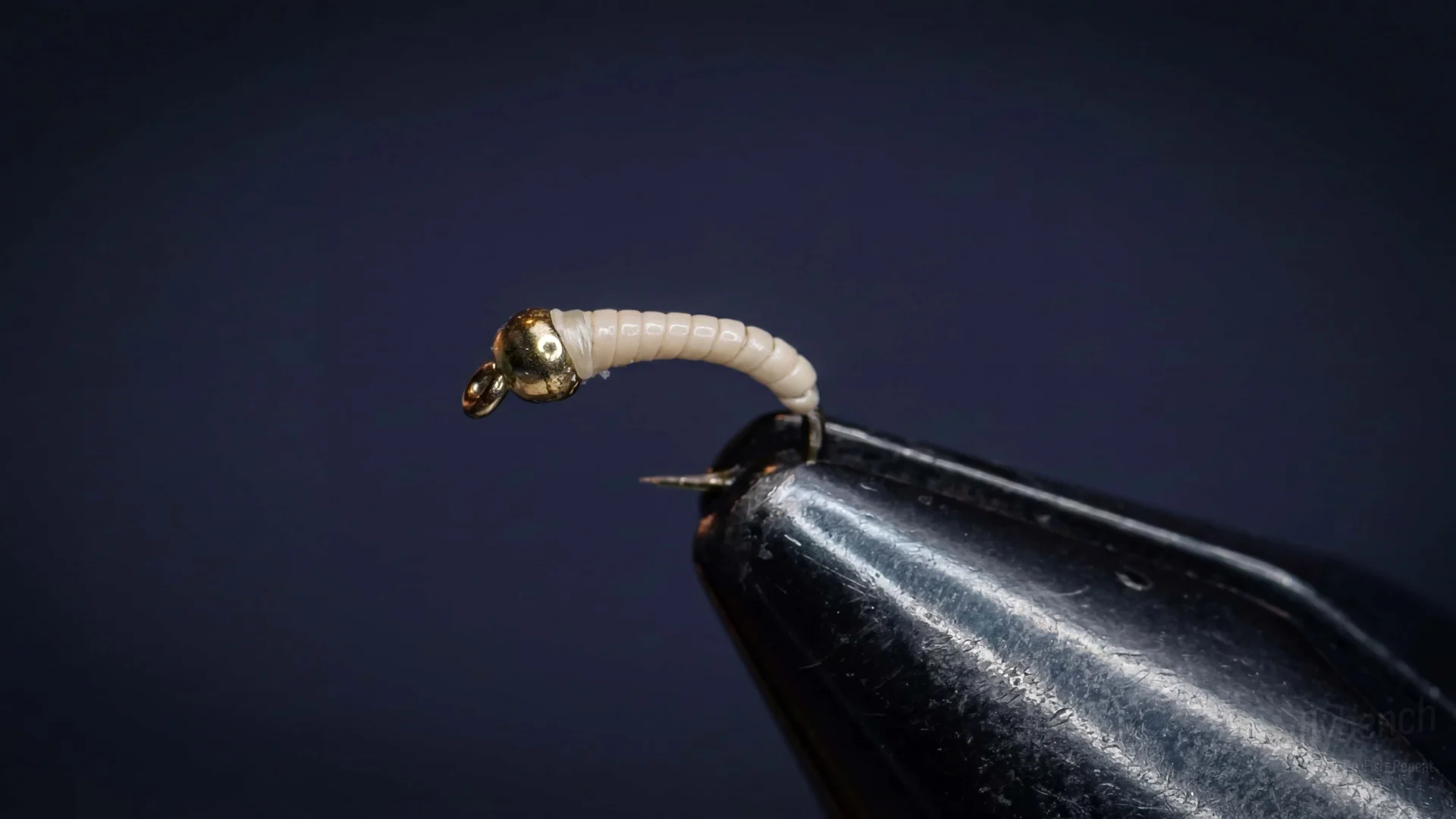
The Tubing Midge uses clear micro tubing over a colored thread base to create a realistic, segmented body. Typically tied on curved hooks in sizes #18–#22, it may include a small bead for weight and a sparse tuft of CDC or dubbing as a wing or thorax. This sleek pattern is simple to tie but extremely effective during midge hatches thanks to its translucency and natural silhouette.
Where to Buy This Fly
We only link to fly shops we trust. Some links are referral links, which may earn us a commission at no extra cost to you.
Materials
- Hook:
- Daiichi 1120, sizes #18-#22
- Thread:
- UTC Ultrathread 70 Denier - Cream
- Bead:
- Plummeting Tungsten Beads - Gold - 1/16" (1.5mm)
- Body:
- Body & Rib Tubing - Buckskin - Micro (small)
Behavior & Presentation
Natural Behavior: Tiny midge larvae dislodged from silken tubes attached to rocks and vegetation drift helplessly in massive numbers, often during winter when other food sources are scarce. Their translucent segmented bodies create concentrated feeding opportunities as they suspend mid-column or drift just off bottom in stillwater feeding zones.
Where Trout Eat It: Fish target suspension zones and near-bottom drifts where dislodged larvae concentrate in numbers.
How to Fish It: Suspend beneath indicator with minimal movement, or fish static in feeding zones where trout sip methodically.
Best Water: Focus on current seams, pools, runs, and eddy margins where drifting larvae accumulate.
Strike Type: Suspended beneath indicator with minimal movement or fished static in feeding zones, strikes manifest as subtle indicator shifts or sideways drift. Trout sip methodically during heavy midge activity, producing barely perceptible takes that require focused observation.
Fishing Strategy
Rigging Suggestions: Best fished under a sensitive strike indicator with 6X or 7X very fine tippet. Suspend the fly 2-4 feet below the surface or just off the bottom.
Seasonal Timing: Most productive during from December through May when midge activity is heaviest and trout focus on small food items. Use during heavy midge activity, especially on cold days when midges are the primary food source.
Pro Tips: The clear tubing body makes this fly nearly invisible in the water, perfect for selective fish. Watch your indicator carefully for the slightest movement as takes are often extremely subtle.
Entomology
Midge larvae live in silken tubes attached to rocks, vegetation, and bottom substrate, extending their bodies to feed on algae and detritus while anchored to their protective cases. When dislodged by current or during emergence preparation, these tiny larvae (size 18-26) drift helplessly in the water column, often in massive numbers that create significant feeding opportunities. Their year-round availability, particularly in winter when other food sources are scarce, makes them a critical staple in trout diets across all water types.
- Order
- Diptera
- Family
- Chironomidae
- Common Name
- Midge
- Organism Type
- insect
- Life Stage
- larva