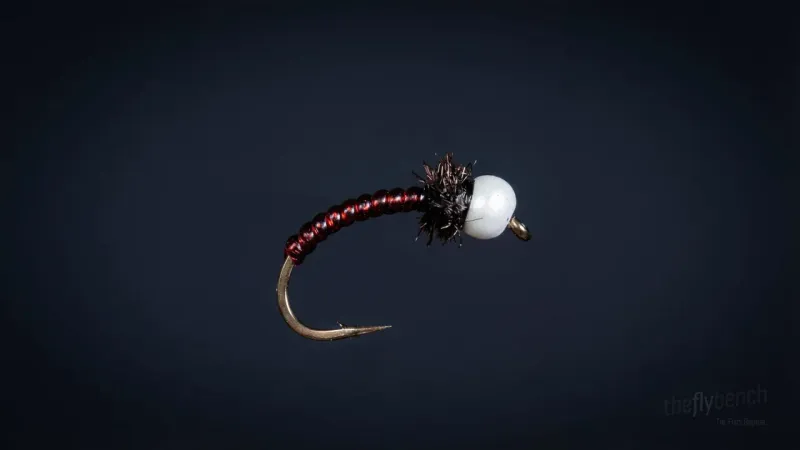
Midge / EmergersKF Buzzer
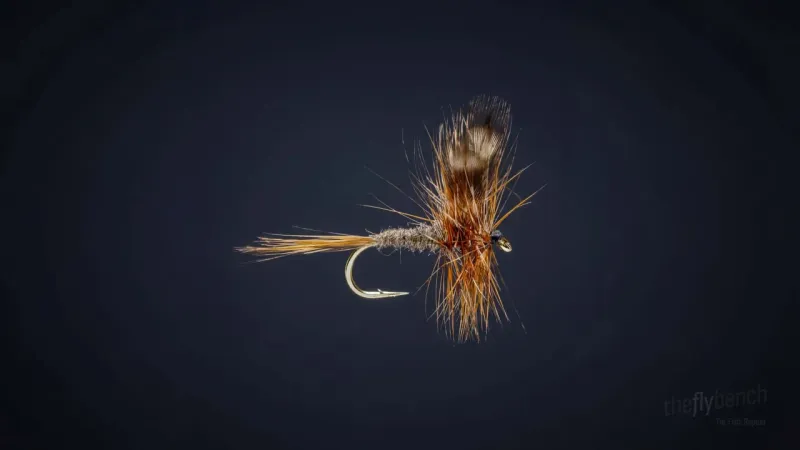
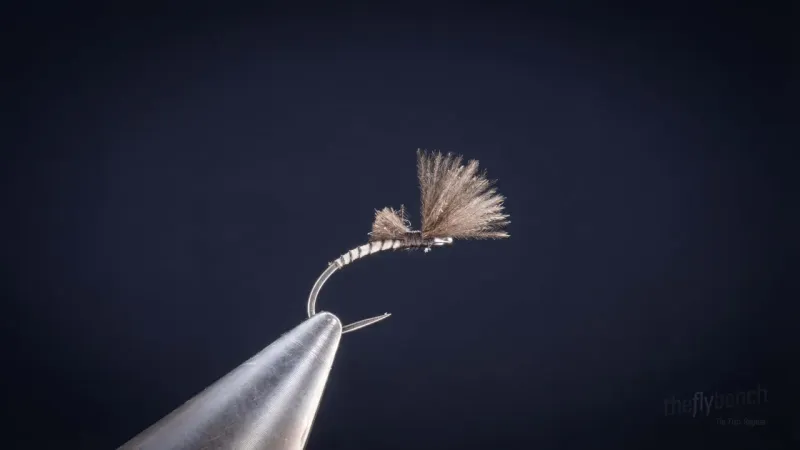
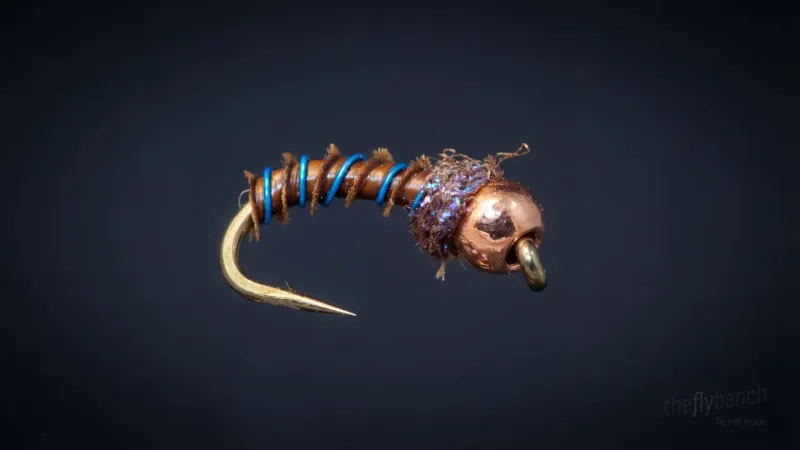
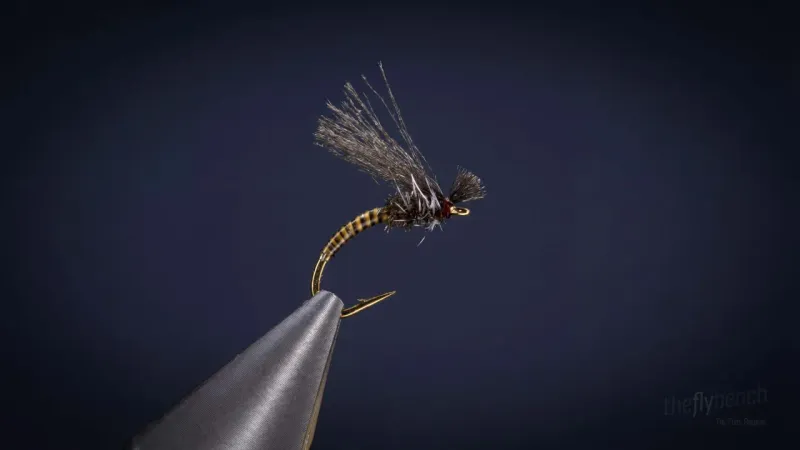
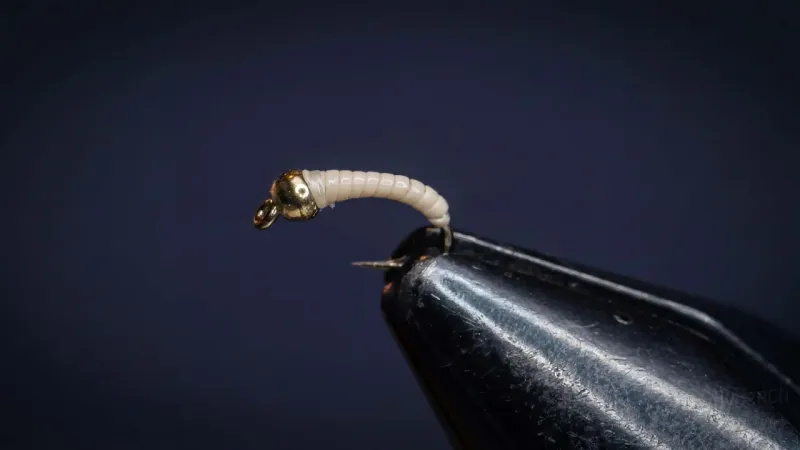
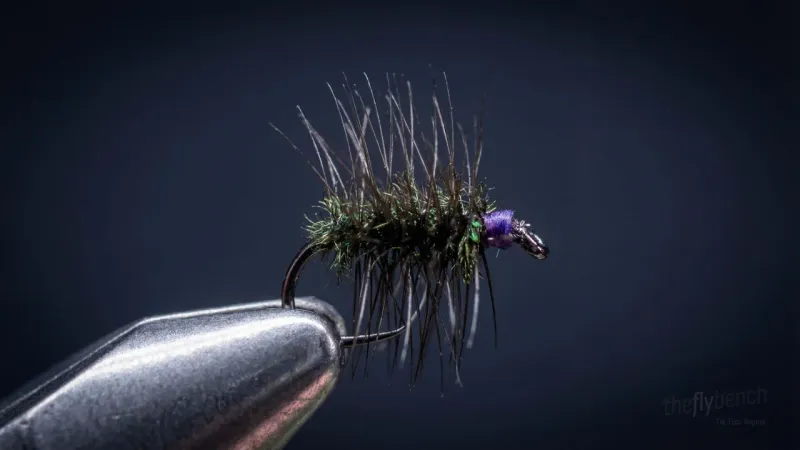
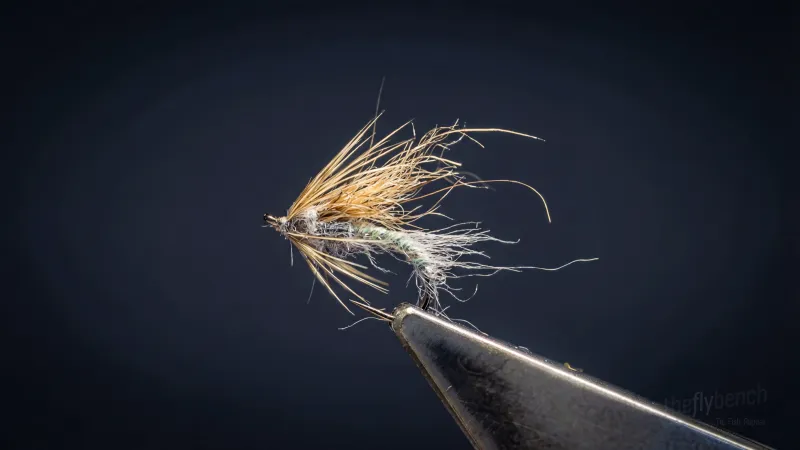
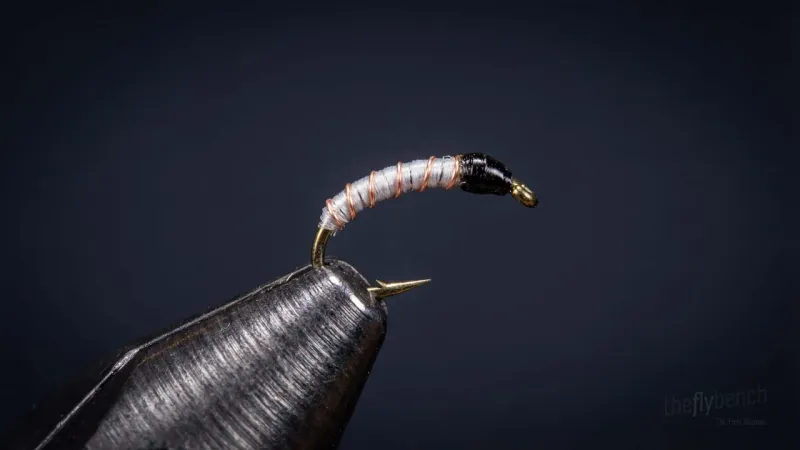
John Morton's buzzer design emphasizes the critical emerger stage when chironomids prove most vulnerable. Features slender profile with translucent materials capturing light like natural midge pupae. Suspended presentation in film mimics ascending pupae that stillwater trout selectively target.
Spring, Summer, Fall
Intermediate
Trout
Feb 2026
Overview
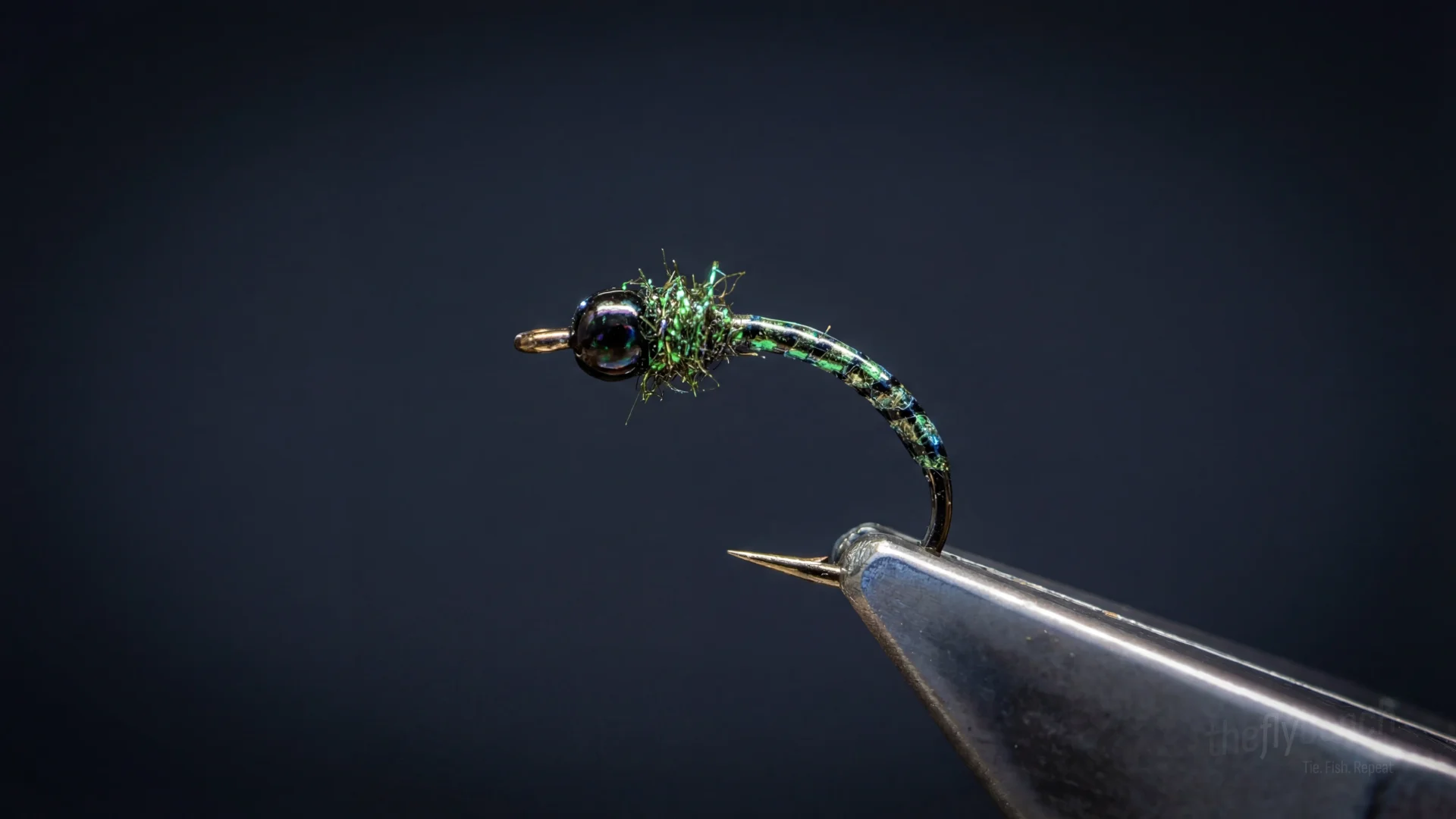
John Morton's buzzer design emphasizes the critical emerger stage when chironomids are most vulnerable. Features a slender profile with translucent materials that capture light like natural midge pupae. The pattern's suspended presentation in the film mimics ascending pupae, a stage trout feed on selectively. Material selection creates subtle segmentation and realistic coloration for stillwater fishing when midges dominate the food chain.
Where to Buy This Fly
We only link to fly shops we trust. Some links are referral links, which may earn us a commission at no extra cost to you.
Materials
- Hook:
- Mustad C49S #12
- Bead:
- Tungsten, black 2.3mm (or 3/32")
- Thread:
- Benecchi 12/0, black
- Rib:
- Krystal Flash, black
- Abdomen:
- Krystal Flash, light green translucent
- Thorax:
- SLF Prism, peacock
Behavior & Presentation
Natural Behavior: Chironomid pupae wriggle and twist during their ascent from bottom to surface, pausing frequently in the water column before finally penetrating the surface film in preparation for adult emergence. Fish intercept these ascending pupae at various depths because the slow, vulnerable rise presents extended feeding opportunities, and midges often emerge in massive numbers that justify sustained selective feeding.
Where Trout Eat It: Trout intercept chironomids at specific depths in stillwater column, sipping ascending pupae during slow upward movement.
How to Fish It: Fish team of three buzzers at varying depths with indicator, using slow figure-eight or no retrieve matching natural behavior.
Best Water: Target stillwater shoals transitioning 8-15 feet to shallows, soft-bottom bays with chironomid colonies, and weed bed margins.
Strike Type: Fishing team of three buzzers at varying depths with slow figure-eight or static retrieve, watch for indicator dips or slight hesitations. Trout intercept ascending pupae with gentle takes at specific depth zones, requiring immediate but delicate hook sets.
Fishing Strategy
Rigging Suggestions: Fish on 12-18 foot leader with 5X-6X tippet under indicator. Position 2-6 feet deep based on observation of feeding depth and emergence activity.
Seasonal Timing: Most effective during midge emergences April through June and activity September through October when water temperatures range 45-58°F. Peak lake activity occurs mid-morning through afternoon when surface temperatures trigger emergence.
Pro Tips: Translucent materials capture light like natural pupae. The slender profile matches vulnerable ascending stage when chironomids prove most available to feeding trout in lake environments.
Entomology
Midge pupae wriggle and twist during their ascent from bottom to surface, pausing frequently in the water column before finally penetrating the surface film in preparation for adult emergence. Fish intercept these ascending pupae at various depths because the slow, vulnerable rise presents extended feeding opportunities, and midges often emerge in massive numbers that justify sustained selective feeding.
- Order
- Diptera
- Family
- Chironomidae
- Common Name
- Midge
- Organism Type
- insect
- Life Stage
- general