Dry FliesAdams Fly
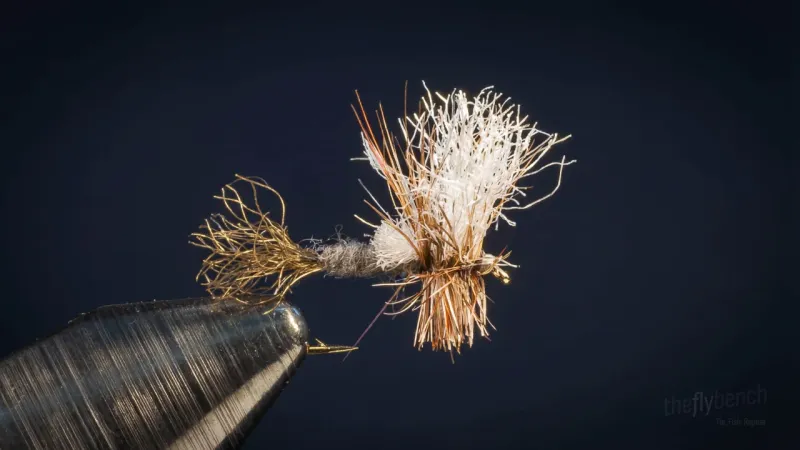
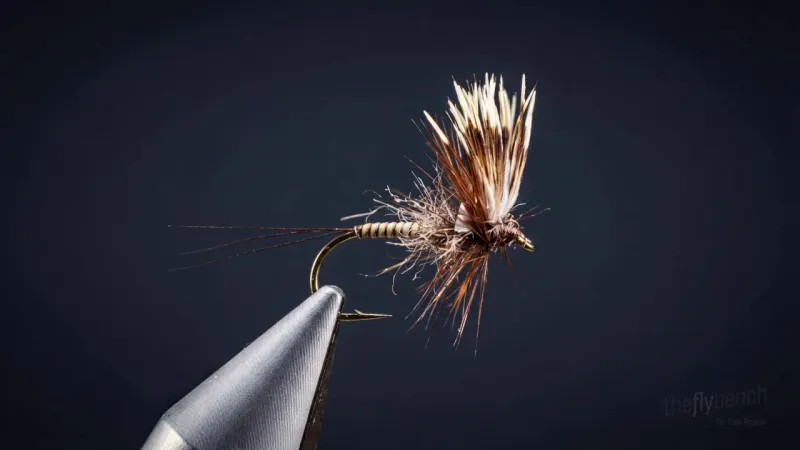
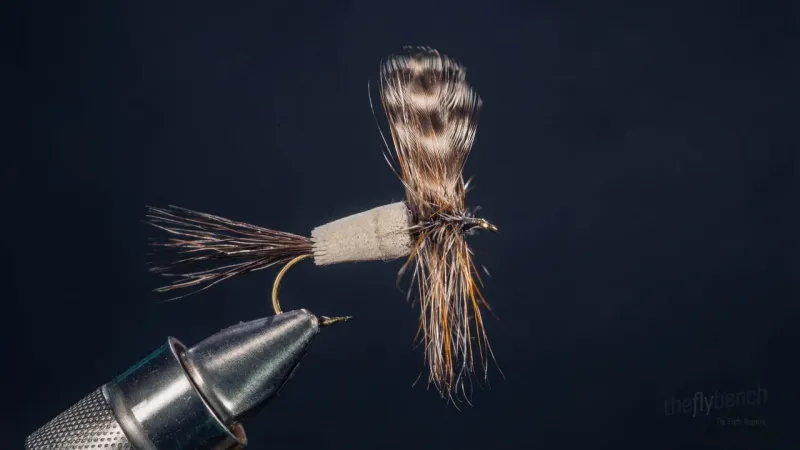
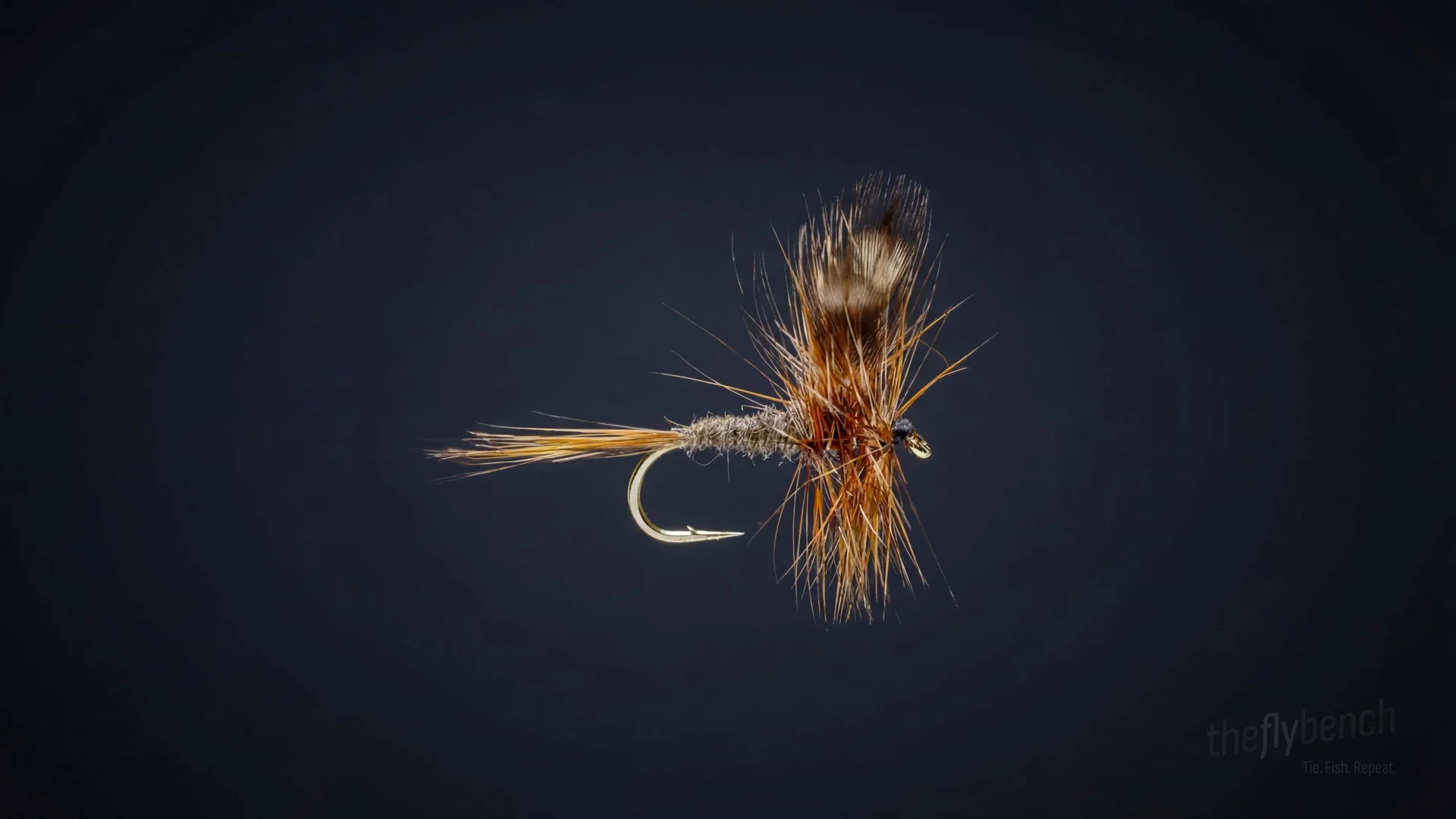
The Adams fly is a classic dry fly pattern that effectively imitates a wide range of mayflies and midges. It is known for its versatility and is often used as a 'searching pattern' when no specific hatch is occurring. The gray body and grizzly hackle of the Adams give it a realistic insect-like appearance, making it irresistible to trout.
Spring, Summer, Fall
Beginner
Trout
Apr 2025
Overview
The Adams is a must-have pattern in the fly box of every angler. It can be tied in various sizes to match different hatches. Its effectiveness and simplicity make it a great pattern for beginners to learn fly tying.
Where to Buy This Fly
We only link to fly shops we trust. Some links are referral links, which may earn us a commission at no extra cost to you.
Materials
- Hook:
- Tiemco 100, size #10–#20
- Thread:
- Black UTC 70
- Tail:
- Mixed Grizzly and Brown Hackle Fibers
- Body:
- Gray Muskrat Fur
- Wing:
- Grizzly Hackle Tips
- Hackle:
- Mixed Grizzly and Brown
Behavior & Presentation
Natural Behavior: Adult mayflies land gently on the water surface after molting from duns to spinners, or rest on the surface with wings upright immediately after emerging. They sit vulnerable on the surface tension while their wings dry or during egg-laying, creating subtle dimples and patterns that trout recognize.
Where Trout Eat It: Trout sip this in feeding lanes along current seams where adult mayflies concentrate during multi-hatch periods.
How to Fish It: Present with drag-free dead drift using upstream or reach casts, employing slack line techniques in spring creeks.
Best Water: Focus on glassy glides, spring creek flats with consistent speed, and tailwater runs with complex micro-currents.
Strike Type: Trout rise with quiet, dimpling sips in smooth water, creating subtle rings that require upstream mending and long drifts to connect consistently.
Fishing Strategy
Rigging Suggestions: The Adams can be used alone or as the dry fly in a dry-dropper rig.
Seasonal Timing: Most productive during optimal water temperature windows and peak insect activity periods.
Pro Tips: The Adams is a floating pattern and its grizzly hackle makes it highly visible in a variety of light and water conditions.
Entomology
Adult mayflies land gently on the water surface after molting from duns to spinners, or rest on the surface with wings upright immediately after emerging. They sit vulnerable on the surface tension while their wings dry or during egg-laying, creating subtle dimples and patterns that trout recognize. Fish often refuse other food items during heavy mayfly hatches, focusing exclusively on the consistent drift of adult insects.
- Order
- Ephemeroptera
- Common Name
- Mayfly
- Organism Type
- insect
- Life Stage
- adult