Midge / EmergersHatching Midge
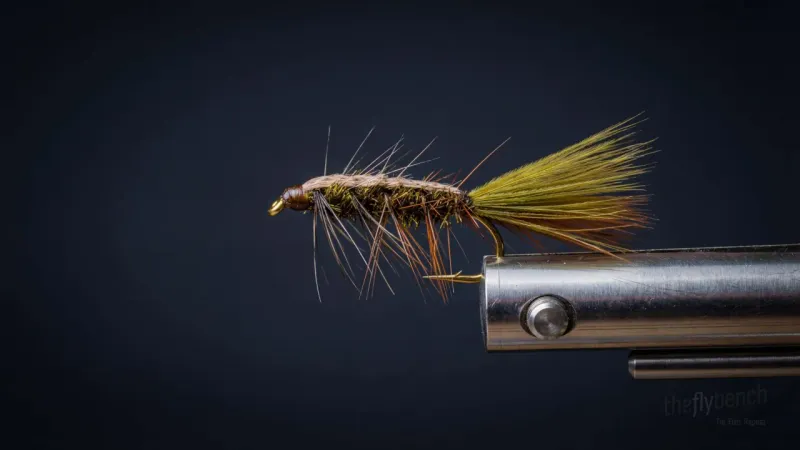
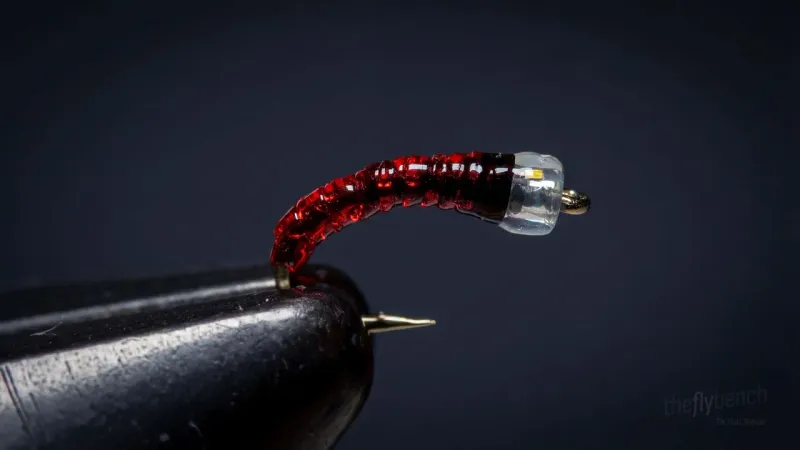
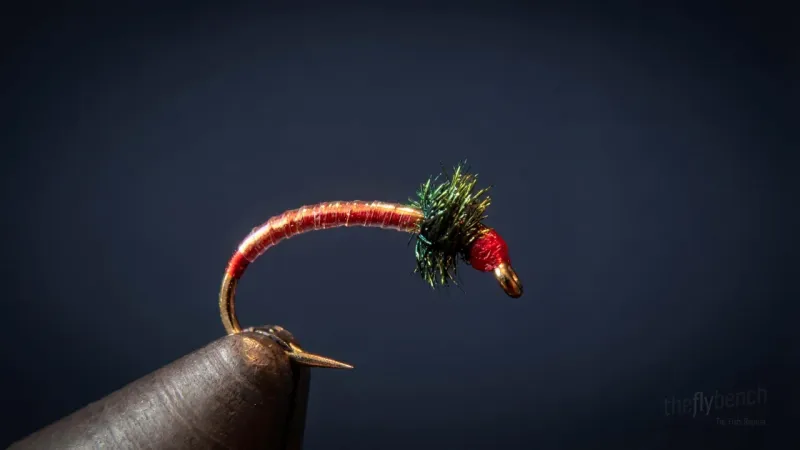
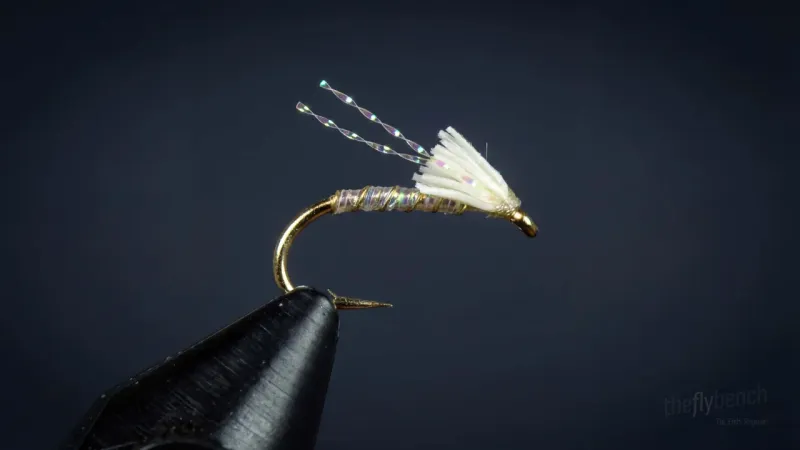
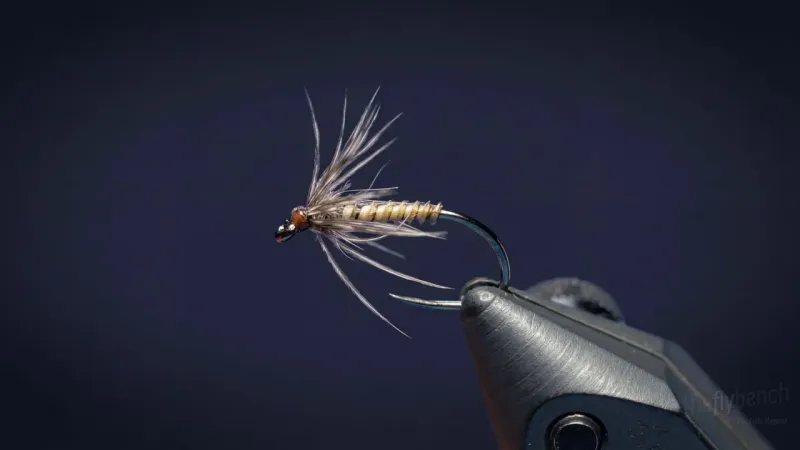
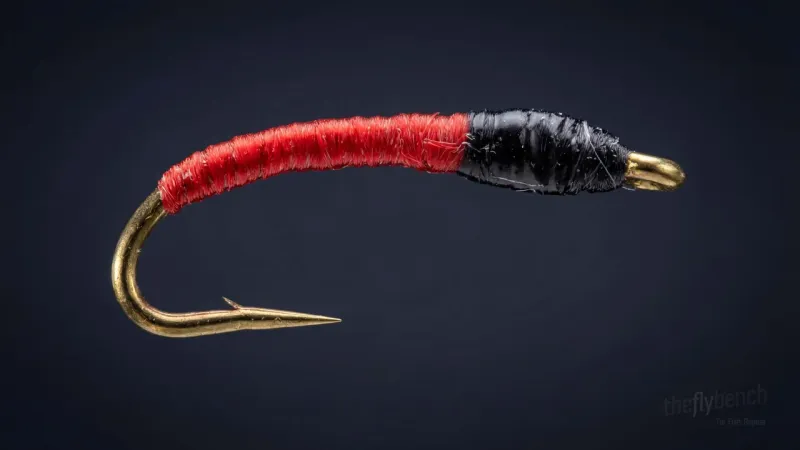
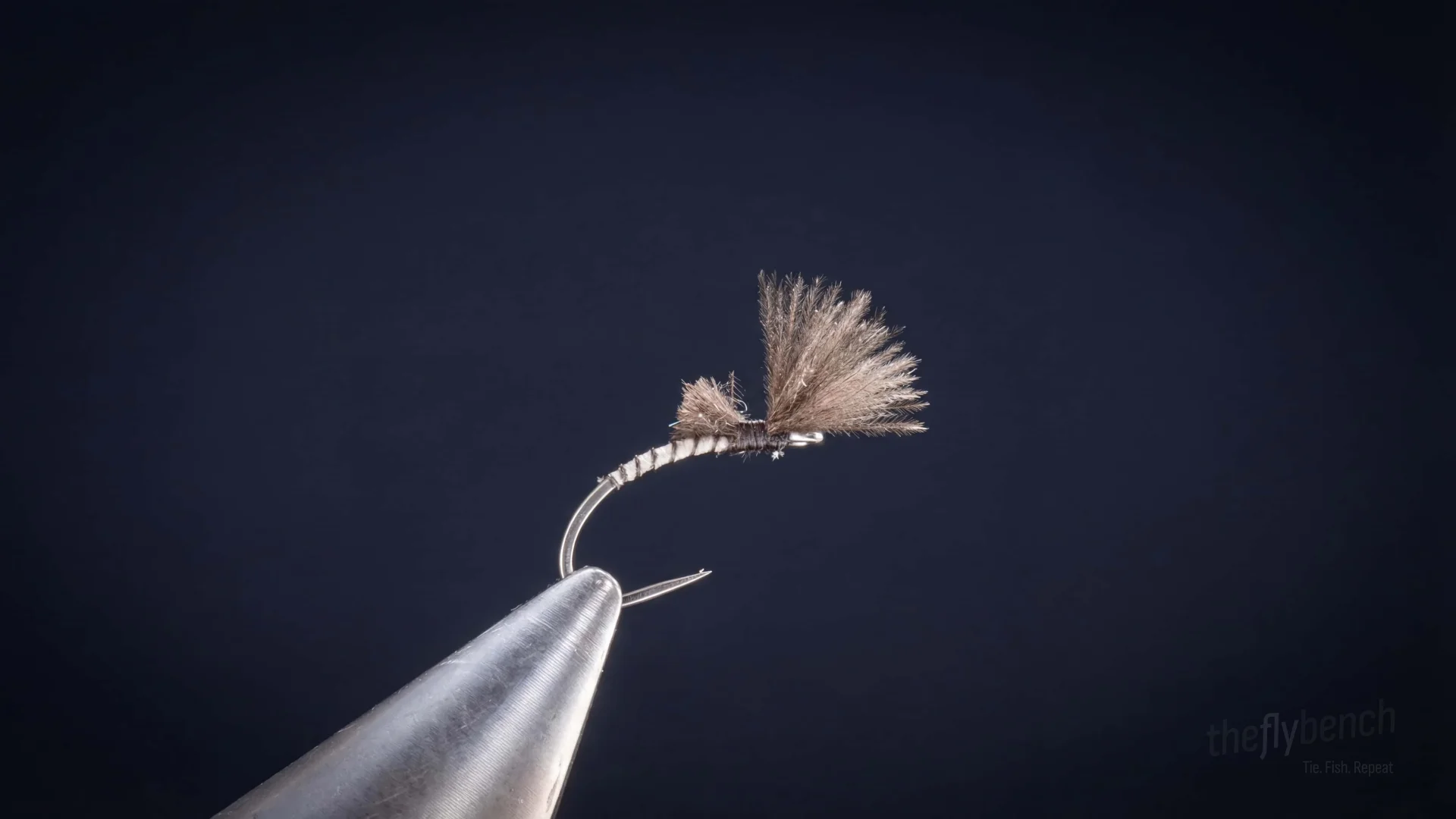
The Hatching Midge is a simple yet effective pattern featuring a unique hackling technique that sets it apart from standard midge imitations. The UV flash trailing shuck represents the pupal case while the grizzle hackle provides movement and floatation. A reliable producer that won't disappoint when trout are keyed in on emerging midges.
Year Round
Beginner
Trout
Dec 2025
Overview
This pattern from Barry Ord Clarke showcases a lesser-known hackling technique that creates a unique presentation in the surface film. The simplicity of the materials list makes it quick to tie in quantity—essential for midge fishing where multiple fly changes are common. The UV flash shuck adds a subtle sparkle that imitates the air bubble trapped in a natural's pupal shuck. Vary the thread color and dubbing to match local midge species.
Materials
Hook: Mustad R30, size #12–#18
Thread: Sheer 14/0, black
Trailing Shuck: UV flash
Abdomen: Black tying thread, built up
Hackle: Grizzle saddle hackle
Thorax: Olive Superfine dubbing
Behavior & Presentation
Natural Behavior: Emergers push through the surface film with pupal shucks trailing behind, creating doubled silhouettes as adults break free. This emergence struggle concentrates insects in the meniscus layer where selective trout feed methodically on the most vulnerable lifecycle phase.
Where Trout Eat It: Fish sip emergers suspended in the surface film during year-round emergence periods, especially in tailwaters and spring creeks.
How to Fish It: Dead drift in the film with the trailing shuck anchoring the rear while hackle elevates the thorax.
Best Water: Focus on calm water, eddies, foam lines, and seams in spring creeks and lake margins where hatching midges gather.
Strike Type: Look for subtle sipping rises with minimal disturbance indicating fish feeding selectively in the film.
Fishing Strategy
Rigging Suggestions: Use 12-foot or longer leaders tapered to 6X–7X tippet. Fish as a single dry or trail behind a larger dry fly.
Seasonal Timing: as midges hatch in all seasons. Particularly productive during winter and early spring when midges are the primary food source, and during summer evenings when midge activity peaks.
Pro Tips: Rides in the surface film with the shuck trailing below. Apply floatant sparingly to hackle only.
Entomology
Midge emergers push through the surface film with their pupal shucks trailing behind, creating doubled silhouettes as the adult breaks free from its larval casing. This emergence struggle concentrates insects in the meniscus layer where selective trout feed methodically, targeting the most vulnerable phase of the midge lifecycle.
- Order
- Diptera
- Family
- Chironomidae
- Common Name
- Midge
- Organism Type
- insect
- Life Stage
- emerger