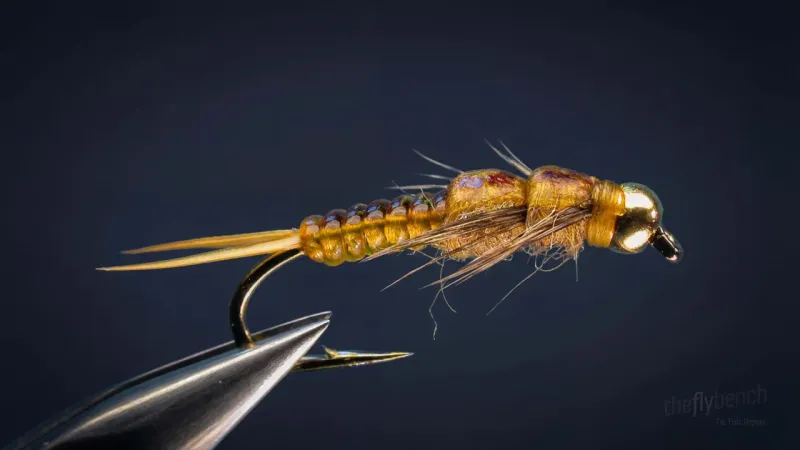
Scud / ShrimpWood Duck Scud
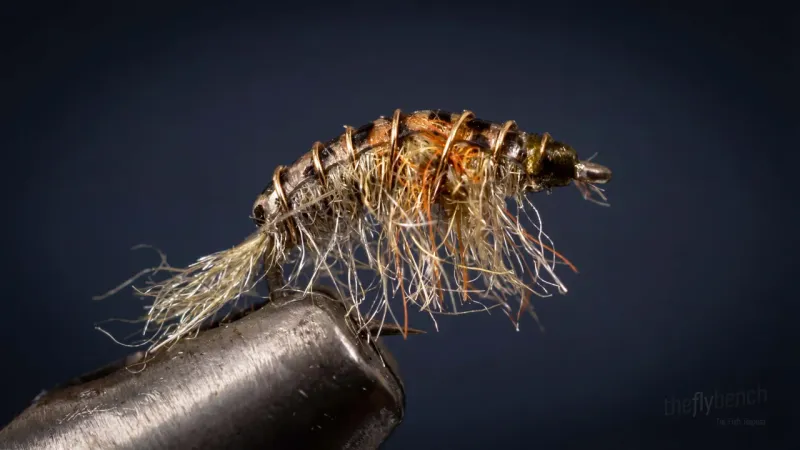
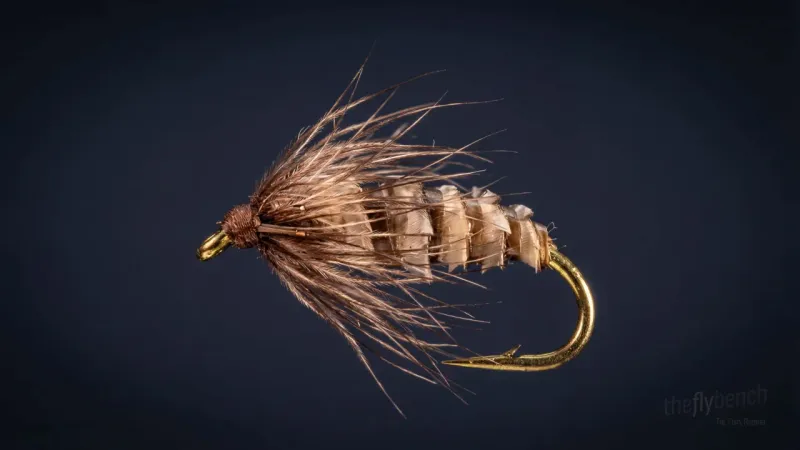
The Wood Duck Scud is a realistic scud pattern that uses wood duck feathers for the shellback, giving it a natural, mottled appearance. It's a great choice for fishing in tailwaters and spring creeks.
Spring, Summer, Fall
Intermediate
Trout
Apr 2025
Overview
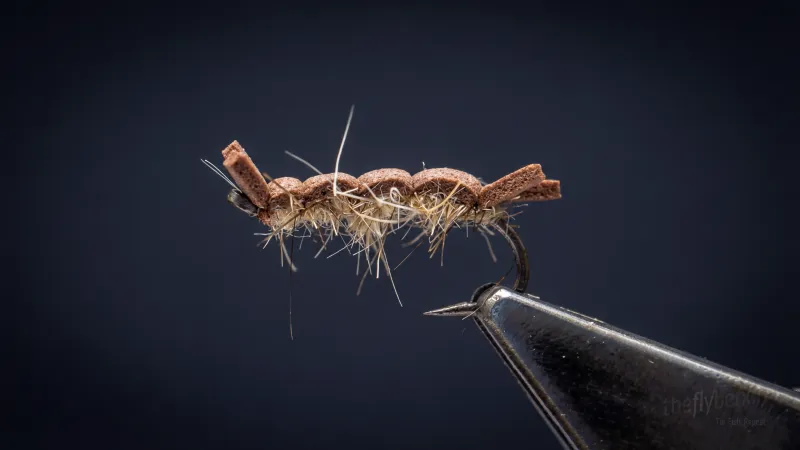
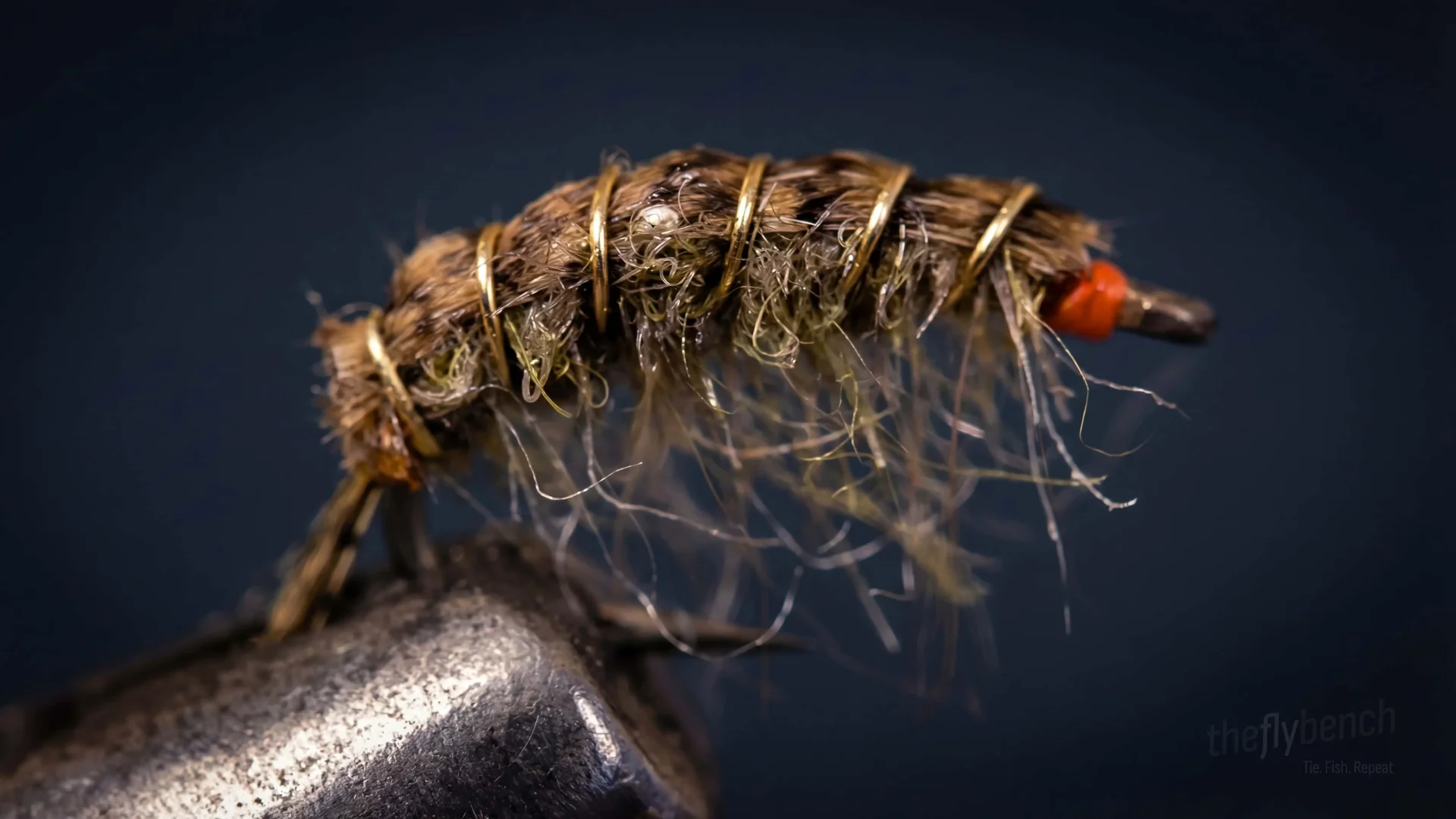
This scud pattern features a dubbed body (olive, tan, or gray), ribbed with fine wire, and topped with a shellback made from Wood Duck feather. Often coated with UV resin for a glossy, translucent look. Best for spring creeks or tailwaters.
Where to Buy This Fly
We only link to fly shops we trust. Some links are referral links, which may earn us a commission at no extra cost to you.
Materials
- Hook:
- 2X-short emerger hook (here a Dai-Riki 125), size 16-20
- Thread:
- 8/0 or 70 Denier, fluorescent orange
- Antennae/Overbody:
- Wood-duck flank feather fibers
- Rib:
- Ultra Wire, small, gold
- Body:
- Smokey-olive sowbug or scud dubbing
Behavior & Presentation
Natural Behavior: Crustaceans swim with side-to-side tumbling motion in short bursts, frequently pausing near vegetation. They occur in high concentrations, providing consistent protein-rich forage year-round in healthy streams.
Where Trout Eat It: Fish cruise weed edges and rocky substrate at mid-depths to bottom, targeting vegetation transitions where scud populations cluster in depths of 2-6 feet.
How to Fish It: Dead drift along bottom structure with short drifts, allowing the pattern to tumble naturally through prime holding water.
Best Water: Focus on undercut banks, weed edges, and channel swings in tailwaters and spring creeks where scuds thrive on rocky substrates.
Strike Type: Fish often mouth scuds gently—watch for soft takes appearing as slight line draws or indicator pauses.
Fishing Strategy
Rigging Suggestions: Use 4X-5X fluorocarbon tippet (6-8 lb test) on 9-12 foot leaders. Strike indicators set 1.5-2 times water depth help detect subtle takes. Add split shot 6-12 inches above the fly to achieve proper depth in faster current.
Seasonal Timing: Most productive April through October with peak effectiveness in (April-May) and (September-October) when scuds are most active. Water temperatures between 45-62°F trigger increased scud movement and trout feeding activity.
Pro Tips: The wood duck flank creates natural mottling that precisely imitates scud coloration. The curved shank mimics the characteristic scud profile.
Entomology
Scuds swim on their sides in quick, jerking arcs through vegetation and along stream bottoms, their curved bodies creating distinctive C-shaped silhouettes as they navigate between food sources. Trout eagerly consume scuds year-round because these crustaceans are always available in healthy streams, providing consistent calories with minimal effort to capture.
- Organism Type
- crustacean
- Life Stage
- general