Euro NymphsMop Fly
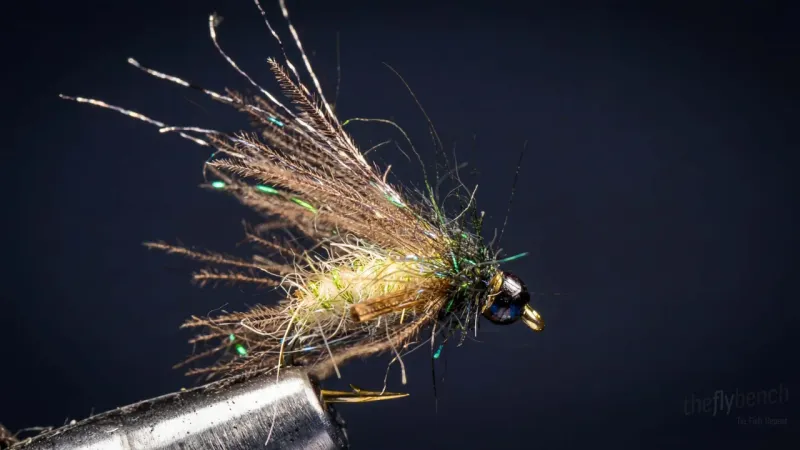
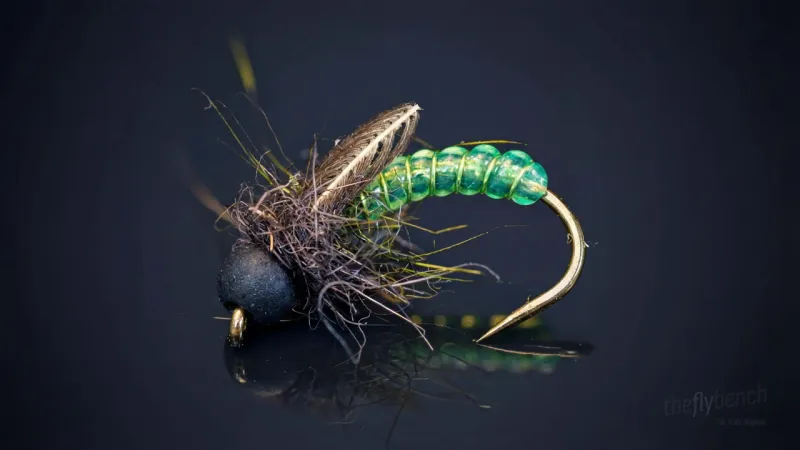
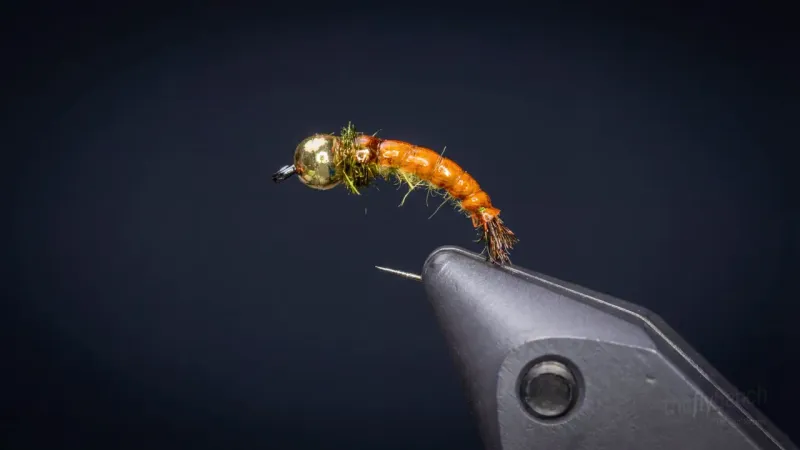
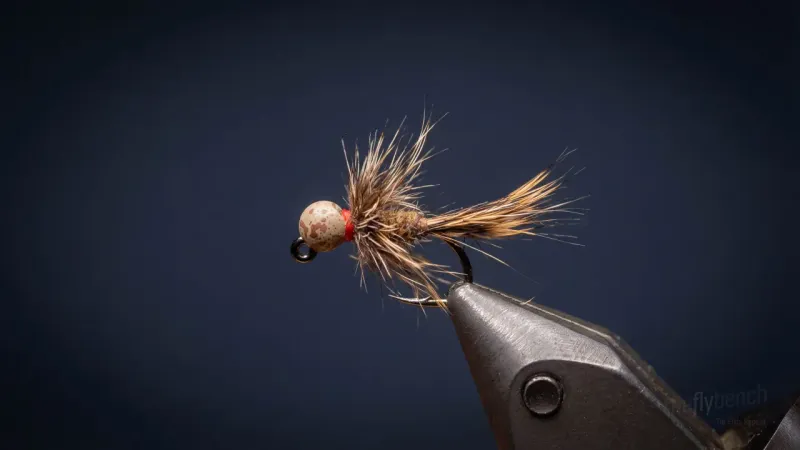
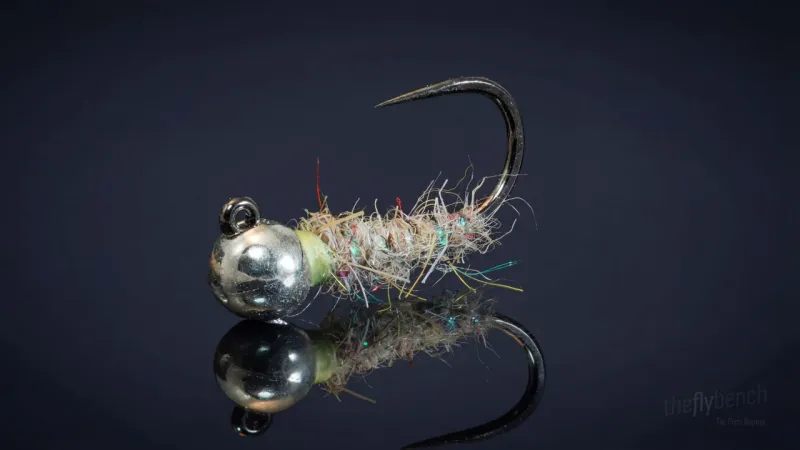
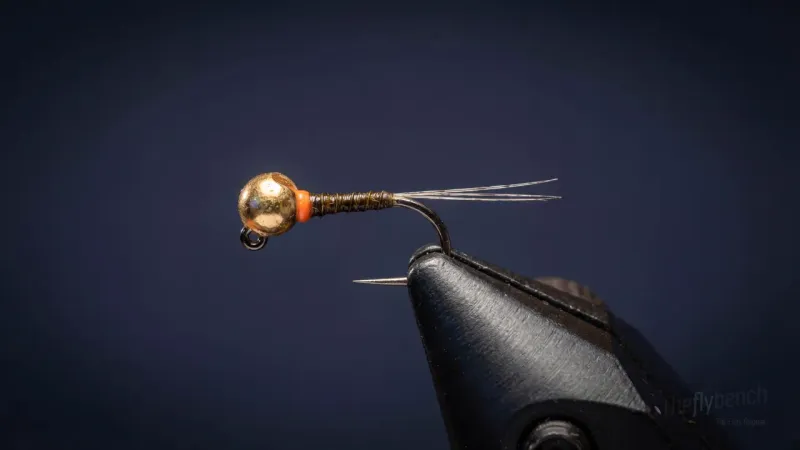
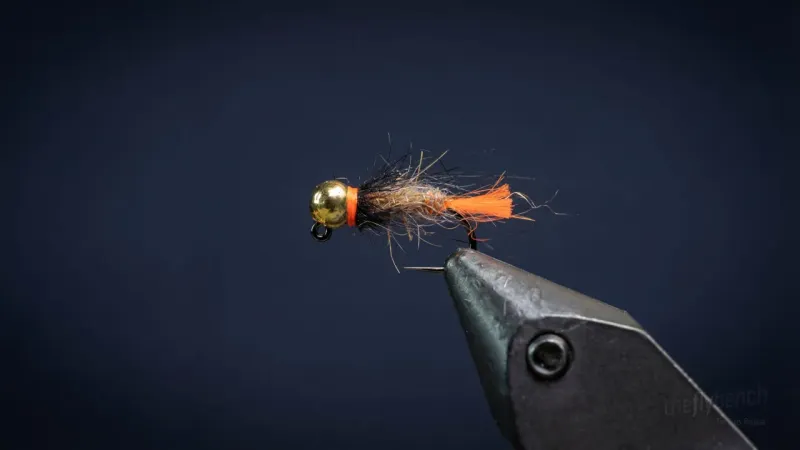
A wildly effective attractor pattern that pushes the boundaries of traditional fly design. Built from microfiber chenille, the Mop Fly mimics cased caddis or grubs and excels in off-color water or high flows. Its oversized body and quick sink rate make it a staple in any Euro nymph box.
Year Round
Beginner
Trout
Apr 2025
Overview
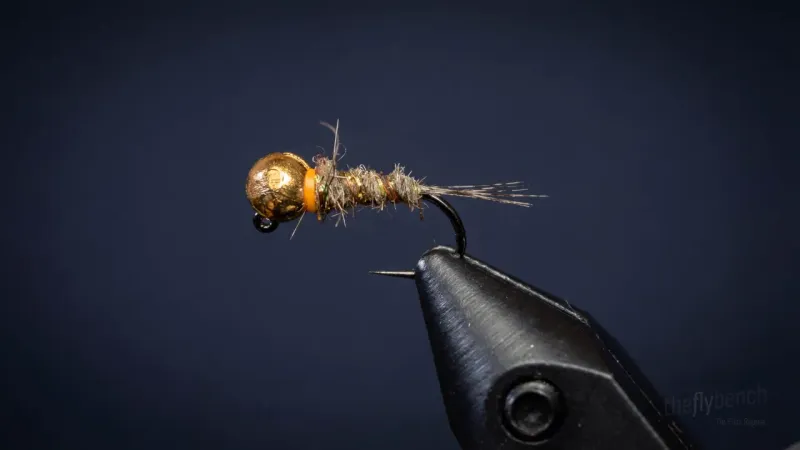
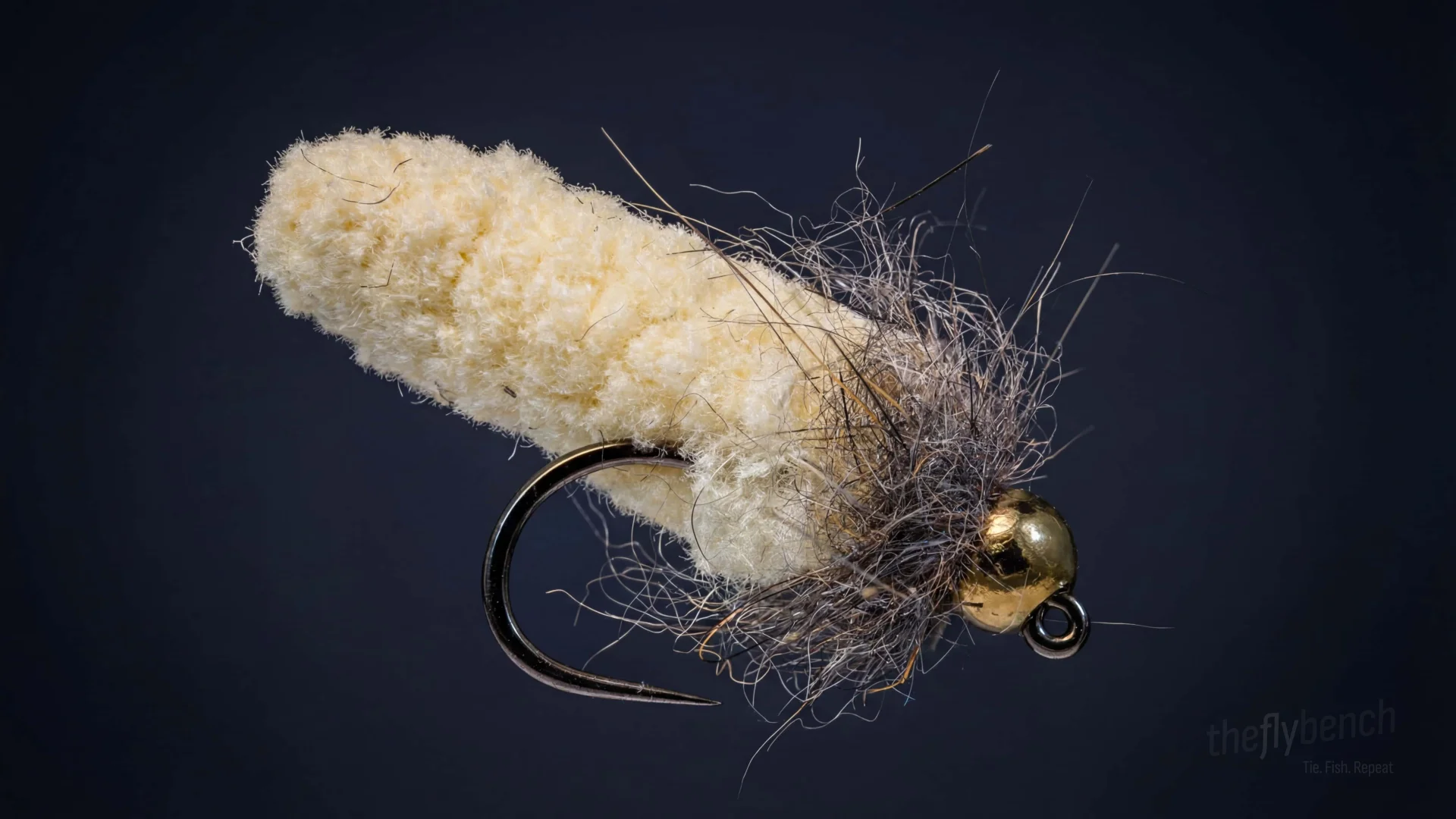
A high-sink-rate nymph pattern tied with a chenille or microfiber “mop” body, often in chartreuse, tan, or pink. Finished with a tungsten bead and optional hot-spot collar or dubbed thorax. Incredibly simple and fast to tie — just lash the mop to the hook, add a bead and flash if desired. Effective as an anchor fly in Euro rigs or high water conditions.
Where to Buy This Fly
We only link to fly shops we trust. Some links are referral links, which may earn us a commission at no extra cost to you.
Materials
- Hook:
- Hanak H 400 BL Jig Hook, sizes #10-#12
- Thread:
- UTC Ultrathread 140 Denier - Brown
- Bead:
- Hareline Slotted Tungsten Beads - Black - 5/32" (3.8mm)
- Tail/Body:
- Mop Bodies - Cream
- Collar:
- SLF Spikey Squirrel Dubbing - Natural Gray
Behavior & Presentation
Natural Behavior: Free-living caddis larvae crawl along substrate but tumble and drift when dislodged by high water, their soft segmented cream or chartreuse bodies becoming vulnerable prey. Bright coloration stands out against rocky bottoms during turbid conditions, triggering opportunistic feeding responses as these grub-like larvae lack the protective cases of their cased caddis cousins.
Where Trout Eat It: Runs, pockets, and fast riffles in both rivers and lakes, particularly in turbid water.
How to Fish It: Dead drift near bottom with tight-line Euro techniques or high-stick nymphing to maintain contact.
Best Water: Target pockets, drop-offs, and seams during high water or off-color conditions.
Strike Type: Dead drifting near bottom with tight-line Euro techniques or high-stick nymphing, watch for sag in the sighter or pauses in line movement. Trout grab this pattern aggressively in turbid water — strikes register as sharp ticks or sudden weight on the rod.
Fishing Strategy
Rigging Suggestions: Use 4X-5X tippet. Excellent as a point fly in Euro nymph setups with 2.5-3.5mm tungsten bead. Also effective 18-24 inches below a buoyant dry fly or indicator for deeper drifts.
Seasonal Timing: Year-round producer with exceptional results during runoff (April-June) and after rainstorms when water is high and turbid. Remains effective through in tailwaters.
Pro Tips: The dense chenille and tungsten bead sink fast, getting the fly into the strike zone quickly. Match body color to local caddis larvae—tan, olive, chartreuse, or cream.
Entomology
Free-living caddis larvae crawl along the bottom substrate, tumbling and drifting in the current when dislodged from rocks during behavioral drift or high water events. These soft-bodied larvae lack the protective cases of their cased caddis cousins, making them vulnerable and highly nutritious prey items. Their bright coloration (often green, tan, or cream) and segmented, grub-like bodies make them stand out on the river bottom, triggering opportunistic feeding from trout year-round.
- Order
- Trichoptera
- Common Name
- Caddisfly
- Organism Type
- insect
- Life Stage
- larva