Euro NymphsEgan's Frenchie
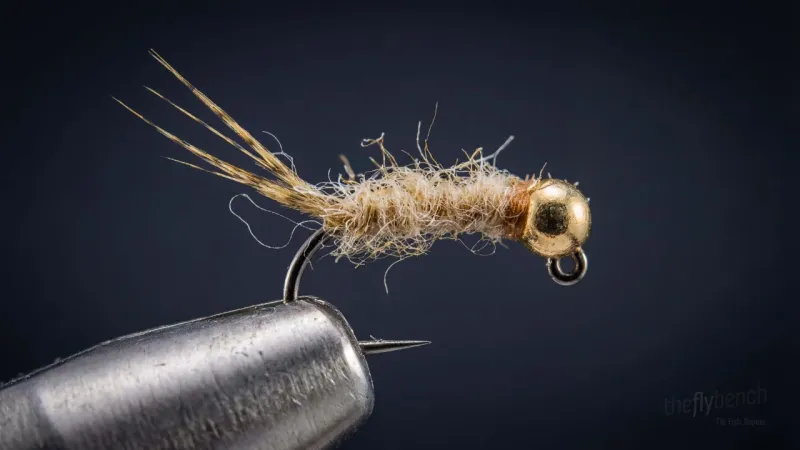
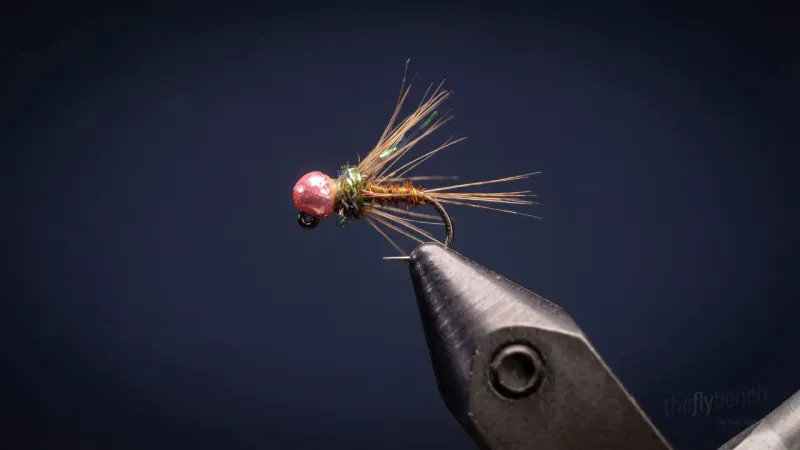
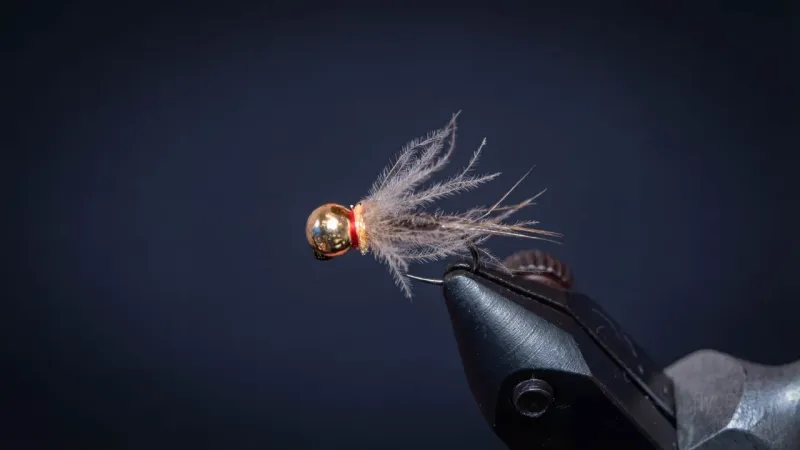
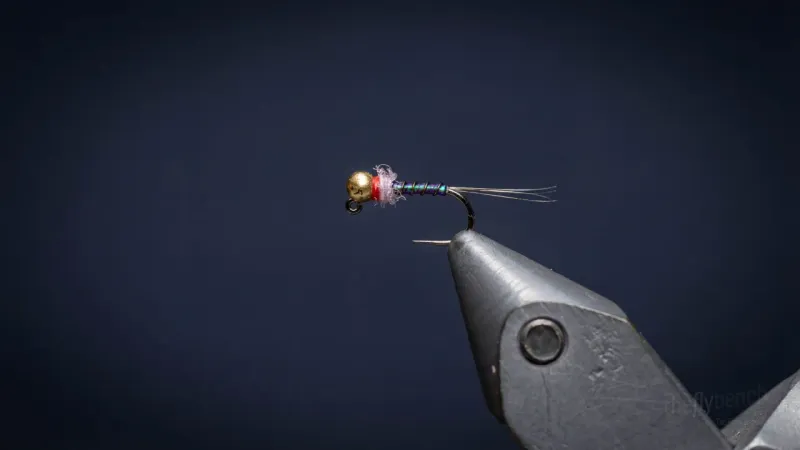
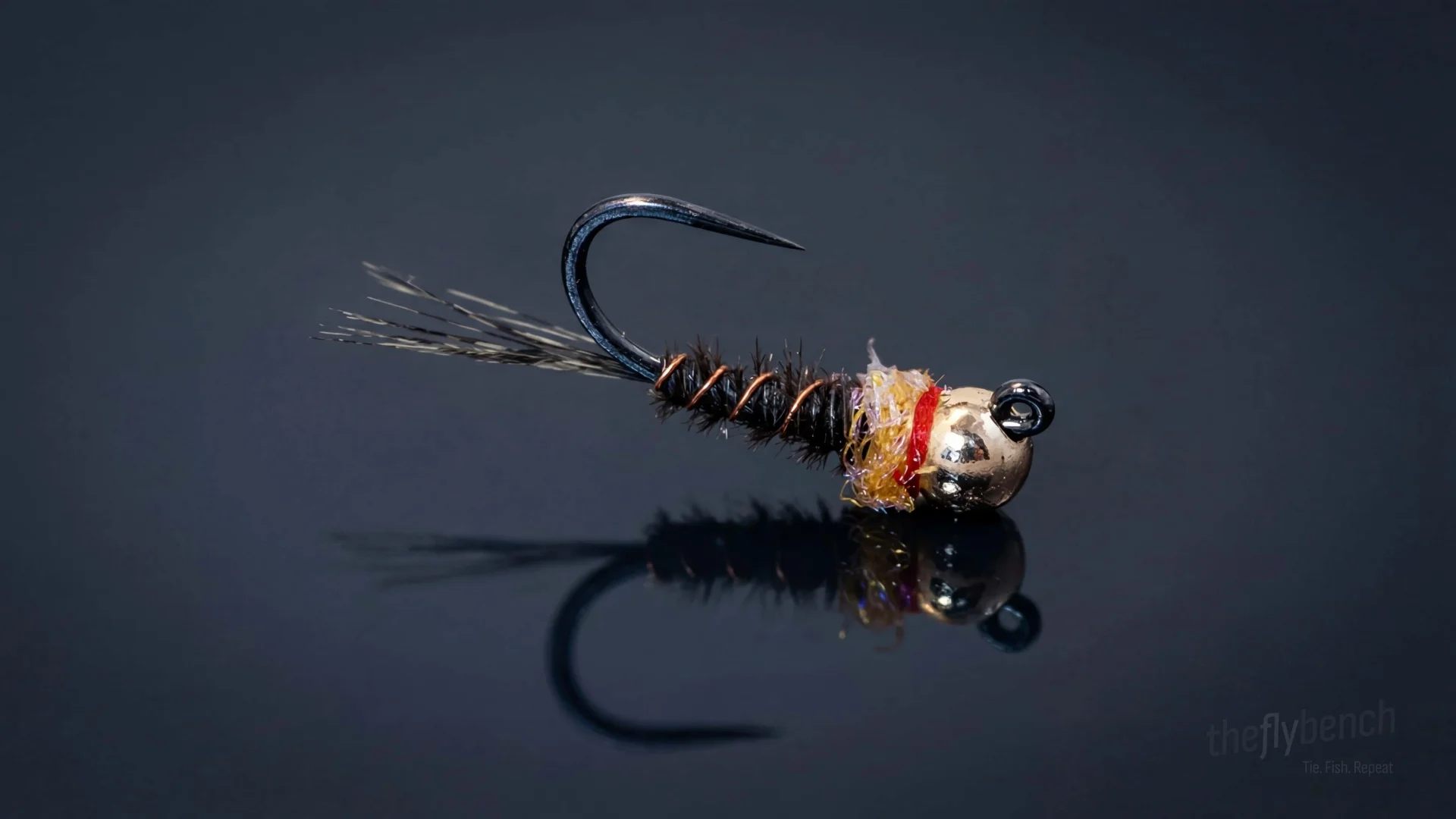
Lance Egan's modern Euro nymph blends the proven Pheasant Tail design with a hot spot collar and Coq de Leon tail for added attraction. The tungsten bead gets it down fast in heavy currents, while the slender profile and flashy appearance trigger strikes from pressured trout in tailwaters and freestone streams.
Year Round
Intermediate
Trout
Apr 2025
Overview
Created by competitive fly fisher Lance Egan, this Euro nymph combines a bright hot spot collar (typically pink or chartreuse) with a pheasant tail body and tungsten bead. The flashy appearance and heavy bead excel in fast, clear waters on the competition circuit. Designed for contact nymphing techniques, it rides hook point up and gets down quickly while the bright colors trigger strikes from educated trout in high-pressure fisheries.
Where to Buy This Fly
We only link to fly shops we trust. Some links are referral links, which may earn us a commission at no extra cost to you.
Materials
- Hook:
- Hanak H 400 BL Jig Hook - 16
- Thread:
- Danville (or UTC) 70 Denier - Red
- Bead:
- Hanak Round+ Slotted Tungsten Beads - Bronze - 2.5mm (see alternates below as well)
- Tail:
- Whiting Coq De Leon Euro Nymph Tailing Packs - Pardo
- Body:
- Nature's Spirit Ringneck Pheasant Center Tails - Muskrat Gray
- Ribbing:
- UTC Ultra Wire - Copper - Small
- Hot Spot:
- Ice Dub - UV Shrimp Pink
Behavior & Presentation
Natural Behavior: Mayfly nymphs actively swim through riffles and runs, using undulating body motions and tail-flicking to navigate currents while foraging. When dislodged or during intentional behavioral drift, they tumble with legs and tails extended in a vulnerable posture, their pheasant tail bodies highly visible to feeding trout positioned near the bottom in fast, clear competition waters.
Where Trout Eat It: Trout position near the bottom in runs and riffles, intercepting nymphs as they bounce through feeding lanes.
How to Fish It: Maintain tight-line contact as the fly drifts along bottom structure through Euro nymphing techniques.
Best Water: Most effective in pockets, runs, and riffles where current creates natural tumbling lanes.
Strike Type: Maintaining tight-line contact as the fly drifts along bottom structure through Euro nymphing techniques, strikes manifest as sighter sag, subtle ticks, or pauses in line movement. The pink hot spot triggers immediate response — watch for sharp stops or sudden weight on the rod.
Fishing Strategy
Rigging Suggestions: Use with a Euro nymphing setup featuring a long leader (14-20 feet), 5X or 6X tippet, and minimal or no strike indicator for direct contact.
Seasonal Timing: year-round effectiveness across all seasons, with particular success during cooler months from October through April when Euro nymphing techniques excel.
Pro Tips: The gold tungsten bead provides both weight for quick descent and flash for visibility. The hot spot collar helps you track the fly's movement. Fish this pattern in runs, riffles, and pocket water where mayfly nymphs naturally drift.
Entomology
Mayfly nymphs swim and crawl actively through riffles and runs, using undulating body motions and tail-flicking to navigate current while foraging on algae and organic matter. When dislodged or during intentional behavioral drift, these nymphs tumble downstream in a vulnerable posture with legs and tails extended, making them highly visible to feeding trout. Their consistent drift patterns during dawn and dusk periods, combined with their abundance in productive waters, make them a reliable food source for euro-nymphing tactics.
- Order
- Ephemeroptera
- Common Name
- Mayfly
- Organism Type
- insect
- Life Stage
- nymph