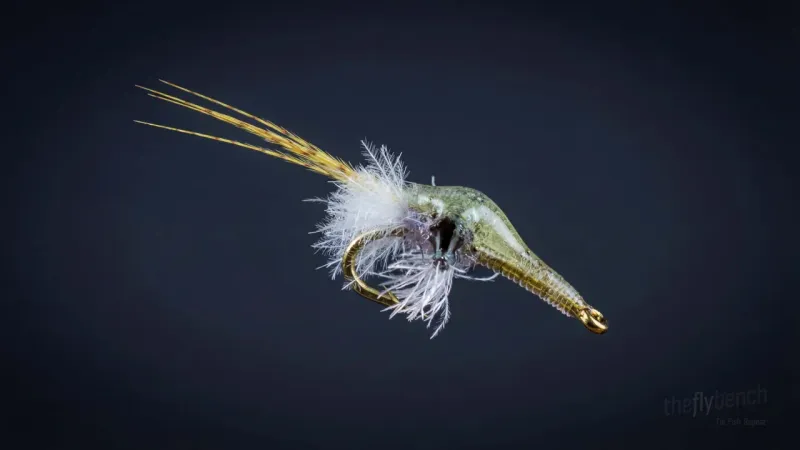
Scud / ShrimpCharlie's Mysis Shrimp
A highly effective pattern for tailwaters where mysis shrimp are present, especially below bottom-release dams. Charlie's Mysis Shrimp imitates the translucent, drifting crustaceans that are a key food source for trophy trout. Its sparse, realistic design and subtle movement make it effective in clear, cold water.
Year Round
Intermediate
Trout
Apr 2025
Overview
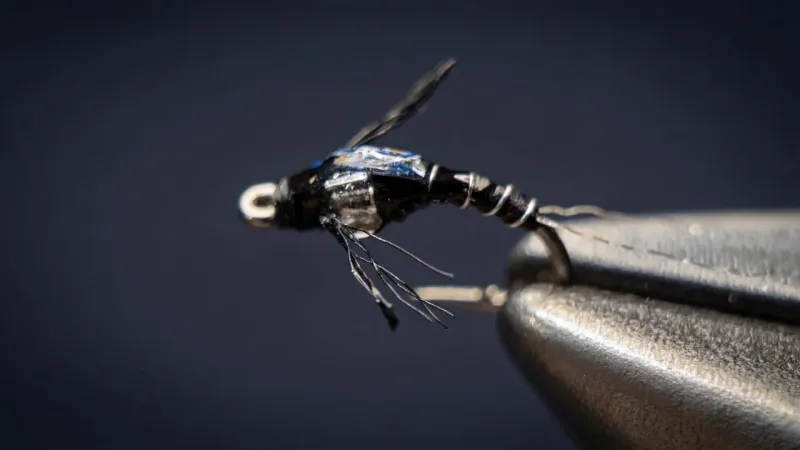
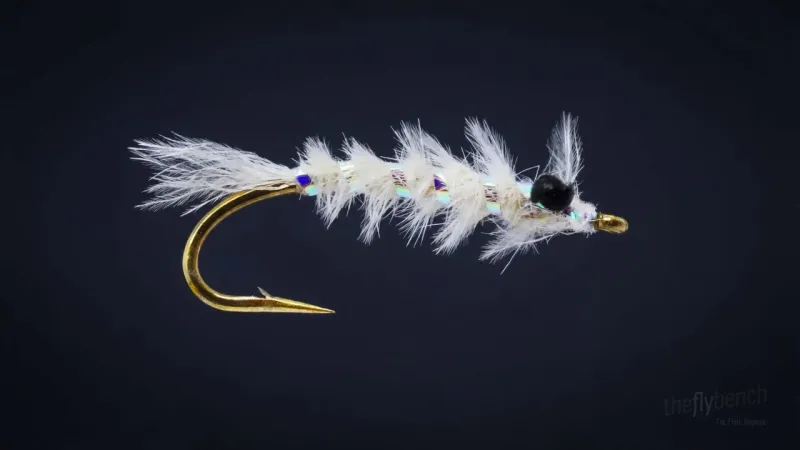
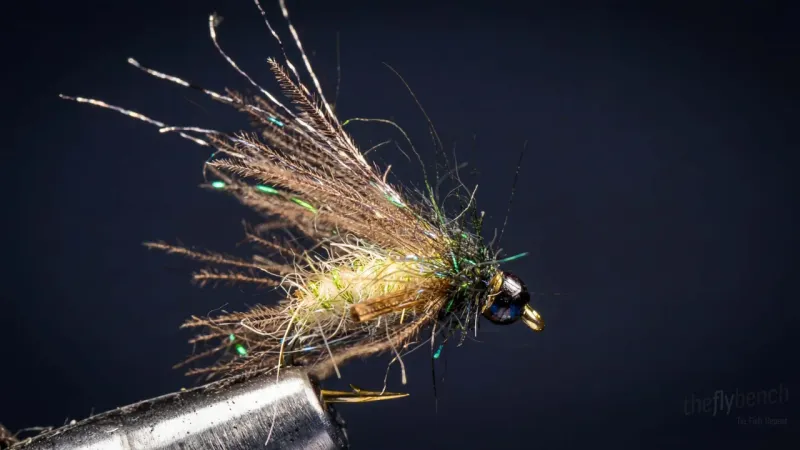
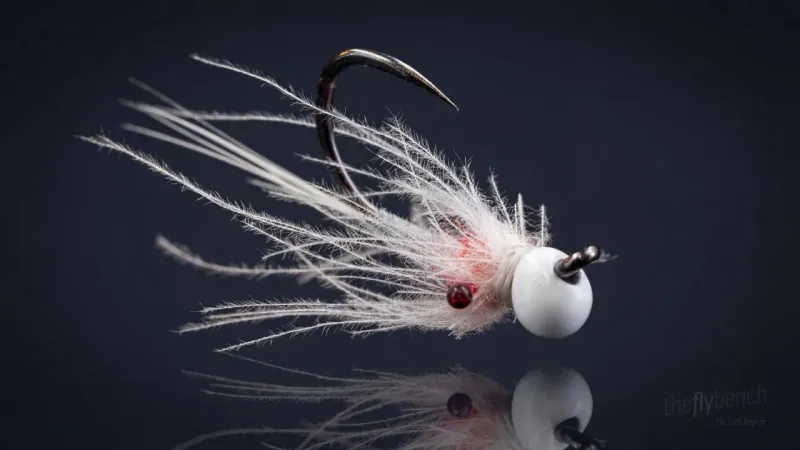
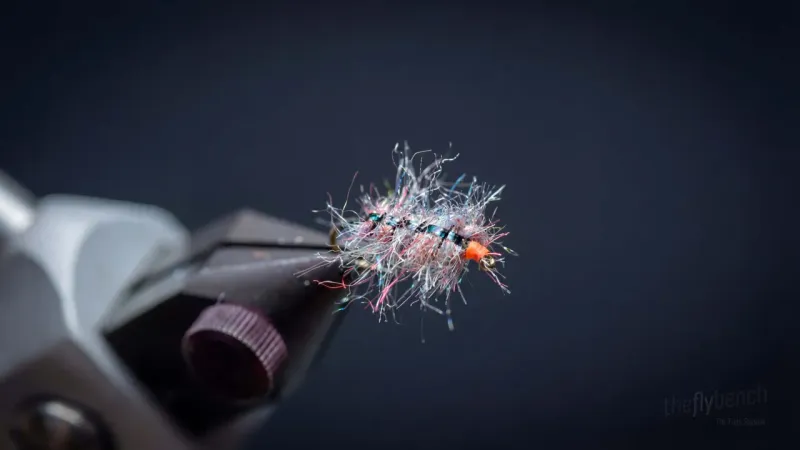
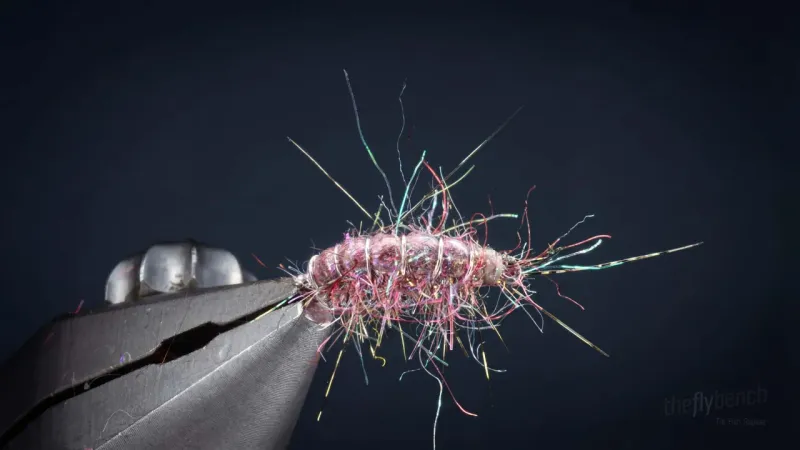
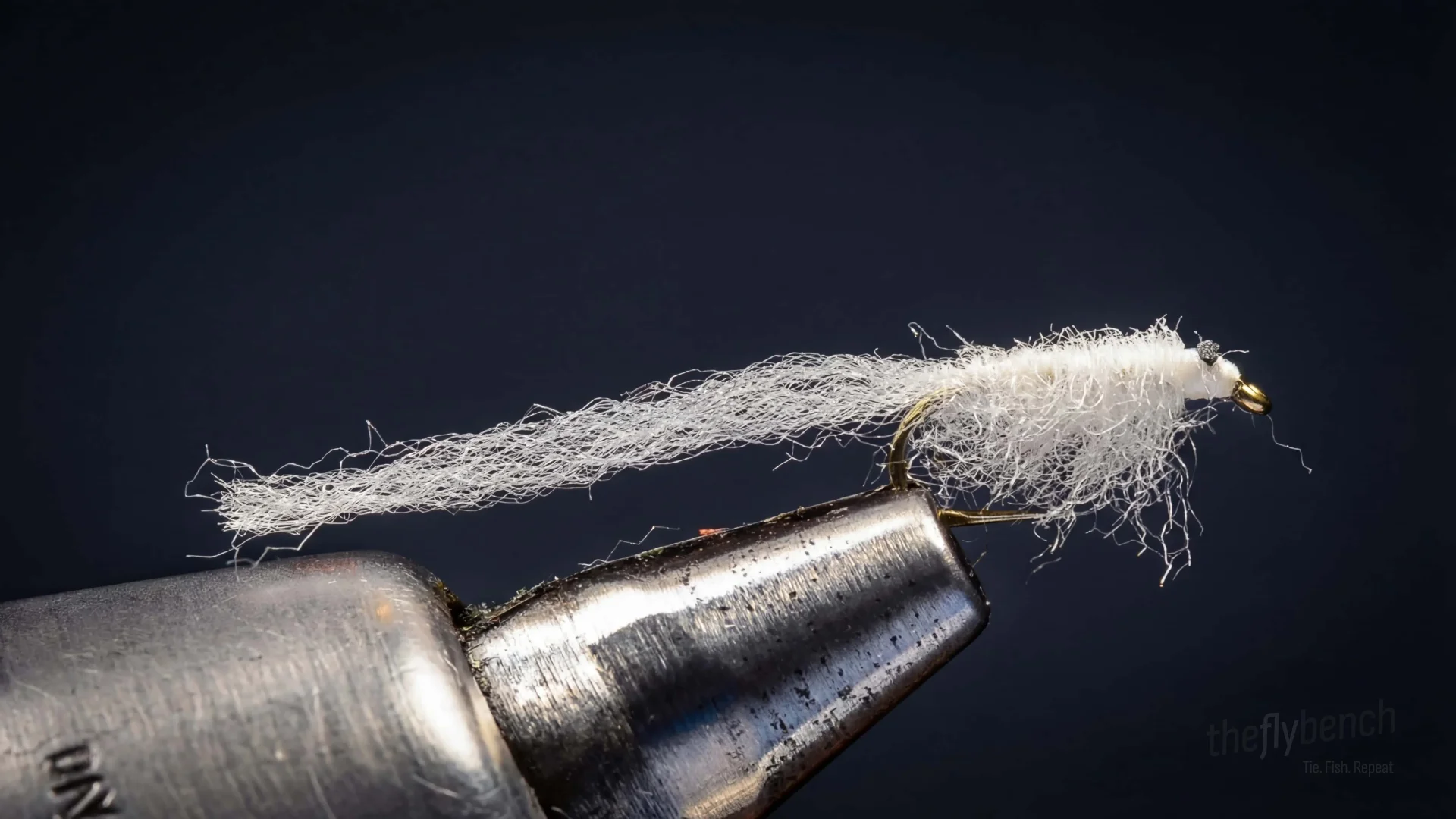
This pattern is tied with simplicity and effectiveness in mind. A base of white egg yarn or Estaz forms the milky, translucent body, mimicking the profile of a live or dead mysis shrimp. Small black rubber legs are tied in as eyes, and a short tail of marabou or ostrich herl adds subtle movement. The thorax can be bulked slightly with egg yarn or CDC for a fuller silhouette.
Where to Buy This Fly
We only link to fly shops we trust. Some links are referral links, which may earn us a commission at no extra cost to you.
Materials
- Hook:
- TMC 100 SP-BL or 9300 #18-#22
- Thread:
- 8/0 White
- Abdomen:
- White Egg Yarn
- Thorax:
- White Egg Yarn cut and mixed into dubbing
- Eyes:
- Small round rubber legs, black
Behavior & Presentation
Natural Behavior: Mysis flush through dam outflows in dense nocturnal migrations, tumbling helplessly end-over-end with no escape mechanism. These translucent crustaceans concentrate in astronomical numbers during discharge periods, creating feeding frenzies in tailwater runs.
Where Trout Eat It: Tailwater runs 4-10 feet deep near dam faces and deep pools where shrimp concentrations are highest.
How to Fish It: Dead drift along current seams and deep tail-outs with minimal movement to match helpless tumbling.
Best Water: Focus on seams, channel swings, and current breaks directly below dam discharge zones.
Strike Type: Detect steady pulls or weight as fish mouth the pattern gently near bottom.
Fishing Strategy
Rigging Suggestions: Use 5X-6X fluorocarbon tippet. Fish as the trailer in a tandem rig 18-24 inches below a heavier anchor fly. Tight-line nymphing or indicator setups both work well for depth control.
Seasonal Timing: Year-round effectiveness with peak productivity from November through April when mysis shrimp migrations intensify below bottom-release dams. Water temperatures below 50°F trigger strongest feeding.
Pro Tips: The translucent body and Solarez coating closely match the natural's appearance. Adjust wire wraps for weight—more wraps sink faster in deeper water.
Entomology
Mysis shrimp emerge from deep reservoir waters in massive nocturnal migrations, drifting helplessly through dam outflows in dense clouds that create feeding frenzies. These translucent crustaceans have no escape mechanism once caught in current, tumbling end-over-end as they flush through turbines and spillways into tailwater runs below. Trophy trout gorge on mysis because they arrive in astronomical numbers during peak discharge periods, offering effortless calories that require minimal energy to intercept.
- Organism Type
- crustacean
- Life Stage
- general