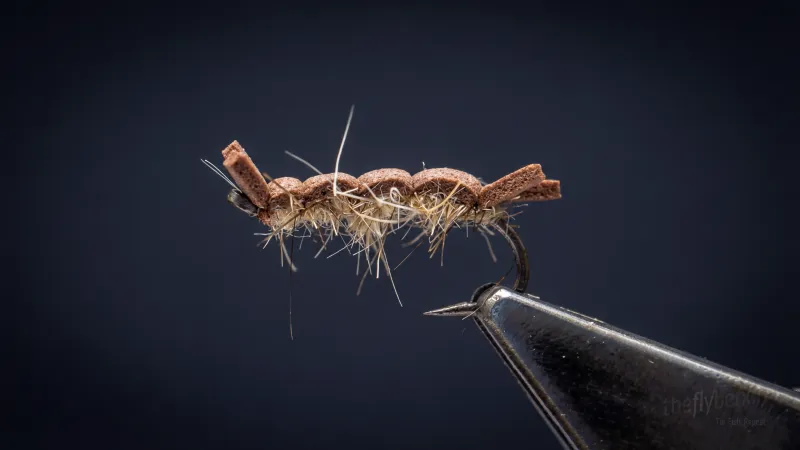
Scud / ShrimpSimple Scud
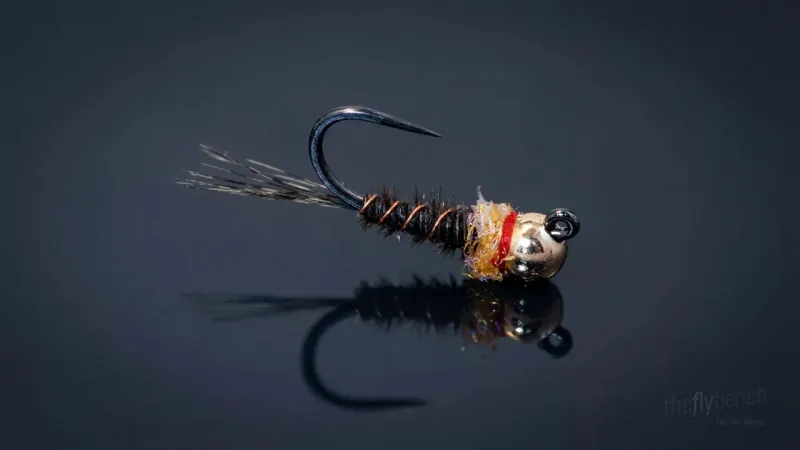
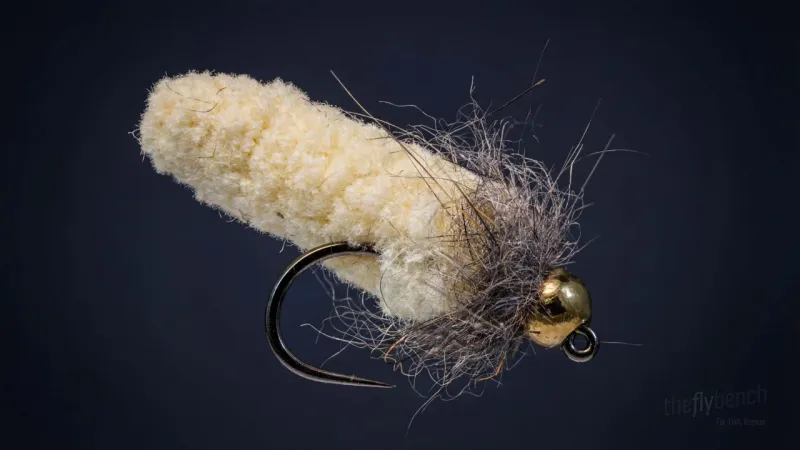
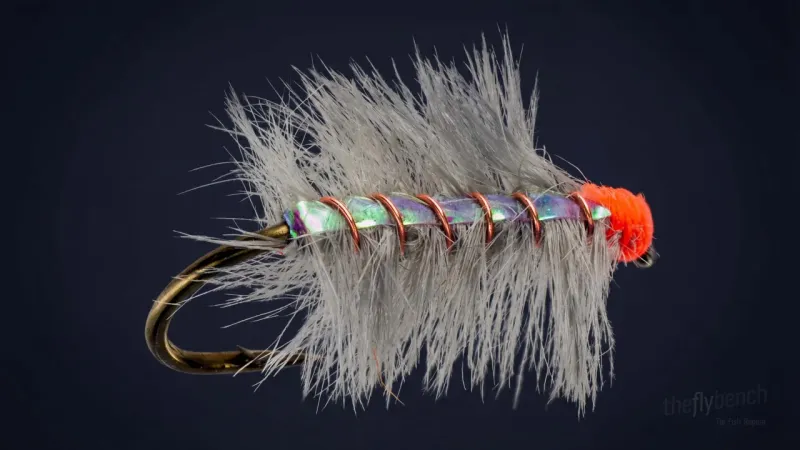
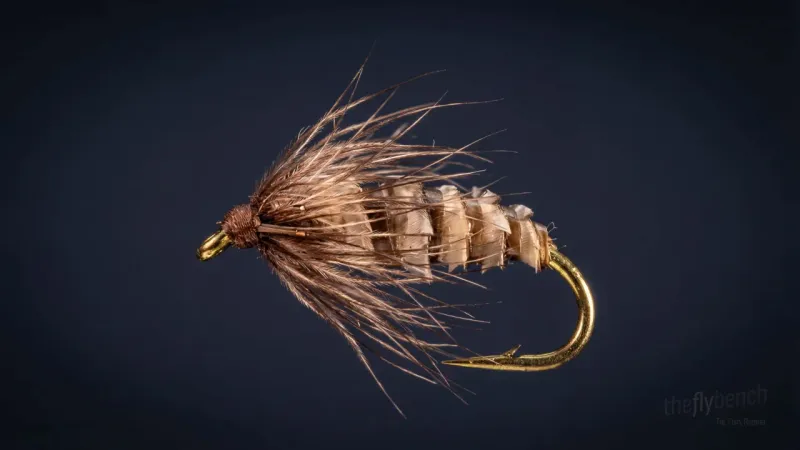
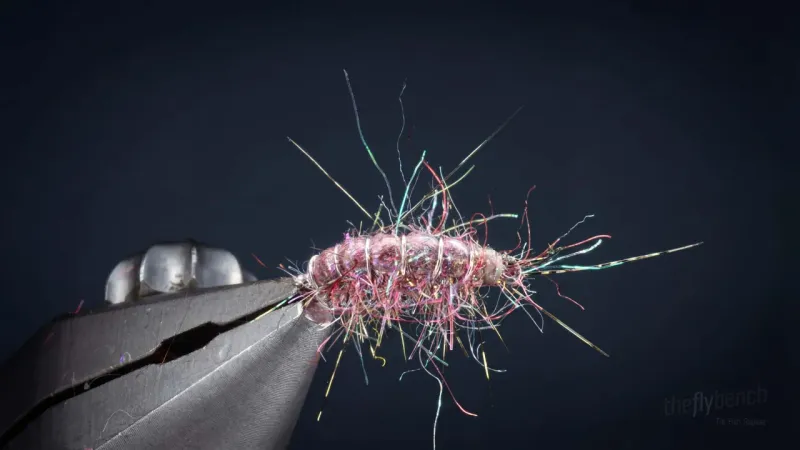
The Simple Scud is a basic but effective fly that's designed to mimic the small freshwater crustaceans that fish love to eat. It's a reliable choice in any water where scuds are present, and the simplicity of the design makes it a good pattern for beginners to try.
Year Round
Beginner
Trout
Apr 2025
Overview
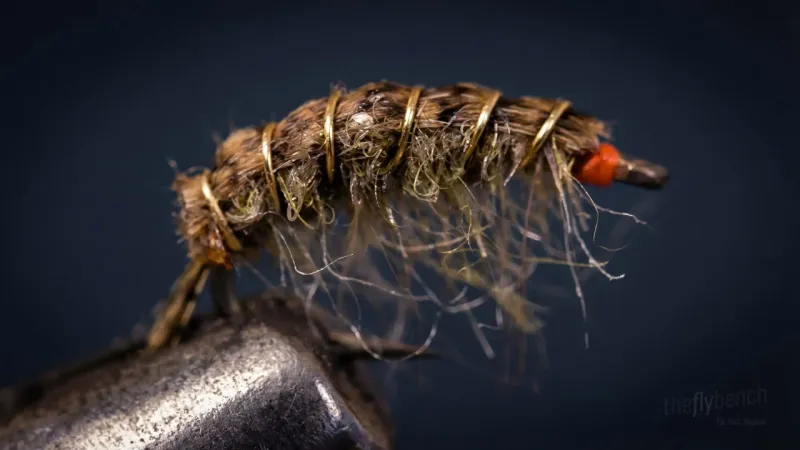
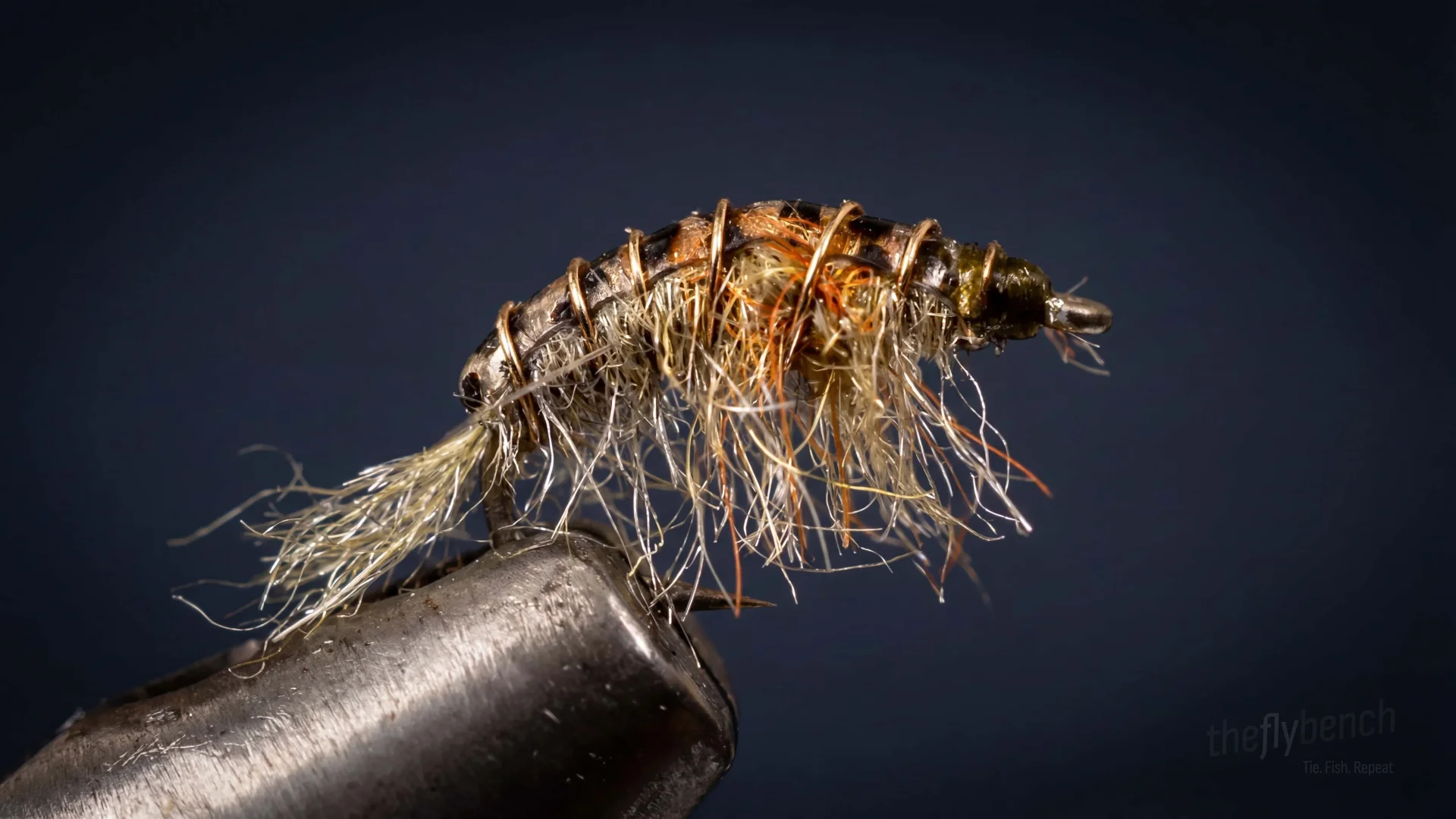
A quick and effective scud imitation tied with dubbing wrapped around a curved hook, with a shellback of scud back or thin skin, and ribbed with wire. Add a resin coat to the shell for shine and durability. Excellent for stillwater or spring creeks.
Where to Buy This Fly
We only link to fly shops we trust. Some links are referral links, which may earn us a commission at no extra cost to you.
Materials
- Hook:
- Standard emerger hook (here a Dai-Riki 125), sizes 12-18
- Thread:
- 70 Denier or 8/0, light olive
- Antennae:
- Sow Scud dubbing, smoky olive
- Rib:
- Ultra Wire, small, gold
- Back:
- Thin Skin, tan and black fly speck
- Body and Legs:
- Sow Scud dubbing, smoky olive
Behavior & Presentation
Natural Behavior: Scuds swim with quick darting movements through weed beds and along the bottom, curling into tight arcs when disturbed. They become especially active during low-light periods, tumbling free from vegetation into the drift.
Where Trout Eat It: Fish feed on tumbling scuds near weed edges, along drop-offs, and in current breaks where crustaceans dislodge from vegetation.
How to Fish It: Short, quick strips with pauses imitate swimming scuds, or dead drift near weed beds and structure.
Best Water: Work weed edges, drop-offs along shoals, and current breaks near vegetation. Structure transitions hold feeding fish.
Strike Type: Set the hook on visible takes or line movement with firm but controlled pressure.
Fishing Strategy
Rigging Suggestions: Standard nymph rig with 9-12 foot leader tapered to 4X or 5X tippet. Strike indicator positioned 1.5x water depth. Add split shot if needed.
Seasonal Timing: tailwaters and creeks where scud populations thrive. Peak effectiveness during periods when other food sources diminish.
Pro Tips: The UV resin shell creates a realistic translucent appearance and adds durability. Match local scud colors: olive, tan, gray, or orange.
Entomology
Freshwater scuds cling to aquatic vegetation and moss in spring creeks and tailwaters, swimming in short, curved pulses when dislodged into open water by currents or foraging fish. Their shrimp-like bodies contain valuable protein and calcium, making them favored prey in productive waters where scud populations reach high densities and trout selectively feed on them year-round.
- Organism Type
- crustacean
- Life Stage
- general