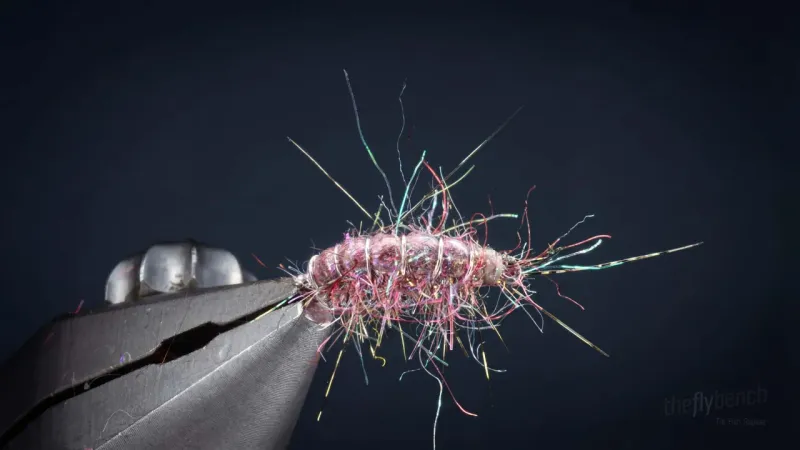
Scud / ShrimpOstrich Mysis
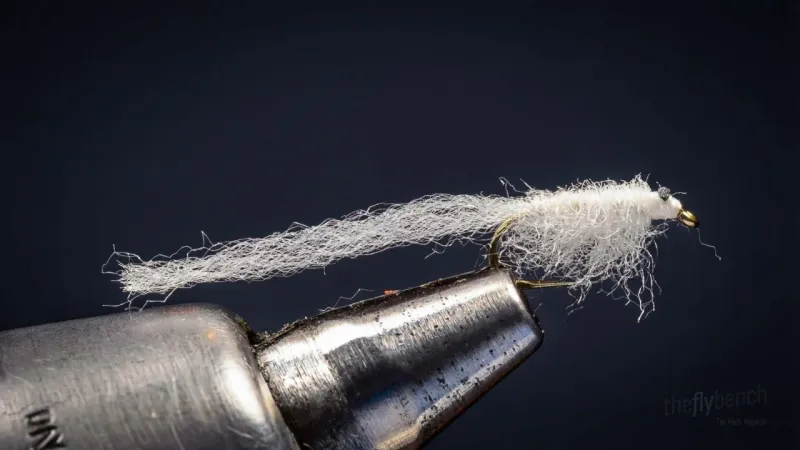
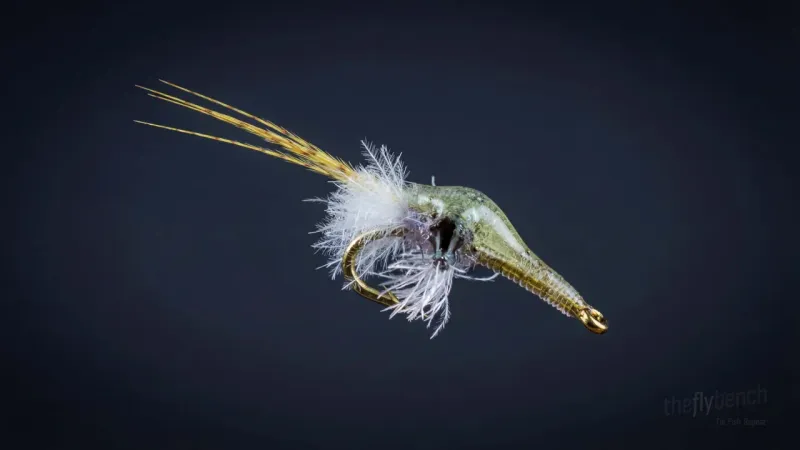
The Ostrich Mysis is an excellent imitation of a Mysis shrimp that is often found in tailwaters below dams, making it a go-to fly for trout in these environments. The use of ostrich herl gives this fly great movement and realism underwater.
Year Round
Intermediate
Trout
Apr 2025
Overview
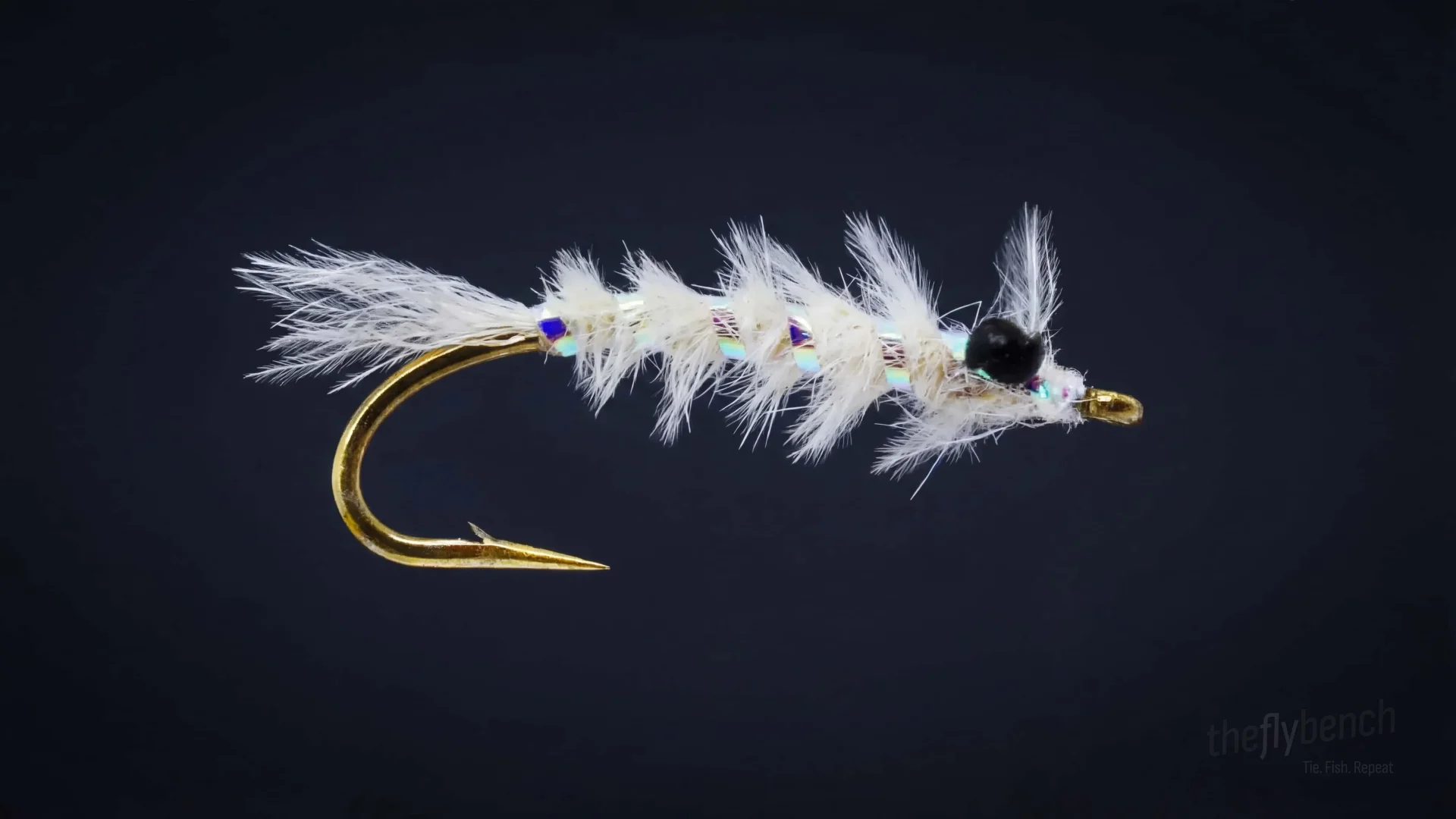
This Mysis shrimp imitation uses fine ostrich herl for the body to create a buggy, translucent look. Paired with a glass bead head and fine wire ribbing, it's great for tailwaters where Mysis shrimp are present.
Where to Buy This Fly
We only link to fly shops we trust. Some links are referral links, which may earn us a commission at no extra cost to you.
Materials
- Hook:
- #14-22 Tiemco 200R
- Thread:
- White Veevus 14/0
- Eyes:
- X-Small Mono Eyes
- Tail:
- White McFlylon
- Tail2:
- Pearl Mirage Flashabou
- Body:
- White Ostrich Herl
- Ribbing:
- Pearl Mirage Flashabou
Behavior & Presentation
Natural Behavior: Mysis shrimp swim in short bursts with distinctive side-to-side tumbling motion, frequently pausing near vegetation or substrate. These tiny crustaceans perform daily vertical migrations, rising from depths at dusk and sinking at dawn while maintaining constant swimming motion.
Where Trout Eat It: Mid-column to bottom in tailwater seams, drop-offs, and rocky substrate. Fish hold in transition zones where fast current meets slower water and shrimp concentrate.
How to Fish It: Dead drift along bottom with high-stick nymphing, maintaining constant contact with minimal slack. Controlled drift speed matches natural Mysis migration patterns.
Best Water: Seams, drop-offs, and current breaks in tailwaters where fast current meets slower water and shrimp concentrate during drift.
Strike Type: Fish often mouth shrimp gently, creating soft take that appears as slight line draw or indicator pause. Set on any hesitation.
Fishing Strategy
Rigging Suggestions: Fish on 5X-6X fluorocarbon tippet with a 9-10 foot leader. Pair with split shot or a weighted anchor fly 18-24 inches above. Use a small strike indicator for depth control.
Seasonal Timing: productivity, with peak effectiveness during October through April when Mysis populations concentrate in tailwater discharge zones. Most effective during low-light periods from dawn until 9 AM and again from 4 PM to dusk when Mysis shrimp migrate toward the surface.
Pro Tips: Size 16-18 patterns match natural Mysis best. Fish seams where fast current meets slower water where shrimp concentrate during drift.
Entomology
Mysis shrimp perform daily vertical migrations in deep reservoirs and tailwaters, rising from lake bottoms at dusk and sinking at dawn while maintaining a constant swimming motion with their pleopods. Trout key on these tiny crustaceans during their migrations because mysis occur in massive concentrations, allowing fish to filter-feed efficiently on clouds of shrimp that provide consistent nutrition throughout the year.
- Organism Type
- crustacean
- Life Stage
- general