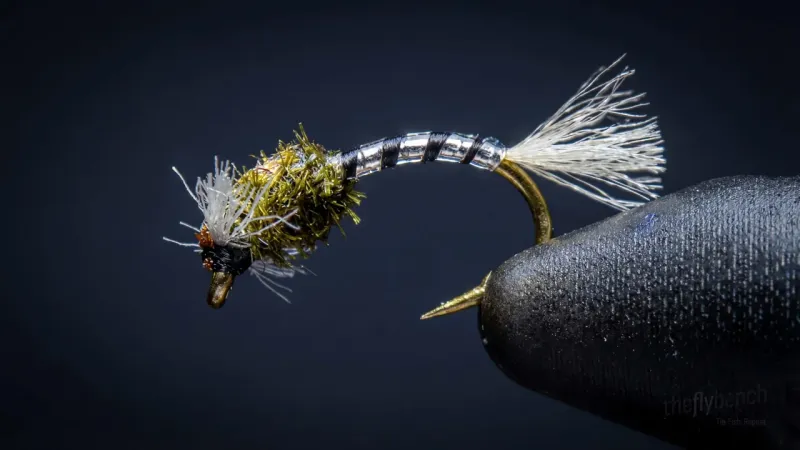
NymphBreadcrust
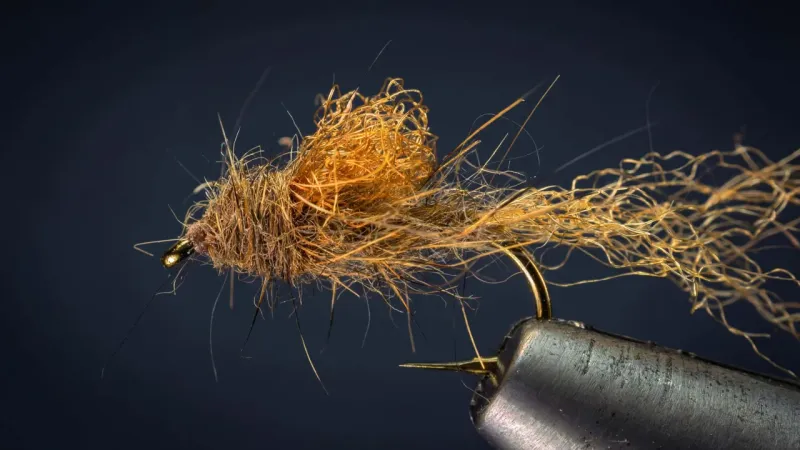
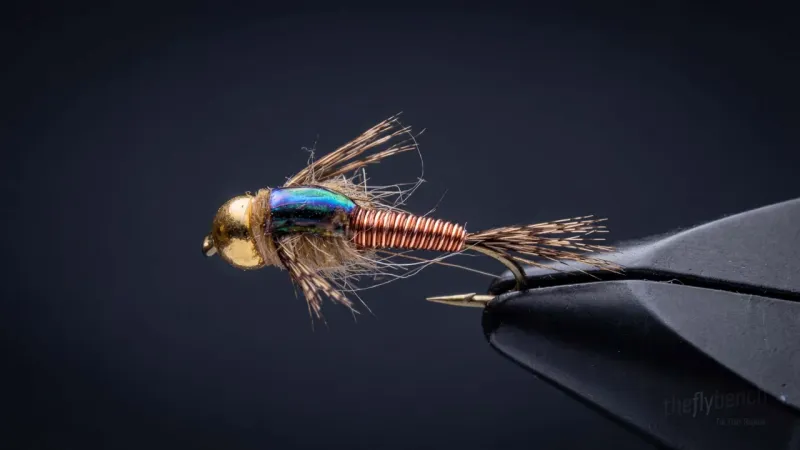
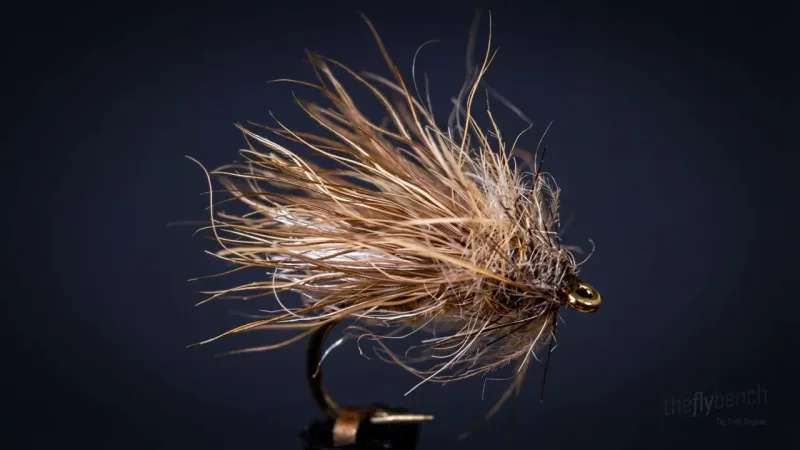
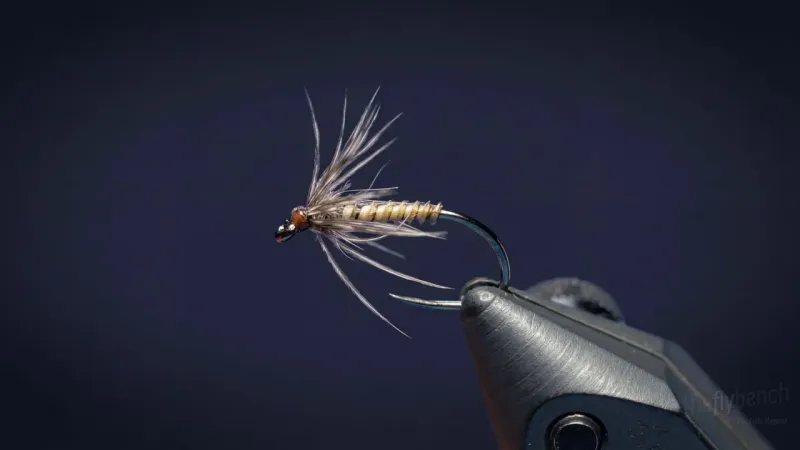
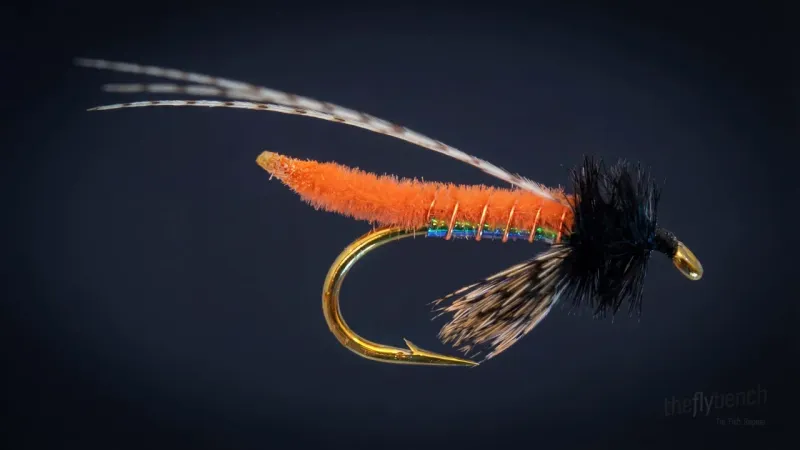
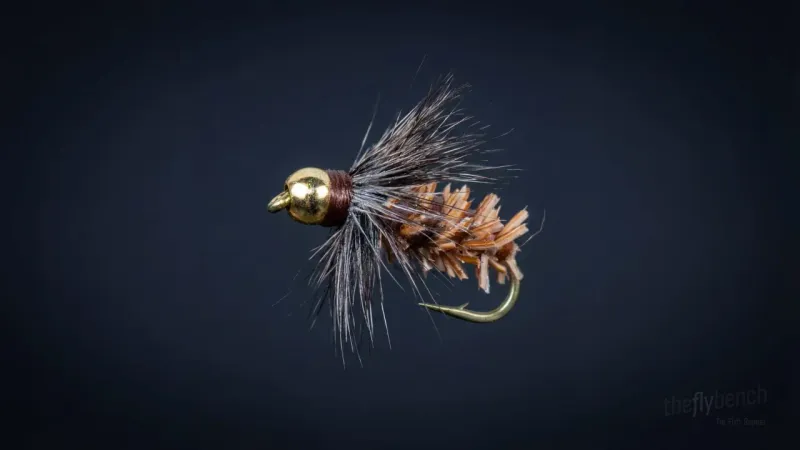
The Breadcrust is a versatile and highly effective nymph pattern that imitates a variety of aquatic insects. Its unique 'rough' look, created by brushing out the dubbed body, gives it a natural and enticing appearance.
Year Round
Intermediate
Trout
Apr 2025
Overview
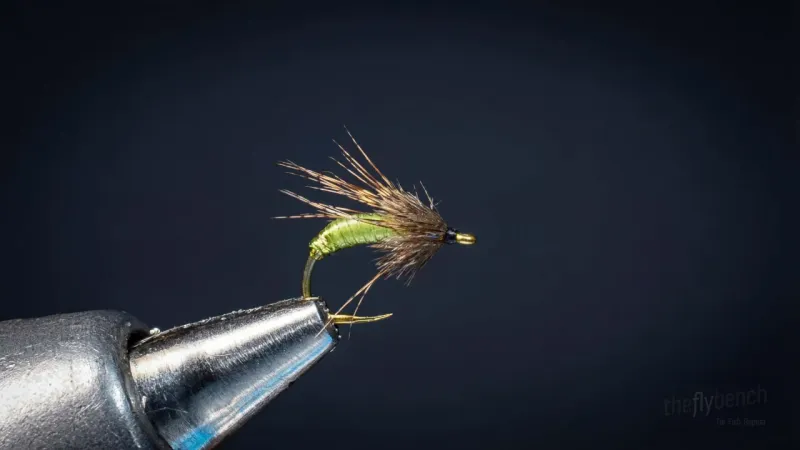
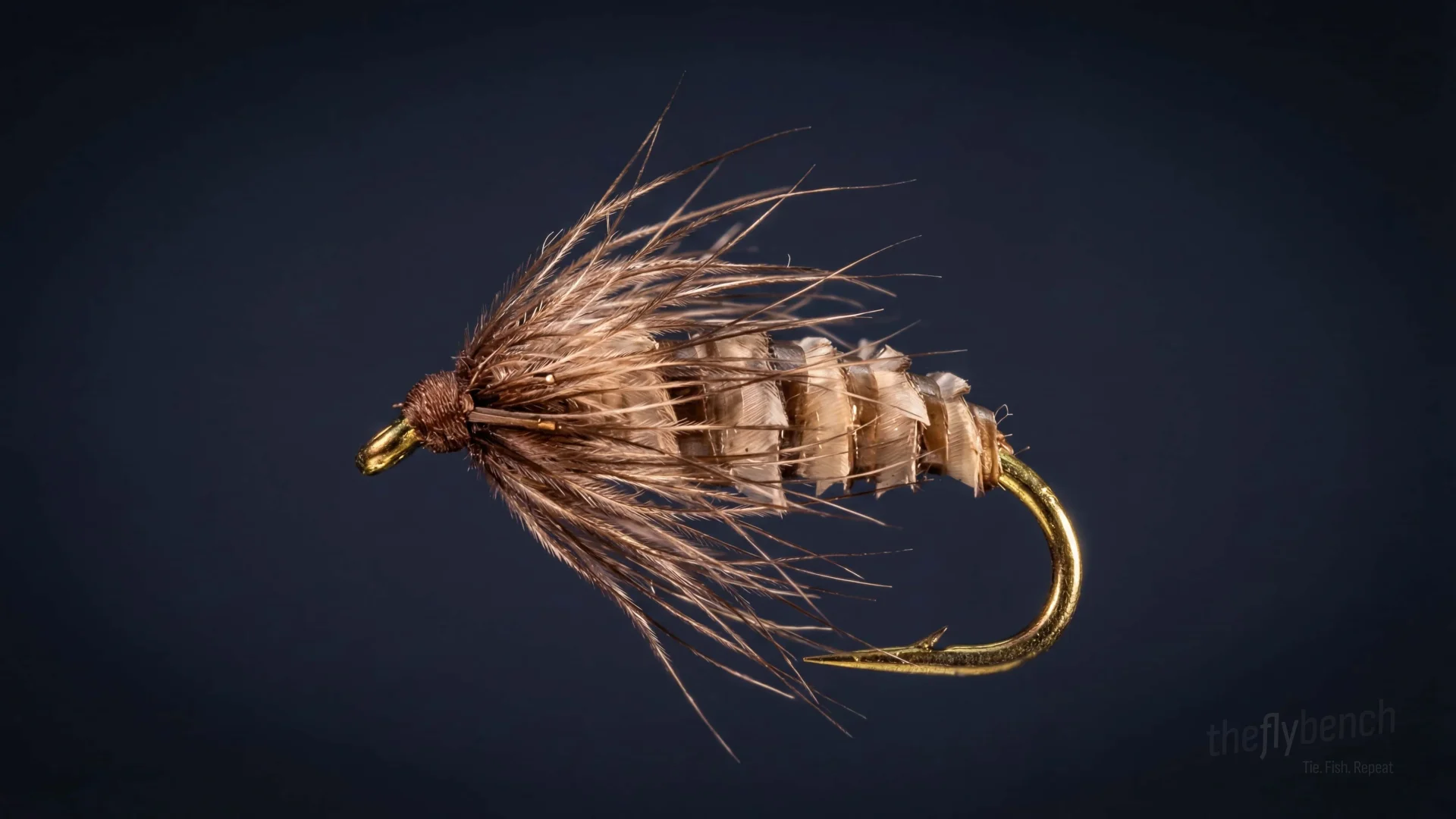
An old-school nymph pattern tied with a mottled turkey or grouse feather wrapped over a dubbed or yarn body to imitate caddis larvae. The feather should be softened or steamed beforehand. Keep the wraps tight and reinforce with wire or thread. A classic for spring creeks and tailwaters.
Where to Buy This Fly
We only link to fly shops we trust. Some links are referral links, which may earn us a commission at no extra cost to you.
Materials
- Hook:
- Tiemco 3769, size #12–#16
- Thread:
- Brown Veevus 14/0
- Body:
- Hare's Ear Plus dubbing in natural
- Ribbing:
- Copper wire
- Shellback:
- Pheasant tail fibers
- Thorax:
- Peacock herl
Behavior & Presentation
Natural Behavior: When larvae detach from their holds or crustaceans flee from weed beds, they tumble helplessly in the drift or swim with jerky, unpredictable bursts that broadcast vulnerability. These high-calorie organisms become available during behavioral drift periods and when flows dislodge them from protective cover, triggering opportunistic feeding.
Where Trout Eat It: Fish intercept this pattern along the bottom near structure in spring creeks, tailwaters, and vegetated lake margins where scuds and sowbugs concentrate.
How to Fish It: Dead drift near substrate with occasional slow crawls to imitate fleeing crustaceans, adjusting depth to match current speed and structure.
Best Water: Target weed edges, undercut banks, pocket water behind boulders, and riffle edges where current delivers drifting nymphs to feeding lanes.
Strike Type: Indicator dips or subtle weight as fish intercept the pattern, often feeling like brief resistance or line tightening mid-drift.
Fishing Strategy
Rigging Suggestions: Can be fished as a single nymph with split shot or as part of a multi-fly nymph rig. Use 4X-5X tippet and adjust weight based on water depth and current speed.
Seasonal Timing: Effective year-round as caddis larvae, scuds, and sowbugs are available to trout in all seasons, with peak productivity during periods when water temperatures are optimal.
Pro Tips: The rough appearance of the body created by brushing out the dubbing makes it highly visible to fish and creates a buggy, lifelike silhouette that imitates multiple food sources simultaneously.
Entomology
Caddis larvae cling to rocks and vegetation in moving water, occasionally dislodging during feeding or molting and drifting helplessly in currents, while scuds and sowbugs inhabit weed beds and leaf litter, swimming in short, jerky bursts when disturbed. Trout feed heavily on these organisms because they're abundant, calorie-dense, and frequently available in the drift, particularly during high flows or behavioral drift periods.
- Order
- Trichoptera
- Common Name
- Caddisfly
- Organism Type
- crustacean
- Life Stage
- larva