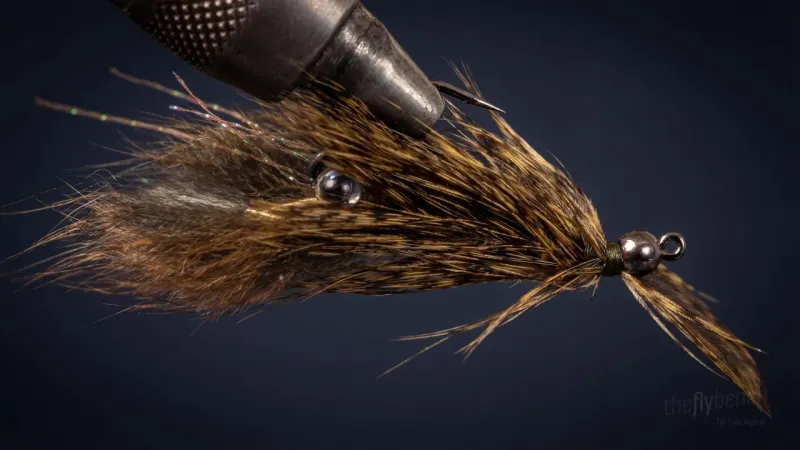
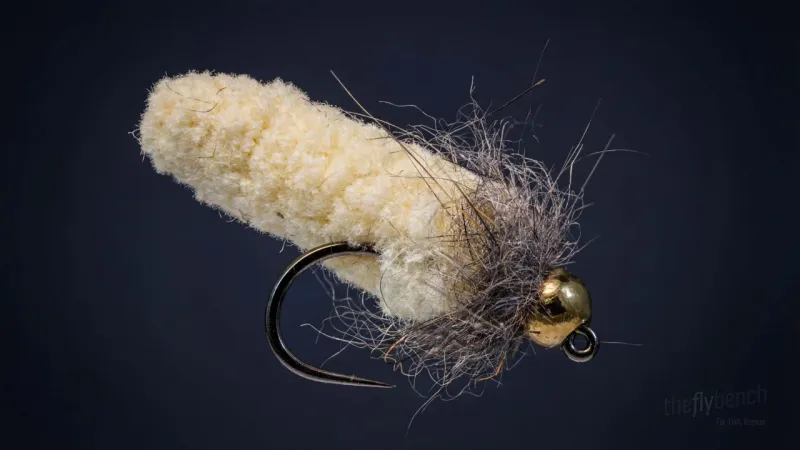
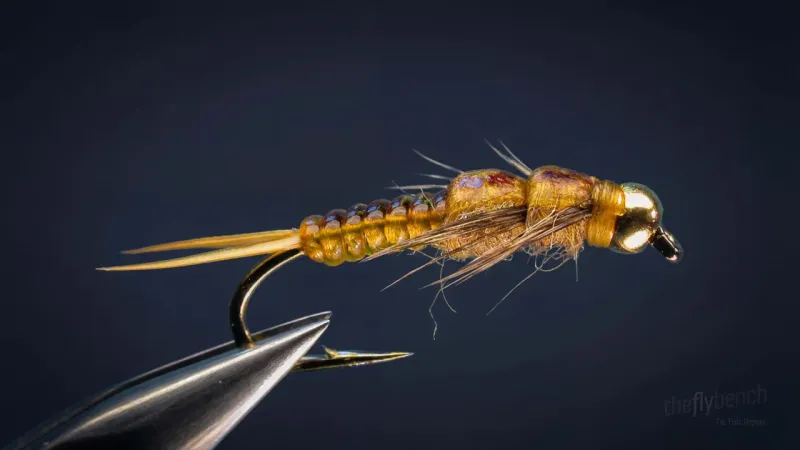
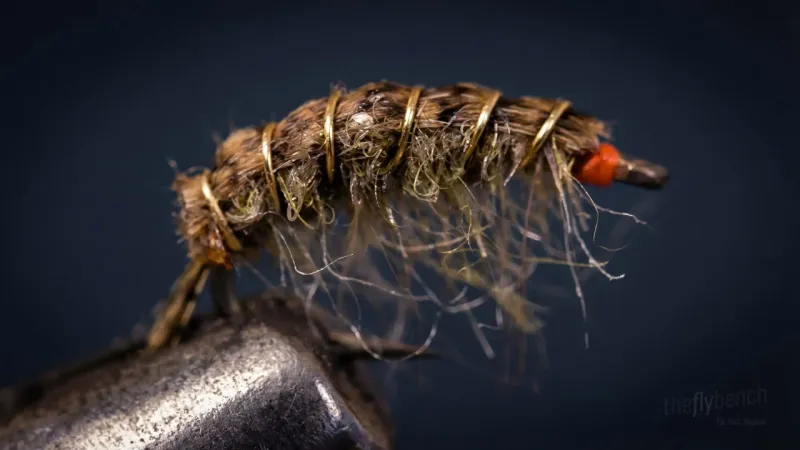
Scud / ShrimpLake O Shrimp
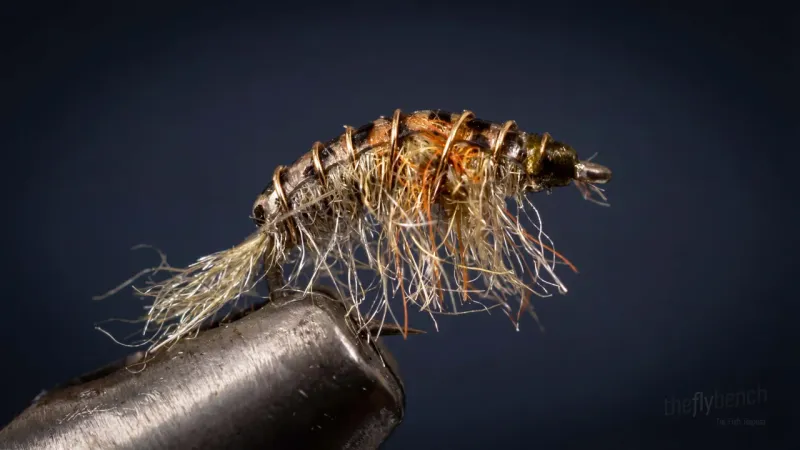
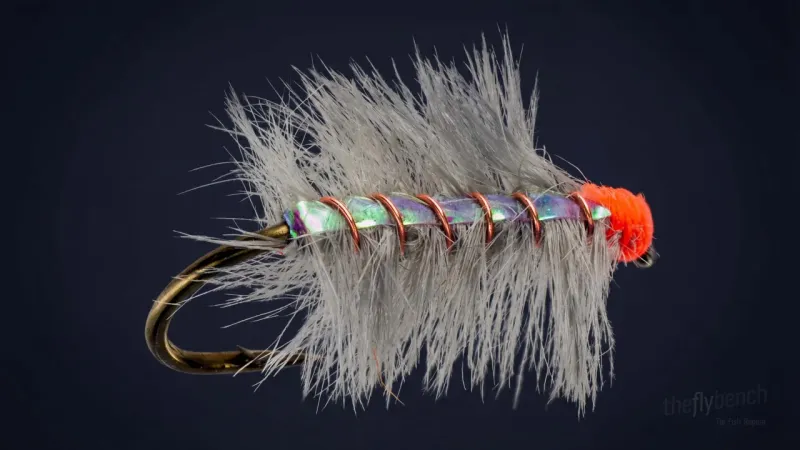
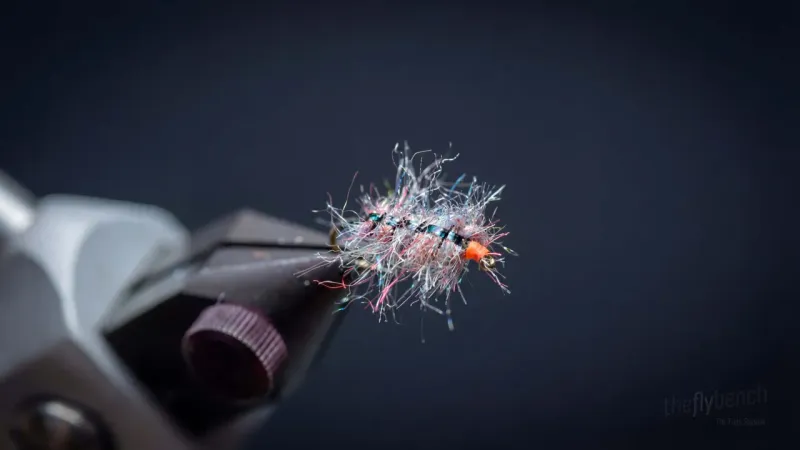
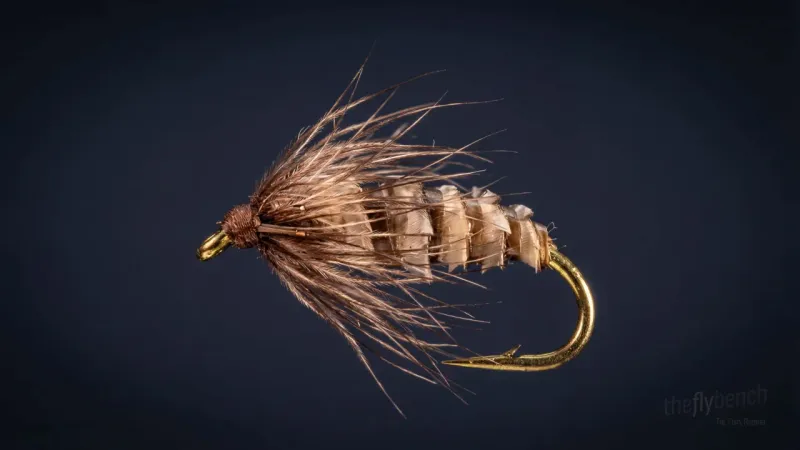
The Lake O Shrimp is a scud shrimp pattern designed by Hans van Klinken. This effective pattern combines traditional materials with proven techniques for consistent results in a variety of water conditions.
Spring, Summer, Fall
Intermediate
Trout
Feb 2026
Overview
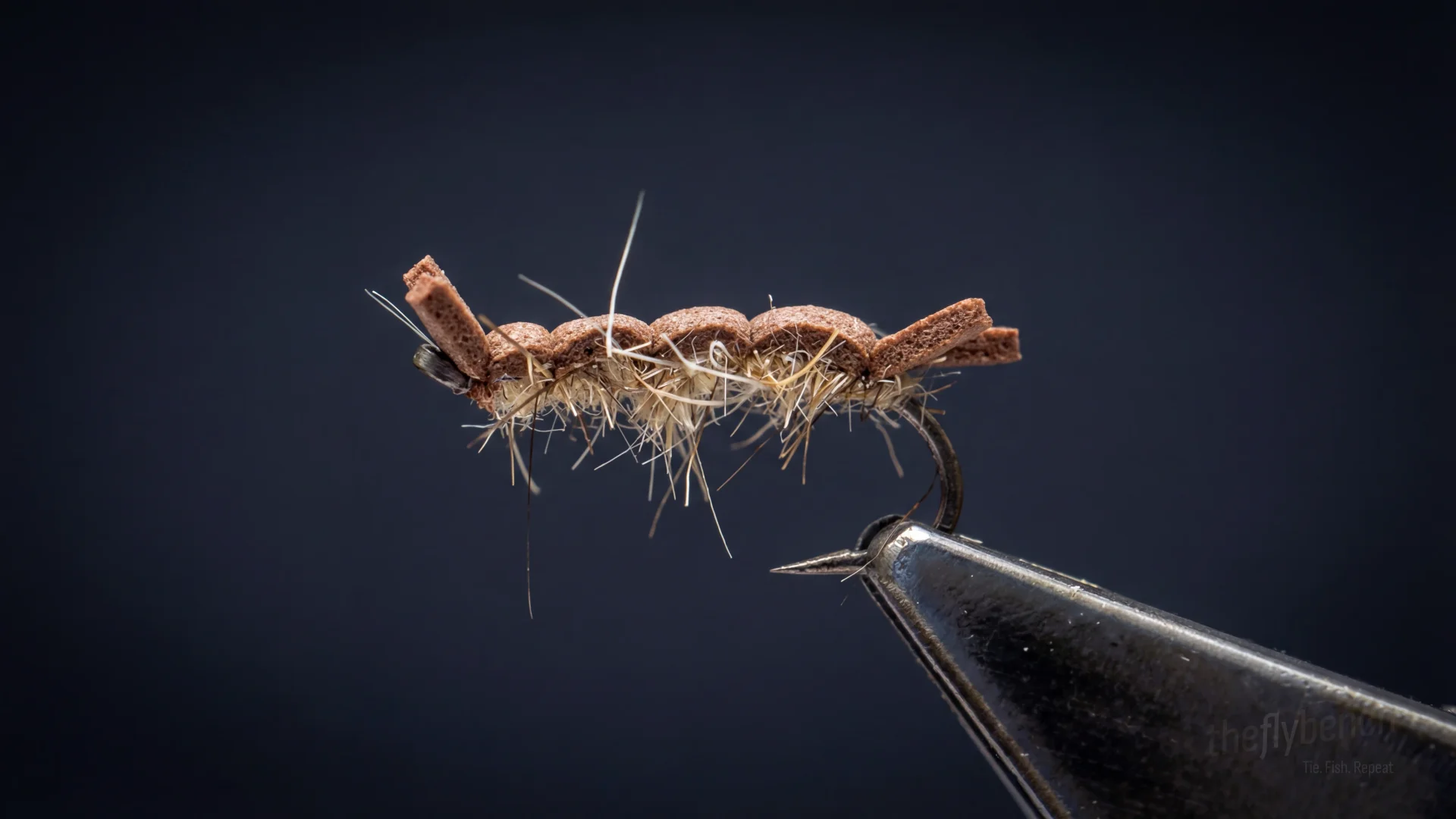
Hans van Klinken's stillwater scud pattern features a curved shank design and translucent materials that capture the natural's appearance. The segmented body and carefully selected dubbing create realistic coloration while maintaining durability. The pattern's weight distribution allows it to swim with natural orientation through the water column, imitating the sideways swimming motion trout recognize as scuds migrating through weed beds.
Where to Buy This Fly
We only link to fly shops we trust. Some links are referral links, which may earn us a commission at no extra cost to you.
Materials
- Hook:
- Mustad 34007 size 2, 1, 1/0
- Thread:
- Danville's flat waxed nylon size 3/0
- Tail:
- trimmed bucktail , krystalflash
- Body:
- chenille, long saddle, copper wire for the segment, lot of krystal flash under copper
- Eyes:
- burnt mono
- Antennae:
- bucktail and krystalflash
Behavior & Presentation
Natural Behavior: Freshwater scuds scuttle sideways through weed beds and along bottom structure, occasionally darting into open water when dislodged from cover. Fish patrol weed edges and grass lines because these crustaceans concentrate in vegetation and become easy targets when swept into current.
Where Trout Eat It: Trout forage along weed edges and grass lines in depths from 2-8 feet, cruising systematically through vegetation where scuds concentrate. Fish patrol these structured zones methodically, picking off individual crustaceans as they encounter them during feeding routes.
How to Fish It: Cast to weed edges and retrieve with short, hopping strips that mimic scud movement through vegetation and along bottom structure. Pause frequently to allow the pattern to sink and settle, triggering strikes from cruising fish.
Best Water: Work tail-outs, drop-offs, grass edges, weed edges, where crustaceans concentrate in vegetation and along bottom structure. Fish depths of 2-8 feet where trout cruise methodically through productive feeding zones.
Strike Type: Strikes feel like gentle taps or subtle weight during the retrieve as cruising fish inhale the pattern while moving through feeding zones.
Fishing Strategy
Rigging Suggestions: Use 9-12 foot leader with 4X-5X tippet. Fish under strike indicator set 4-6 feet above fly, or use floating line with weighted fly for slow sink rate. Adjust depth based on fish location and feeding behavior.
Seasonal Timing: Effective with peak performance during (April-May) and (September-October) when scuds are most active. fishing from 11 AM-3 PM during temperature peaks can produce exceptional results in tailwaters and creeks.
Pro Tips: Scuds are a staple food source in many waters, making this a reliable producer when nothing is hatching. The curved profile mimics natural scud shape.
Entomology
Scuds crawl through dense weed beds using their pereopods, occasionally releasing their grip to swim jerkily through the water column toward new vegetation patches. Their translucent bodies and segmented appearance make them highly visible when backlit by sunlight penetrating shallow water. Fish consume scuds in large quantities because these amphipods occur in massive populations within fertile waters, allowing trout to efficiently pack on weight through volume feeding on these bite-sized crustaceans.
- Organism Type
- crustacean
- Life Stage
- general