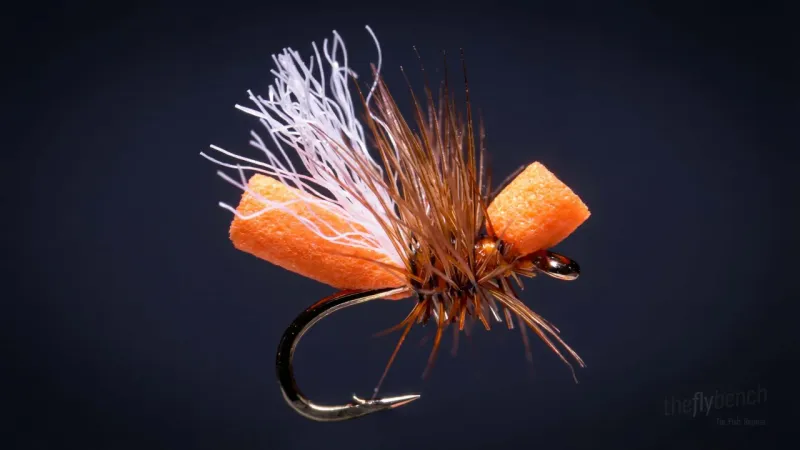
Dry FliesWinged Ant
The Winged Ant is a dry fly pattern designed by Scotty Howell. This effective pattern combines traditional materials with proven techniques for consistent results in a variety of water conditions.
Spring, Summer, Fall
Intermediate
Trout
Feb 2026
Overview
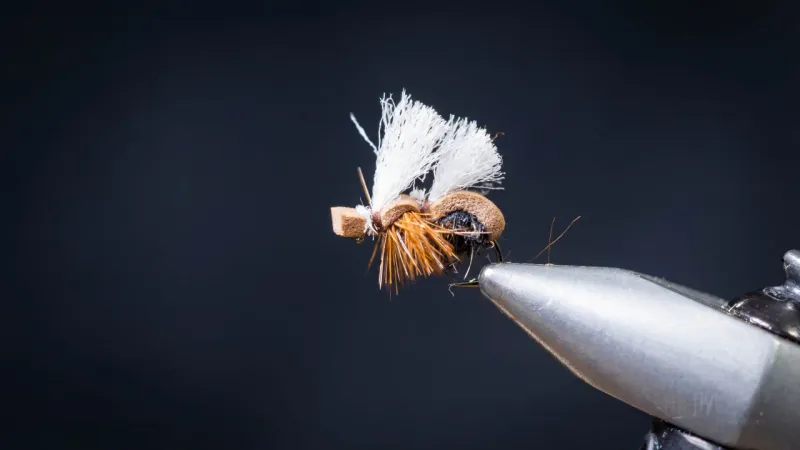
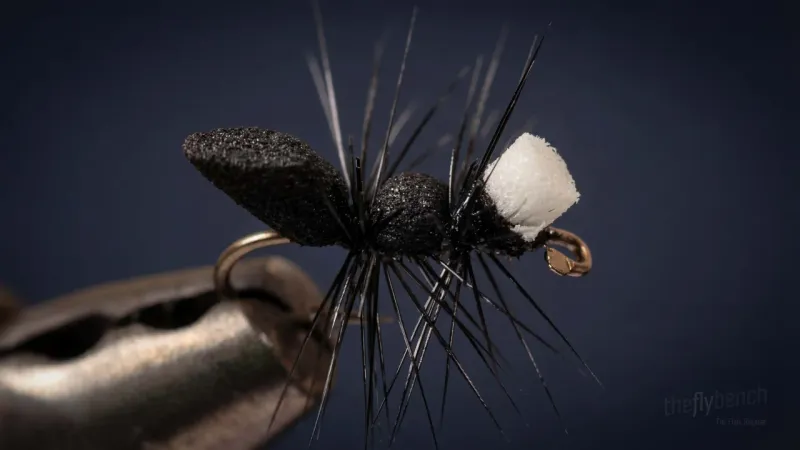
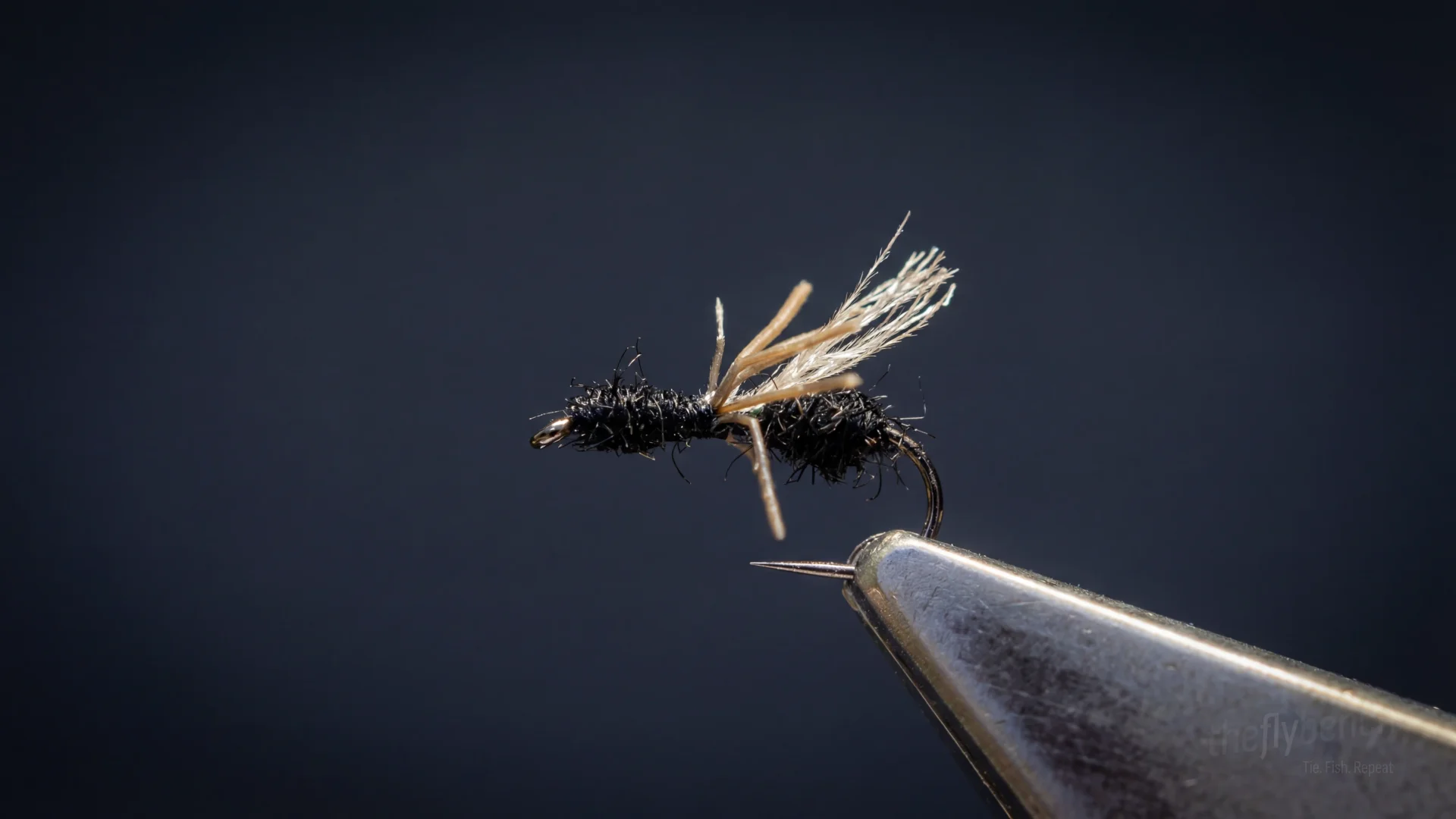
Scotty Howell's design captures the distinctive profile of flying ants during their mating swarms. The pattern uses foam or poly wings set upright to mimic the natural's transparent wings, with dubbed or foam body segments creating the classic ant waist constriction. When ants swarm near water, fish key on them aggressively. The white or light-colored wings provide visibility for anglers while maintaining a realistic profile.
Where to Buy This Fly
We only link to fly shops we trust. Some links are referral links, which may earn us a commission at no extra cost to you.
Materials
- Hook:
- Tiemco 100 #12-14
- Thread:
- UNI 6/0 black
- Abdomen:
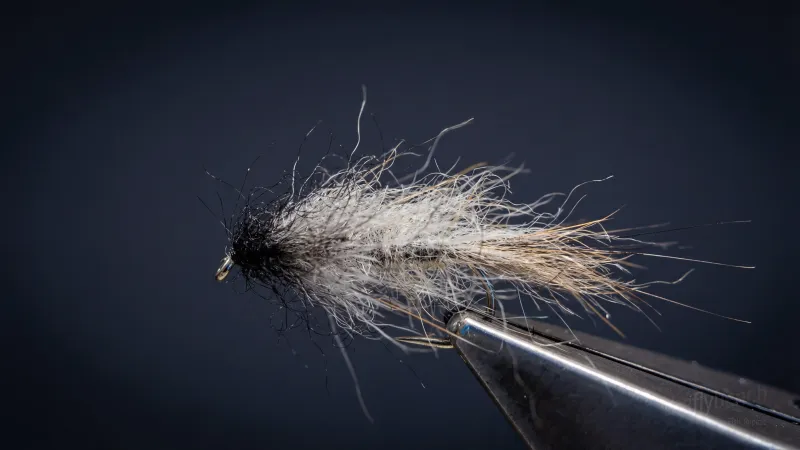
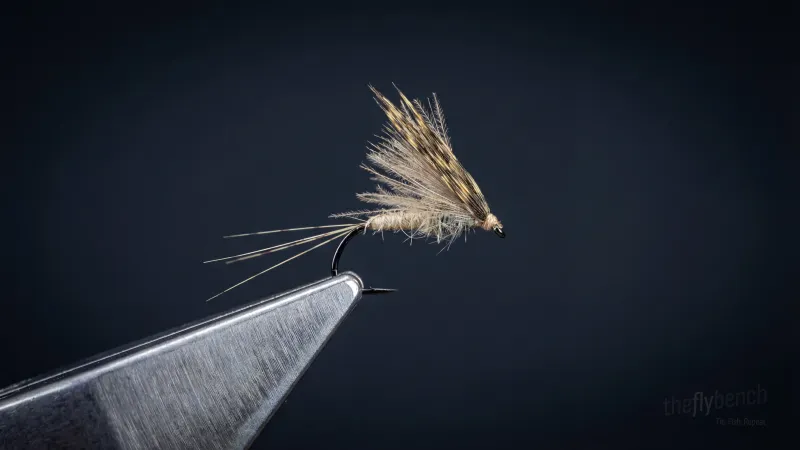
- Dark grey CDC feather twisted into a noodle
- Hackle:
- Grizzly hackle clipped on the downside that the fly floats flat
- Material
- on the surface
- Wing:
- Two cream hackle tips tied delta wing style
- Thorax:
- Dark grey CDC feather twisted into a noodle
Behavior & Presentation
Natural Behavior: Flying ants land on water surfaces during mating flights with wings spread flat, struggling unsuccessfully to achieve flight while trapped in the surface tension. During mass flights, hundreds of winged ants accumulate on productive stretches, creating feeding frenzies as trout gorge on the abundant terrestrial windfall.
Where Trout Eat It: Flush in the surface film near vegetation edges and bank structure, with trout rising steadily along grassy banks where terrestrial falls concentrate during warm afternoon swarms.
How to Fish It: Upstream dead drift with minimal disturbance, maintaining the flush-floating profile matching natural winged ants trapped in surface tension during mass terrestrial falls along vegetated banks.
Best Water: Grassy banks and meadow sections during ant flights, undercut banks beneath vegetation, and foam lines concentrating windblown ants after afternoon thunderstorms trigger mass swarms.
Strike Type: Confident deliberate rises as trout methodically sip winged ants from the film, often establishing steady feeding rhythms during mass terrestrial falls along productive banks.
Fishing Strategy
Rigging Suggestions: Use a 10-12 foot leader with 5X or 6X tippet for delicate presentations. Apply light floatant only to keep the pattern riding low.
Seasonal Timing: Prime time runs from June through September during ant mating flights, with exceptional results on warm, humid days when flying ants swarm.
Pro Tips: During mass ant falls, trout become highly selective to the winged profile. Match the natural's flush-floating posture for best results.
Entomology
During warm summer months, winged reproductive ants take flight from terrestrial colonies and are often blown onto water surfaces where they land with their wings spread flat, struggling to become airborne again. Fish eagerly consume these protein-rich terrestrials because ant flights represent predictable feeding opportunities when hundreds or thousands of individuals may fall onto the water during nuptial swarms, creating a bonanza that trout remember and anticipate.
- Order
- Hymenoptera
- Family
- Formicidae
- Common Name
- Ant
- Organism Type
- terrestrial
- Life Stage
- adult